Reviewed · BUENOS AIRES TOURS
Backstreet Bites of Buenos Aires Cafés, Parrillas and Beyond
Buenos Aires has layers, and this half-day food walk is a smart way to taste the city while learning how it got this way. You’ll hit landmark neighborhoods and then shift into local food spots where politics, transit, and daily life all show up on the menu. I especially like the small group size (up to 7) and the fact that meals are built in, not tacked on.
I also like how the tour treats food like culture, not just calories. You start in a place that helps explain Argentina’s famous splits, then move to a landmark building with train-era and dark-era history, and finally end in a public square that rounds out the vibe of the city.
One consideration: this is a 5.5-hour walking tour, with no private transportation included. If your mobility is limited, you should plan your pace (and decide if you want to take breaks rather than keep moving).
Practical highlights I’d bet on
- La grieta explained in real places, starting at Plaza Lavalle
- Galerías Pacífico as a one-stop history lesson, from trains to a concentration camp era and later a mall
- Food in motion, with a stop near the train-and-port zone at florería Atlántico
- Meals are included: breakfast, lunch, snacks, water, soda, and alcoholic beverages
- Licensed guides in English and a group capped at 7 people for easier conversation
- A flexible day in hot weather, since guides have adjusted stops to keep things comfortable
A Food Tour That Explains Buenos Aires While You Eat
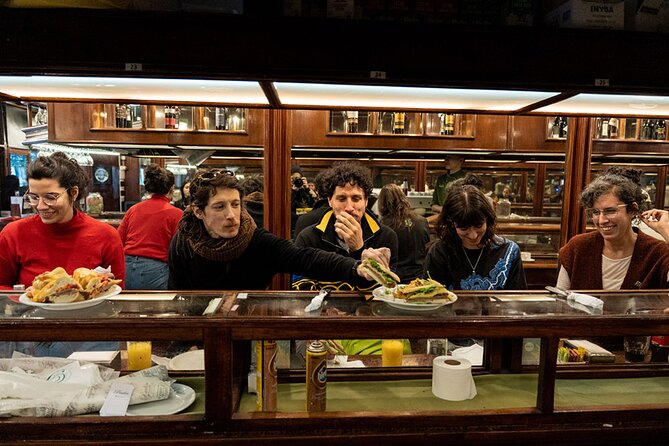
This is the kind of Buenos Aires tour that helps you connect dots fast. You’re not just collecting tastes, you’re learning why certain neighborhoods and institutions matter, then using that context to understand what you’re eating.
The value here is practical. At $135 per person for about 5 hours 30 minutes, you get a licensed guide plus breakfast, lunch, snacks, bottled water, soda/pop, and alcoholic beverages. That means you’re budgeting one fixed amount for a full food experience rather than playing menu roulette all day.
The other big reason to consider it is the guide style. In real-world tours like this, the difference is whether your guide gives you a few stories and then lets you eat, or whether they make the city feel legible. People mention guides like Esteban, Lucía, and Maui for knowing the city’s rhythms and history, and for answering questions without rushing you through.
Start at Av. Callao 501, Then Head to Plaza Lavalle
Your day begins at Av. Callao 501 (C1022AAF) with a 10:00 am start. That’s a good time to start if you want your first tastes before the downtown heat really ramps up. It’s also set up for public transit, so you should not need a taxi just to get to the meeting point.
From there, the first neighborhood stop is Plaza Lavalle. This square is used to explain Argentina’s idea of la grieta, the big divisions that shape politics and identity. The examples given for that theme include Boca vs River and Peronism vs anti-Peronism, plus older splits like unitarios vs federales.
Why I like starting here: it sets your brain on the right channel. When later you see cafés, grills, or local bars tied to neighborhood life, it’s easier to understand why food culture can feel like part sport, part politics, part family routine.
A potential drawback at this early stage: if you want strictly food-only with zero political context, the first stop may feel a bit heavy. But it only sets the frame, and the rest of the tour leans hard into eating.
A few more Buenos Aires days worth comparing
- Local Foodie Adventure in Buenos Aires with Sherpa Food Tours
★ 5.0 · 6,875 reviews - Buenos Aires City Private Tour with Local Guide
★ 5.0 · 3,475 reviews - Buenos Aires Small-Group City Tour
★ 5.0 · 2,226 reviews
Plaza Lavalle Means You’ll Understand the City’s Rivalries
Plaza Lavalle is a good “first read” of Buenos Aires because it’s about public identity. La grieta shows up in everyday talk, not just election posters. That matters for your food day because Argentine dining habits are social habits, and social habits are tied to who people feel they are.
If you’re a first-timer, this kind of grounding helps. You’ll walk past places later and actually recognize why locals care about them. Even if you don’t want politics, you can still file it under culture, because it affects where people gather and what they defend.
And because the stop is about one hour with an included ticket, it’s not a quick photo stop that disappears after five minutes. You get time to hear the story and then connect it to the next phase of the day.
Galerías Pacífico: A Train-Era Landmark With Dark History
Next you’ll head to Galerías Pacífico, and this building comes with layers. It has been a commercial gallery, it served as a main office for the Buenos Aires al Pacífico train line, and it has also been connected to the broader national trains story. The building is also described as part of a dictatorship concentration camp history, and later it was used as a mall in the 1990s.
That sounds heavy, and it is. But it’s also the point of the stop: this is how Buenos Aires keeps multiple eras stacked in one physical address. You’re learning in a place you can actually see, not just reading about it later.
For you, the practical benefit is how it sharpens your senses. When you’re eating near transit corridors afterward, you’re more likely to notice how the city’s movement patterns shape what’s available, where it’s affordable, and why certain foods belong to certain neighborhoods.
The main consideration here is emotional. If you’re sensitive to dictatorship-era history, you might find this portion intense. You’re not being asked to relive anything graphic, but the context is real and part of the walk.
Florería Atlántico: Where the City’s Eats Meet the Tracks
The third anchor stop is florería Atlántico, described as where downtown meets the train stations and the port. It’s also framed as a center of the ins and outs of Argentine culinary culture, tying the story to the River and the train tracks.
This is where the tour’s title makes sense. Buenos Aires food culture is not separate from the city’s infrastructure. When people depend on trains, markets, and port supply, the food scene becomes practical and social. You’re eating with that idea in mind.
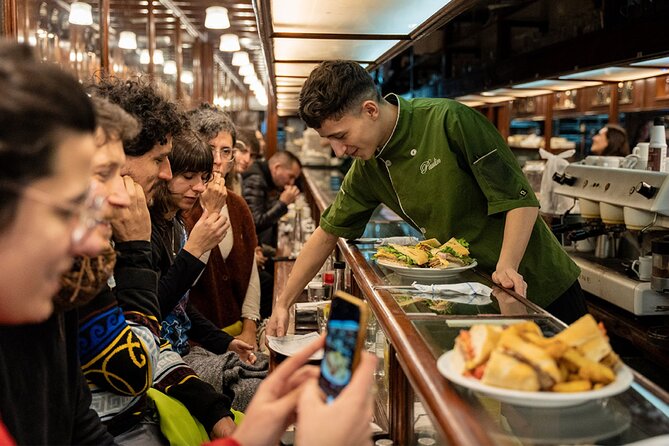
In terms of what you might actually taste, the tour has a strong café and classic Argentina mix, including reports of a breakfast start with pastry like a medialuna, coffee and local sweets, then moving into savory stops such as pizza and flatbread, and later foods that can include spinach fritters and a meat platter from a grill style setting.
I like that mix because it avoids the most common tour problem: turning the day into only one cuisine lane. Here, you’re seeing how Argentinian meals move from sweet breakfast energy into lunch-scale comfort food.
One tip for this stage: pace yourself. Portions are generous across the tour, and the day is about sampling, not ordering one big meal at the end. If you show up too hungry, you’ll still have a great time, but you might end up rushing dessert just to stay comfortable.
A different sort of day out of Buenos Aires:
- Buenos Aires Hop-On Hop-Off Bus, Free Walking Tours & Discounts
★ 4.5 · 2,218 reviews - Buenos Aires: Piazzolla Tango Show with Optional Dinner
★ 4.4 · 2,122 reviews - Buenos Aires: City Highlights Guided Tour with Transfer
★ 4.7 · 1,946 reviews - Buenos Aires: Hop-On Hop-Off City Bus Tour
★ 4.2 · 1,855 reviews
The Food Portion: Breakfast, Lunch, Snacks, and Drinks Included
Here’s what’s actually included, and why it matters for value:
- Breakfast
- Lunch
- Snacks
- Bottled water
- Soda or pop
- Alcoholic beverages
- Licensed guide
That’s a lot of food for a single fixed price. For $135, you’re not just paying for the guide, you’re also pre-paying for meals. In Buenos Aires, that can save you mental load, because you’re not trying to decide where to eat every time your stomach starts negotiating.
In the reviews, guides like Esteban and Lucía are singled out for pairing food with context, and for keeping the pacing relaxed. People describe the food as delicious and varied, with a day structure that can include sweet pastries early, then pizza and fritter-style bites, and later a grill meat finish with dessert.
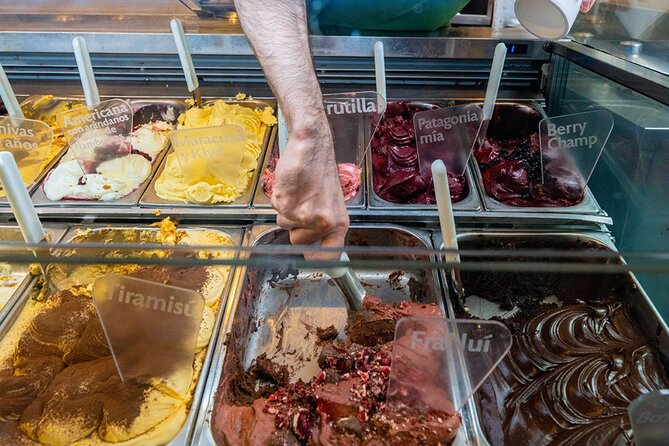
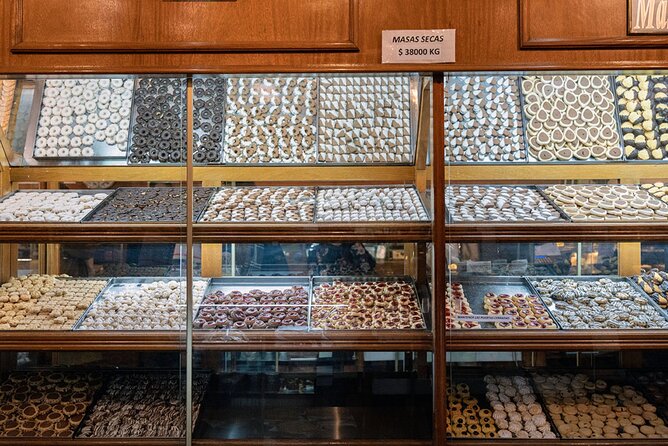
You should also know that dessert can show up. Some food tours stick to savory, but this one can include sweets like chocolate and even ice-cream style stops. If you’re the type who wants only savory tastings, just keep your expectations flexible.
How the Tour Moves: Group Size, Pacing, and Guide Energy
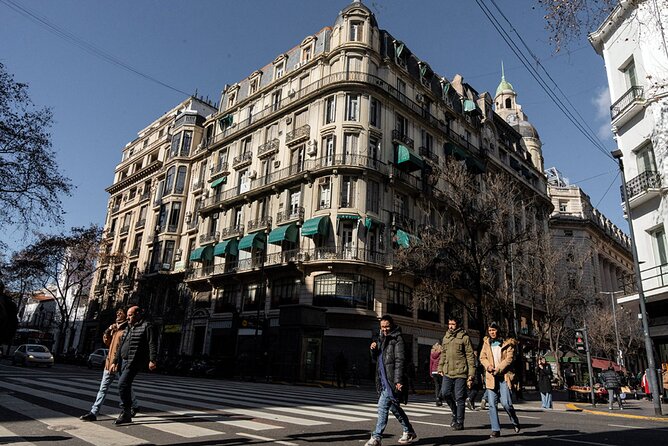
This is capped at 7 travelers, and that detail changes the whole experience. Smaller groups mean you can ask questions in the moment, not after the fact. It also makes it easier for the guide to adjust pacing if someone needs water or wants to hear a story more slowly.
The reviews highlight that guides are customer focused and answer questions fully, without rushing. People even mention guides adjusting stops on the fly when it was very hot, which tells me the operator plans for real conditions rather than treating the day like a rigid checklist.
If you get Maui, Esteban, or Lucía, you should expect a guide who connects the dots between neighborhoods and the food you’re tasting. That is the difference between a fun meal train and an actually educational walking day.
Plaza General San Martín: Closing With a Sense of Place
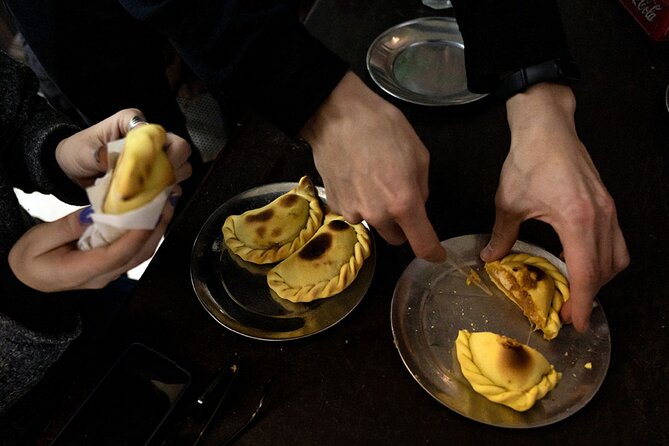
Your tour ends at Plaza San Martín, Villa Pueyrredón (B1650). Ending somewhere other than right back at your start point is common for walking food tours because it lets the route flow with what makes sense for tastings.
The practical takeaway for you: plan your next move. If you’re going straight to dinner, give yourself a little time to get back to where you’re staying, since the end address is in a different area than the meeting point.
The good news is that the tour includes one-hour time at the final stop, so you’re not sprinting to the finish line with nothing left in your brain. It’s a clean close that helps you process what you just learned and tasted.
Price and Value: What $135 Really Includes
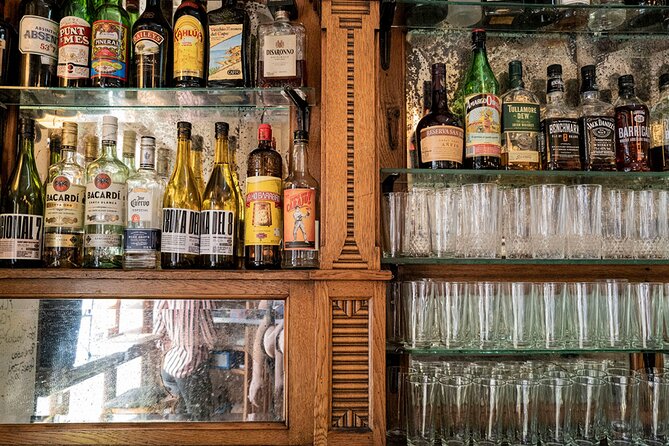
Let’s talk value in plain terms. At $135 per person, you’re getting:
- a licensed guide
- breakfast, lunch, snacks
- water, soda/pop
- alcoholic beverages
If you tried to replicate this on your own, you’d spend a similar amount fast once you add a guide, plus multiple food stops. The tour is basically trading your decision fatigue for a fixed plan and a guide who knows where to take you.
The one thing that is not included is private transportation. That doesn’t mean it’s a bad deal. It just means your day is designed for walking and local access. For many visitors, that is exactly what you want, because you see more than a vehicle can show.
If you’re a value-minded traveler, this is one of the few Buenos Aires food experiences where the pricing looks fair because meals and drinks are part of the package.
Getting There and What to Bring for This 5.5 Hour Walk
The tour is offered in English with a mobile ticket, and it’s near public transportation. That combination usually makes meeting day smoother.
Bring the basics:
- comfortable walking shoes
- sun protection, especially since downtown can get hot
- a light layer you can remove if the weather changes
- curiosity, because the historical context can be thought-provoking
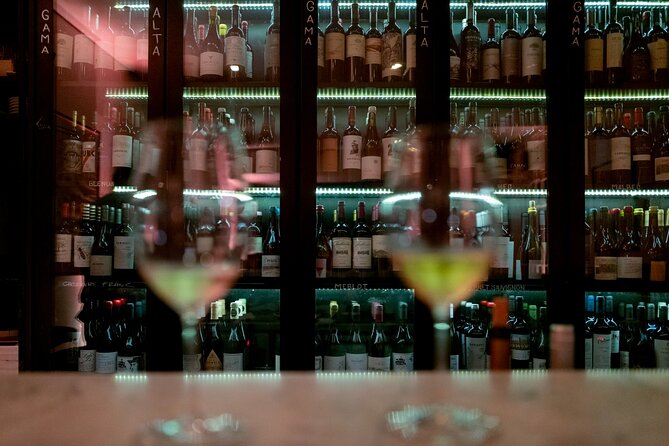
Also, since alcoholic beverages are included, you might want to decide in advance how you want to handle that. If you drink, pace yourself with water. If you do not, you can still enjoy the tour since soda/pop and water are included.
Who This Buenos Aires Tour Suits Best
This tour fits you best if you want three things at once:
1) food that feels local, not just famous
2) a quick, usable story about the city
3) a manageable group day that lasts about 5 hours 30 minutes
It’s also a strong match if you like learning in the real world, like understanding why a square matters before you eat, or why a train-and-building story changes the way you see the city’s structure.
If you dislike walking, hate political history, or need private transport to move easily, you may find it stressful. But if you can handle a daytime stroll with snacks and breaks, you’ll likely enjoy the way the food and place stories connect.
Should You Book Backstreet Bites of Buenos Aires?
My take: you should book this if you’re after an organized, meal-heavy Buenos Aires food day that also explains what you’re seeing. The best part is not just that you eat, it’s how the tour uses places like Plaza Lavalle and Galerías Pacífico to give context, then sends you into the neighborhoods and food stops so the context sticks.
Skip it only if you want zero history and zero politics, or if you know you need private transportation. Otherwise, this is a great way to get your bearings fast and leave with a better sense of how Buenos Aires talks, gathers, and eats.
If you’re traveling soon, I’d book earlier rather than later. The average booking window is about 42 days in advance, and the group size is small, so availability can tighten.
FAQ
What is the duration of the Backstreet Bites of Buenos Aires tour?
It’s approximately 5 hours 30 minutes.
How much does the tour cost?
The price is $135.00 per person.
Where do I meet the tour, and what time does it start?
You meet at Av. Callao 501, C1022AAF, Buenos Aires, Argentina, starting at 10:00 am.
Where does the tour end?
The tour ends at Plaza San Martín, Villa Pueyrredón, B1650 Buenos Aires, Provincia de Buenos Aires, Argentina.
Is private transportation included?
No, private transportation is not included.
What meals and drinks are included?
Breakfast, lunch, snacks, bottled water, soda/pop, and alcoholic beverages are included.
What language is the tour offered in?
The tour is offered in English.
How big is the group?
The maximum group size is 7 travelers.
Is the ticket digital?
Yes, you receive a mobile ticket.
Is this tour accessible for most people?
The information says most travelers can participate. It is also near public transportation.
What is the cancellation policy?
You can cancel for a full refund up to 24 hours in advance of the experience start time.
Recently reviewed around Buenos Aires
- Meet Locals: Language Exchange Café in Buenos Aires★ 5.0 · 10 reviews
- Piazzolla Tango Show Only In Buenos Aires★ 4.5 · 10 reviews
- Madero Tango Show Including Executive Dinner In Buenos Aires★ 3.5 · 10 reviews
- Private City Tour & Transfer to the International Airport★ 5.0 · 10 reviews
- Esquina Homero Manzi Tango Show Ticket Including Optional Dinner in Buenos Aires★ 4.5 · 10 reviews
- VIP Dinner & Tango Show at El Viejo Almacen★ 4.5 · 10 reviews
- Premium service Buenos Aires city tour for small groups★ 4.0 · 11 reviews
- Buenos Aires City Tour★ 4.5 · 11 reviews
Buenos Aires Tours, compared.
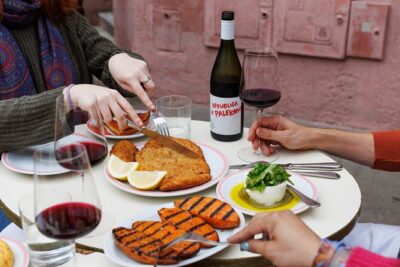
Local Foodie Adventure in Buenos Aires with Sherpa Food Tours
Read our review →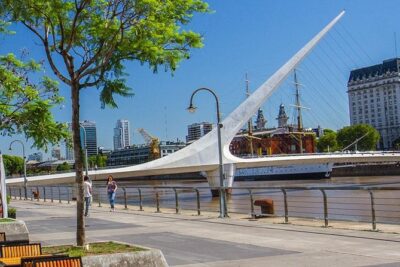
Buenos Aires City Private Tour with Local Guide
Read our review →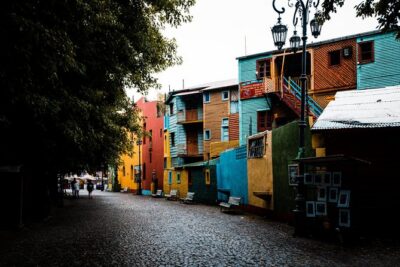
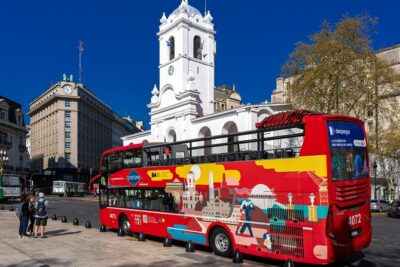
Buenos Aires Hop-On Hop-Off Bus, Free Walking Tours & Discounts
Read our review →