
Reviewed · MUSEUMS
Visit to the Diego Maradona House Museum in Buenos Aires
Maradona fans get a rare two-for-one in Buenos Aires: you see his first family home and the pitch where his pro career took off. The story lives in La Paternal, a real working neighborhood tied to Argentinos Juniors and the club that shaped his early steps.
I love the smart pace. The tour runs about 2 hours, keeps the group small (max 10), and pairs the visits with a bilingual guide in Spanish and English. I also like that it includes hotel transfers and museum admission, so you spend less time planning and more time looking closely.
One possible drawback is the focus. This is not a “whole city of football” day, it is a tight route built around Maradona’s beginnings, so if you want lots of extra stops, you may feel a little shortchanged.
Key highlights worth your attention
- Casa de D10S, Maradona’s first Buenos Aires home presented for the 1978 to 1980 period
- La Paternal neighborhood context including why the area is called La Paternal
- Argentinos Juniors Stadium area views linked to Maradona’s official Argentine debut on Oct 20, 1976
- A small group size of up to 10 that helps the guide answer real questions
- Hotel transfers plus museum ticket included in the $90 price
- Guide talent that makes it personal, including hosts like Fernando and Federico noted for friendliness and strong English
Maradona in La Paternal, a two-for-one that feels local
Buenos Aires can feel big and wide when you are trying to line up the right sights. This experience keeps it simple: one neighborhood walk-through, then Maradona’s early home, then the Argentinos Juniors stadium area tied to his debut.
What makes it interesting is the way the stops connect. You are not just viewing nameplates on plaques. You are moving through the same part of town where the club community took shape, and where Maradona’s early football story began to solidify.
If you care about football origin stories, this route hits fast. You get the early-life setting first, then the club stage where his career officially started.
More museums in Buenos Aires:
- Buenos Aires: Tickets to Boca Juniors Museum & Stadium
★ 4.5 · 581 reviews - Buenos Aires: River Plate and Boca Juniors Museum Tour
★ 4.5 · 72 reviews - Buenos Aires: Hop-On Hop-Off Bus and Football Museums
★ 4.3 · 39 reviews
Price and value, what the $90 really covers
The price is $90.00 per person for about 2 hours, and it includes three practical things that add up quickly: hotel transfer, a bilingual Spanish-English guide, and museum admission.
That matters because this is one of those days where logistics can eat time. With transfers built in, you avoid the hassle of figuring out buses, rides, and walking routes just to see one specific site and one specific stadium area.
Also, the group stays small, max 10 travelers. Small groups usually mean fewer waiting moments and more direct conversation, which is a big deal for a subject like Maradona where you likely have questions about dates, clubs, and meaning, not just photos.
Getting oriented in La Paternal, where the name has two stories
The tour starts with a neighborhood introduction to La Paternal, in the central-northwest part of Buenos Aires. It was founded in 1904 by a national decree, and that early-government detail gives you a helpful baseline before you jump into football.
Then you get two competing ideas for where the name came from. One version says the name was linked to an Insurance Company, La Paternal, which owned lots of land and built houses for workers. Another version connects it to a grocery store that was known for stopping carts going toward Luján on the road to Moreno.
You do not need to pick a winner. The point is that the neighborhood has layers, and Maradona’s story sits inside real local history, not floating outside it.
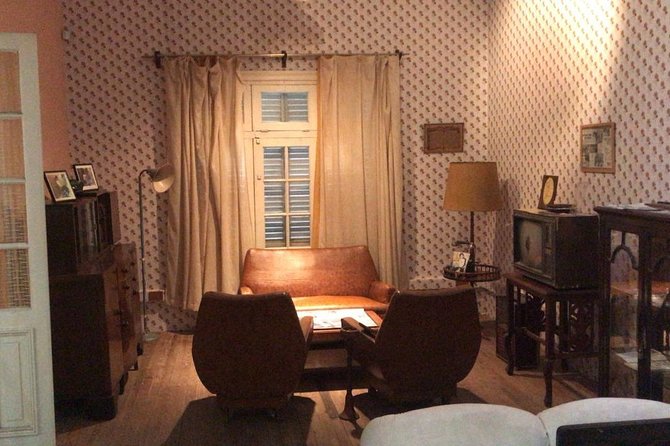
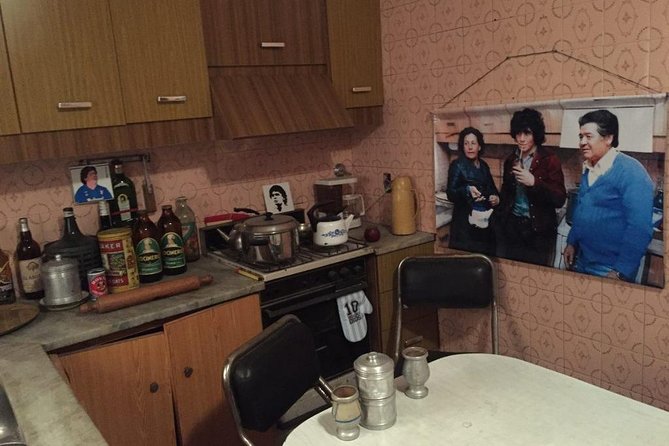
Casa de D10S, Maradona’s first home and what you should look for
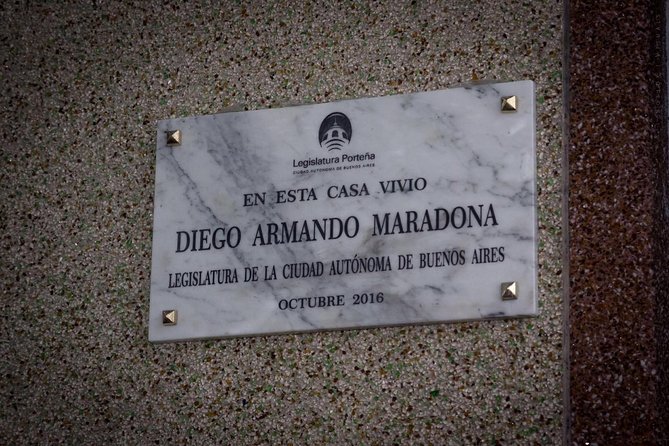
The main stop is La Casa de D10S, presented as the first own house of Diego Armando Maradona and his family in Buenos Aires, covering 1978 to 1980. It is in the Porte neighborhood of La Paternal, close to the stadium that carries his name today, and it is tied directly to the club of his origins, Argentinos Juniors.
This is where the tour earns its keep for football fans. Instead of treating Maradona like a myth, it frames him as a young player inside a family setting. The museum also notes that the house was recovered, placed in value, and recognized as a historical place, with recognition connected to the Argentine Parliament and a tribute to him.
One detail I like in the presentation is that it is explicit about “first steps.” The museum ties the home to when Argentinos Juniors gave him his first professional footing, then keeps that connection visible as you look around.
A few more Buenos Aires days worth comparing
- Local Foodie Adventure in Buenos Aires with Sherpa Food Tours
★ 5.0 · 6,875 reviews - Buenos Aires City Private Tour with Local Guide
★ 5.0 · 3,475 reviews - Buenos Aires Small-Group City Tour
★ 5.0 · 2,226 reviews - Buenos Aires Hop-On Hop-Off Bus, Free Walking Tours & Discounts
★ 4.5 · 2,218 reviews
Time on-site, and how to make it count
You should expect about 1 hour at the museum. That is enough time to see the main rooms, take in the photo collections, and absorb the story beats without feeling rushed.
The best way to get value in a one-hour museum stop is to look for the story thread. Ask yourself: What does this place say about Maradona at the start of his rise, as a teenager, before fame became the whole plot?
Even if you are not a super-detailed collector of memorabilia, the museum experience works because it is built around a timeline. The 1978 to 1980 window is clear, and it gives your visit structure.
What you might enjoy most
From the way the tour is guided, you are likely to spend more time on context than on random trivia. In past tours, guides like Fernando have highlighted both the early home and the broader meaning, plus they made space for questions.
If you are the type who likes to connect the walls to the wider football world, this is the right order. Home first, then stadium. It keeps Maradona’s story grounded in place.
Argentinos Juniors stadium area, the debut pitch and the club numbers
After the house, you shift to the Argentinos Juniors side of the story. The stadium has a capacity for 26,000 people, and the visit focuses on the stadium grounds and what is around them.
This is where the dates get sharp. The stadium is recognized as the place where Diego Armando Maradona officially debuted in Argentine football on Wednesday, October 20, 1976, at age 15. The tour presentation also links him to a five-year stint in the Argentine First Division with Argentinos Juniors.
If you like stats that feel human instead of abstract, this part is satisfying. The museum notes he is the second highest historical scorer in the club with 116 annotations.
What to watch for outside the official museum rooms
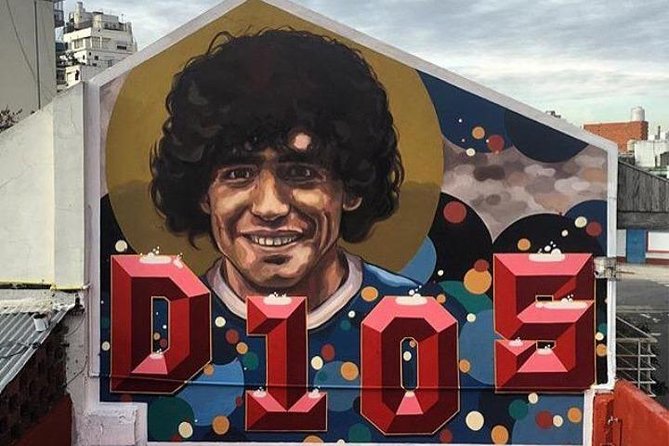
You are not just staring at a big building. You are getting a sense of the club atmosphere through details like exterior murals and the surrounding sanctuary-like areas. The way this is handled on tour tends to keep it visual, so you can put faces and imagery to the facts.
Also, the tour is not only about Maradona worship. It repeatedly comes back to the club identity, Argentinos Juniors, and that is important if you want to understand why this place matters even when Maradona is not the only headline.
The guides make the difference, and Fernando and Federico set the tone
This kind of tour lives or dies on the guide. The good news here is that the experience is consistently led by hosts who are friendly, patient, and ready to explain.
Two names stand out from on-the-day experiences: Fernando and Federico. Fernando, in particular, has been praised for being super friendly, polite, and hospitable, with perfect English and a strong focus on not only the Maradona sites but also good Buenos Aires recommendations.
Federico is also noted for being an amable person, and that warmth matters when you are walking through emotionally loaded sports history.
Practical tips from the guide style
Because the group is capped at 10, the guide can make small adjustments. In at least one case, the host handled a quick child-related need and made time for a toilet stop, which is exactly the kind of “small mercy” that keeps the tour from feeling like a rigid checklist.
So when you go, bring your curiosity. If you have a question about dates, clubs, or how Maradona’s path began, this is the moment to ask. A good guide turns a museum hour into a story you remember.
Who this tour suits best (and who should consider alternatives)
This tour fits you if you are:
- A Maradona fan who wants a tight, high-meaning route
- A football fan who likes seeing the debut site connected to the early home
- A traveler who values convenience, with transfers and tickets included
- Someone who prefers small groups and a guide you can talk to
It may feel less ideal if you want:
- A long, multi-stop day with broad coverage across Buenos Aires
- A big museum-style experience that spans many hours
- A heavy deep-history lecture on Argentine football culture beyond Maradona and Argentinos Juniors
The upside is that the focus is clear. You leave knowing what happened, where it happened, and how it fits together.
Should you book this Maradona home and stadium experience?
Yes, I think it is a strong book for the right traveler. For $90, you get hotel transfers, a bilingual guide, museum entry, and a visit built around the house of Maradona from 1978 to 1980, plus the Argentinos Juniors stadium area tied to his official debut on Oct 20, 1976.
Book it especially if you hate wasting time. This is one of those days where the planning energy is real, but the tour handles most of it for you. The small group size also helps the visit feel personal instead of rushed.
If you are on the fence, ask yourself a simple question: Do you want Maradona’s story in Buenos Aires told through the place where it began? If yes, this is a clean, practical way to do it.
FAQ
How long is the Diego Maradona House Museum tour?
The tour lasts about 2 hours.
How much does the tour cost?
The price is $90.00 per person.
What’s included with the tour price?
It includes transfer to and from the hotel, a bilingual Spanish-English guide, and entrance to the museum.
Is the museum ticket included?
Yes, entrance to the museum is included.
What is the group size limit?
The tour has a maximum of 10 travelers.
Will I be able to participate if I’m not a football expert?
Most travelers can participate.
How far in advance should I book?
On average, this tour is booked 28 days in advance.
What languages is the guide available in?
The guide is bilingual, Spanish and English.
Is free cancellation available?
Yes, you can cancel up to 24 hours in advance for a full refund.
Recently reviewed around Buenos Aires
- Meet Locals: Language Exchange Café in Buenos Aires★ 5.0 · 10 reviews
- Piazzolla Tango Show Only In Buenos Aires★ 4.5 · 10 reviews
- Madero Tango Show Including Executive Dinner In Buenos Aires★ 3.5 · 10 reviews
- Private City Tour & Transfer to the International Airport★ 5.0 · 10 reviews
- Esquina Homero Manzi Tango Show Ticket Including Optional Dinner in Buenos Aires★ 4.5 · 10 reviews
- VIP Dinner & Tango Show at El Viejo Almacen★ 4.5 · 10 reviews
- Premium service Buenos Aires city tour for small groups★ 4.0 · 11 reviews
- Buenos Aires City Tour★ 4.5 · 11 reviews
Museums, compared.
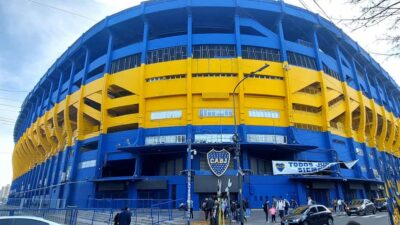
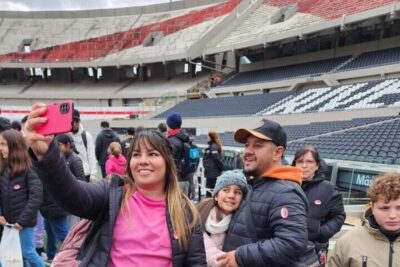
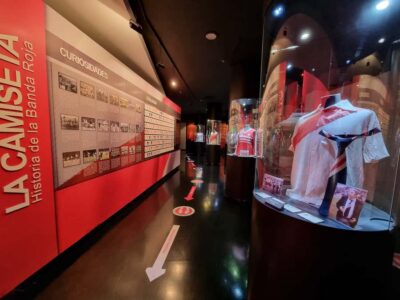
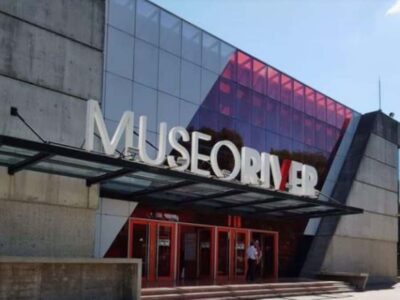
Boca Juniors and River Plate Stadium Tour + TOP Museum.
Read our review →
Shared Jewish Walking Tour – Visit Libertad Synagogue + Jewish Museum
Read our review →
Discover Underground Art Galleries in San Telmo!
Read our review →Browse the lists this tour appears in