
Reviewed · HORSE RIDING IN MENDOZA
6-Day Andes Crossing from Mendoza to Chile by Horse
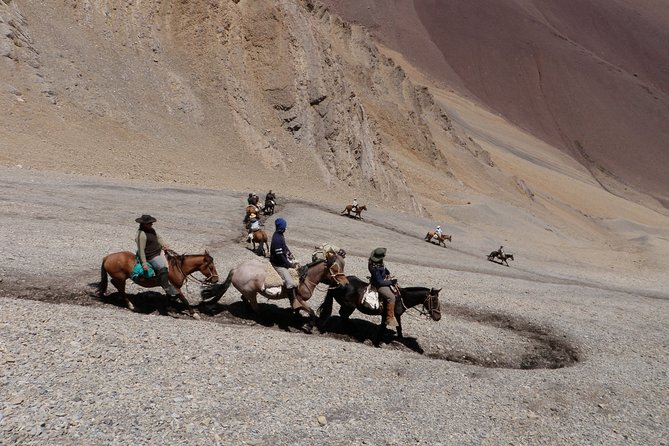
The Andes Crossing by horse from Mendoza to Chile is interesting because you do not just look at the mountains, you move through them. You start in the Uco Valley wine region, ride up to high passes, sleep at shelters and in tents, and end in Chile with a clean handoff to vehicles for the final leg. I especially love the small-group feel and the close-up horse-and-mule support that keeps the focus on the ride, not logistics.
Two other things I like a lot: the itinerary is built around real altitude and real recovery time, so the days feel demanding but not chaotic. And you also get a human side to the journey, from meeting muleteers to seeing gaucho rope skills up close. The main drawback to plan for is comfort. Expect basic camping conditions, and on at least one night the toilet setup can be more minimal than you might like, so bring a few personal extras.
Key Highlights You Will Care About
- Morning or afternoon departure, plus seating choices so you can match the ride to your travel day.
- Arrive in Mendoza the day before for equipment checks, so you start the real crossing prepared.
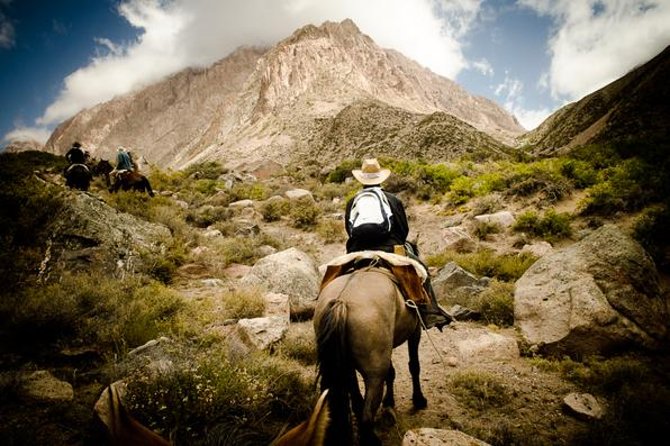
- Big-altitude riding with guided pacing including Portillo Argentino up to 4380 m and the Piuquenes step at 4030 m.
- Customs handled in the field with registration at the National Gendarmerie and a horse change at the border.
- Refugios, tents, and campfire nights with stories and songs from muleteers at least one evening.
- A strong guide team reputation, including Tim, Fabian, Gabriela, and equestrian guide David based on past trips, plus bilingual leadership.
Entering The Andes: What Makes This Horse Trek Special
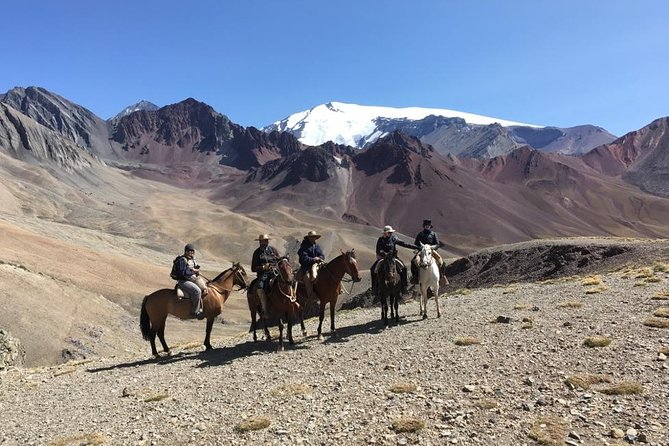
This is the kind of trip where you feel the Andes in your legs and on your breath. The route links Mendoza’s Uco Valley area to Chile through high passes, river valleys, and remote shelters. You are on a schedule, but it is still a mountain experience, with plenty of time for views, stops, and recovery.
I like that it is not an overly fancy tour. You get practical support, proper riding horses, and a pack horse system for your gear. That matters because when you cross big terrain, the route feels lighter if your load is managed well.
I also like the “you are doing this with people” factor. The itinerary builds in evening moments, like dinner and a bonfire at the refuge and songs and stories with muleteers during a night at Refugio Real de la Cruz. That is the stuff you remember later, long after the altitude numbers blur.
The family-friendly promise makes sense here too, as long as everyone is ready for saddle time and altitude. Couples also tend to love the romantic, campfire-and-stars vibe, especially when the group stays small.
More Horse Riding in Mendoza
- Mendoza: Sunset Horse Back Riding in the Mountains and BBQ
★ 4.9 · 515 reviews - Horseback riding and roast in the mountains of Mendoza
★ 5.0 · 356 reviews - Horseback riding at sunset
★ 5.0 · 115 reviews
Price and Value Check for $2,280
At $2,280 per person, you should judge value by what is wrapped into the experience. This is not just “horseback riding for six days.” You also get:
- Transfers in Mendoza and Santiago (pickup from any hotel in Mendoza City and surroundings, plus transfer to Santiago on day 6)
- One night hotel accommodation in Mendoza before the crossing begins
- One night in Cajón del Maipo (Chile) in a complex of cabins
- Professional bilingual guide and local muleteers (arrieros)
- Meals: breakfasts, box lunch, dinners (plus a welcome dinner)
- Mountain tents and a dining setup with table, chairs, and dinnerware service
- Strong riding horses and saddles, plus pack horse support
- Satellite phone and a first aid kit
When you add in guide time, support staff, horses, and the remote nature of the route, the price starts to make sense. The other good sign: this is frequently booked about 220 days in advance. That usually means people plan ahead and want the dates to line up.
First Day in Mendoza: Equipment Check, Uco Valley Driving, San Martín Museum
You will need to be in Mendoza a day before departure. That is not busywork. The trip runs on horses and careful timing, and the team needs to check your equipment. If you have not arranged lodging, they can help set up an extra night of accommodation and add the cost to the total rate.
On day 1, you meet the trip members, then drive about two hours to Manzano Histórico in the Uco Valley. This is a wine region southwest of Mendoza City. You are not spending time tasting wine here, but it gives you a sense of place and helps the trip start in a more grounded way.
Then you visit the museum in memory of the Liberator San Martín. It is a short cultural touch that anchors the adventure in Argentina, not just in mountain scenery.
After that, you head to Refugio Portinari, linked with the National Gendarmerie. This is where customs clearance and registration with the National Gendarmerie happen. Doing that early, in the right place, makes the crossing days less stressful.
You finish day 1 with dinner and a bonfire at the refuge. It is a calm start before the serious riding begins.
Practical note: plan your travel so you can arrive the day before without rushing. If you try to squeeze Mendoza into the same day as departure, you lose the built-in buffer that makes the trip smoother.
Day 2: Portillo Argentino to Refugio Real de la Cruz (The Long Saddle Day)
Day 2 is the climb and the payoff. After breakfast, you prep for the route with the horses. The day includes a push up Portillo Argentino, reaching 4380 m.
The way it is scheduled helps. There is around two hours uphill riding, then a long stretch of descending trail, about five more hours mostly downhill, into the valley of the Tunuyan River. Your destination is Refugio Real de la Cruz, a shelter used by adventurers, porters, and mountaineers, and owned by the Argentine Army.
This is the longest day on a horse, about eight hours total. You will feel it. The reward is huge: you ride with astonishing views of the Andes and a glimpse toward the Chile border.
At night, you sleep at the refuge and enjoy dinner. One of the best parts is what the itinerary builds in socially. During the night, you may get songs and stories from the muleteers and other travelers. That is not a “performer moment,” it is more like the mountain version of a camp conversation.
If you are the type who likes a challenge but hates confusion, this day is a good fit. The pace is clear: climb, then ride down into shelter.
A different sort of day out of Mendoza:
- All Day, Small Group, Luxury Wine Tour with Gourmet Lunch
★ 5.0 · 1,040 reviews - From Mendoza: 3 Wineries, Olive Oil Factory Tour & Tasting
★ 4.6 · 901 reviews - From Mendoza: High Andes Aconcagua Mountain Tour
★ 4.4 · 767 reviews - Mendoza: Half-Day Wine Tour with Tastings
★ 4.3 · 727 reviews
Day 3: Active Rest With Gaucho Skills and a Short Flora and Fauna Hike
Day 3 is called an active rest day, and it does the job. You decide how you want to spend it. You can stay near the shelter or take a short hike with your guide.
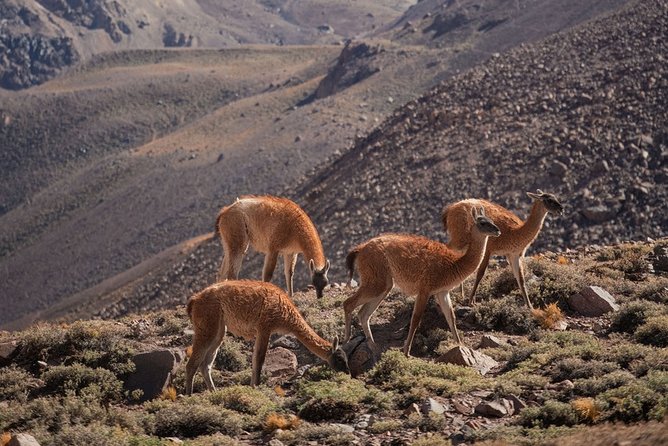
The hike focus is local: you get to see native flora and fauna with your guide. That makes it more than “stretch time.” It turns the rest day into a learning day.
After lunch, you get a demonstration of gaucho cowboy skills, specifically rope techniques like lazo and boleadoras. Even if you think you know what gauchos are, this kind of hands-on or close demonstration gives you a better picture of how these skills work in real life.
You end the day back at Refugio Real de la Cruz for dinner and overnight again. The second night at the same shelter is not random. It gives your body time to settle in, and it lets you enjoy the atmosphere without packing every morning.
Day 4: Tupungato Viewpoints, Palomares Stream, and Camp at Caletón
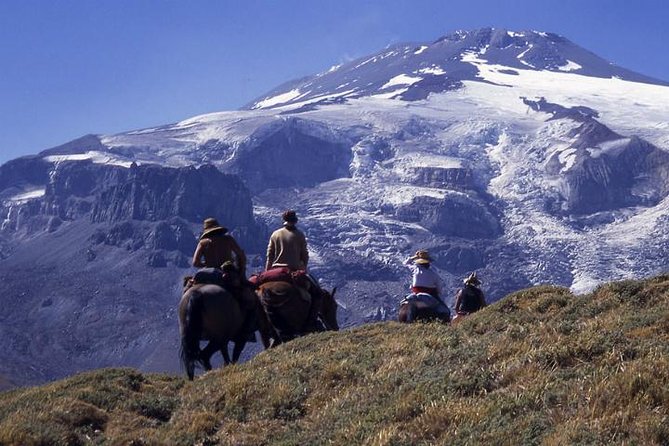
After breakfast, the team prepares horses and mules for the next big movement. The route continues via the Tunuyán river crossing, then you ride past excellent viewpoints of Mount Tupungato (6800 m). Even if you never see the full mountain in one frame, knowing it is there, looming above your path, changes how you perceive the day.
Next comes the Palomares stream, and you follow it upriver to the final campsite in Argentine territory, the Caletón.
This is a day where weather really matters. If conditions allow, you can enjoy a relaxing bath and what they call a beauty treatment in a stream with mineralized waters. That is exactly the kind of practical luxury you want after time on horseback.
Tonight is camp life: rest, night in tents, campfire time, and sleeping under stars. I like that the trip does not try to pretend camping is a hotel. It tells you what it is and then makes sure the experience still feels special.
Day 5: Piuquenes Step Border Crossing, Horse Swap, and Arrival at Cajón del Maipo
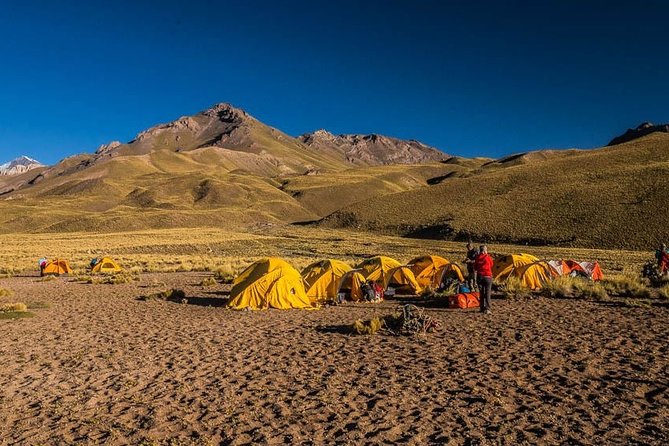
Day 5 is where the trip turns international in a very hands-on way. You ride toward the Argentine-Chile border and push up to the Piuquenes step at 4030 m, which is the boundary between the two countries.
Here is a key detail that affects your expectations: due to customs regulations, the horses can’t cross from one country to the other. At the international boundary you change horses. New Chilean horses and Chilean muleteers guides take over, and you ride down to the El Plomo river inside Chilean territory.
After you cross the river, private vehicles meet the group. Then you drive to Cajón del Maipo, specifically the Embalse del Yeso in San Gabriel.
The customs paperwork happens in Chile too, at the Police office. Once that is done, you get accommodation in a complex of cabins and a farewell dinner at a local restaurant.
This day is a good example of why the trip is worth its support team. Border crossings are where adventures can turn into stress. Here, the handoffs are planned, including horse swapping.
Day 6: Transfer to Santiago, End of Program, and Easy Extension Options
Day 6 is transfer day. You move to Santiago and the program ends there. If you want to add time in Argentina, there is an optional transfer back to Mendoza, but you need to contact the team to discuss it.
I like that they end the trip cleanly. Six days on a horse is a lot, and you get an off-ramp where you can switch gears to city time without more overnight packing.
If you want a practical next step, plan your Santiago arrival based on the end of the program. You will be tired, so keep your first evening low-key.
Comfort, Toilets, and What to Expect in Camp
This is where I will be straight with you. Camping is part of the deal. You get mountain tents and a dining setup, but it is still a remote setting.
One past traveler noted the toilet facilities were more minimal than they expected and mentioned an issue with the amount of toilet paper around the camping spaces. That tells me two things for your preparation.
First, do not assume you will have everything you need in the campsite facilities. Second, bring a small personal kit you can control. Think headlamp, a spare layer you can reach fast, and a few basic comfort items.
The other comfort angle is gear comfort. The list is specific for a reason: you are at high altitude and you will get wind and cold. Plan for layers, warm gloves, trekking boots with grip, and proper eyewear.
You also need moderate physical fitness. If you can handle long walks and steep hikes, you are already closer than you think, but saddle time adds a new muscle load.
What to Pack: Gear That Matches This Altitude Route
The tour gives you a clear gear list. Use it. It includes clothing meant for cold, wind, and dry conditions:
- Long sleeve shirts, fleece, and windproof jackets with a hood
- Down jacket
- Wool gloves and liner gloves
- Hat or cap and a fleece hat
- Trekking pants and windproof Gore-Tex pants
- Polypropylene or capeline base layers for underwear
- Trekking boots, Gore-Tex models recommended, plus gaiters
For the mind-friendly stuff that saves time in camp:
- Glacier glasses with side coverage for high UV
- Headlamp
- Sleeping bag
- Hiking poles
- Sunscreen and lip balm
- Water bottles
- Large backpack plus a personal hygiene kit and personal first-aid kit
- Camera batteries
I also recommend you pack so you can access the essentials without digging through everything. With horses and tents, you will want quick grab items.
The Role of Guides and Muleteers: Where the Trip Actually Gets Better
This kind of trek lives or dies on the team. Your guides coordinate the route, the riding pacing, and the practical details like customs steps and horse logistics.
Past comments highlight guides like Tim and Fabian for attentive, capable leadership, plus Gabriela for detailed explanations. There is also praise for equestrian guide David, with a focus on connecting riders to nature through the horses, the route, and even the barbecue moment.
You also get an expert network of local arrieros and muleteers. That matters because they understand the terrain and how to keep the animals and riders aligned. When you see how the team communicates with each other, the experience feels calmer.
There is another subtle but important point in past praise: acclimatization is handled carefully. You are climbing high, and you feel it. Good pacing and planning helps your body do its job.
Best For Who: Couples, Families, and First-Time Riders
This trek fits different traveler types for specific reasons.
- Couples: It is romantic in a grounded way. Campfires, stars, shared meals, and the shared challenge make it feel intimate.
- Families: The trip calls itself family-friendly. Still, check the minimum age of 18 and make sure everyone can ride for long stretches and handle altitude.
- First-time horseback adventurers: If you are nervous about getting lost or overwhelmed, you will appreciate the strong guide structure and pack horse support.
It is not a good match if you want a soft, hotel-level comfort experience every night. It is also not ideal if you get anxious about outdoor conditions. Bring the right gear and expect basic camp life.
Should You Book This Andes Crossing?
If your goal is a real mountain crossing that combines Andes altitude with practical support, I think this is a strong choice. The big reasons to say yes are the structured pacing, the care around customs and border logistics, and the way the team brings culture and stories into the evenings.
Before you book, be honest about two things. One, you need moderate physical fitness and comfort riding a horse for long days. Two, camp comfort is basic, including toilet facilities. If you pack smart and come ready for that reality, the tradeoff is huge: you get unforgettable high-altitude days and a route that feels alive, not staged.
If you want to experience the Andes in motion, on horseback, with an organized team and real handoffs at the border, this is the kind of trip you will talk about long after the photos.
FAQ
What is the trip duration and starting time?
The trip runs for about 6 days and starts at 8:30 am, with meeting and pickup arranged in Mendoza.
Do I need to arrive in Mendoza the day before?
Yes. You need to arrive the day before departure so the team can check your equipment. The team can also help arrange an extra night of accommodation in Mendoza if needed.
Is pickup included?
Yes. Transfers in Mendoza and Santiago are included, with pickup offered from any hotel in Mendoza City and its surroundings.
What is the physical level required?
A moderate physical fitness level is required. You should expect long riding days and altitude.
What about passports and border rules?
A current valid passport is required. You will also need to provide passport details at booking. Customs paperwork is done during the trip, and horses cannot cross the border, so you will change horses at the boundary.
How do meals work?
Meals are included, including breakfast, box lunch, and dinner. A welcome dinner is also included.
Is there a vegetarian option?
Yes. A vegetarian option is available if you advise the team at the time of booking.
What kind of lodging do I get each night?
You get one night in a hotel in Mendoza, then nights at mountain shelters and in mountain tents, and one night in a cabin complex at Cajón del Maipo in Chile.
Do I need travel insurance?
Travel insurance is not included. Rescue costs or hospitalization and medical costs are also not included.
Who is eligible to join?
The minimum age is 18 years, and you will need to complete a health questionnaire prior to the tour.
Recently reviewed around Mendoza
- Horseback riding at sunset in the Andes★ 5.0 · 3 reviews
- Guided Fly Fishing Tour in Estancia La Carrera★ 5.0 · 3 reviews
- Maipu Wine Tour: 3 Wineries and Olive Oil Factory★ 5.0 · 3 reviews
- Atamisque Winery + Lunch in Ruda Cocina. Private transportation★ 5.0 · 3 reviews
- Private Andes High Mountain tour – lunch with wines★ 5.0 · 3 reviews
- Mendoza Horse Andes Horseback Adventure with BBQ Lunch★ 3.5 · 3 reviews
- Wine Icons: Meet the sparkling world of Chandon★ 5.0 · 3 reviews
- Traditional Aconcagua Mountain Tour★ 4.5 · 3 reviews
Horse Riding in Mendoza, compared.
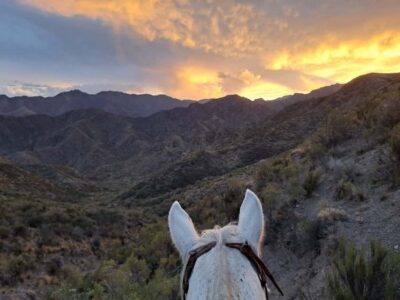
Sunset Horse Back Riding in the Mountains and BBQ
Read our review →
Horseback riding and roast in the mountains of Mendoza
Read our review →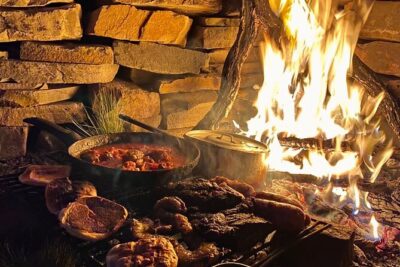
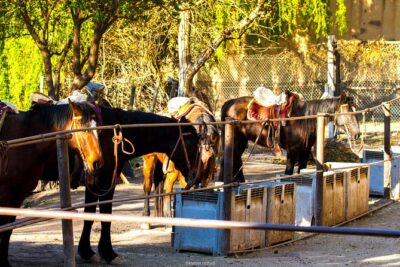
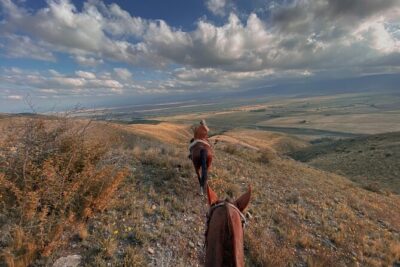
Horseback riding and barbecue in a private ranch – La Carrera, Mendoza
Read our review →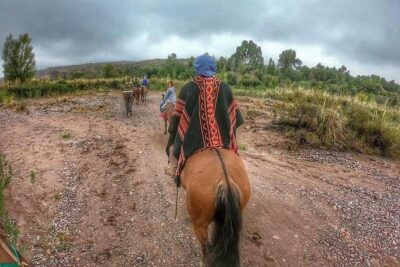
Horseback ride through vineyards followed by gourmet lunch
Read our review →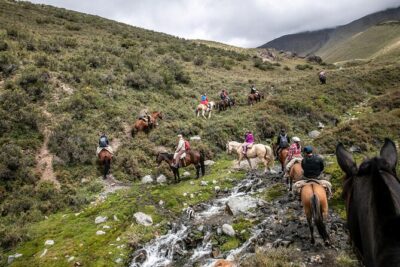
Horseback Riding in the Andes, gaucho experience & BBQ
Read our review →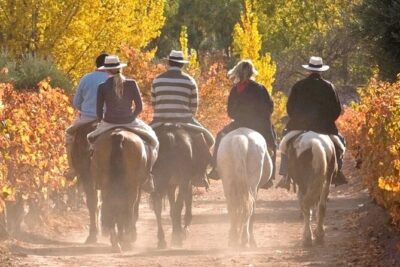
Horseback Riding in Mendoza through the vineyards and river with optional Asado.
Read our review →Browse the lists this tour appears in