
Reviewed · MENDOZA TOURS
Travel Mendoza Argentina to or from Santiago, Chile
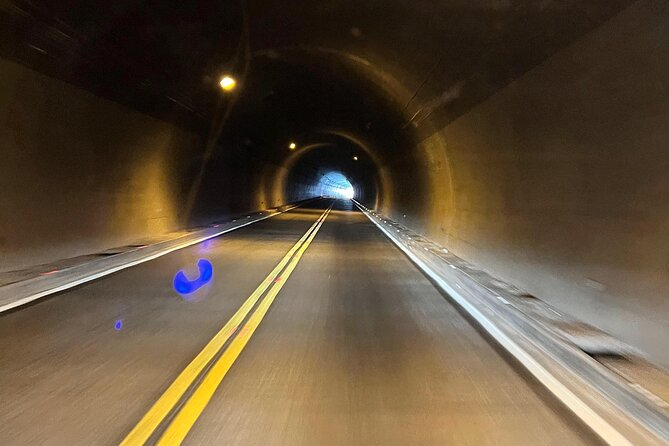
This trip is interesting because it turns a simple road crossing into a border-hopping mini tour. You’re traveling Mendoza to Santiago through a 3 km international tunnel that links the Atlantic and Pacific, then stacking in major mountain stops on the way.
I really like the private setup. It’s up to 2 people per group, with pickup offered and a driver who has a strong reputation for being on time, communicative, and comfortable-focused. I also like that you get planned sights, not just highway miles, including the Mirador del Cerro Aconcagua area and Puente del Inca.
One consideration: there’s no restroom on board, and in winter the driving hours are often limited to daytime, with timing shifts depending on weather. Plan your pace, water, and comfort accordingly.
Key things that make this Mendoza to Santiago drive worth your time
- 3 km tunnel crossing that connects the Atlantic and Pacific, making the border part of the sightseeing
- Scenic stops like Uspallata, Puente del Inca, and Aconcagua viewpoint areas
- Cerro Aconcagua perspective at the 6,961 m scale (yes, it’s the big one)
- A must-stop on the Chile snails route, adding a local-food moment to the drive
- River and abandoned train tracks vibe, with the route running alongside water and old rail charm
- Driver attention and English highlighted in past experiences, plus easy coordination by WhatsApp
The Atlantic-to-Pacific Tunnel, and Why That Changes the Mood
Most border crossings feel like paperwork and waiting. This one feels like a traveling day that has a story.
You’ll drive Mendoza to Santiago, and one of the headline moments is a 3 km long tunnel that links the two countries. That’s not a minor detail, it’s a built-in “we’re really doing this” moment. It’s the kind of crossing that breaks up the monotony of a long drive and gives you something memorable even before you hit the viewpoints.
It also helps set expectations: this isn’t only transportation. It’s transportation with sight stops, mountain-road scenery, and a few hands-on moments that make the border day feel earned.
If you like travel days that have purpose, you’ll probably enjoy the flow.
A few more Mendoza days worth comparing
- All Day, Small Group, Luxury Wine Tour with Gourmet Lunch
★ 5.0 · 1,040 reviews - From Mendoza: 3 Wineries, Olive Oil Factory Tour & Tasting
★ 4.6 · 901 reviews - From Mendoza: High Andes Aconcagua Mountain Tour
★ 4.4 · 767 reviews
Pickup Setup, Mobile Tickets, and Your Passport Reminder
You’ll start with pickup offered, and the meeting point is coordinated through WhatsApp. The basic idea is simple: you tell them where you are, you stay connected, and you get picked up without the usual last-minute chaos.
You also need to know the most important paperwork piece for this route: you must use a passport. Don’t show up with just a card or a photo. For an international drive like this, passport readiness is the difference between smooth travel and stressful reroutes.
The tour uses mobile tickets, so you’ll want your phone charged and your ticket ready to show. That means less fumbling in the car and fewer “where is it?” moments.
One more small thing that matters for your day: confirmation comes at booking time, so you can line up your schedule with more confidence.
How Long It Really Takes: 380 km, 5 Hours of Driving, Then Customs
On paper, it’s straightforward: Mendoza to Santiago is about 380 km, roughly 5 hours of driving, plus customs time. In real life, customs is the swing factor.
Your total duration is listed as about 1 to 7 hours depending on timing. That wide range is your hint that border processing and day conditions matter. If you’re trying to catch a same-day flight in Santiago, build in a buffer or you may end up racing.
Also note the winter reality: movement hours are usually restricted to daytime, and schedules can change with weather. In winter, roads and border procedures can tighten up, and that can affect your pickup and stop order.
If you’re a “tight schedule” traveler, consider making Santiago plans that can bend a little.
Uspallata Stop: A Mountain-Road Break That Feels Local
Uspallata is one of the tourist areas built into the route. You’re not just passing through a name on a map. This stop is there so you can break the drive with a real sense of the region.
Why I like stops like this on long crossings: they give you a chance to stretch without turning the day into a sightseeing marathon. You can step out, look around, and reset before the bigger mountain moments.
There isn’t a detailed minute-by-minute description here, so treat it as a flexible roadside sightseeing break. The practical move is to use the stop for small tasks that make the rest of the journey easier: quick photos, a short walk, and any snack or water top-up you want, since there’s no restroom on board later.
A different sort of day out of Mendoza:
- Mendoza: Half-Day Wine Tour with Tastings
★ 4.3 · 727 reviews - Half Day Winery Tour
★ 4.5 · 533 reviews - Mendoza: Sunset Horse Back Riding in the Mountains and BBQ
★ 4.9 · 515 reviews - Malbec Experience in Bodega Tierras Altas
★ 5.0 · 440 reviews
Puente del Inca: When the Road Meets the Dramatic
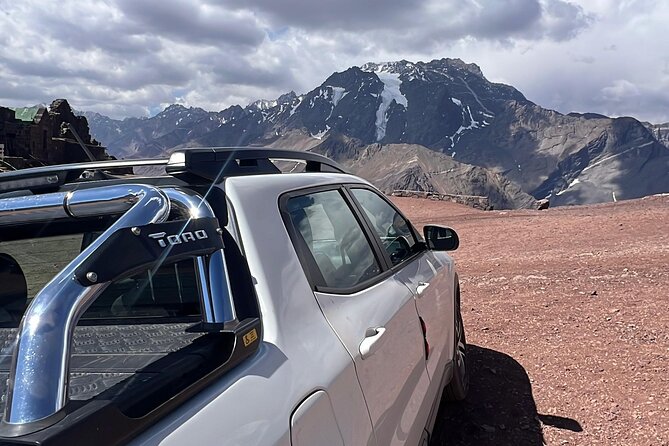
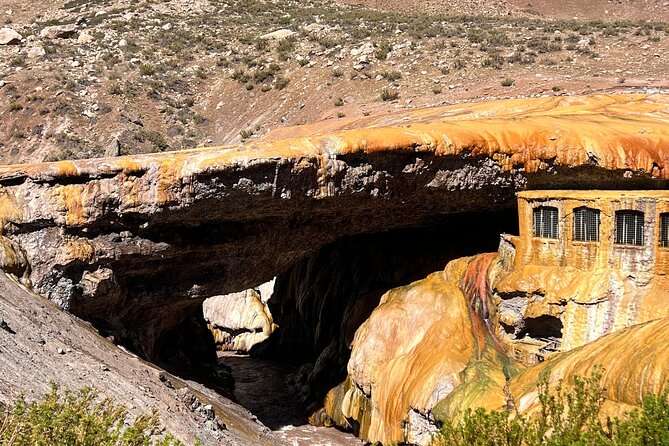
Puente del Inca is another key stop on the drive. The name alone hints that you’re not in plain travel territory anymore. This is part of the mountain corridor where the scenery starts doing more than just looking pretty.
This is the kind of stop that works well in a group setting, because you can take in the view at your pace while the driver keeps the day on track. For you, the payoff is twofold:
1) you get a meaningful break
2) you don’t have to plan where to pull over yourself
One more practical point. Mountain-area stops can feel colder or windier than the city. Dress in layers. Even if the rest of your day is warm, you’ll want options.
Mirador del Cerro Aconcagua: Getting the Scale Right
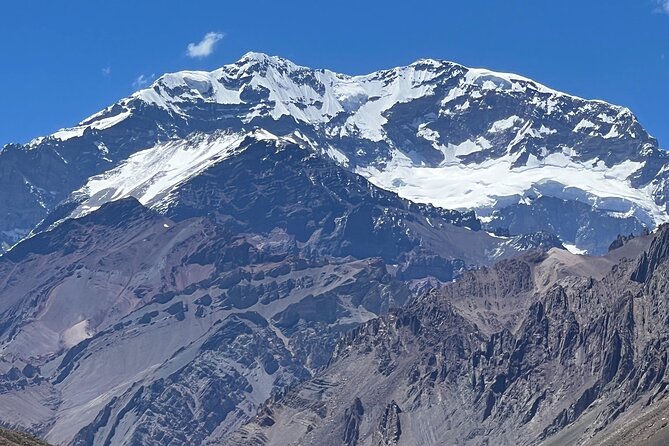
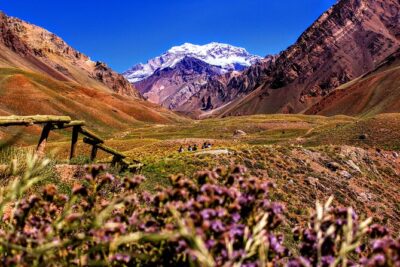
This is a standout part of the route: the Mirador del Cerro Aconcagua area. You’re looking at a mountain that tops out at 6,961 meters, and it’s described as the highest mountain in all of America.
Even if you’ve seen big mountains before, it’s worth treating this as a “scale shock” moment. At that elevation, the mind tends to think in postcards. In person, it’s more about the mass and the way the area looks built for extremes.
What’s valuable about having this stop included: you don’t need to research viewpoints, figure out timing, or worry about parking. A good driver and a planned stop mean you get the moment without the stress.
A drawback you should consider: if the weather is poor, viewpoints can be less satisfying. You might still stop, but visibility can change. In winter especially, conditions can shift, and your day may follow daylight windows.
The River, the Old Tracks, and That Quiet “In Between” Feeling
This route has a specific travel texture. The description you’re working with says the river accompanies the international route, and the other side features abandoned train tracks that were left behind in the nineties.
That detail matters. It turns the drive into something more than a corridor. You’re watching a landscape that carries history, even in places where the trains stopped running.
For you, the practical advantage is mental. When a long drive includes meaningful scenery beats, you feel less trapped in a vehicle. You’re not just counting minutes. You’re watching the route change.
If you’re into photography, this is where you’ll want your phone or camera accessible. Pulling it out at the right time can make a huge difference, especially when the river runs alongside the road and the light is changing.
Chile Side Highlight: The Snails Route Stop
On the Chile side, there’s a must stop on the route of the snails. That’s a fun and oddly memorable inclusion, and it also gives your journey a local touch that goes beyond scenery.
Food-focused stops on a transit day can help you avoid the most common travel mistake: getting to your next destination hungry, cranky, and running on vending-machine logic.
Since meals are not included, this type of stop is one way to break the “eat later” plan. Even if you don’t go all-in on a snack, the stop gives you a chance to buy something simple and keep energy steady.
Because we don’t have more specifics on what’s available there, treat this as a chance to sample something local or pick up a quick bite if you want.
Private Transportation Value: What You’re Paying For (and Why It Can Be Worth It)
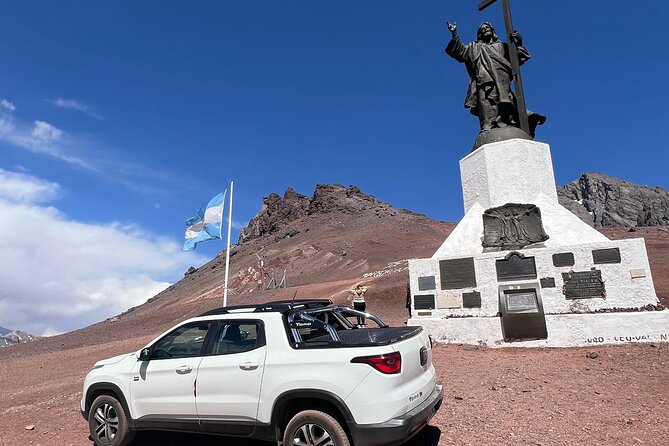
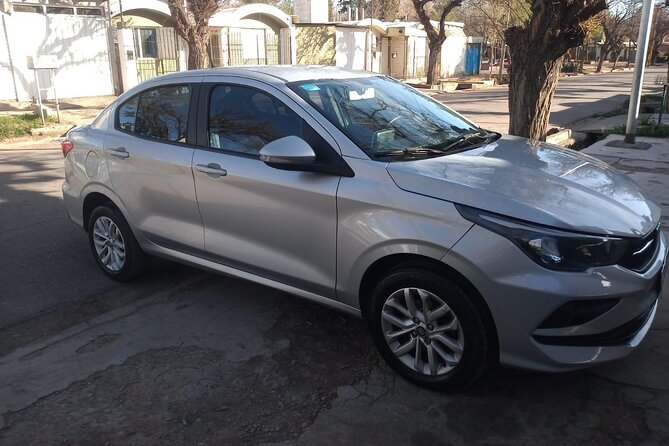
The price is $690 per group (up to 2). That sounds like a lot if you’re comparing it to public buses or shared shuttles. But you’re also paying for a different kind of experience.
Here’s what you’re buying:
- Private transportation, meaning you’re not stuck waiting for other schedules
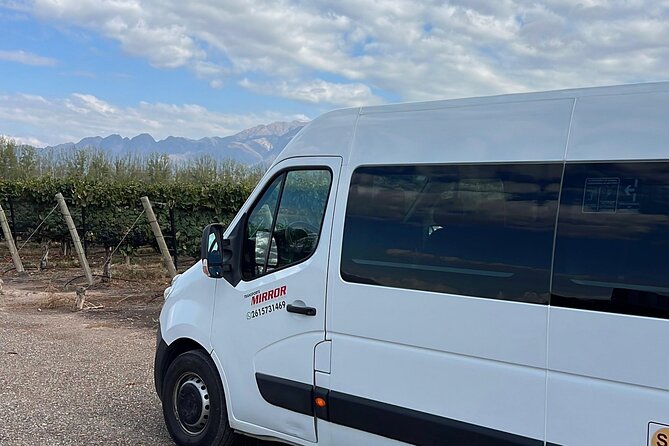
- Air-conditioned vehicle, which matters in mountain regions where conditions can shift
- Bottled water, a small comfort that saves you later
- A driver who has been praised for being on time, friendly, and clear in English
That last point matters more than people think. When you’re doing an international crossing, communication reduces friction. You get fewer surprises and better pacing.
In past experiences tied to this provider, guides have been noted for being excellent communicators and speaking excellent English, plus maintaining a calm, friendly vibe. If you’re traveling with limited Spanish, that’s a real quality-of-life upgrade.
Now the part to be honest about: meals are not included, and there’s no restroom on board. So you’ll want to plan your breaks and snacks like an adult who values comfort.
Driver Quality: The Real “Make or Break” Factor
One of the most praised aspects of this experience is the driver. In reviews connected to the same service style, drivers like Mauricio (sometimes written as Mauritius) come up as a big reason people felt taken care of.
What that usually means for your day:
- You’re picked up smoothly and you aren’t guessing
- You get clear updates, not vague timing
- You can ask questions and get straight answers
One review specifically called out that Mauricio speaks excellent English and keeps things smooth and on time. If you prefer to understand what’s happening, that’s a big value add.
Also, the tone in those comments is consistent: friendly, smiling, and focused on your comfort. That matters because long drives can get tiring. A driver who keeps the day calm makes the road feel shorter.
Best Fit: Who This Route Suits, and Who Might Prefer Something Else
This experience is best for you if you want:
- A private, no-stress crossing between Mendoza and Santiago
- Scenic breaks at Uspallata, Puente del Inca, and an Aconcagua viewpoint area
- A local touch with the snails route stop
- A driver who handles communication well, especially if English is your comfort zone
It might not be ideal if you:
- Need a restroom on board, because there isn’t one
- Have very tight timing for flights or appointments due to customs and potential winter schedule changes
- Want a super-fast, minimal-stop transfer, because this is built to be more of a touring drive
Most travelers can participate, and service animals are allowed. So it’s fairly flexible for different needs, as long as you’re good with the basic vehicle and comfort setup.
Should You Book This Mendoza to Santiago Drive?
I’d book it if you like your transit days to have meaning. The mix of a 3 km tunnel crossing, mountain stops tied to the Aconcagua corridor, and the quirky local stop on the Chile side gives you a full day that feels more like a journey than a chore.
If you’re the type who hates waiting and wants clear communication, the private format and strong driver reputation are exactly what you’ll appreciate. WhatsApp coordination plus pickup planning helps you get your bearings fast.
Just go in prepared. Bring a snack plan, dress for changing mountain weather, and remember: no restroom on board. If you can work with that, you’ll likely end up feeling like your Mendoza to Santiago travel day was actually worth the effort.
FAQ
How long is the Mendoza to Santiago trip?
The drive is about 5 hours for the 380 km route, plus customs time. The total duration is listed as approximately 1 to 7 hours, depending on timing.
Is there pickup included?
Yes. Pickup is offered, and you coordinate your exact pickup spot through WhatsApp.
What documents do I need?
A passport is required for this trip.
What sights are included on the route?
Stops can include Uspallata, Puente del Inca, the Mirador del Cerro Aconcagua area, and a must stop on the Chile side on the snails route. The trip also travels along a river corridor and near abandoned train tracks.
Is the vehicle air-conditioned?
Yes. The transportation includes an air-conditioned vehicle.
Are meals included?
No. Meals are not included.
Is there a restroom on board?
No. There is no restroom on board.
Is bottled water included?
Yes. Bottled water is included.
What if I’m traveling in winter?
In winter, movement hours are usually restricted to daytime hours and timing can change depending on weather conditions.
Recently reviewed around Mendoza
- Horseback riding at sunset in the Andes★ 5.0 · 3 reviews
- Guided Fly Fishing Tour in Estancia La Carrera★ 5.0 · 3 reviews
- Maipu Wine Tour: 3 Wineries and Olive Oil Factory★ 5.0 · 3 reviews
- Atamisque Winery + Lunch in Ruda Cocina. Private transportation★ 5.0 · 3 reviews
- Private Andes High Mountain tour – lunch with wines★ 5.0 · 3 reviews
- Mendoza Horse Andes Horseback Adventure with BBQ Lunch★ 3.5 · 3 reviews
- Wine Icons: Meet the sparkling world of Chandon★ 5.0 · 3 reviews
- Traditional Aconcagua Mountain Tour★ 4.5 · 3 reviews
Mendoza Tours, compared.
All Day, Small Group, Luxury Wine Tour with Gourmet Lunch
Read our review →
Sunset Horse Back Riding in the Mountains and BBQ
Read our review →
Tour Aconcagua Park in Small Group from Mendoza with Barbecue Lunch
Read our review →Browse the lists this tour appears in