
Reviewed · BARILOCHE TOURS
Bariloche: Cerro Tronador and Ventisquero Negro Tour
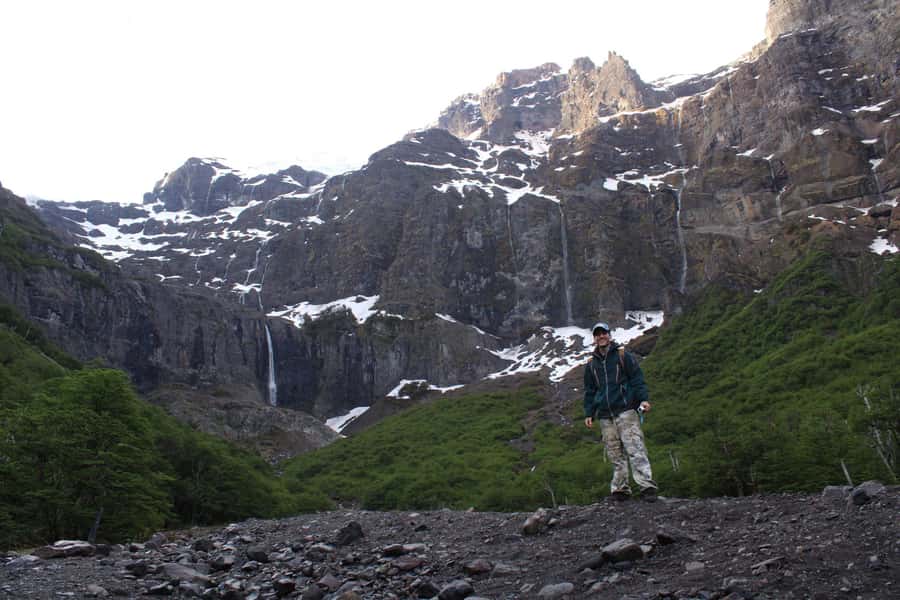
Cerro Tronador and Ventisquero Negro is a great choice if you want Patagonian scale in one packed day, with big glacier sights plus classic lakeside stops. The mountain itself has a cool story too, its name in Mapuche coming from the frequent noise made by ice.
I particularly like the drive through Nahuel Huapi National Park, because you get constant scenic breaks without having to plan anything. I also love the glacier moment at Ventisquero Negro, where you can see ice and the lagoon created by melting.
The main drawback to consider is the weather. This is an all-day outing in a mountain region, so you should expect cold wind, changing skies, and limited flexibility if conditions are rough.
Key Highlights You Should Know Before You Go
- Nahuel Huapi National Park scenic drive: lots of curvy-road views, not just one photo stop.
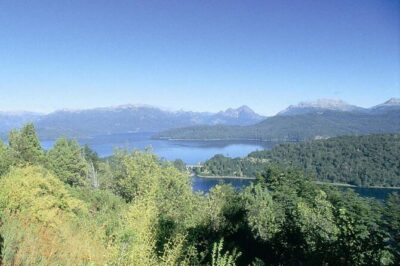
- Lake Gutierrez and Lake Mascardi: different colors depending on the sunlight.
- Cerro Tronador views: the Argentina-Chile border feeling, plus eternal snow up close.
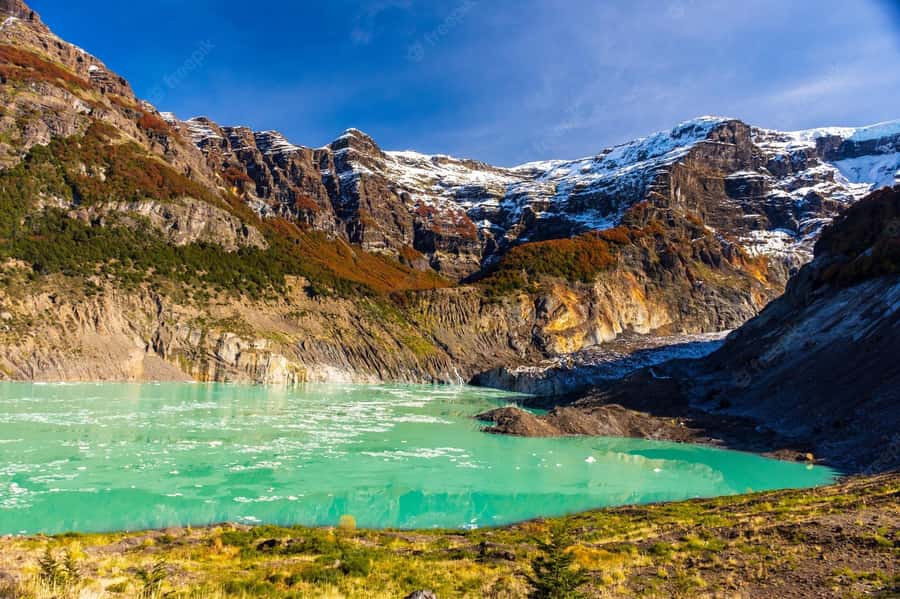
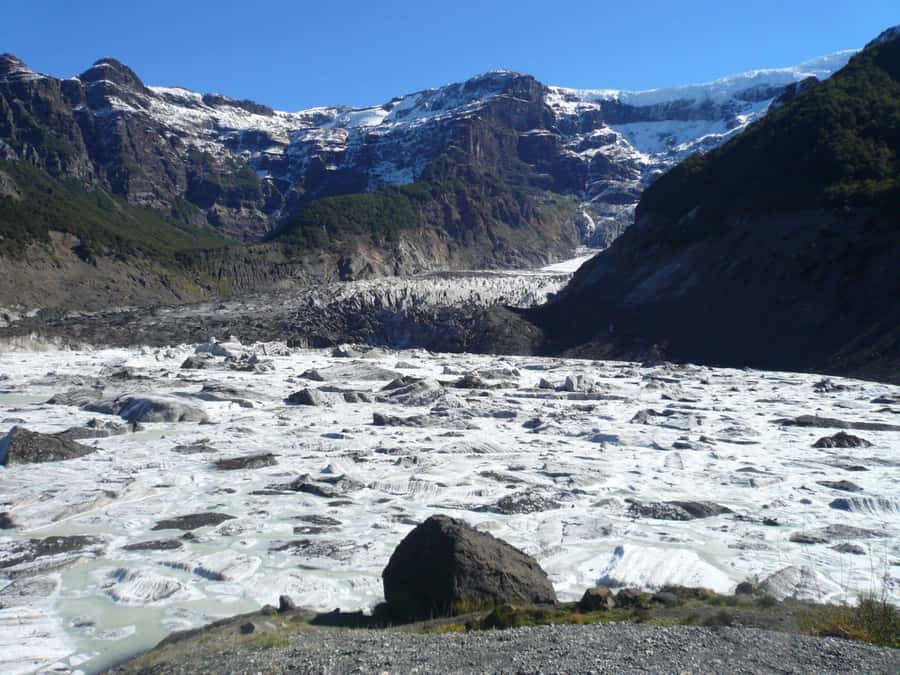
- Ventisquero Negro glacier lagoon: ice melting into a visible, moving water scene.
- Mirador de la Isla Corazón rapids: an easy viewpoint that adds variety beyond lakes and ice.
- Pampa Linda and Playa Negra: quick stops that keep the day interesting between the big sights.
Why Cerro Tronador Feels Worth a Full 8 Hours
This tour works because it’s not just a single destination day. You’re out for about 8 hours, and that time is used to string together lakes, viewpoints, and then the glacier. That pacing matters, because you get the feeling of moving through Patagonia, not only arriving at one scenic pull-off.
The star is Cerro Tronador and its glacier ice, Ventisquero Negro. Cerro Tronador is described as a border between Argentina and Chile and is the highest peak in this Patagonian section of the Nahuel Huapi National Park. And the name comes from Mapuche, tied to the frequent noise produced by the ice. That context makes your first big glacier views more than a postcard moment.
You’ll also notice this is a day built for seeing, not hiking for hours. You still need comfortable shoes, but the stops are set up for short breaks and viewpoint time, so the experience is realistic for a typical day-trip schedule.
A few more Bariloche days worth comparing
- Bariloche: 7 Lakes & San Martin de Los Andes Road Trip
★ 4.5 · 624 reviews - German Footprint & Nazi presence – Walking Tour in Bariloche
★ 5.0 · 337 reviews - Bariloche: Circuito Chico with optional Cerro Catedral
★ 4.5 · 316 reviews
Getting There: Route 40 and the Nahuel Huapi National Park Views
You start by leaving Bariloche and heading south via Route 40, with Lake Gutierrez along the way. Even before you reach the mountain, the scenery changes in a satisfying way. You’ll also see Cerro Ventana and Cerro Catedral from the road, which helps build the “where am I right now” feeling as you travel deeper into the park area.
Once you reach the entrance of Nahuel Huapi National Park, the drive becomes curvier and more “mountain-road” than city-road. The route is meant to give you regular windows and short pauses, so you can actually use your camera without feeling like you’re always racing to get the next angle.
You’re traveling by bus, and you’re not alone, so plan to bring a layer you can handle in motion. Cold air can hit hard in Patagonia, even when the sun looks friendly.
Lake Gutierrez and Lake Mascardi: Color Changes You Can Actually See
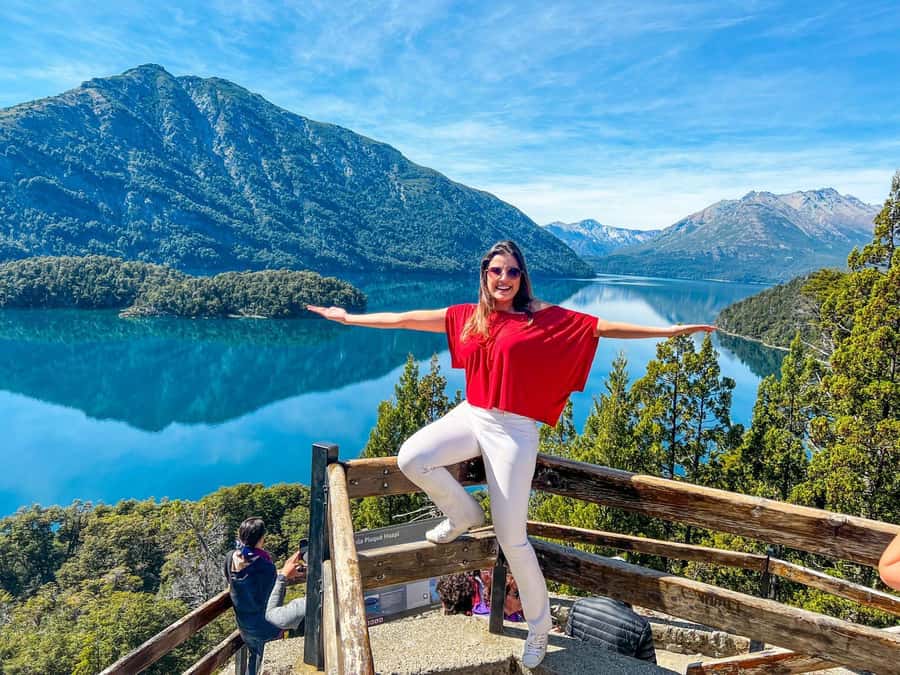
One of my favorite parts of this type of trip is when the lakes aren’t just scenic backdrops. Lake Gutierrez and Lake Mascardi can look dramatically different depending on the light, and that means your photos will look different even if you arrive at the same spot at different times. The tour specifically notes Mascardi for its variety of colors based on sunlight, which is exactly the kind of detail that helps you know what to look for.
You’ll make short stops, which is good news if you prefer quick viewpoint time over long walks. The downside is that you won’t linger long enough to “hunt” for the perfect light, so come with the mindset that you’re capturing what you get today, then enjoying the next stop.
The park vegetation also comes into the picture. You’ll pass through areas with coihues and caña colihues, which gives the scene more texture than just water and snow. It’s a reminder you’re seeing an ecosystem, not only postcard scenery.
Playa Negra and the Rapids at Isla Corazón: A Break from the Glacier Focus
After the lake segments, the day adds variety with shoreline and water energy stops. Playa Negra is one of the planned breaks, and even without a long description, the name already hints at the contrast you’ll notice when you’re near darker sands or rock tones against the bright Patagonian sky.
Then you head to the rapids viewpoint at Mirador de la Isla Corazón. This is the kind of stop that adds movement to the day. Instead of just looking at still water and distant snow, you get a scene where water is doing something now, which helps reset your eyes after the lakes.
You’ll also stop at Pampa Linda. Think of Pampa Linda as part viewpoint, part “stretch your legs and take another view” moment. These mid-day stops matter because the big glacier viewing is later, and you don’t want the whole day to feel like one long wait.
Bring your camera here too, but keep your expectations realistic. These are viewpoint stops, not a guided photo workshop, so get the shot, then enjoy the view without stress.
A different sort of day out of Bariloche:
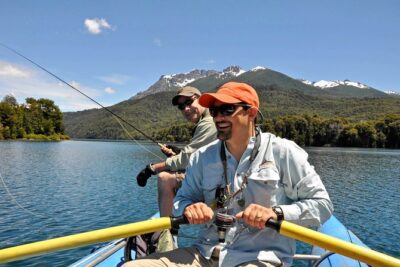
- Fly Fishing Bariloche
★ 5.0 · 305 reviews - Bariloche: German Immigration and History Walking Tour
★ 4.8 · 169 reviews - San Martín de los Andes por 7 Lagos
★ 4.4 · 155 reviews - Circuito Chico
★ 4.5 · 146 reviews
First Glimpse of Tronador: Why the Name Matters When You See It
As you approach the glacier plain, you get the first big view of Mount Tronador. This is the moment when the day clicks from “scenery drive” into “real mountain presence.”
The tour notes that Tronador comes from Mapuche, tied to the frequent noise produced by the ice. You probably won’t hear it like a legend in the middle of a loud parking stop, but knowing the story changes how you interpret the ice and snow you’re seeing. It also frames why this mountain is treated with reverence in the region.
Cerro Tronador serves as the border between Argentina and Chile, and it’s described as the highest peak in the Patagonian region for this mountain range sector inside Nahuel Huapi National Park. When you’re standing near the base viewpoint areas, it helps to remember: you’re not just looking at a mountain, you’re looking at a physical feature that divides countries and defines the local geography.
Ventisquero Negro Glacier and the Ice-Melt Lagoon Moment
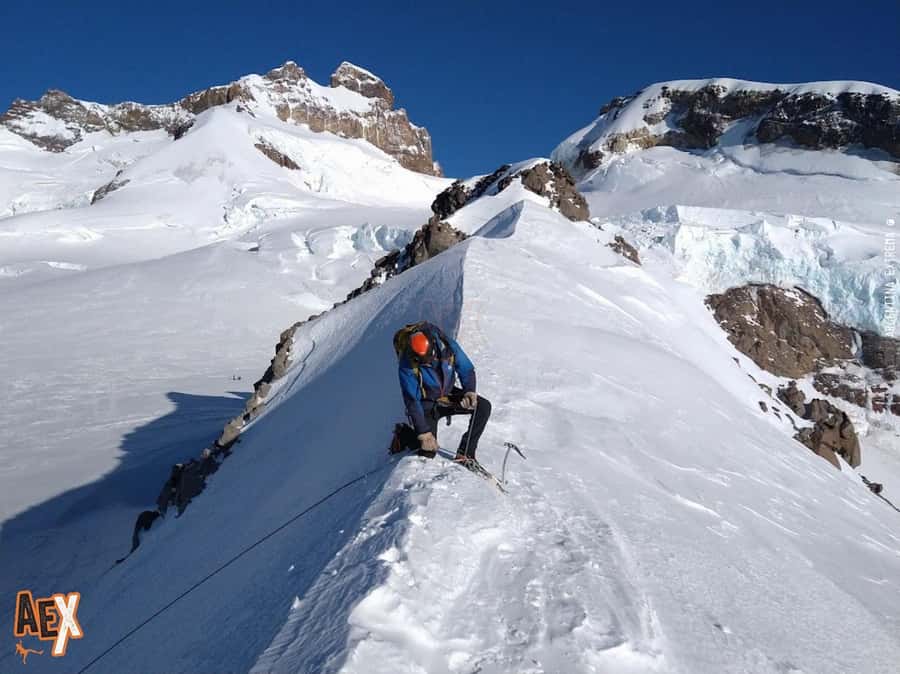
This is the part you came for: the Ventisquero Negro glacier and the lagoon formed by melting ice. The tour’s description is very specific here, and that specificity is useful for setting expectations.
You’ll reach a glacier plain and get your first views, then later appreciate the eternal snow on the summit, the glacial ice called Ventisquero Negro, and the lagoon created by melt. That combination is powerful because it links the “frozen” part and the “active” part. You’re not only seeing ice, you’re seeing what ice becomes as it melts.
What I’d recommend is slowing down during this section, even if it feels busy with buses and other groups. The glacier is the kind of sight that rewards looking longer than one quick photo. Try to capture a few angles: a wide shot showing the mountain context, then a closer shot showing how the lagoon looks against the ice and rock.
This is also where warm layers really matter. Glacier areas can feel windier than you expect, and the cold can become more noticeable once you stop moving and start looking.
Timing, Weather, and Foot Comfort in Patagonia
This tour is built around a full day, with driving plus multiple short stops. That means timing can feel tight if you arrive without a plan for personal comfort. You’ll be in transit most of the day, so dress for cold and wind rather than for comfort only at noon.
The practical advice is straightforward:
- Wear comfortable walking shoes. Even if you’re not doing long hikes, you’ll be standing and walking around viewpoints.
- Bring warm clothing. Layers help because you may warm up on the bus and then cool down quickly outdoors.
- Sunscreen matters. Even in cold weather, the sun at higher elevation can be strong.
- Bring water and snacks if you need a buffer. The tour data specifically recommends this, and it makes the day easier.
Weather is the one variable you should treat as normal. The tour notes you should be prepared for changes in weather conditions. If clouds roll in, glacier visibility can drop. If sun comes out, lakes can pop with color and glacier contrasts can sharpen. You can’t control that, but you can control how ready you are.
Also note who this trip may not suit. It is listed as not suitable for pregnant women, people with mobility impairments, and people with heart problems. That doesn’t mean it’s unsafe for everyone, but it does mean the day involves driving, outdoors time, and cold exposure that may not fit every body.
Price and Value: Is $130 for 8 Hours a Good Deal?
At $130 per person, you’re paying for an all-day bus tour plus a professional Spanish guide and multiple scenic viewpoints. Included transport by bus plus guided stops is a big value driver in Patagonia, where distances are long and parking, routing, and timing are exactly what can make a self-drive day feel exhausting.
What’s not included is important: entrance fees to Nahuel Huapi National Park. If you’re trying to budget tightly, plan for that as an extra cost. Even with that, the overall value can still be strong because the tour organizes the route and keeps you from juggling separate tickets and complicated timing.
The cost is easier to justify if your priority is maximum variety in one day. If you mainly want a glacier only, you might compare with shorter options. But if you want glacier views plus lakes, rapids, and viewpoints like Mirador de la Isla Corazón and Pampa Linda, this is the kind of day plan that makes sense.
Who This Tour Suits Best (and Who Should Skip It)
This is a strong fit for you if you want:
- Big glacier scenery without a major multi-hour hike
- A full-day outing that uses the drive itself as part of the experience
- Spanish-guided context while you’re seeing Cerro Tronador, Ventisquero Negro, and the park lakes
It may not be ideal if you:
- Have mobility limitations that make outdoor walking and standing difficult
- Have heart problems and need to avoid cold, long outings, or sustained driving time
- Are pregnant, since the tour is listed as not suitable
If you’re the type who likes getting out early, packing a few layers, taking photos at each stop, and then relaxing into the day, you’ll likely enjoy this more than a slower, single-site plan.
Should You Book the Cerro Tronador and Ventisquero Negro Tour?
I’d book this tour if your Bariloche trip has limited time and you want a single day that covers glaciers, lakes, and standout viewpoints. The tour’s structure is practical: you get scenic driving through Nahuel Huapi National Park, color-changing lake stops, then the glacier payoff at Ventisquero Negro with the ice-melt lagoon.
I would not book it if you’re sensitive to cold weather, need a very gentle schedule, or you know outdoor standing and walking won’t work for you. In that case, look for a shorter, less outdoors-focused option.
If you do book, pack warm layers, good shoes, and sunscreen, and plan to be flexible with the sky. When the timing and light line up, this is exactly the kind of Patagonian day that makes the photos feel earned.
FAQ
How long is the Cerro Tronador and Ventisquero Negro tour?
The tour duration is 8 hours.
What is the price per person?
The price is $130 per person.
Is pickup included, and how early should I be ready?
Pickup is included. Regular excursions can take up to 30 to 35 minutes for pick ups, and you should wait outside your hotel lobby while the guide calls the main traveler’s name.
What language is the tour guide?
The live tour guide is Spanish.
Are entrance fees to Nahuel Huapi National Park included?
No. Entrance fees to Nahuel Huapi National Park are not included.
What should I bring for this day trip?
Bring comfortable shoes, warm clothing, a camera, sunscreen, and water.
Are there any restrictions on the tour?
Smoking is not allowed.
Is the tour suitable for everyone?
It is not suitable for pregnant women, people with mobility impairments, and people with heart problems.
Recently reviewed around Bariloche
- Exclusive Sailboat Trip through the Lakes of Bariloche★ 4.0 · 9 reviews
- Private Transfer from the Airport to Bariloche Center★ 4.5 · 73 reviews
- Snow excursion in Bariloche – Suitable for the whole family★ 4.5 · 3 reviews
- Transfer from the Airport to Bariloche★ 3.5 · 4 reviews
- Tour with Navigation to the Arrayanes Forest and Victoria Island★ 4.0 · 48 reviews
- Kayak paddling adventure around Bariloche★ 5.0 · 49 reviews
- GERMAN TREKKING TO BERGHOF – Mountain stories★ 4.5 · 4 reviews
- 10 Secrets of Bariloche, Nahuel Huapi, and Patagonia★ 5.0 · 46 reviews
Bariloche Tours, compared.
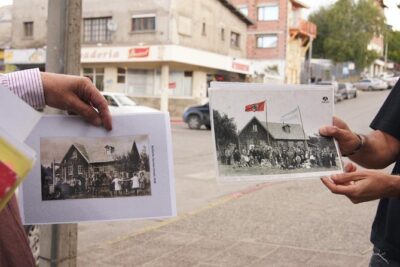
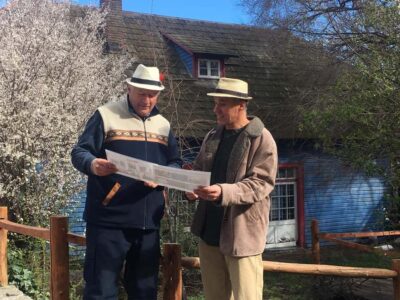
German Footprint & Nazi presence – Walking Tour in Bariloche
Read our review →
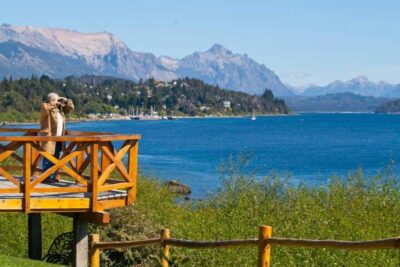
Bariloche Small Circuit: Mt Campanario and Llao Llao Peninsula
Read our review →Browse the lists this tour appears in