
Reviewed · QUEBRADA DE HUMAHUACA
Full-Day Tour to Humahuaca from Salta
This is one of those Salta day trips that feels like a movie reel of changing Argentina, from valleys to high roads and back down again. You are riding through the Quebrada de Humahuaca region, stopping where the scenery and the stories both matter.
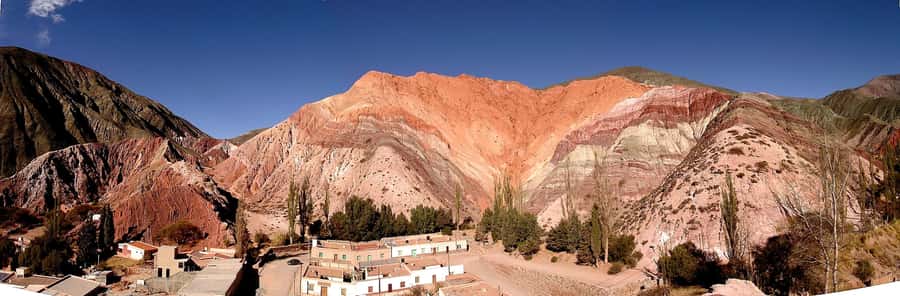
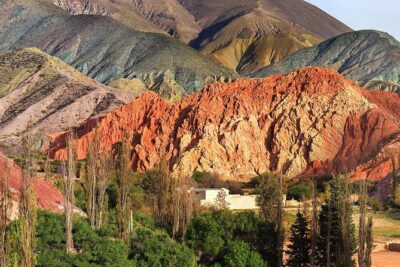
What I really like is how the day is built around a few big visual moments, especially Purmamarca and the Hill of 7 Colors. I also appreciate the human part, the fact that the tour runs with a professional guide who can explain what you are seeing in both English and Spanish.
The main thing to consider is simple: it is a long bus day, about 13 hours, with altitude up to 3,348 meters and some walking at viewpoints. If you hate early starts or long drives, this could feel like a grind, even though the views help a lot.
Key Points Worth Filing Away
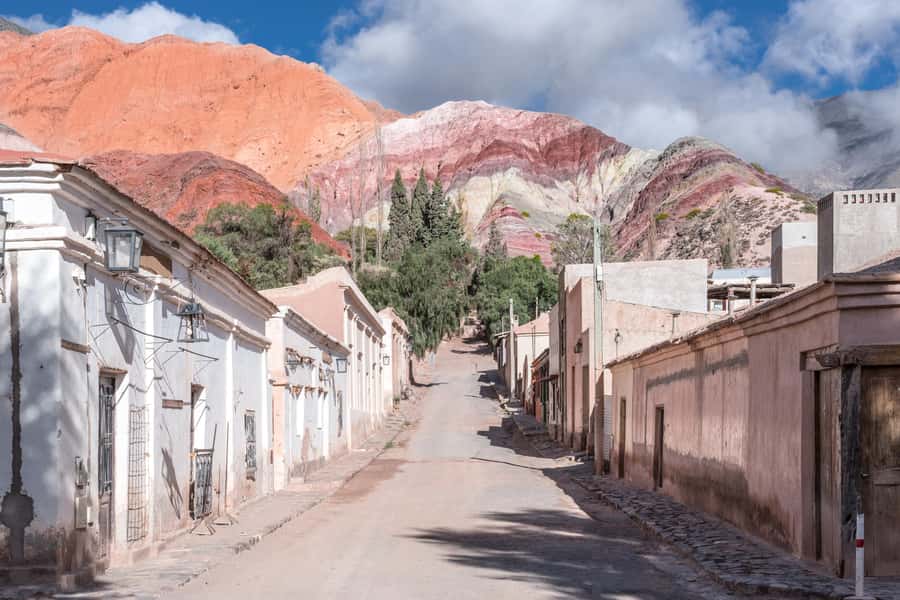
- Purmamarca and the Hill of 7 Colors are the headline stops, and you get time to take it in.
- The route climbs high, with a summit viewpoint at 3,348 meters and a chance to spot condors.
- You pass historic and geologic sites tied to the region, including Recta del Tin Tin from Inca times.
- Parque Nacional los Cardones is a cactus-forest stop with a very distinct look and feel.
- Town time is real, not rushed theater, including Humahuaca and its plaza area.
- Artisan markets show up as part of the flow, so you can browse without needing a separate detour.
Morning Pickup and the Big Change Begins on Route 68
The day starts early. Hotel pickup is from the lobby between 07:00 and 07:40, and you will be on the road almost immediately. That matters, because you are not just doing a quick loop. You are crossing through multiple zones where the vegetation, light, and rock colors shift fast.
You begin by heading along Provincial Route 68, rolling through smaller towns such as Cerrillos, La Merced, and El Carril. These are not famous by themselves, but that is the point. They help you ease into the regional reality before you hit the dramatic climbing roads.
I like this approach for one reason: it reduces the shock of altitude. Even if you do not feel it yet, your body and your eyes start adjusting as the morning goes on. Plus, the guide has time early in the day to set context, so later stops land better.
More Full-Day Tours in Salta
- From Salta: Full-Day Trip to Salinas Grandes and Purmamarca
★ 4.6 · 914 reviews - From Salta: Full-Day Tour to Cafayate with Wine Tasting
★ 4.5 · 478 reviews - Full-Day Tour Cafayate Calchaqui Valleys with Wine
★ 4.5 · 347 reviews
Escoipe and Los Laureles: The Gorge Stops That Make the Bus Feel Worth It
After those first towns, the route shifts to Provincial Route 33. This is where you start seeing why people come to this part of Argentina for their photos and their jaw-dropping road views.
The tour passes the Gorge of Escoipe and Los Laureles. In practical terms, this is a bend and a view sequence, the kind where the bus windows become your main viewing tool. You will want to sit on the side that gets the better sightlines for your driver’s route, if you have any choice. Even if you do not, you still get those look-up-from-the-road moments.
This is also where your “am I on a day trip or an actual journey?” question gets answered. The driving is not just transportation. It is part of the experience, because the terrain shapes how you see everything next.
Cuesta del Obispo: Winding Road, Rock Walls, and That 3,348 m Summit Moment
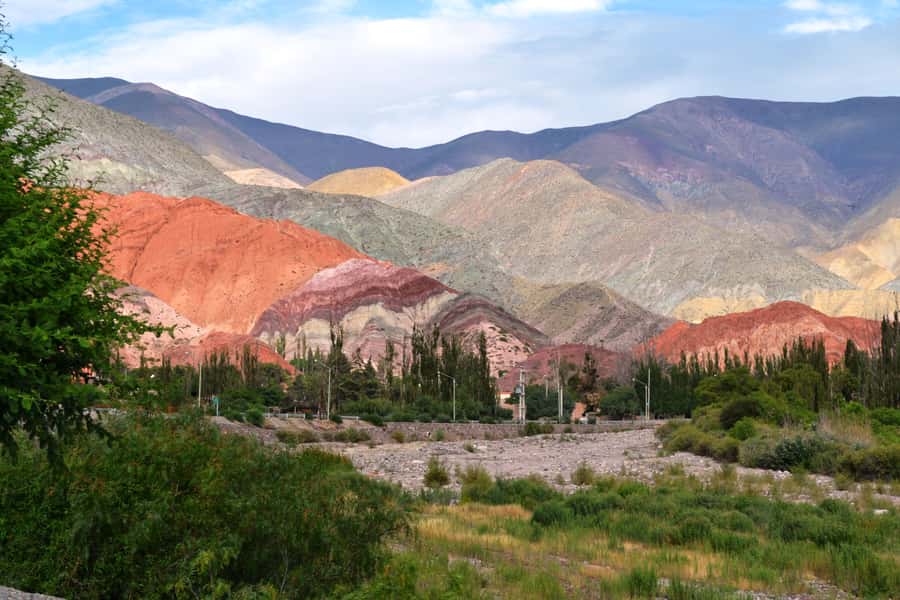
Then comes the Cuesta del Obispo, the famous winding climb. Expect magnificent rock formations and natural walls, and a summit viewpoint at 3,348 meters.
If you are sensitive to altitude, this is the segment to respect. You are going higher than many people are used to, and the day moves on. The good news is that you are not forced into a long hike described in your data, but reviews do point out some steep walking. So plan to move carefully at viewpoints, especially if the air feels thin.
The guide’s narration is a big part of why this section works. When the tour pauses, you are supposed to look up for condors flying above, with a stop mentality that treats the sky as part of the show. Condors are one of those moments you cannot fake. If you get a clear view, it feels like the region is putting on a display for you.
El Valle Encantado and the Color Shift as You Leave the Subtropical Valleys
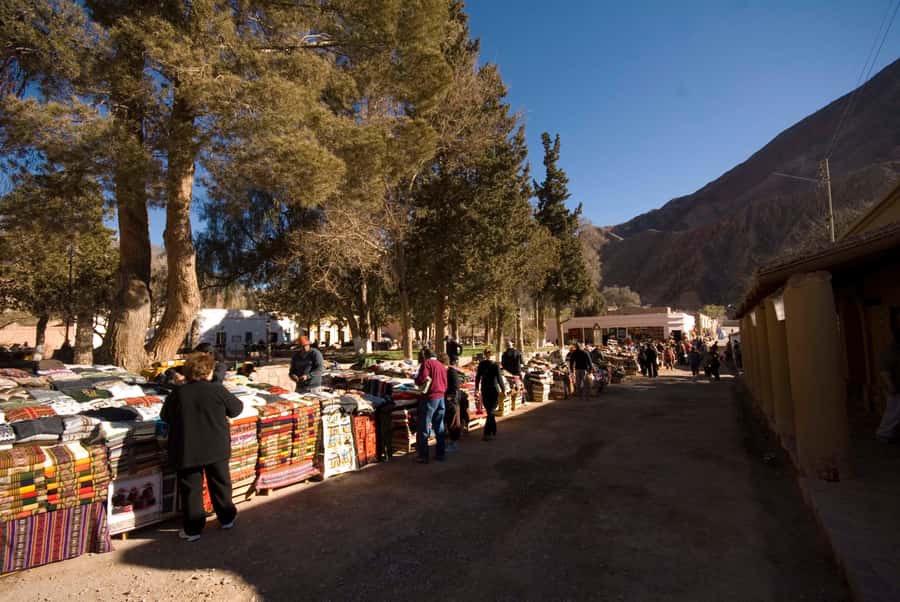
One of the most memorable sections is the view of El Valle Encantado, described as El Valle Encantado, the Enchanted Valley. The idea here is simple: you get a viewpoint where the terrain looks almost staged, with dramatic changes that make the region feel like it has chapters.
This stop also teaches you something useful for the rest of the day: pay attention to how quickly the setting changes as you move from sub-tropical valleys toward higher, drier zones.
That shift matters because it explains what you are seeing later, including the cactus-heavy areas. Without that “why this looks different” explanation, you might just call it scenic. With the guide pointing out what is happening, it becomes scenic with meaning.
More Quebrada de Humahuaca trips:
- From Salta: Salinas Grandes, Purmamarca & Los Colorados Hike
★ 4.3 · 356 reviews - Full-Day Tour Salinas Grandes and Purmamarca from Salta
★ 4.0 · 220 reviews - Salinas Grandes and Purmamarca: Full Day Excursion from Salta Capital
★ 4.5 · 207 reviews - Full-Day Tour to Humahuaca, Purmamarca and Tilcara
★ 4.0 · 203 reviews
Recta del Tin Tin: Inca-Era Engineering on a Straight Line Through Time
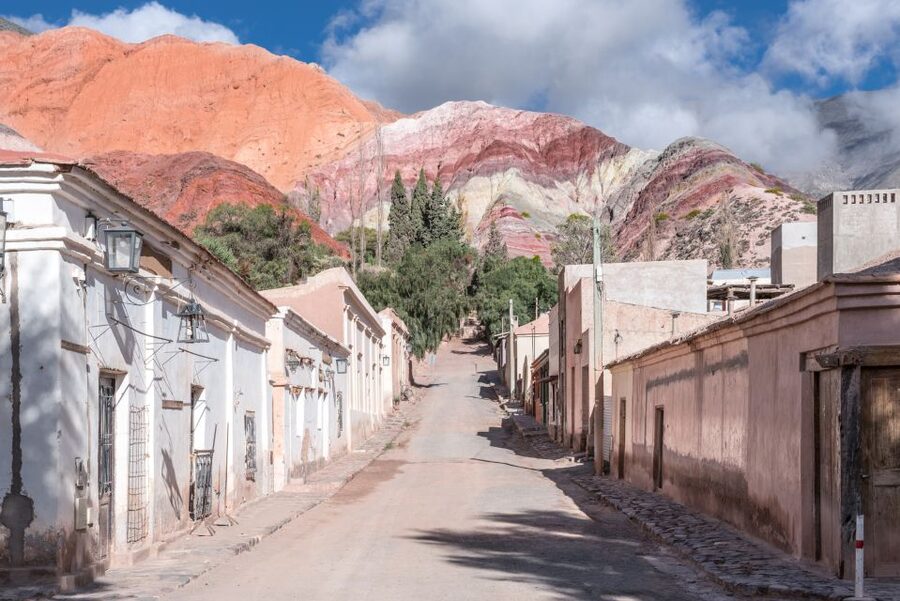
As the tour continues, you travel along the Recta del Tin Tin, a road segment built during the time of the Incas. This is not just a photo stop. It is a reminder that the people who traveled these routes centuries ago were solving the same problems you are seeing now, altitude, distance, and survival.
What I like about this kind of stop is that it connects the modern road to a deeper timeline. Even if you are not obsessed with pre-Columbian history, the fact that the engineering still matters gives the day extra gravity.
If you like geology and natural formations, you will probably enjoy how the guide ties this section to the broader story of landforms and travel routes through the Andes.
Parque Nacional los Cardones: Cactus Country, Not Just a Pretty Detour
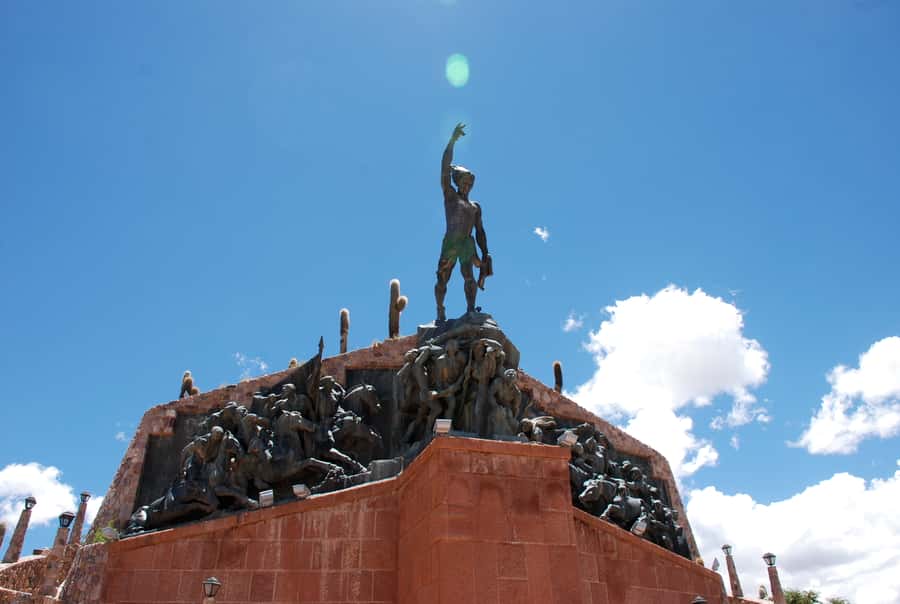
Next up is Parque Nacional los Cardones, the National Park of the Cactus. It is named for its abundance of cardon grande cactus formations, and that comes through immediately when you reach the area.
This stop is valuable because it gives your eyes a different texture from the rocky cliffs and gorge walls. The cactus shapes create their own kind of landscape of lines and silhouettes, especially when light hits them at an angle. You can stand, look, and get a sense of how this environment supports life.
Do not rush through this part. It is the kind of stop where you notice details once you stop moving. If your legs are already feeling it from the morning, you can still get a lot out of the views without trying to overdo walking.
Lunch Stop Options: Cachi Town Time for Colonial Streets
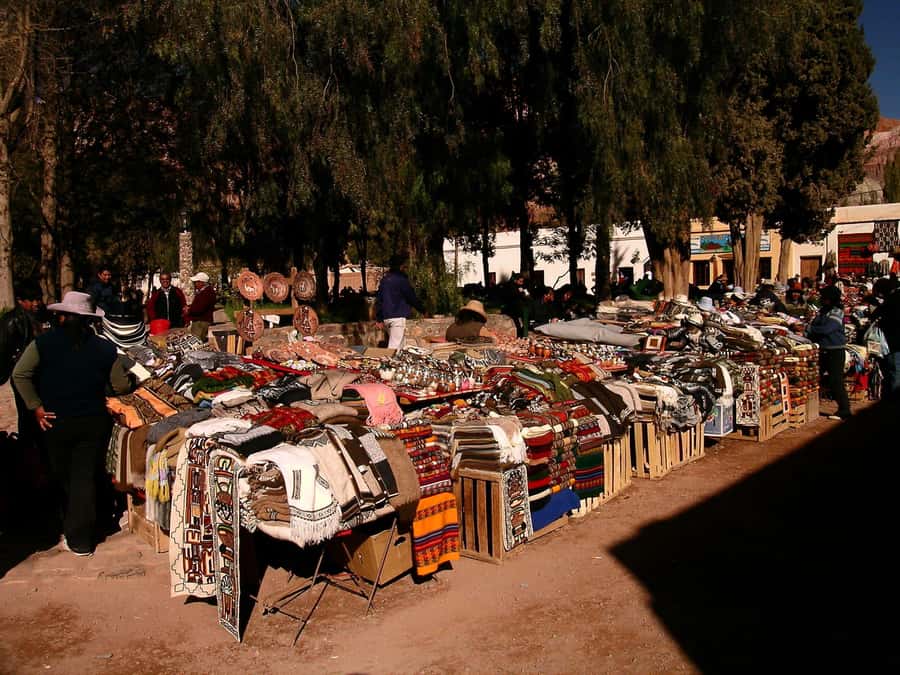
After the high-road segments, you reach Cachi in time for lunch. You then get a chance to stroll the streets with perfectly preserved colonial architecture.
From there, the schedule includes the town church in the central plaza and a historical museum showcasing the history of Aboriginal communities. This is the kind of cultural stop that adds weight to the day. You are not only seeing scenery, you are seeing how communities remember and present themselves.
One practical note: the tour route can vary by departure. Some days may emphasize different towns in the Quebrada de Humahuaca circuit. The core experience still revolves around the same big regions and viewpoints, but the exact town mix can shift. Keep your expectations flexible, so you do not end up disappointed if Cachi feels shorter than you hoped.
Purmamarca and the Hill of 7 Colors: The Moment You Came For

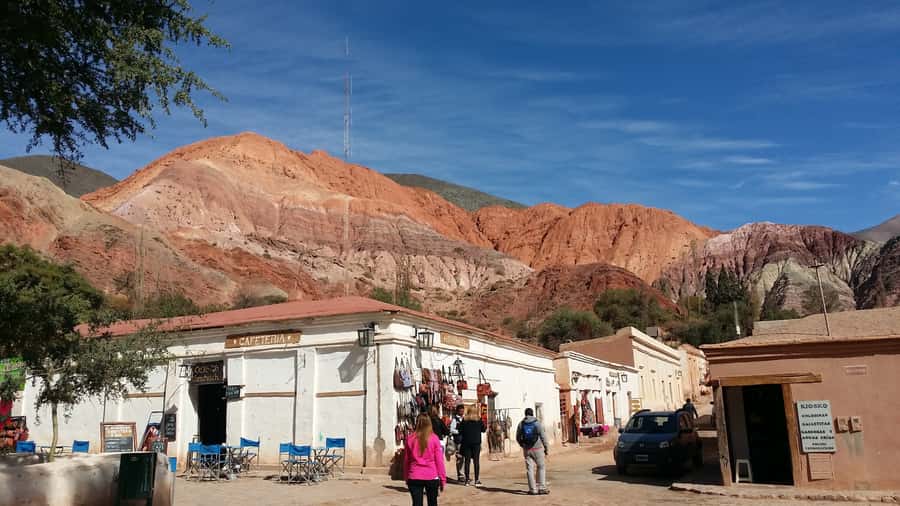
If there is one stop that earns its reputation, it is Purmamarca and the Hill of 7 Colors. This is where the day’s visuals get most intense, with the rock layers creating bands of color that look unreal.
You also get time for local artisan markets in the area. This is where the tour becomes practical. You can browse for small souvenirs that feel tied to place, not generic “tourist shelf” stuff. And because this is woven into the route, you do not have to spend your limited day organizing a side trip.
In my view, this is also the best time to take a slower pace. The earlier stops are about arriving, climbing, and absorbing. This one is about standing and letting the details hit.
Humahuaca Town: Plaza Time, Church Views, and History
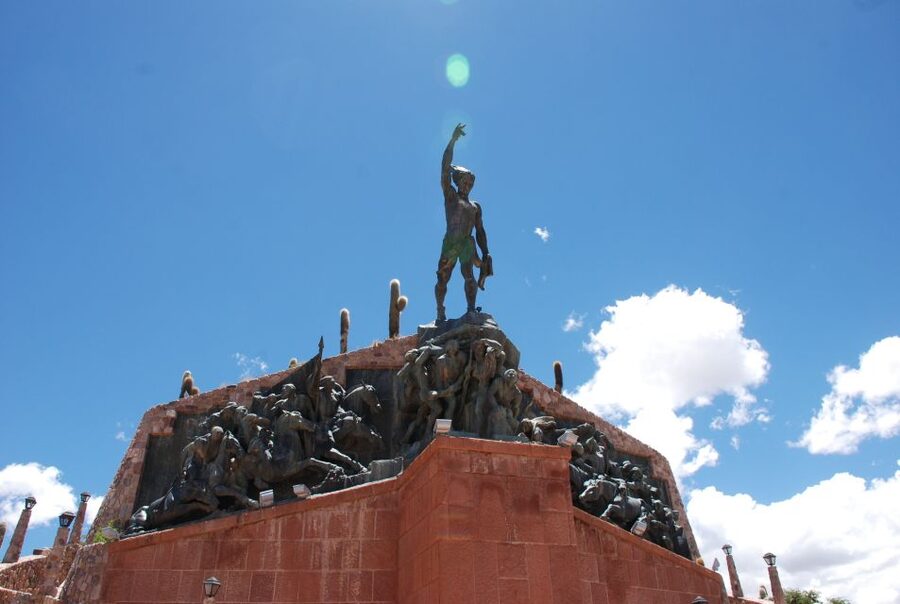
Finally, you reach Humahuaca, one of the key towns in the historic Quebrada de Humahuaca corridor. This portion of the day is less about altitude drama and more about atmosphere and local life.
You get town time with guided context, and you will have a chance for personal exploring while still anchored by the group and guide. This is where the day feels complete, because the scenery world and the human world finally meet.
If you are curious about how communities interpret their past, you will likely appreciate the museum stop included earlier in the day’s town time, and how that theme connects to what you see in Humahuaca.
Artisan Markets and Shopping Without Losing Your Day
The tour includes visits to local artisan markets. Translation: you will likely have multiple moments where the group slows down to browse. This can be great if you enjoy crafts and local goods. It can feel less fun if you are not interested in shopping at all.
Here is how I handle it: I browse once with curiosity, then I decide if I am buying. If your priority is photos and walking, you can still do that. But do not expect the markets to be purely passive. The setup is designed to let you see, ask questions, and buy if you want.
A small tip from the way the experience runs: if you are watching for English explanations, listen early and clearly. Some portions of the day, including certain short stops, may skew more Spanish, depending on the guide and the group. In the best cases, the guide can keep everyone included with interpretation.
Long Day Real Talk: Seats, Walking, and Staying Comfortable at Altitude
The tour is about 13 hours, and it is a full, full day bus ride. That is not a dealbreaker if you plan your body for it.
From the way this experience plays out, I would treat it like a day with two main effort points:
- The higher-elevation stretches, especially around the 3,348-meter summit viewpoint.
- Any viewpoint walking that involves steep steps or uneven ground, which some departures include.
Comfort strategy that actually helps: dress in layers. Even if it is sunny, higher altitude air can feel different fast. Also, drink water when you get chances to do so, because altitude plus long hours is a combo that sneaks up on you.
If you are sensitive to long-distance bus comfort, keep in mind that you may not always get ideal seating depending on how full the vehicle is on pickup. Boarding early when you have a choice can make a difference for your window view and legroom.
What Kind of Guide Makes the Day Click
The tour relies on a professional guide, and the best part is when the guide turns driving time into learning time. I have seen guides like Edu and Millie deliver detailed explanations in English, not just a quick overview. I have also seen guides such as Abel, Maria, and Monica handle both Spanish and English smoothly, making it easier for mixed groups to feel included.
In other words, this is not only a scenic ride. It is a guided day. The guide helps you understand why certain roads look the way they do, and why the rock and cactus patterns make sense.
If you care about geology, that attention to rock formations and altitude stories is a big bonus. It turns a stop from pretty to meaningful.
Price and Value: Why This Costs Less Than You Think It Should
At about $37 per person for a full day, the value is real, especially considering what you get: hotel pickup and drop off (for selected hotels), a professional guide, and a route that climbs to high viewpoints plus multiple towns.
To judge value correctly, compare it to how much it would cost to cover the same distance by hiring transport or doing multiple separate tours. Here, your money goes to a pre-planned itinerary with minimal decision-making on your side.
Just remember: the price is for the guided experience. Lunch and snacks are not clearly listed as included in the provided details, even though you do arrive in time for lunch in Cachi. So budget a bit for meals and any purchases at markets.
Who Should Book This Humahuaca Day Trip
This tour is a strong fit if you:
- Want to see Purmamarca and the Hill of 7 Colors without arranging your own transport.
- Like guided context on geography, geology, and regional history.
- Are okay with a long day and some walking at viewpoints.
It might be a harder choice if you:
- Want a relaxed pace with minimal driving.
- Get uncomfortable with altitude and long periods sitting on a bus.
- Prefer very long free time in one town, since the day includes multiple stops.
If you are traveling solo and hate negotiating bus schedules, this is also one of the easier ways to get into the Quebrada de Humahuaca circuit from Salta.
Should You Book the Full-Day Humahuaca Trip?
I say book it if you want a high-impact day that mixes famous viewpoints with real town time. For most people, Purmamarca, the Hill of 7 Colors, and the long mountain road segments are the memories you carry home.
I would only skip it if long driving plus altitude makes you nervous. In that case, you might be happier with a shorter outing or a calmer base day.
If you do book, go in ready for an active 13 hours: bring patience, expect some walking, and use the guide’s explanations to turn the scenery into understanding. That is where the day earns its reputation.
FAQ
What is the duration of the Humahuaca full-day tour from Salta?
The tour lasts about 13 hours.
How much does the tour cost?
The price is listed as $37 per person.
Where does pickup happen in Salta, and when?
Pickup is included for selected hotels. You are picked up at the lobby or hotel reception between 07:00 and 07:40 AM.
What is included in the price?
Included are a professional guide and hotel pick-up and drop off (selected hotels).
What languages are the guides?
The live tour guide offers Spanish and English.
Is a passport required?
Yes. A valid passport is required on the day of travel.
Is the tour cancellation flexible?
Yes, you can cancel up to 24 hours in advance for a full refund.
Recently reviewed around Salta
- Exclusive day-long private tour of Cafayate vineyards★ 5.0 · 10 reviews
- Cachi and Los Cardones National Park from Salta★ 4.5 · 11 reviews
- Cafayate Wine Trail Excursion: Explore Salta’s Vineyards★ 3.5 · 11 reviews
- Salta: Calchaquí Valley Scenic Drive and Day Trip to Cachi★ 3.5 · 11 reviews
- From Salta: Pack of 4 Excursions in Salta and Jujuy★ 4.0 · 13 reviews
- The Calchaqui Valley Winery and Scenery Tour in Cafayate★ 3.5 · 14 reviews
- Cafayate, Vineyards and Calchaquies Valleys Tour from Salta★ 4.0 · 14 reviews
- Train to the Clouds Experience Admission Ticket★ 4.0 · 22 reviews
Quebrada de Humahuaca, compared.
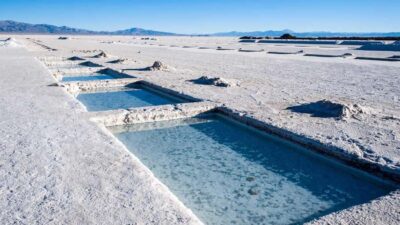
Full-Day Trip to Salinas Grandes and Purmamarca
Read our review →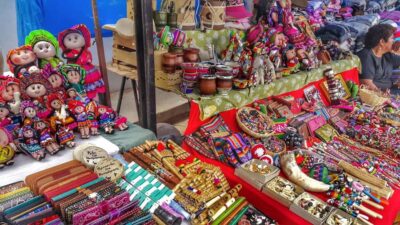
Salinas Grandes, Purmamarca & Los Colorados Hike
Read our review →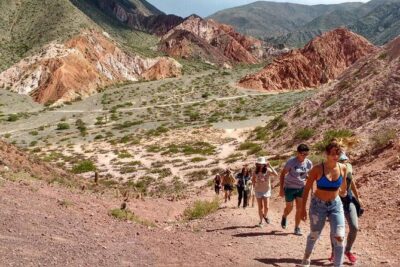
Full-Day Tour Salinas Grandes and Purmamarca from Salta
Read our review →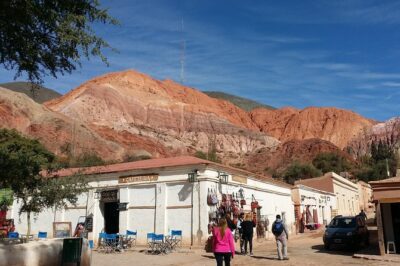
Salinas Grandes and Purmamarca: Full Day Excursion from Salta Capital
Read our review →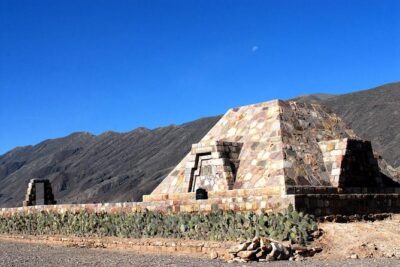
Full-Day Tour to Humahuaca, Purmamarca and Tilcara
Read our review →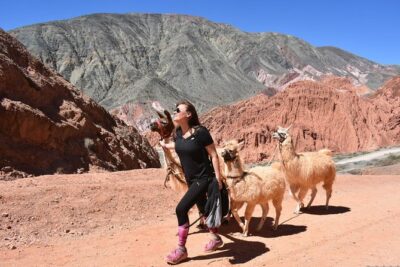
Full-Day Tour to Salinas Grandes and Purmamarca From Salta
Read our review →Browse the lists this tour appears in