
Reviewed · PUERTO IGUAZU TOURS
Visit Guarani village at Mborore Fort with brunch
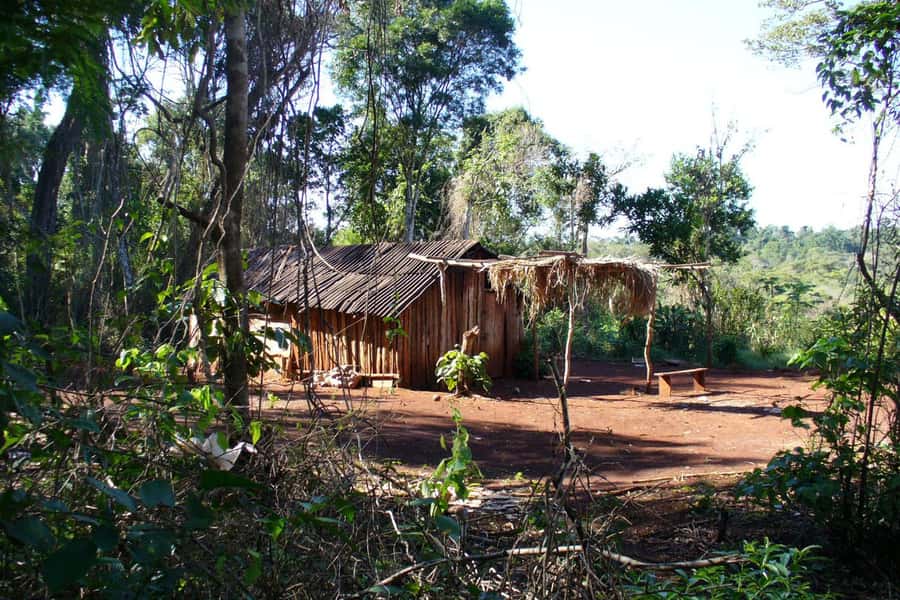
If you like getting a taste of indigenous culture without a full day of logistics, this Guarani village visit at Mbororé Fort hits the sweet spot. In about two hours, you’ll get a guided look at Guaraní beliefs and daily life, plus a nature-focused jungle walk called Spirit of Trees, and then you’ll finish with a real Paraguayan-style brunch.
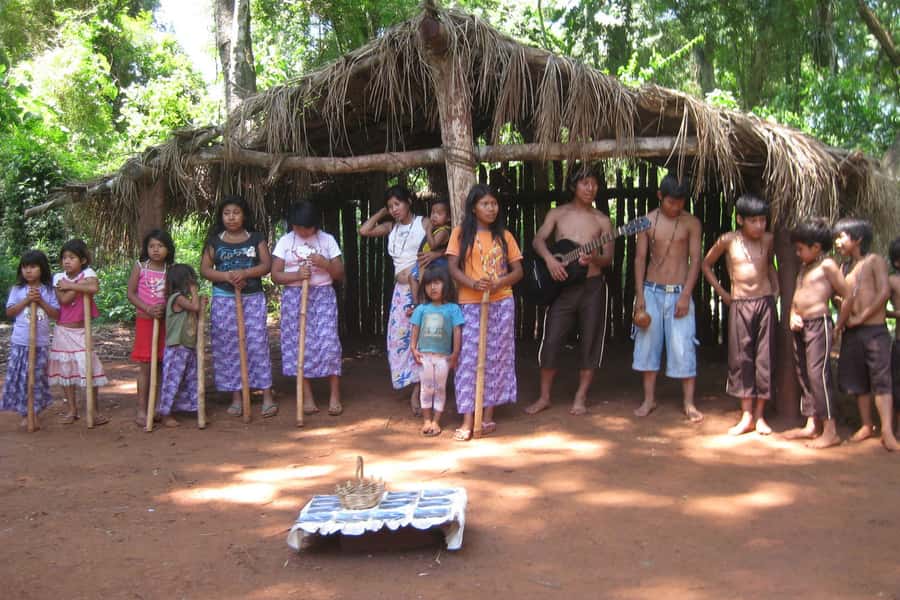
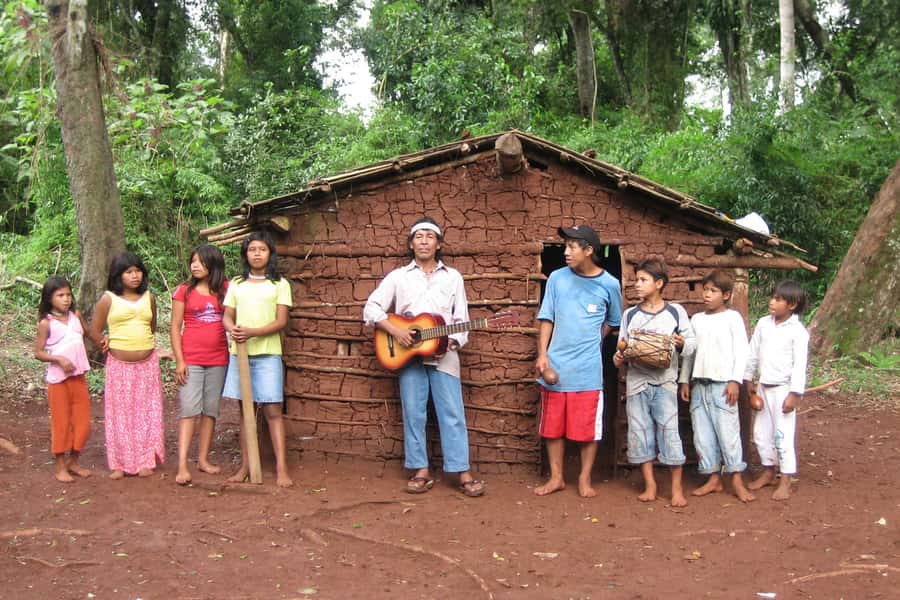
I especially like two parts. First, the way the guide links culture with the environment, from natural medicine to stories, crafts, and everyday living. Second, the ending is memorable: in at least one group, children from the village sang traditional songs for the group, which makes the whole visit feel personal instead of staged.
One possible drawback to plan for: you may not get free-roaming access inside the actual community. Some parts can feel more like an outdoor, interpretive experience, sometimes with music and craft stalls, so if you’re expecting total behind-the-scenes access, temper the expectation.
Key highlights worth planning around
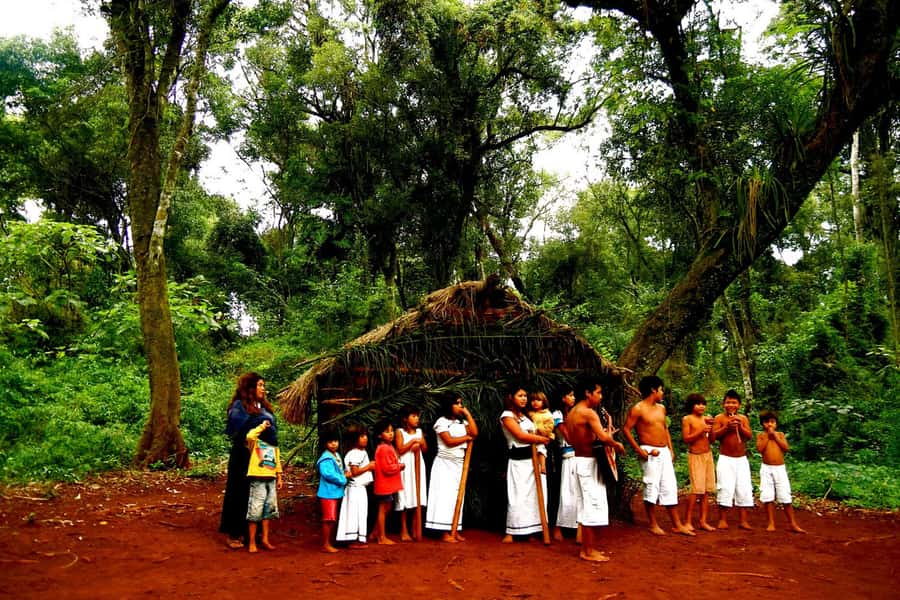
- Guaraní M’Bya Mbororé culture topics like beliefs, myths and legends, songs, dances, crafts, and philosophy of life
- Spirit of Trees walk where you learn to move in the jungle with Aboriginal experts
- Brunch at Hotel El Pueblito including chipa guazu and Paraguayan soup, plus juices and tea
- Hotel round-trip transfers from Puerto Iguazú (Argentine side) with a Spanish-speaking guide
- Not a full village interior visit, so much of the learning happens from village-style areas and guided stops
- Short, efficient 2-hour format, great for a first taste when your schedule is tight
Mbororé Fort and the Paraná Delta: what this outing really is
This experience takes place in the Paraná Delta area of Argentina, centered on the Mbororé Fort setting and the Guaraní M’Bya Mbororé presence there. The goal is not to hand you a checklist of facts. It’s to give you a human, guided introduction to how the Guaraní connect beliefs, daily routines, and the surrounding jungle.
You’ll get a mix of cultural topics that includes beliefs, myths and legends, and a look at how life works in and around the forest. That includes elements like songs, dances, crafts, and also how people think about nature and health. The natural medicine angle matters here, because it’s one thing to hear about culture, and another to hear how people traditionally explain wellness using the environment.
The tone is family-friendly and explanatory, and it fits people who want an authentic-feeling cultural encounter in a manageable chunk of time. In other words, it’s built for visitors who want something meaningful before dinner, not for travelers who need a multi-day immersion.
A few more Puerto Iguazu days worth comparing
- Foz do Iguaçu: Brazil/Argentina Sides Iguazu Falls Day Tour
★ 4.9 · 1,551 reviews - Iguazu Falls Tour, Boat Ride, Train and Safari Truck
★ 4.5 · 466 reviews - Argentine Experience: Immersive Dinner & Wine Pairing in Iguazú
★ 5.0 · 424 reviews
Getting there from Puerto Iguazú: transfers that affect your timing
A big practical win is that round-trip transfers are included from hotels in Puerto Iguazú on the Argentine side. That makes the day simpler. You’re not negotiating taxis, and you’re not trying to figure out a meeting point in a place where the jungle edges can be confusing.
You should expect a short motorized transfer before you reach the village-style area. From there, your Spanish-speaking guide takes over and leads the group through the main parts of the visit.
Two timing notes matter for your comfort:
- The whole experience is 2 hours, so you’ll want to be ready when pickup happens.
- If your hotel isn’t on the pickup route, the company will contact you with the closest pickup location, and you’ll wait in the lobby of that indicated hotel.
One balanced heads-up from real-world experience: on at least one past booking, a bus did not arrive as expected, and the group had to make a fast decision about canceling or postponing. It’s not something you should panic about, but it is worth keeping in mind. If this is your only day for the activity, give yourself a little buffer in your schedule and confirm your pickup details the same day.
Spirit of Trees: learning to move through the jungle
One of the most interesting parts is the walk called Spirit of Trees. This is not a long hike. It’s more about learning the basics of how to move and pay attention in a jungle setting, guided by Aboriginal experts (indigenous guides). You’re essentially learning a mindset: slow down, watch where you step, and let your eyes adjust rather than just rushing forward.
Why I think this works well for visitors is simple. When you’re new to a tropical forest, your first instinct is to treat it like a normal walking trail. A guided approach helps you understand how the jungle behaves, how narrow paths can be, and why certain routes are chosen. Even if you stay on a short path, you come away with a better sense of place.
You’ll also feel the contrast with the more cultural, seated explanations. The walk breaks up the agenda and gives your brain a chance to register the environment. And it makes the cultural stories feel more grounded, because you’re literally learning while surrounded by the setting that those stories depend on.
If you’re going in hotter months, wear comfortable clothing you can move in, and keep insect repellent handy. The “Spirit of Trees” idea sounds spiritual, but the practical part is real jungle walking.
The Guaraní village-style visit: beliefs, medicine, crafts, and daily life
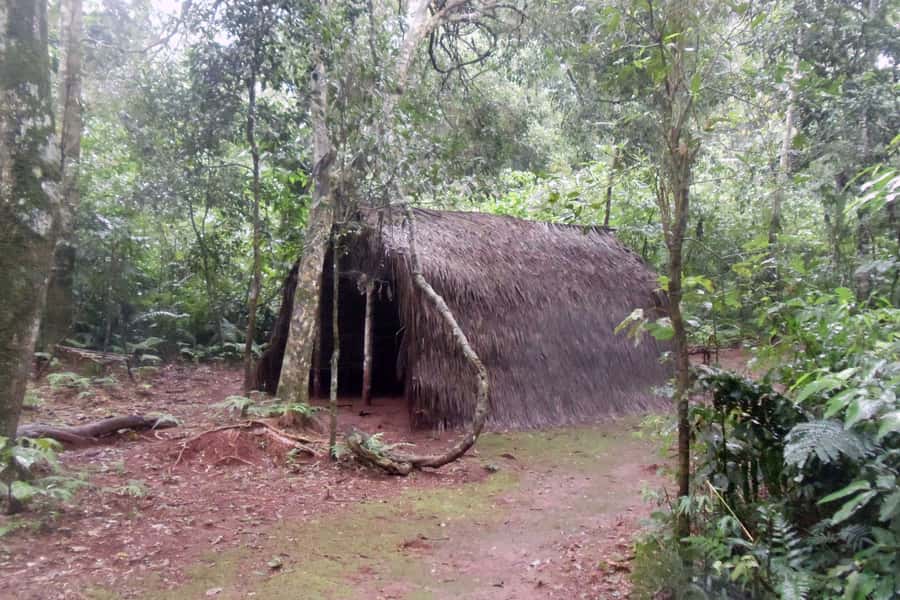
After you arrive, you’ll be welcomed at the village-style setting. This is where the visit becomes more interpretive and less like a standard museum. The guide and village representatives talk through what life is like and what people believe, including the Guaraní worldview, myths and legends, and how culture shows up in daily routines.
Here are the main themes you should expect:
- Beliefs and philosophy of life: not abstract religion only, but a way of explaining the world.
- Natural medicine: how people relate health and the environment.
- Culture through practice: crafts, cooking customs, and ways of preparing food.
- Stories connected to living: myths and legends that fit how people see the jungle and community life.
- Songs and dances: cultural expression that makes the visit feel alive.
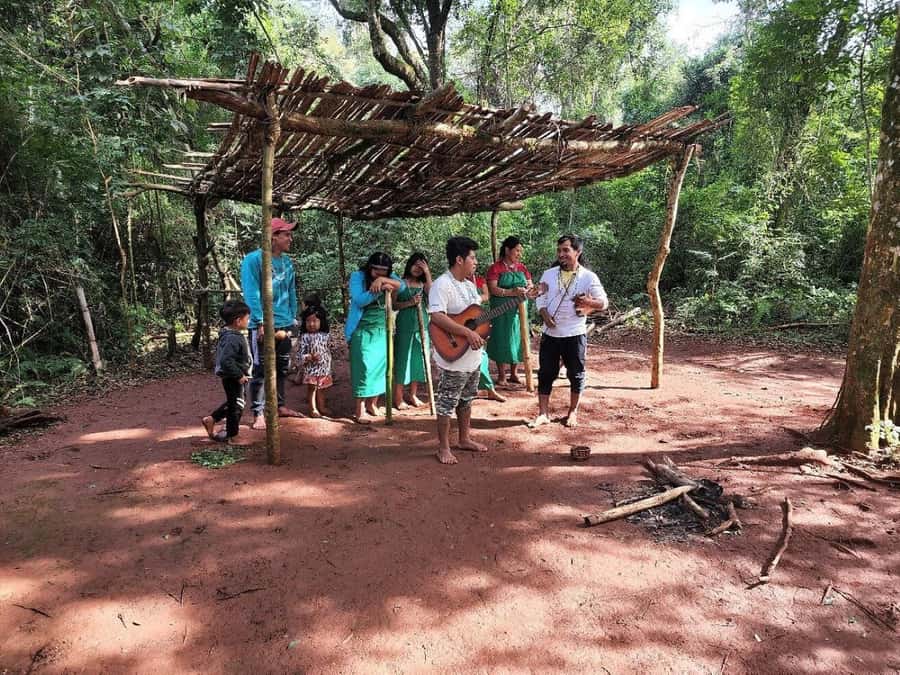
In at least one praised experience, the group was shown things like techniques of construction, methods of hunting, and culinary customs, with an emphasis on how these skills fit into everyday life. That same encounter ended with children singing traditional songs for the group, which is one of those moments that sticks because it creates a human connection at the end.
One important expectation-setting detail: access may be limited. Some experiences are built with a reconstructed, outside-facing setup, and it can be impossible to enter the community interior. That doesn’t automatically mean it’s fake, but it does mean your role is observer and learner rather than visitor invited into private spaces.
Also, be aware that the final part can shift toward a more “show” format, including music and craft stalls. If you treat it like a performance, it’s easy to miss the learning happening inside the performance. If you treat it like guided cultural explanation with entertainment as part of the package, you’ll get more out of it.
A different sort of day out of Puerto Iguazu:
- Iguazu Falls: Gran Aventura Boat and Argentinian Falls Tour
★ 4.4 · 393 reviews - Puerto Iguazu: Iguazu Falls Argentinian Side Full-Day Tour
★ 4.6 · 334 reviews - Puerto Iguazu: Iguaza Falls Brazilian Side & Bird Park Tour
★ 4.0 · 260 reviews - Full-Day Tour to Iguazu Falls
★ 4.5 · 249 reviews
Brunch at Hotel El Pueblito: chipa guazu and Paraguayan soup
Brunch is included, and that’s a big deal for value and convenience. You’ll eat at Hotel El Pueblito, with a set menu that brings in classic Paraguayan flavors.
What’s on the brunch table:
- Chipa guazu (cheese bread)
- Paraguaya soup
- Mbeyu
- Fried cassava
- Sweet potato
- Pinche de yacaratia and cheese
- Natural juices, soft drinks, and cold tea
This meal matters because it turns the cultural visit into something you experience with your senses, not just your ears. Food is often the fastest way to understand a region, and in this case, the brunch is straightforward: warm breads, cassava-based sides, and filling options that match the comfort level of the visit.
Practical tip: since the overall outing is only 2 hours, go in hungry and pace yourself. Chipa guazu and soup can be satisfying, and you may not want a heavy lunch right before if you want to enjoy everything without rushing.
Also, if you’re the type who hates surprise food, skim the list above and decide whether you’re comfortable with cassava and cheese-forward items. Nothing here is described as spicy-hot or exotic by the provided menu, so you’re probably in safe territory.
When it gets more touristy: balancing real culture with performances
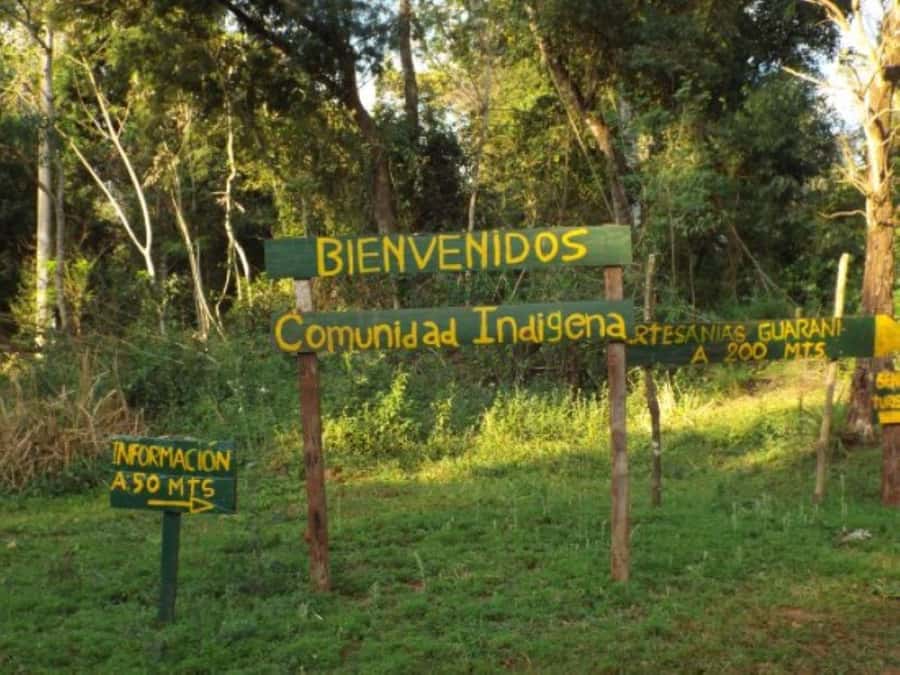
This activity can land differently depending on what you personally expect from a cultural visit. I found it helpful to think of it as two layers happening at once.
Layer one is the guided learning: beliefs, myths and legends, natural medicine, and daily-life topics explained by a guide. Layer two is the setting and ending: music, craft areas, and sometimes a more staged feeling, like a circular walk through the jungle rather than walking into the heart of a working community.
That’s why the “Spirit of Trees” walk and the story-focused parts matter so much. They give structure. If the music and craft stalls feel like the main event, the learning can feel secondary. If you keep your attention on the guide’s explanations and use the craft stalls as context (what people make, and why), the whole experience can feel more respectful and coherent.
Here’s the good news: at least one strongly positive account highlighted a professional communicator setup, including a translator from Spanish to English who handled the job well. That kind of translation quality can make all the difference, because cultural meaning is often in the nuance.
My advice: go with curiosity, not expectations of total access. You’ll likely end up with a short, memorable introduction that’s designed for visitors who want a meaningful cultural stop plus brunch, not a week-long field immersion.
Price and value: what $40 covers in a 2-hour slot
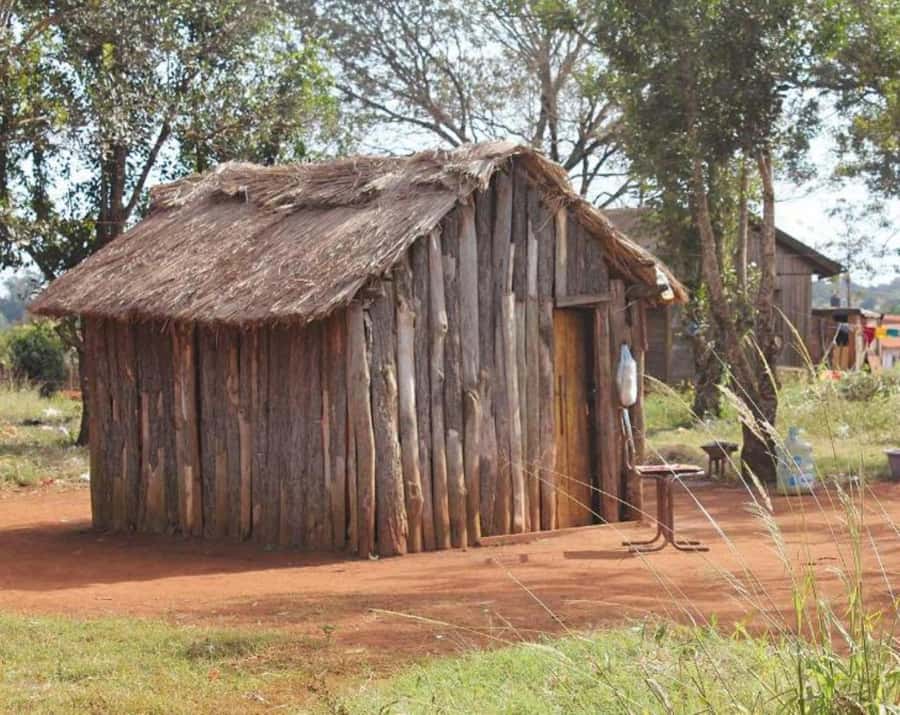
At $40 per person, you’re paying for more than a quick excursion. You’re paying for a guided cultural experience plus actual included meals and transport.
Based on what’s included:
- Round-trip transfers from Puerto Iguazú hotels on the Argentine side
- A Spanish guide
- Brunch at Hotel El Pueblito with a specific menu
- The time and coordination for the village visit and Spirit of Trees walk
If you think like a practical traveler, this can be efficient. Instead of paying separately for local transport and then finding your own lunch somewhere, you’re bundling it into one 2-hour plan. That also helps if you’re trying to fit Puerto Iguazú activities around other major plans, like Iguaçu Falls.
One limitation is also clear: transfers are included from Puerto Iguazú (Argentine side). Round-trip transfers from Foz do Iguaçu (Brazilian side) are not included. So if you’re staying across the border, factor that into your day plan and budget.
Also, this isn’t a “pay $40 and get a whole day” kind of value. It’s a “pay $40 and get a solid cultural hit, plus food, with minimal logistics” kind of value. If that matches your travel style, the price makes sense.
Who should go, who should skip this Guarani village brunch
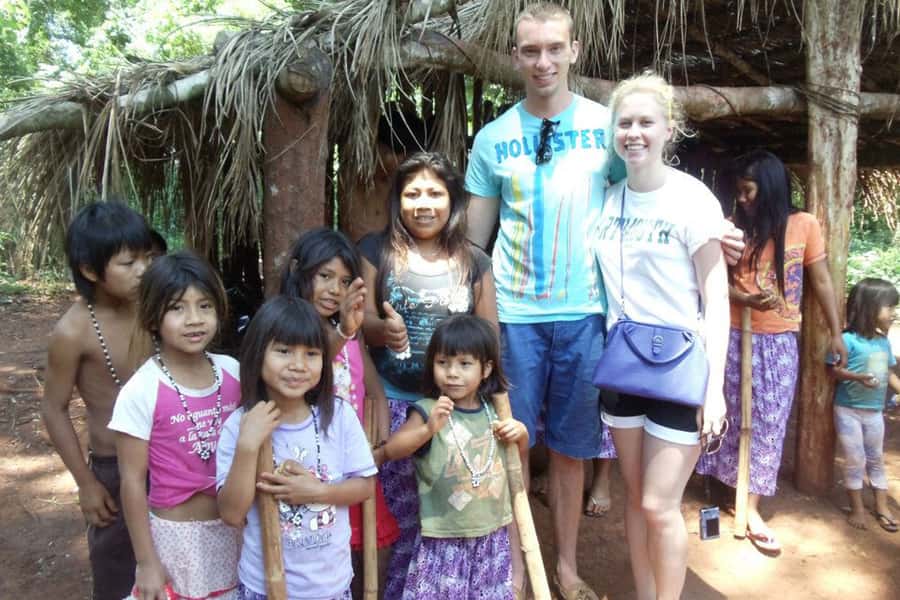
This is a good fit if you:
- Want a short cultural experience in Puerto Iguazú without long travel planning
- Like learning about Guaraní beliefs and myths and how culture connects to the jungle
- Appreciate food being part of the cultural package
- Prefer guided experiences where you don’t have to figure everything out yourself
It may be less ideal if you:
- Expect full access inside the community and private spaces
- Dislike the idea of any music, performance elements, or craft stalls
- Need a guarantee of non-Spanish communication, since the guide is described as Spanish speaking (though translation may be available depending on your group)
If you’re traveling with kids, the end moments can be especially engaging. In one praised visit, children sang traditional songs for the group, which is exactly the kind of simple, human moment that gets everyone listening.
Final advice: should you book the Guarani village visit with brunch?
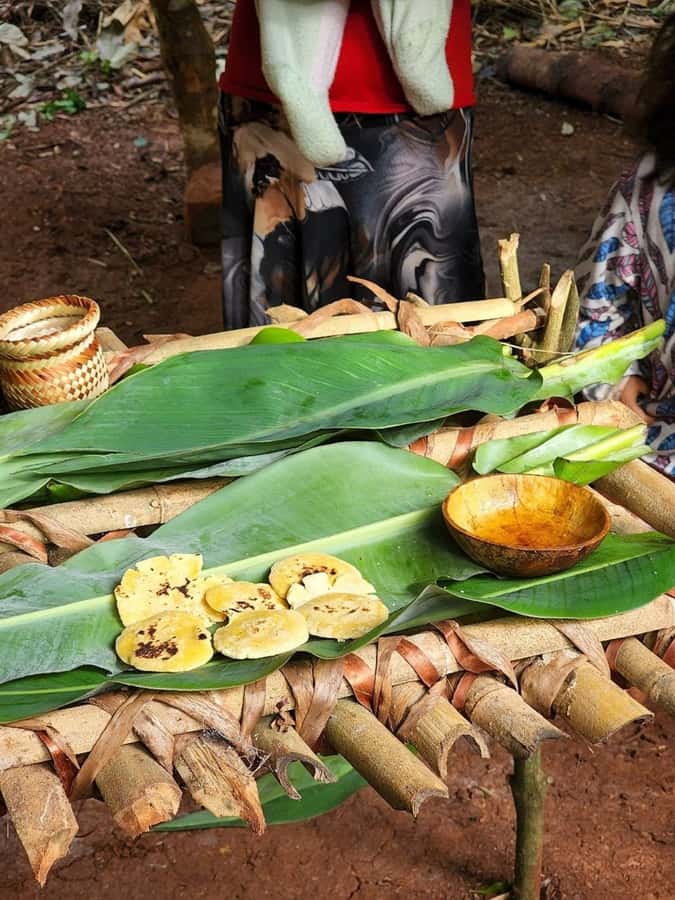
I’d book this if you want a compact, guided cultural stop in the Paraná Delta that includes brunch and doesn’t take over your whole day. The best part is the pairing: you get the stories and practices, then you eat a regional meal that belongs to the same cultural region. It’s efficient, and it’s the kind of experience that makes Puerto Iguazú feel more than just a gateway to waterfalls.
Book with eyes open on two points. First, expect a village-style, guided setup rather than full inside access. Second, keep a realistic view of how performances and craft areas may be used to frame the visit.
If you want to minimize stress, do this before you go:
- Wear comfortable clothes and use insect repellent
- Bring a camera and some pocket money
- Make sure you know your exact pickup location, especially if your hotel is not on the pickup route
If your schedule is tight and you’d rather spend two hours learning and eating than hunting for transport and lunch on your own, this is a strong choice.
FAQ
Where is this Guarani village visit located?
It’s located in the Paraná Delta, Argentina, connected to the Mbororé Fort area. Pickup is provided from hotels in Puerto Iguazú on the Argentine side.
How long is the experience?
The total duration is 2 hours.
How much does it cost?
The price is $40 per person.
Is brunch included?
Yes. Brunch is included at Hotel El Pueblito, with chipa guazu, Paraguaya soup, mbeyu, fried cassava, sweet potato, pinche de yacaratia and cheese, plus natural juices, soft drinks, and cold tea.
What language is the tour guide?
The tour guide speaks Spanish.
What does the price include?
It includes round-trip transfers from hotels in Puerto Iguazú (Argentine side), a Spanish guide, and brunch at Hotel El Pueblito.
Are transfers included from Foz do Iguaçu hotels in Brazil?
No. Round-trip transfers from Foz do Iguaçu hotels (Brazilian side) are not included.
What should I bring with me?
You’re recommended to wear comfortable clothing, bring insect repellent, a camera, and pocket money.
Is there free cancellation?
Yes. You can cancel up to 24 hours in advance for a full refund.
Is there a reserve-now option?
Yes. You can reserve now and pay later, keeping travel plans flexible.
Recently reviewed around Puerto Iguazu
- Iguazu Falls FullMoon Trekking under the Moonlight★ 3.0 · 10 reviews
- Iguazu Falls Brazilian Side Half Day Trip★ 4.0 · 10 reviews
- Journey to Iguazu: 4-Day Adventure from Buenos Aires with Airfare★ 4.0 · 11 reviews
- El Quincho Del Tio Querido – Dinner And Show from Foz do Iguaçu★ 3.0 · 11 reviews
- Iguazu Falls: Argentinian Side with Rainforest Ecological Train★ 4.0 · 12 reviews
- Private Full-Day Tour to Iguazu Falls National Park★ 5.0 · 13 reviews
- PRIVATE TOUR – Iguacu Falls on the Brazilian side★ 5.0 · 14 reviews
- Private – BRA and ARG Iguazu Falls in 1 day + boat option★ 5.0 · 15 reviews
Puerto Iguazu Tours, compared.
Iguazu Falls Tour, Boat Ride, Train and Safari Truck
Read our review →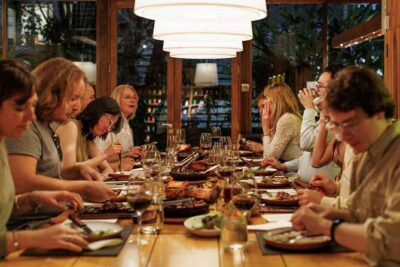
Argentine Experience: Immersive Dinner & Wine Pairing in Iguazú
Read our review →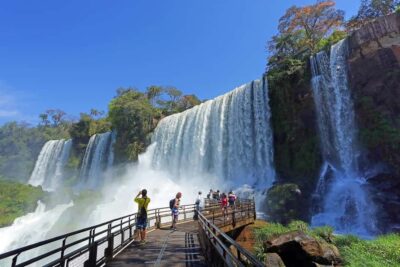


Browse the lists this tour appears in