
Reviewed · WALKING TOURS
Nazis in Buenos Aires: a historical walking tour
This walk is interesting because it puts a very disputed question in the real streets of Buenos Aires: how Nazi war criminals fit into Argentina after 1945, and what the country did or did not know. I like that it is led by Max, a history teacher who keeps the conversation grounded in evidence, not just shock value. I also like how the route connects the Nazi story to the lived history of Buenos Aires, especially the Jewish community.
The possible drawback is that you are walking and thinking through heavy material, so it is not a casual, feel-good stroll. If you want downtime, you will need to pace yourself, drink water, and use that built-in restroom pause, because this tour moves at a steady learning pace.
Key things you will care about on this Buenos Aires walk
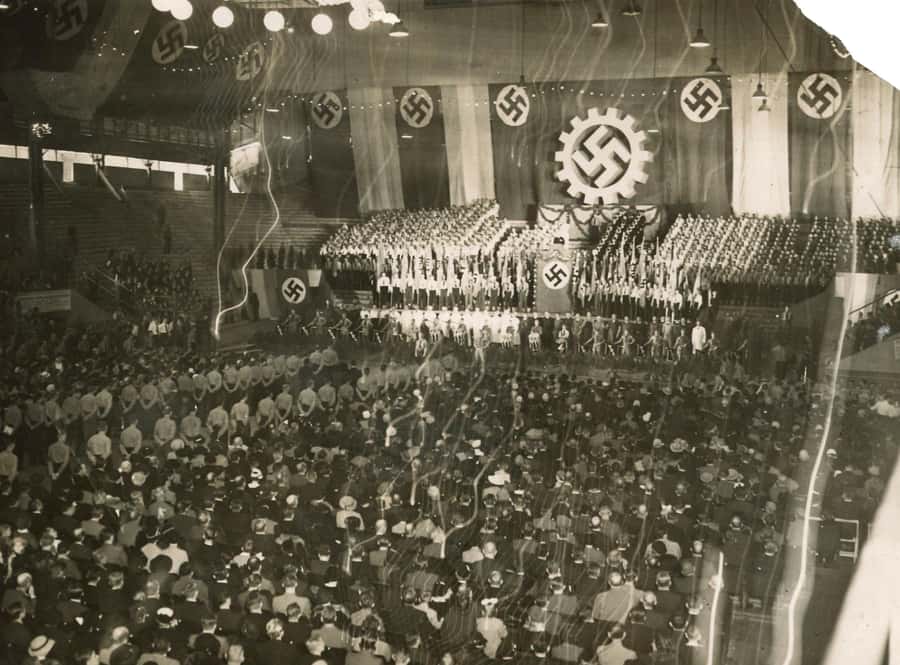
- Luna Park Stadium’s scale tied to a Nazi-era meeting drawing about 15,000 people in a still-operational venue
- ABC Restaurant with two threads: a neo-Nazi attack in the 1960s and the story about Adolf Eichmann having coffee
- A real debate, not a one-sided script on whether migration of Nazis was known, or even encouraged, by Argentine authorities
- Adolf Eichmann’s identification and capture told as a spy-like story you can follow stop by stop
- Jewish Buenos Aires in context, including how the community’s fate is woven into WW2 and postwar events
- Recoleta to Retiro to Microcentro on foot, so you see the city’s “WW2 layers” instead of reading about them from a book
Tracing Nazi fugitives from Recoleta to Microcentro without losing the thread
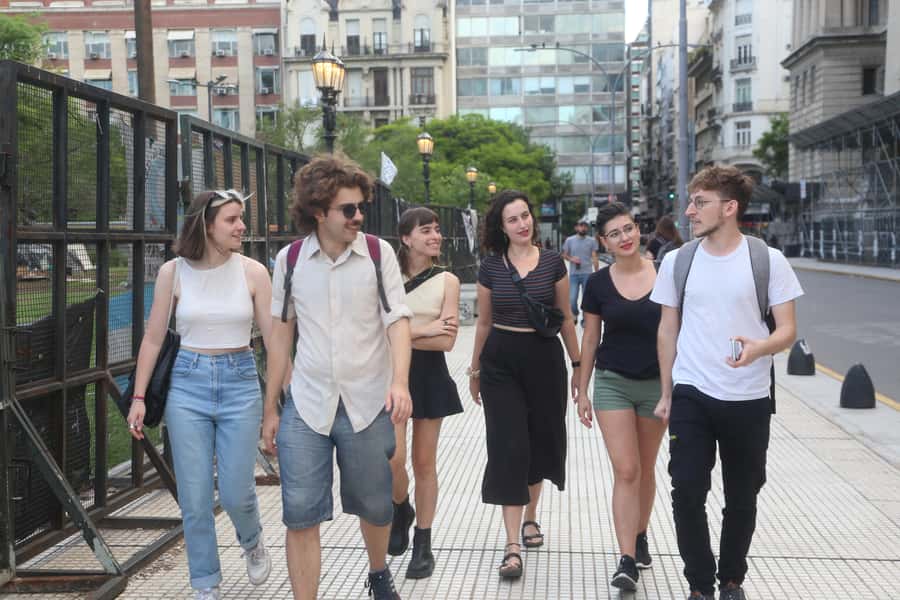
This is a walking tour built like a class, not a photo scavenger hunt. You start in the Recoleta area, then sweep through key neighborhoods such as Retiro and Microcentro, using iconic buildings as anchors for a bigger argument about World War II and its afterlife in Argentina.
The big theme is straightforward, but the route makes it feel concrete. You will connect Nazi war criminals who arrived after 1945 to what was happening locally, including debates around Juan Domingo Perón, one of Argentina’s defining political figures. You should come with at least a basic sense of the Holocaust and WWII, because the guide is aiming for understanding, not hand-holding through every definition.
What makes this tour valuable is that it treats the topic as controversial for a reason. You are not only hearing what people claim, you are learning how the question is argued, including whether Argentine actors knew about these migrations, or even promoted them. That is exactly the kind of context that keeps history honest, and it also helps you avoid turning tragedy into a simplistic good-versus-evil story.
More Historical Tours in Buenos Aires
- Historical Sherpa Food Tour of San Telmo with Street Food, Drinks
★ 5.0 · 920 reviews - San Telmo: Historical Guided Tour with Street Food & Drinks
★ 5.0 · 87 reviews - Buenos Aires: La Boca Art and History Walking Tour
★ 4.8 · 55 reviews
Max’s source-first style: why the tour feels like a university seminar on the street
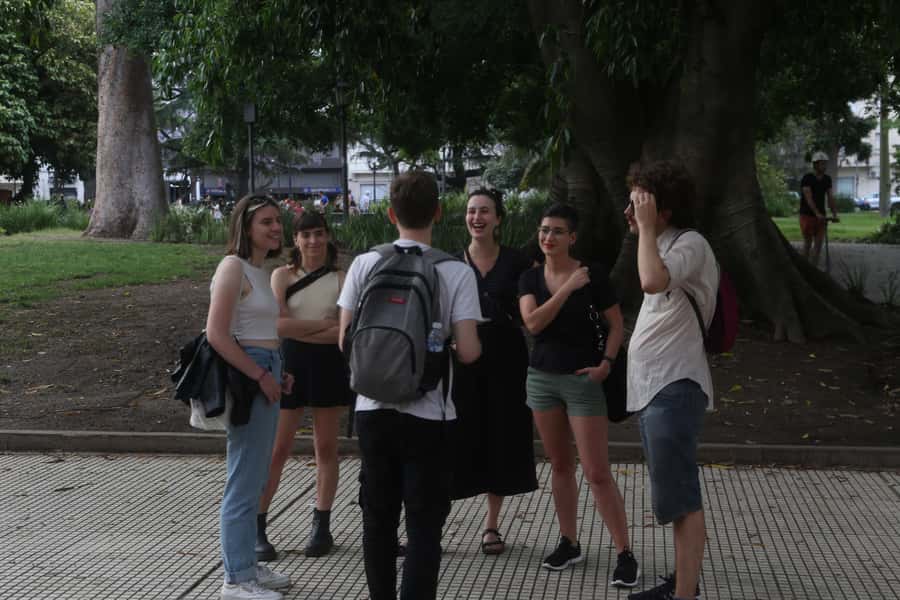
Max is not just repeating a script. The strongest praise for the guide is the sense that he has done a lot of research and checks sources carefully, then shares what he knows clearly. The tone is friendly, but it stays authoritative. You get room for questions, and you also get answers that try to be precise rather than vague.
A small but meaningful detail: Max also admits when something is not fully certain. That matters because this subject is full of claims, counterclaims, and contested documentation. In a tour like this, source habits are not academic theater. They change how seriously you take what you hear.
In practice, you will feel that pacing is planned. The walk does not drag, and it does not feel like one long lecture either. The stops are spaced so you can absorb stories, look at the setting around you, and then move on to the next piece of the puzzle.
Starting at Monumento a Juana Azurduy, with Palacio Libertad as the opening backdrop
You meet at the Monumento a Juana Azurduy, a few meters from where you will stand and orient yourself near Palacio Libertad (formerly known as the CCK). This start point works well because it sets a tone: you are in an elegant Buenos Aires setting, and yet you are about to talk about some of the worst violence in modern history.
Max will be easy to spot, wearing a black cap near the benches that face the palace. If you have ever struggled to find a tour guide in a crowded plaza, this kind of meeting detail is genuinely helpful. It reduces the first ten minutes of stress, so you can jump into the context right away.
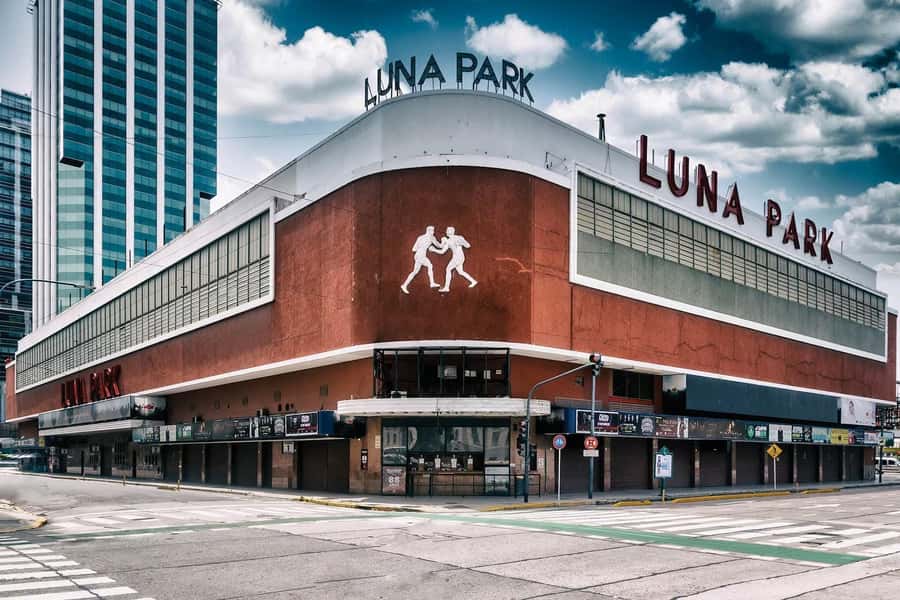
Luna Park Stadium: a 15,000-seat Nazi meeting in a venue that is still standing
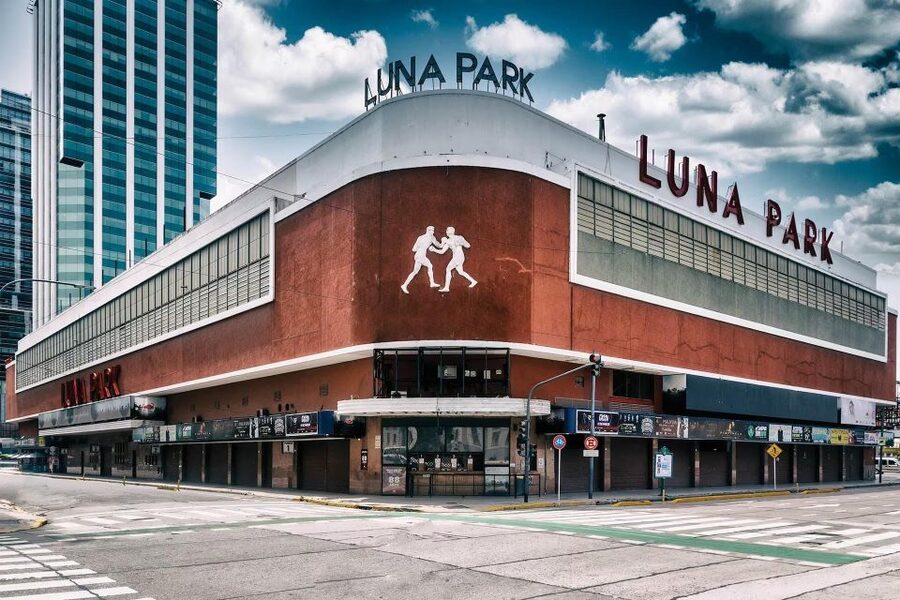
One stop takes you to Luna Park Stadium for about 20 minutes. This is a practical stop because you can see the scale of the place quickly. It is also a haunting one because you learn about the Nazi meeting held there, reportedly drawing roughly 15,000 people, in a venue that is still operational.
That contrast, old intent versus present-day normalcy, is a big part of why this tour sticks with you. You are not only learning about what happened, you are noticing how public spaces can outlast the ideologies tied to them. The guide uses the setting to talk about how mass politics worked in practice.
Also, remember this: entry is not part of the tour. You will get the story and the context around the site, but you should not plan on going inside unless the tour day format changes.
More Walking Tours in Buenos Aires
- Buenos Aires Hop-On Hop-Off Bus, Free Walking Tours & Discounts
★ 4.5 · 2,218 reviews - Buenos Aires: La Boca Guided Walking Tour in English
★ 4.8 · 1,587 reviews - La Boca Walking Tour
★ 5.0 · 1,029 reviews - Recoleta Cemetery Walking Tour
★ 5.0 · 668 reviews
ABC Restaurant: the neo-Nazi attack in the 1960s and the coffee story tied to Eichmann
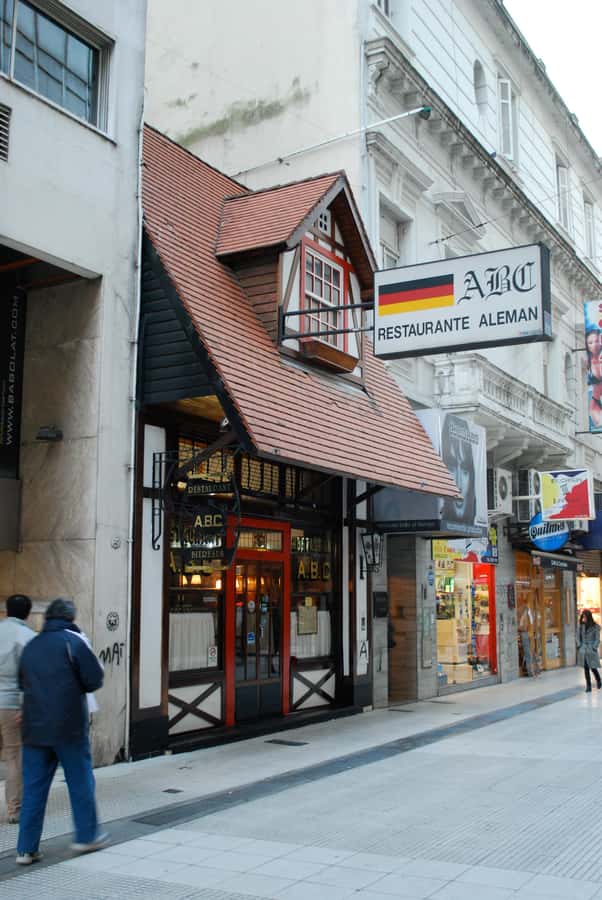
Next comes ABC Restaurant. This is one of the stops that carries multiple of the tour’s headline themes, including a neo-Nazi attack in the 1960s. It is also where you hear about Adolf Eichmann sitting for a cup of coffee, a detail that helps turn a major Holocaust-era figure into something you can locate in Buenos Aires geography.
Even if you have read about Nazi fugitives before, the coffee story functions differently than a timeline. It makes you think about movement, networks, and the way ordinary-seeming habits can sit beside extraordinary crimes. The emotional impact is real, so I recommend you take a second, look around, and let the guide finish the full context before you rush to the next stop.
Again, entry is not included at this site. Your learning comes from the guide’s framing and the surrounding setting you are standing in.
Museo de Armas de La Nación Tte. Gral. Pablo Riccheri: weapons, power, and why it matters
At Museo de Armas de La Nación Tte. Gral. Pablo Riccheri, you get a different angle on the same story. This stop is about connecting politics to the tools of violence, and about understanding how postwar power dynamics could make crimes easier to hide or harder to stop.
Even with no inside entry guaranteed, the museum location helps anchor the discussion. You can link what you already know about WWII and the Holocaust to the reality that ideology often travels with institutions, equipment, and decision-making structures.
This is a good place for listeners who want the tour to be more than names and dates. The guide’s job here is to make the relationship between ideology and state capacity feel logical, not accidental.
Palacio San Martín: where Argentina’s postwar political debate gets attention
You continue to Palacio San Martín for another 20-minute stop. This is where the tour’s political thread gets stronger, especially around debates about Juan Domingo Perón and why he is such a central figure in Argentina’s 20th-century story.
Perón comes up because the Nazi migration debate does not live in a vacuum. The question is not only who fled after 1945, but what Argentina’s political environment made possible. A building like Palacio San Martín gives the guide a natural stage to explain how power works, how narratives get built, and how complicating factors appear.
This is also a stop where you should lean into questions if something feels unclear. The tour format supports dialogue, and the guide seems to welcome participation.
Italian Circle of Buenos Aires: communities, influence, and how the story spreads
At the Italian Circle of Buenos Aires, the tour shifts toward social context. This is where you can see how immigrant communities and civic institutions fit into the broader picture, including how people and ideas can travel through networks.
This stop also helps explain why the story is debated. When you talk about migration, you have to talk about intermediaries, community structures, and the ways information can be hidden or misunderstood. The guide uses the street setting to show you what it means for historical events to be tied to local institutions.
You will likely come away thinking less in terms of a single villain and more in terms of systems, incentives, and cover. That is not an excuse. It is how history actually works.
Plaza Embajada de Israel: the end point tied to the Jewish story and major terror attacks
The tour finishes at Plaza Embajada de Israel, at the memorial site for the former embassy. This is framed as a visit connected to one of the worst terrorist attacks in Latin America, and it ties directly into the fate of the Jewish community in Buenos Aires, described as the second largest in all of the continent.
You also spend time here learning the broader arc, including the spy-like story of Adolf Eichmann’s identification and capture. Ending at a memorial like this can hit hard, but that is part of the point. The guide brings you to the end of the narrative where the human impact is not abstract.
Practical note: this stop is also a place where you can pause mentally. You will have walked a good chunk of the city already, so give yourself a moment before you head off on your own.
Price and value: is $25 fair for a 2.5-hour English walk with a guide?
At $25 per person, this tour is priced like a budget-friendly history option, not a premium museum day. For that money, you get a live English guide, a planned route, and about 2.5 hours of time spent on a specific topic that is rarely handled with this level of care.
Where the value shows is in the approach. You are paying for interpretation, sourcing, and context, not just someone pointing at plaques. The reviews you might see for a tour like this tend to focus on how Max explains material with nuance and how he supports points with graphics and relevant visuals. That kind of preparation is what makes the price feel reasonable, because it turns a walking tour into a structured learning experience.
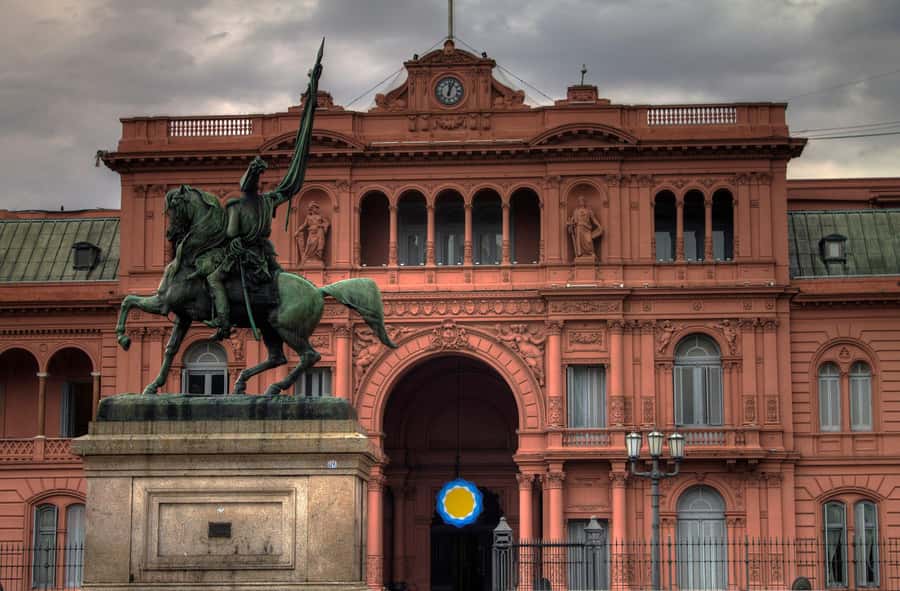
The main trade-off is that it is not a ticket-in, ticket-out day. Entries are not included for some big sites like Casa Rosada, the Libertad Synagogue, or Luna Park. So if you were hoping for lots of indoor sightseeing, you will need other stops on your own afterward.
Who should book, and who should skip this Nazi history walk
This tour is a strong fit if you:
- want history that connects WWII to what happened in Buenos Aires afterward
- prefer a guide who treats disputed claims carefully
- are comfortable with difficult topics and want real context
- enjoy discussion and Q and A, not just passive listening
You might think twice if you:
- need a fully wheelchair accessible route, since the tour is not suitable for wheelchair users
- are traveling with kids under 10, since it is not suitable for them
- want a short, light overview of Argentina. This is more intense than that
It also helps if you already know the broad outlines of WWII and the Holocaust. The guide can answer questions, but the tour is built for people who want to understand, not people who want the basics first.
Practical tips so the walk feels manageable
- Wear comfortable shoes. This is a walking tour across central neighborhoods.
- Bring water, especially on warm days.
- Plan for a 10-minute restroom pause during the tour.
- Since some sites are outside and entries are not included, set expectations that the tour is about guided context, not inside access to every landmark.
Also, keep in mind that this is an English tour. If you are fluent, you will enjoy the nuance more, and you will be able to participate in questions without missing key points.
Should you book Nazis in Buenos Aires with Klio Tours?
I would book it if you want something more thoughtful than a standard Buenos Aires highlight loop, and if you care about understanding how postwar history played out in real places. The best reason to choose it is the guide’s approach, a careful, interactive style that stays focused on sources and nuance while still keeping the pacing solid.
Skip it if you are looking for an easy afternoon or if you need accessibility features the tour cannot provide. This is a serious walk through serious material, and it works best when you show up ready to learn.
If you book, do yourself a favor: read a little about WWII and the Holocaust first, then bring questions. You will get more out of it, and the stories will land in a way that feels both local to Buenos Aires and painfully connected to the modern world.
FAQ
How long is the walking tour?
It lasts about 2.5 hours.
Is the tour offered in English?
Yes, the live guide speaks English.
What does the $25 price include?
The price includes a two-hour walking tour and a guide.
Where does the tour start?
You meet near the Monumento a Juana Azurduy, a few meters away, with Max wearing a black cap by the benches facing the Palacio Libertad.
Where does the tour end?
The tour ends at Plaza Embajada de Israel, at the memorial site of the former embassy of Israel.
Do I get entry to Casa Rosada or other buildings?
No. Entry to the Casa Rosada, the Libertad Synagogue, and Luna Park Stadium is not included.
Is there a restroom break?
Yes, there is a 10-minute pause to use the restroom.
What should I bring?
Bring comfortable shoes and water.
Is this tour suitable for children or wheelchair users?
No. It is not suitable for children under 10, and it is not suitable for wheelchair users.
Do I need prior knowledge of WWII and the Holocaust?
Basic knowledge is preferred, but the guide will answer questions about Nazism, Judaism, World War II, or Argentine history.
Recently reviewed around Buenos Aires
- Meet Locals: Language Exchange Café in Buenos Aires★ 5.0 · 10 reviews
- Piazzolla Tango Show Only In Buenos Aires★ 4.5 · 10 reviews
- Madero Tango Show Including Executive Dinner In Buenos Aires★ 3.5 · 10 reviews
- Private City Tour & Transfer to the International Airport★ 5.0 · 10 reviews
- Esquina Homero Manzi Tango Show Ticket Including Optional Dinner in Buenos Aires★ 4.5 · 10 reviews
- VIP Dinner & Tango Show at El Viejo Almacen★ 4.5 · 10 reviews
- Buenos Aires City Tour★ 4.5 · 11 reviews
- Premium service Buenos Aires city tour for small groups★ 4.0 · 11 reviews
Walking Tours, compared.
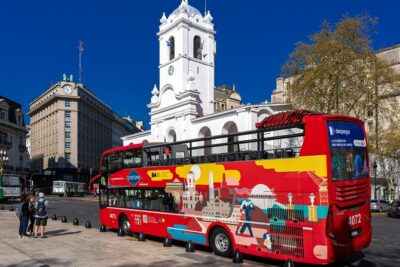
Buenos Aires Hop-On Hop-Off Bus, Free Walking Tours & Discounts
Read our review →
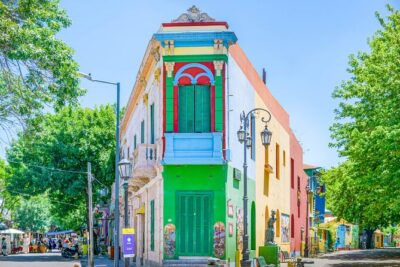
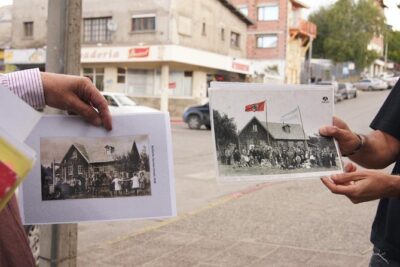
German Footprint & Nazi presence – Walking Tour in Bariloche
Read our review →
Full Day Buenos Aires Private Walking Tour – Your Own Personal BA 101
Read our review →
Discover Buenos Aires: Walking Tour Through San Telmo & Center!
Read our review →
Browse the lists this tour appears in