
Reviewed · WHALE WATCHING
Puerto Madryn: El Doradillo Whale Watching Half-Day Tour
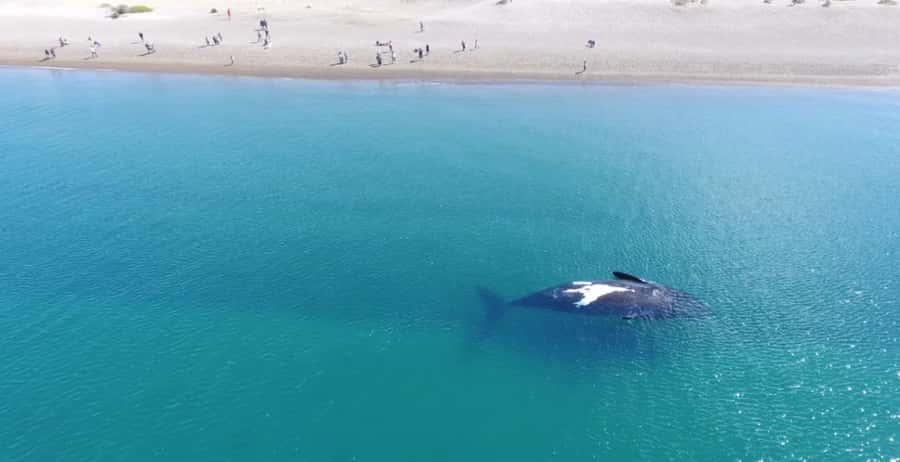
This is interesting because you get southern right whales close to the beach, without a boat ride. I love how the tour is built around land-based watching at two standout coastal spots, Punta Flecha and Playa Las Canteras, inside the El Doradillo protected area. I love that your guide focuses on real whale behavior, migration timing, and conservation efforts, so you understand what you are seeing.
One possible drawback: you will be outside on an often windy, changeable Patagonian coastline, so you need warm layers and comfortable shoes.
Why El Doradillo Whale Watching Feels Special From the Shore
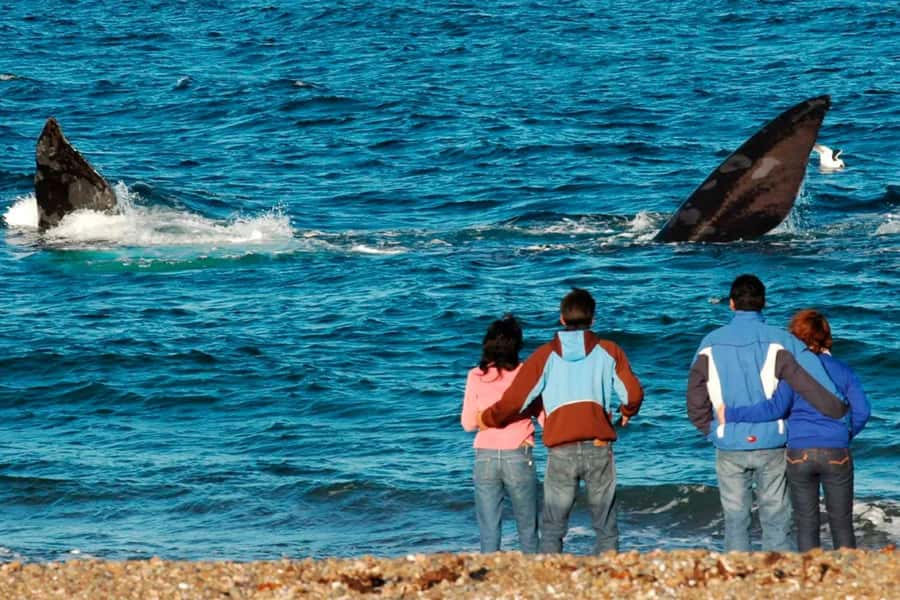
- Two prime shore viewpoints: Punta Flecha and Playa Las Canteras, both known for close sightings
- Breeding-season focus (June to October) when calves and nursing are most likely
- Real behavior, not just spotting: breaches, tail-slaps, and close-up nursing from the beach
- A guide-led learning layer on migration patterns and conservation work
- Patagonia wildlife beyond whales: seabirds, guanacos, and Patagonian hares in the wider area
El Doradillo: A Protected Coast Where Whales Come Close
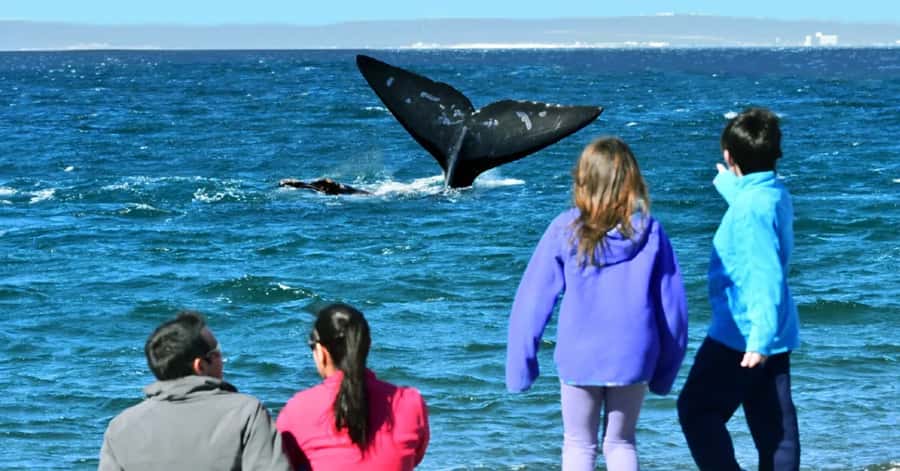
Puerto Madryn is one of those places where wildlife feels less like a distant photo op and more like something happening right in front of you. This tour takes you to the El Doradillo protected coastal area, where land-based whale watching is the main event. That alone changes the whole vibe. Instead of being passengers on a rolling vessel, you stand where whales decide to pass close to shore.
The big value here is that you are not just chasing sightings. You learn what you are looking at. The tour centers on southern right whales and uses your guide to connect behavior to the whales’ seasonal rhythm. Breeding season runs from June to October, and that is when chances for close mother-calf moments tend to be best.
You will also get an authentic Patagonian backdrop. Think open coastline, quiet beaches, and wildlife sightings beyond whales, including seabirds, guanacos, and Patagonian hares. Even when you are waiting for whales to surface, the surroundings keep the time moving.
A few more Puerto Madryn days worth comparing
- Valdes Peninsula: Full Day with Whale Watching
★ 4.5 · 98 reviews - Peninsula Valdes Tour with Optional Whale Watching
★ 4.5 · 73 reviews - Full Day Peninsula Valdes Experience – optional Whale Watching
★ 5.0 · 53 reviews
Pickup, the Van Ride, and How to Think About the Timing
The tour runs about 3 hours, so it is not the kind of half-day outing that drains your whole afternoon. You start with hotel pick-up in Puerto Madryn, then take a van transfer that takes roughly 30 minutes before your first stop.
After that, you have about 20 minutes at the initial viewpoint, then a short 5-minute van transfer to the next location. The longest block is the wildlife viewing time at about 1.5 hours. Finally, you return to Puerto Madryn with another 30-minute van ride.
Here is how I’d plan your expectations: you are not expected to see whales constantly for 90 minutes straight. Wildlife watching often has rhythms. You will likely do more than one scan, and your guide can help you read whale movement and behavior. In other words, the time is short enough to feel efficient, but long enough that you are not rushed off the beach.
Punta Flecha: Where You Start With Strategy and Learning
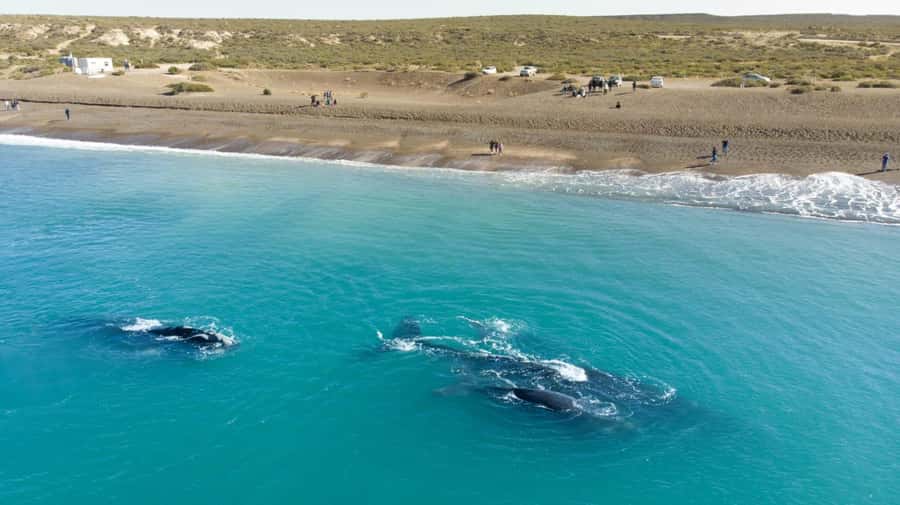
Your first major stop is Punta Flecha, a viewpoint managed by the Patagonia Natural Foundation. That matters because this area is set up for watching, not random roadside peeking.
From this elevated platform, you can spot whales swimming close to the coast. The location is designed for scanning, so it is a good early step. It also gives your guide a chance to set context before you move to the sand.
What you gain at Punta Flecha is understanding. The guide talks through whale behavior and migration patterns, plus the conservation work tied to protecting the coastline and the whales that depend on it. In practical terms, this turns your experience from I saw a whale into I know what that behavior likely means.
If you get time to use binoculars here, do it. A pair helps you see where whales are moving, and it improves your odds of spotting a calf near its mother from the start.
Playa Las Canteras: The Beach That Can Put Whales Very Close
Then comes the part people talk about most: Playa Las Canteras. This is one of the best shore-based whale watching areas because of the beach’s underwater slope. In plain language, the water gets shallower in a way that allows whales to come extremely close to shore, sometimes only a few meters away.
Standing safely on the beach, you can watch southern right whales do the behaviors that make this tour worth your time: breaches, tail-slaps, and mother-calf moments like nursing. When whales decide to approach closely, it can feel unreal, because you are not just observing a distant animal. You are watching natural behavior in real time, from a perspective that feels intimate.
This is also where I’d be most intentional about your posture and gear. If you want photos, aim to be ready before the action peaks. Bring sunscreen and a hat, even in cooler weather. Coast glare can be stronger than you expect.
The wildlife viewing block is about 1.5 hours, so you should have time to settle in, scan, and enjoy multiple whale moments rather than just one quick surface.
A different sort of day out of Puerto Madryn:
- Snorkeling with Sea Lions by Madryn Buceo
★ 5.0 · 347 reviews - The Best of Peninsula Valdés in one day
★ 5.0 · 232 reviews - Shore Tours Punta Tombo Cruise Ship Passengers Puerto Madryn
★ 5.0 · 169 reviews - Cruise Shore Excursion Peninsula Valdes – Pto Madryn – Patagonia – Argentina
★ 4.0 · 111 reviews
What Your Guide Actually Helps You See
Your guide is the difference between a good outing and a memorable one. The tour includes an English/Spanish speaking guide, and the focus stays on helping you interpret whale behavior and timing.
You’ll get explanations about:
- Whale behavior: how whales surface, move along the coast, and interact in ways you can recognize from the beach
- Migration patterns in the seasonal window when whales are present
- Conservation efforts, so you understand why this coastal area is protected and why safe viewing matters
One guide named Roy has been praised for being attentive and for sharing lots of interesting details. That same guide has also offered coffee and biscuits during the outing, which is a small touch but a genuinely nice one when the wind has teeth. If you happen to have Roy, you’ll likely appreciate his pacing and the way he answers questions.
Even if you only remember a few things, this is what makes the experience feel complete. You are not just watching whales. You are learning how to watch them.
When to Go: June Through October Matters
The tour is tied to southern right whale season. The strongest focus is during the breeding season from June to October, when you are more likely to see mother-calf activity along the coast.
If you can choose dates, lean toward those months. That gives the tour its best odds for the full range of behavior people hope for, including nursing and close interactions near shore.
Even outside peak breeding months, you can still see whales when they are present. The key is that your chances for the most dramatic mother-calf moments rise during the breeding season window.
What the Coast Adds: More Than Just Whales
I love that this tour does not treat whales as the only storyline. While your main event is the southern right whales at El Doradillo, the surrounding area supports other wildlife.
As you look around the coastline, you might spot:
- seabirds
- guanacos
- Patagonian hares
That matters because it makes the whole experience feel like Patagonia, not a controlled aquarium-style show. When whales are moving farther out or taking a longer break, you still have the landscape and wildlife activity to hold your attention.
Gear and Dress: Your Real Checklist for a 3-Hour Whale Watch
Since you are watching from the shore, preparation is mostly about staying comfortable. The tour gives guidance on what to bring, and it is spot on.
Bring:
- Warm clothing (weather can change fast)
- Comfortable shoes for walking time on coastal ground
- A hat
- Camera
- Sunscreen
- Water
- Binoculars
Plan for unpredictability. Even if the morning starts clear, coastal wind and cool air are common. Layering is your friend.
Also follow whale etiquette: respect wildlife and keep a safe distance. This is not just a rule, it helps keep the viewing safe for both you and the animals.
Quick note on rules: pets are not allowed, and smoking is not allowed. If you travel with a fur friend, this one needs a sitter.
Price and Value: Is $70 Worth It?
At $70 per person, this tour sits in a price zone where value really depends on what you care about most. If your goal is to maximize the odds of close whale viewing from land, this price starts to make sense fast.
Here’s what you are paying for:
- A guided experience with explanation, not just a parking lot scan
- Hotel pickup and drop-off in Puerto Madryn
- Access to two well-chosen shore viewing spots
- A chance to see multiple whale behaviors, including the dramatic ones like breaches and tail-slaps
You might pay less for a DIY walk to the coast, but DIY usually lacks the interpretation and the best viewing strategy. The guide helps you read what is happening, which is a huge part of why land-based watching can feel so powerful.
Also, the coffee and biscuits offered by guide Roy is a small value-add that makes the time feel more cared for. Meals and drinks are not included, so you might want to grab something before or after, but you’re not left hungry during the core viewing window.
Who This Tour Suits Best
This is a great match if you want:
- a short, efficient outing (about 3 hours)
- land-based viewing with whales close to shore
- a guide who explains behavior and conservation, not just wildlife spotting
- the chance to see mother-calf behavior during the June to October window
It is also a good choice if you dislike boat rides or get nervous on water. Since the viewing is from shore, you stay grounded and focused.
Who might consider skipping it: people who need wheelchair access. The tour is not suitable for wheelchair users, likely because the coastal viewing areas and walking segments are not designed for that kind of mobility.
A Balanced Reality Check: Weather and Comfort
I’ll be honest about the biggest practical consideration. Patagonian weather can turn quickly. You can have a great whale session and still feel cold, especially on a windy beach. That is why warm layers matter as much as binoculars.
The other “reality check” is whale timing. You are watching wild animals. Sometimes you get repeated action. Sometimes it takes a little time. The guide’s role is to help you make the most of the wait, and the 1.5 hours of wildlife viewing gives you room to enjoy more than one moment.
If you treat it like a living wildlife session instead of a guaranteed show, you will be happier.
Should You Book Puerto Madryn El Doradillo Whale Watching?
If you want close, land-based southern right whale watching and you like learning while you look, I think you should book this. The pairing of Punta Flecha for an elevated scan and Playa Las Canteras for very close shore viewing is a smart two-part approach.
Book it especially if your dates fall in June through October, because that’s the best window for breeding-season behavior, including nursing and calf-related moments.
Skip it if you need wheelchair-friendly access or if you cannot handle cold, wind, and time outdoors. Otherwise, this is one of those outings where the memories are tied directly to what you see, not just where you went.
FAQ
How long is the Puerto Madryn El Doradillo whale watching tour?
It lasts about 3 hours.
Is hotel pickup and drop-off included?
Yes. Pickup and drop-off from your accommodation in Puerto Madryn are included. You provide your address when reserving.
What language is the guide?
The guide speaks English and Spanish.
When is the best season to see southern right whales from the shore?
The tour focuses on the breeding season from June to October.
What should I bring for the tour?
Bring comfortable shoes, warm clothing, a hat, a camera, sunscreen, water, and binoculars.
Is the tour wheelchair friendly?
No, it is not suitable for wheelchair users.
Recently reviewed around Puerto Madryn
- Shore Excursion PENINSULA VALDES Cruise Passengers★ 4.5 · 12 reviews
- Nautical Adventure in Search of Dolphins★ 5.0 · 12 reviews
- Puerto Madryn: Peninsula Valdes National Park Day Trip★ 4.5 · 13 reviews
- Private Diving Experience with Sea Lions in Punta Loma★ 5.0 · 13 reviews
- Shore Excursion Peninsula Valdes or Punta Tombo – Private Car★ 5.0 · 14 reviews
- Full Day Punta Tombo Penguin Paradise★ 4.5 · 14 reviews
- Walk with the Penguins- EARLY BOOKING -20% OFF Cruise Passengers★ 4.5 · 14 reviews
- Puerto Madryn Shore Excursion: Private Tour of Trelew and Gaiman★ 4.0 · 15 reviews
Whale Watching, compared.
Peninsula Valdes Tour with Optional Whale Watching
Read our review →
Full Day Peninsula Valdes Experience – optional Whale Watching
Read our review →
Peninsula Valdés Excursion with Whale Watching Included
Read our review →
Orcas Private Tour Puerto Madryn Caleta Valdes or Punta Norte
Read our review →
Browse the lists this tour appears in