
Reviewed · QUEBRADA DE HUMAHUACA
From Salta:Cafayate and the imposing Quebrada de las Conchas
The route through Quebrada de las Conchas is interesting because it feels like the desert turned into sculpture, with rock shapes you can’t help naming as you go. I love the tight sequence of guided photo stops that get you moving on and off the bus for quick walks, and I love the wine tasting in Cafayate, a serious wine town in the Calchaquí Valley. One consideration: the day is packed into 12 hours, so if you want long, slow hanging-out time, the schedule may feel rushed.
You start with pickup in Salta, then head out with a bilingual guide in English and Spanish. In recent outings, guides such as Carolina and Lourdes have earned praise for explaining what you’re seeing. That said, I’d plan for the practical side too, because a delayed pickup can throw off your whole morning.
Quick hits before you go
- Quebrada de las Conchas Natural Reserve gives you a best-of set of formations with short walks for photos.
- Cafayate winery visit includes a guided tour plus wine tasting of the area’s top bottles.
- Bilingual guide support in Spanish and English, though winery staff language can vary.
- Calchaquí Valley + Wine Route meaning, you get views and context, not just “look and go.”
- 12 hours door to door with two long bus stretches, so comfortable shoes matter.
Why Quebrada de las Conchas feels like a natural art museum
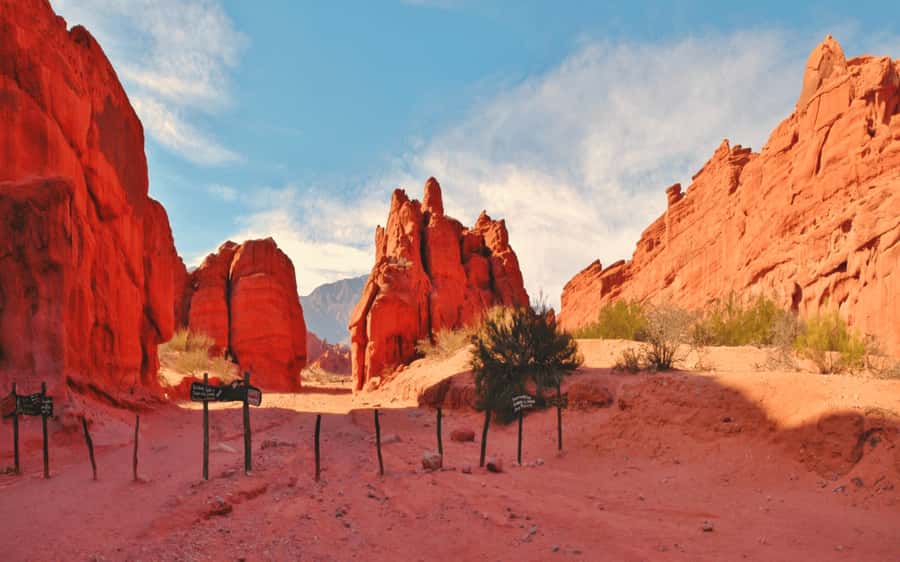
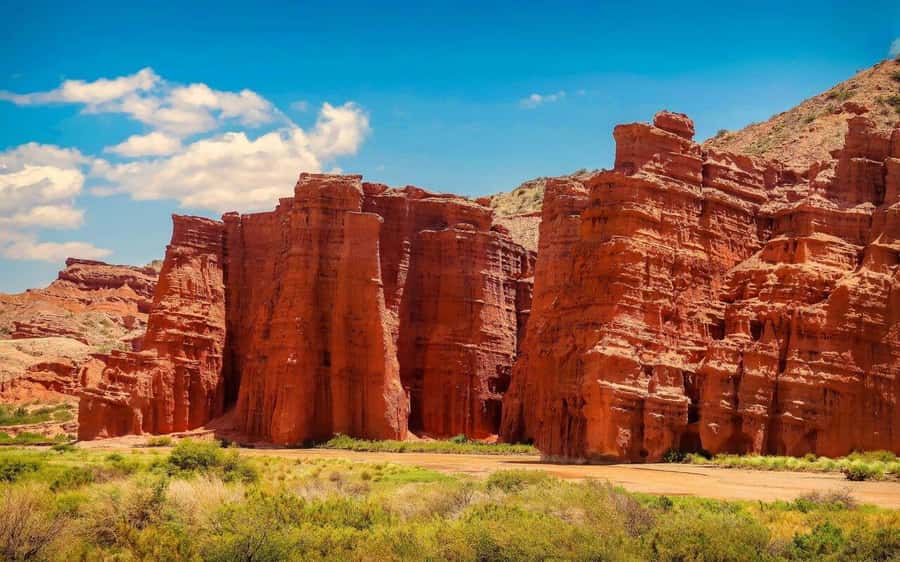
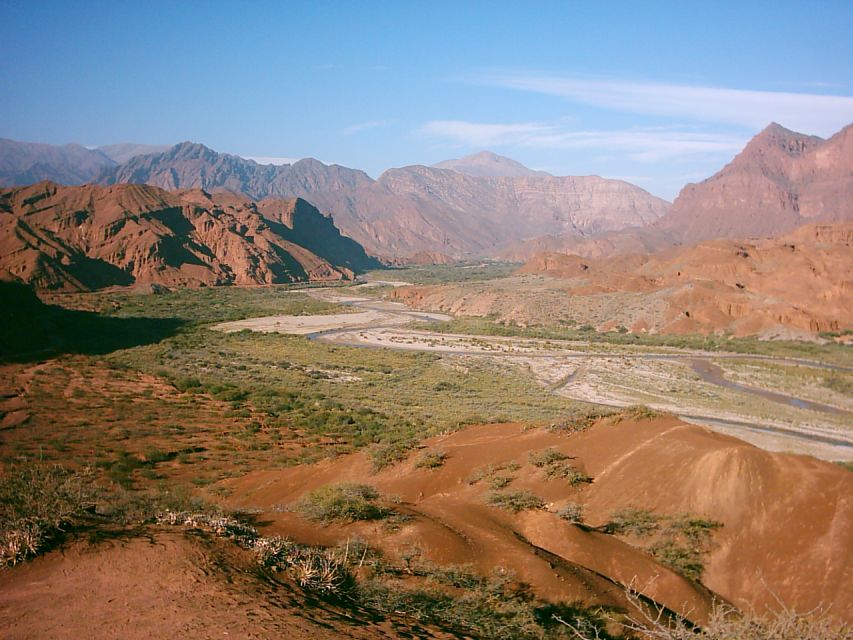
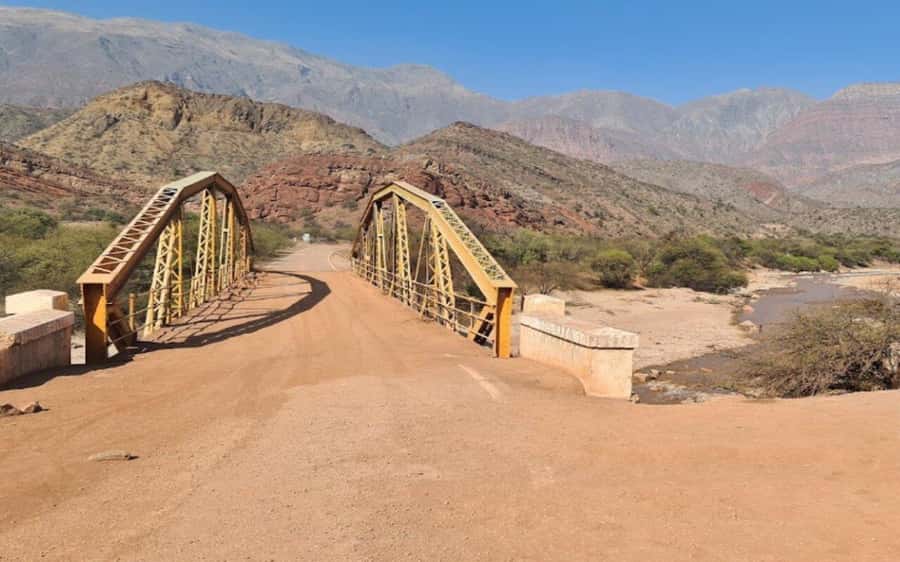
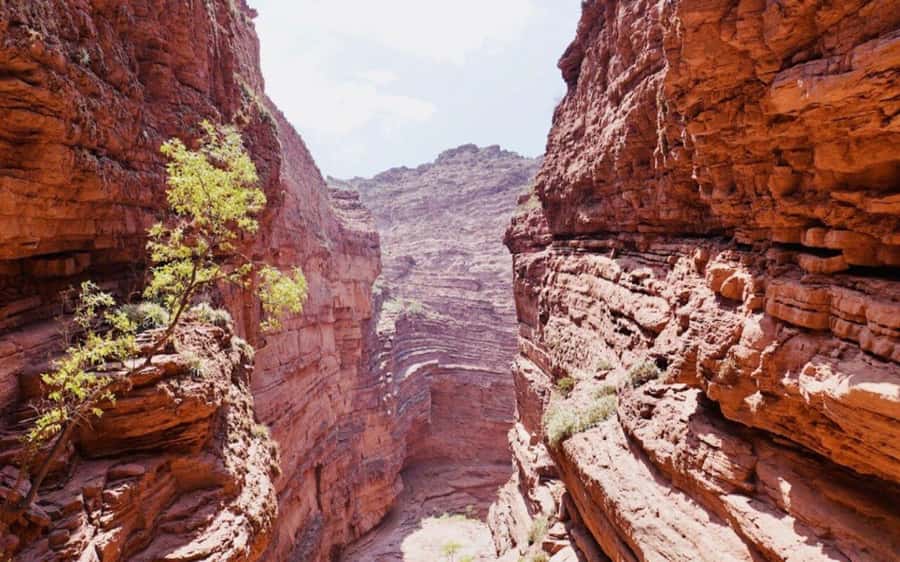
If you’re picturing Argentina as mostly mountains and big cities, this day trip corrects that idea fast. Quebrada de las Conchas is all about geology as storytelling. The rock walls rise close to the road, and the colors shift from dusty beige to orange and red tones, depending on the light and where the bus turns. It looks dramatic even when you’re not trying to take a perfect photo.
What makes this stretch special is the way the stops are organized. You’re not stuck staring from the window the whole time. You get quick, guided visits at recognizable spots, plus short walks. That matters because many of the formations only make sense when you’re close enough to see the shape and scale.
More Cafayate wine valley trips:
- From Salta: Full-Day Tour to Cafayate with Wine Tasting
★ 4.5 · 478 reviews - Full-Day Tour Cafayate Calchaqui Valleys with Wine
★ 4.5 · 347 reviews - From Salta: Cafayate, land of wines and imposing ravines
★ 4.4 · 347 reviews
Salta pickup and the ride out to Cafayate (what the timing really means)
The trip is designed as a long day, starting with pickup from hotels or central addresses within about 15 blocks of Salta’s main square. The pickup window is tight, and the driver carries a sign with their last name, so be ready and waiting a bit early.
Once you leave Salta, you’re on the coach for about 2 hours before you even hit the first major viewpoints. That sets expectations: this is not a relaxed “half-day tour.” You’ll spend a big chunk of your day traveling, with your best concentration time happening during the gorge stops and the Cafayate break plus winery visit.
One practical tip: if you’re the type who loves to photograph, this is where you’ll want to be mentally on. Light in the gorge can change quickly, and a delayed start can push your best viewing into harsher sun or different angles. Reviews have included complaints about late pickups, so treat the start time as “plan to be ready early,” not “wait until you think the bus should arrive.”
Lerma Valley first, then the gorge, and how to not get car-sick
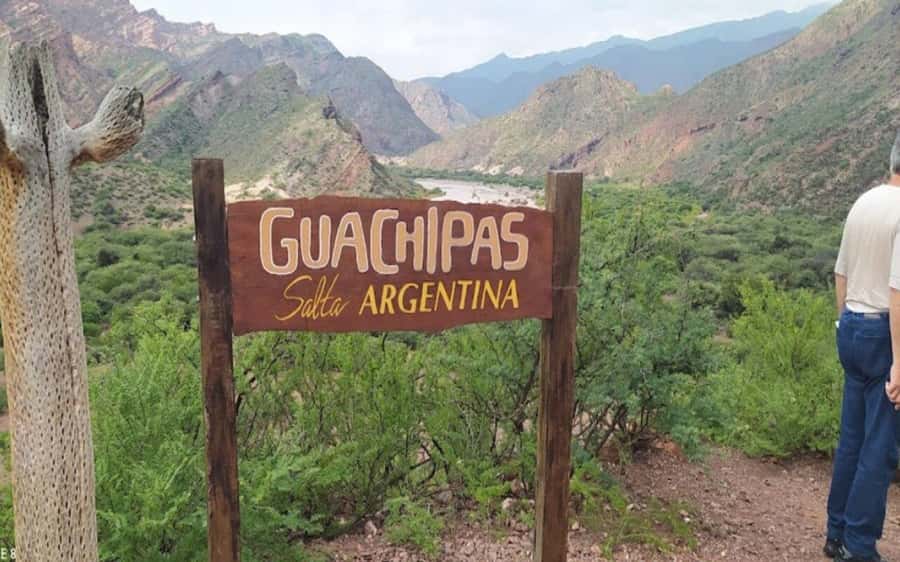
Before you’re in the reserve, you’ll cross from Salta into the Calchaquí Valley area, traveling through the center and south of the Lerma Valley. The route is low altitude road style, running alongside a narrow valley framed by colorful hills.
This part is more than just getting there. It’s your warm-up, where you start noticing why the later rocks look the way they do. You’re also clocking the rhythm of the day: drive, stop, walk, photo, move again.
If you’re sensitive to motion, now is the time to plan for it. The vehicle is a sprinter or minibus, so depending on the road and how full it is, rides can feel more bumpy than you’d expect. Bring the usual help, settle in, and don’t try to do reading-heavy tasks during the curves.
Devil’s Throat, El Anfiteatro, and the formations you’ll actually remember
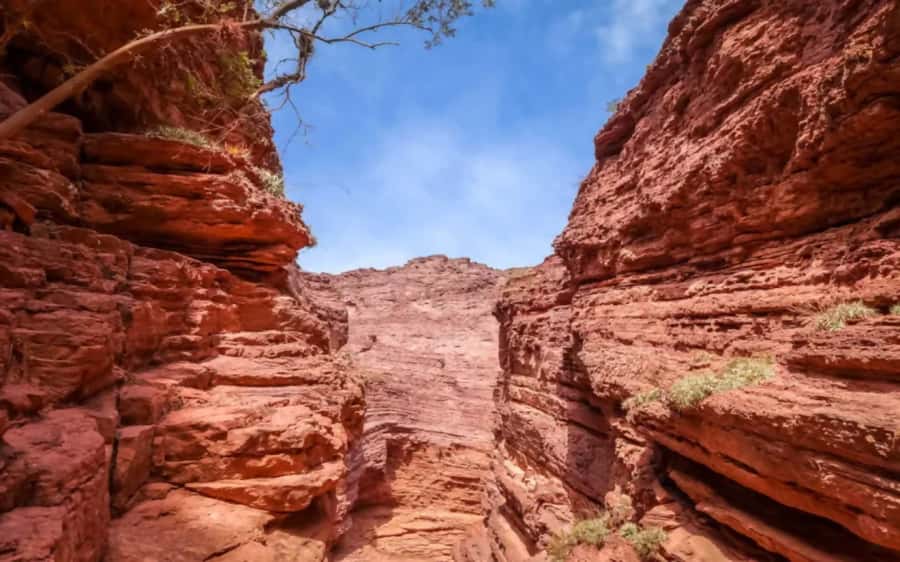
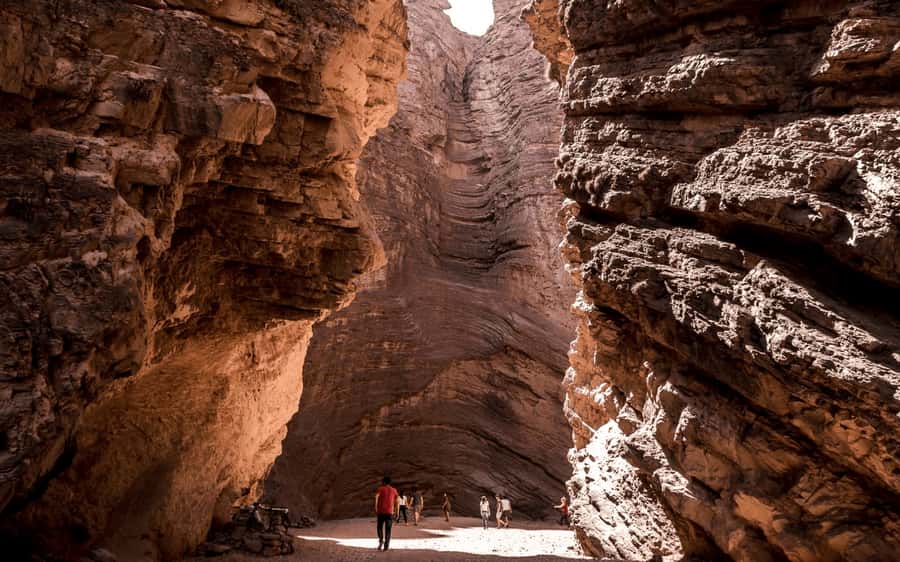
The first iconic stop is La Garganta del Diablo, the Devil’s Throat. You’ll do a photo stop plus a short guided visit, with a brief walk. The name is dramatic, but the experience is simple: you’re standing near a narrow, natural cut in the rock formations, and once you see it, you’ll understand why locals gave it that nickname.
Next comes El Anfiteatro. Again, expect a photo stop and guided sightseeing with a short walk. This one is about shape and framing. You get the feeling of an amphitheater because the rocks create a bowl-like sense of space. It’s an easy stop to enjoy even if you’re not a geology person, because it’s readable at a glance.
These early stops also help you calibrate for the rest of the gorge. After two or three moments, you start spotting patterns: layers, erosion marks, and the way wind and time carved the “faces” and “structures” people talk about. It’s not just pretty. It’s legible.
More Quebrada de Humahuaca trips:
- From Salta: Full-Day Trip to Salinas Grandes and Purmamarca
★ 4.6 · 914 reviews - From Salta: Salinas Grandes, Purmamarca & Los Colorados Hike
★ 4.3 · 356 reviews - Full-Day Tour Salinas Grandes and Purmamarca from Salta
★ 4.0 · 220 reviews - Salinas Grandes and Purmamarca: Full Day Excursion from Salta Capital
★ 4.5 · 207 reviews
The Windows, Castles, Yesera, Toad, Friar, Obelisk, and more
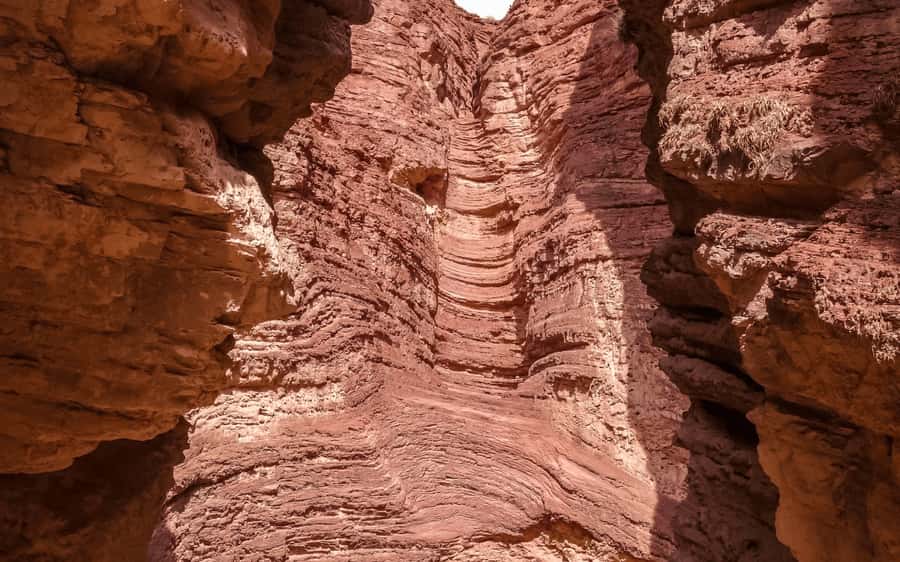
After those first anchors, the tour keeps moving through named highlights inside the Quebrada de las Conchas reserve. Some stops are very short, more like quick viewing and guided context, while others give you a few minutes on your feet.
Here are the kinds of formations you’ll see as you go:
- The Windows: natural openings that frame the view like a photo filter.
- The Castles: rock silhouettes that look stacked and fortified.
- La Yesera: another named rock face, often photographed for its distinctive look.
- El Sapo: a short stop with a guide pointing out the resemblance behind the nickname.
- The Toad: yes, there’s another animal moment, again tied to the way the rock erodes and forms.
- The Friar and The Obelisk: more “named vertical” moments where scale hits you once you’re close.
A lot of the joy here is that you’re not just collecting landmarks. You’re learning a visual system. Once your guide points out what a formation is shaped like, you start seeing it everywhere in the reserve. And because the stops include guided walks, you get a better chance to catch different angles than you would from a single static viewpoint.
The main drawback is also practical: with multiple photo stops packed in, you’ll move frequently. If you’re hoping for one slow, unhurried hike, this isn’t built for that. It’s built for breadth.
Cafayate: where the scenery turns into wine
When you finally reach Cafayate, the day shifts from rock formations to wine country. You’ll have a break and some free time, and the center of Cafayate is your change-of-pace moment.
Cafayate is part of the Calchaquí Valley and the Wine Route, which is why this tour isn’t just sightseeing. The winery visit is the “why” behind the region’s reputation. The tasting is marketed as some of the best high altitude wines in the world, and even if you don’t consider yourself a wine expert, you’ll likely enjoy the setting and the chance to compare styles.
The winery portion includes:
- A guided tour
- Wine tasting
- Time to see the winery and walk a bit
What to watch for: the tour guide is bilingual, but winery staff language can vary. There have been comments about some parts being Spanish-heavy at the winery. If English is crucial to your experience, go with a “bring your patience” mindset, and know that your main bilingual support is through your tour guide, not necessarily through every person you meet on site.
Also note that foods and drinks aren’t included. That matters because Cafayate time feels smoother if you plan your meals. Build in your own snack strategy during free time so you’re not stuck hungry while everyone else is happily sampling.
Lunch, walking, and the real comfort checklist
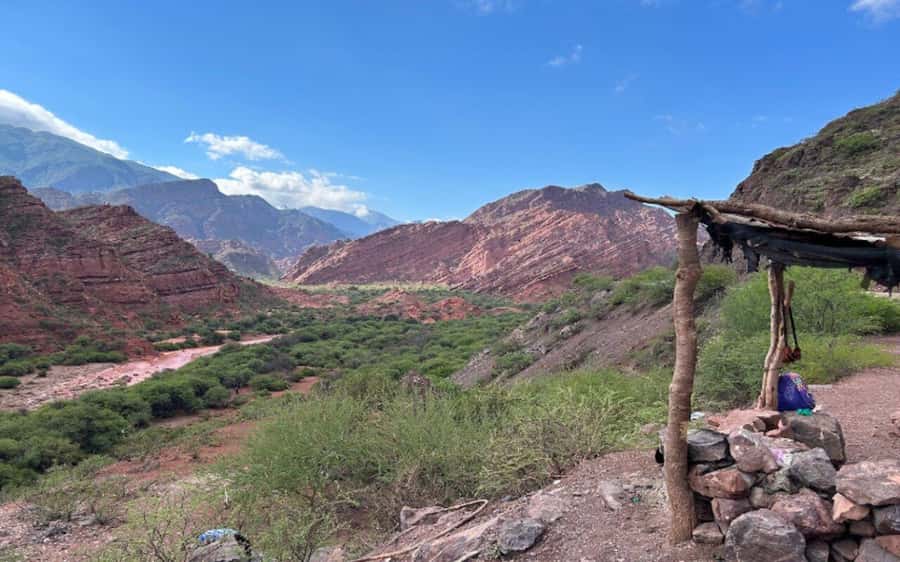
This tour is long, and the walking is short, but you still want comfort. The stop walks range from around 5 minutes to about 20 minutes at the more major viewpoints. That sounds easy, but the terrain is uneven in places, and the rock surfaces can be hotter than you expect under strong sun.
Bring:
- Passport or ID card (required)
- Comfortable shoes
- Sports shoes are also a good option
For comfort, I’d also plan around dry weather and sun exposure, even though the tour details don’t promise shade at each stop. The reserve style tends to be exposed. If you’re the type who burns quickly, treat this as a “hat and sunscreen” day.
One more thing: there’s no food or drink included. That’s not a deal-breaker, but it means you’re the one managing your energy. If you run low, the rest of the gorge stops can start to feel like work.
Price and value at about $29: what you’re paying for
At around $29 per person, you’re not paying for an all-inclusive luxury day. You’re paying for three things that are hard to assemble on your own:
First, the transport from Salta to the gorge and back. Even though it’s a shared coach with about 2 hours driving each way, it saves you from renting a car, navigating winding roads, and trying to time gorge viewpoints.
Second, the guided stops in the reserve. Quick walks plus explanations add real value, because Quebrada de las Conchas is full of named formations. Without a guide, you can still photograph the rocks. With a guide, you start understanding why those shapes got those names.
Third, the winery visit in Cafayate with tour plus wine tasting. That’s the structured “wine route” piece, and it turns the day into more than a photo trip.
The value trade-off is that the schedule is tight. If you want slow wandering, this isn’t optimized for that. If you want a high value day built around major highlights, the price makes sense.
Who should book this Salta to Cafayate day trip, and who should skip it
This tour is a great match if you want:
- A single day to see the named hits of Quebrada de las Conchas
- A guided winery stop in Cafayate, including tasting
- A bilingual guide in English and Spanish
- A plan where you don’t have to worry about transport logistics
It may not be ideal if:
- You’re very sensitive to late pickup. Some experiences have included delays and poor communication at the start of the day.
- You expect every part of the winery visit to be fully English, including staff explanations. Even with a bilingual tour guide, the tasting environment can be Spanish-first depending on the day.
Should you book this tour?
If you’re excited by named rock formations and you want a structured, guided wine stop in Cafayate, this is an easy yes. The pricing and the combo of gorge highlights plus tasting make it good value for a one-day format.
Just go in with two expectations set: the day is full, so build comfort and snacks into the gaps, and treat the morning pickup time as something you should watch closely. If you do that, you’ll leave with photos you actually understand, plus a tasting that makes the region feel real.
FAQ
How long is the Salta to Cafayate tour, and when does it start?
The duration is 12 hours. Starting times vary, so you’ll need to check availability for the schedule.
Is the winery visit in Cafayate included?
Yes. The tour includes a winery visit in Cafayate, with a guided tour and wine tasting.
Are meals or drinks included?
No. Foods and drinks are not included.
What do I need to bring?
Bring your passport or ID card. Wear comfortable shoes, and sports shoes are also recommended.
What happens if it rains or the weather is bad?
The excursion is not suspended due to rain or bad weather.
Is hotel pickup included in Salta?
Yes. Pickup is included from hotels or central addresses within 15 blocks around the main square, and you should wait in the hotel lobby about 10 minutes before pickup.
Recently reviewed around Salta
- Exclusive day-long private tour of Cafayate vineyards★ 5.0 · 10 reviews
- Cachi and Los Cardones National Park from Salta★ 4.5 · 11 reviews
- Cafayate Wine Trail Excursion: Explore Salta’s Vineyards★ 3.5 · 11 reviews
- Salta: Calchaquí Valley Scenic Drive and Day Trip to Cachi★ 3.5 · 11 reviews
- From Salta: Pack of 4 Excursions in Salta and Jujuy★ 4.0 · 13 reviews
- The Calchaqui Valley Winery and Scenery Tour in Cafayate★ 3.5 · 14 reviews
- Cafayate, Vineyards and Calchaquies Valleys Tour from Salta★ 4.0 · 14 reviews
- Train to the Clouds Experience Admission Ticket★ 4.0 · 22 reviews
Quebrada de Humahuaca, compared.
Full-Day Trip to Salinas Grandes and Purmamarca
Read our review →
Salinas Grandes, Purmamarca & Los Colorados Hike
Read our review →
Full-Day Tour Salinas Grandes and Purmamarca from Salta
Read our review →
Salinas Grandes and Purmamarca: Full Day Excursion from Salta Capital
Read our review →
Full-Day Tour to Humahuaca, Purmamarca and Tilcara
Read our review →
Browse the lists this tour appears in