
Reviewed · TICKETS
Temaiken Biopark Entry Tickets
Temaiken Biopark is interesting because it packs 178 acres into one day, with habitats arranged by region, plus an aquarium and museum stops. I like the way you can spot nearly 2,500 birds across five continents without needing a separate tour. I also like that it is not just about animals, it mixes in native plants and conservation-focused learning across the park.
One possible drawback: animal viewing can feel hit-or-miss depending on where animals are placed and how active they are, so you may spend some time scanning enclosures instead of getting a constant stream of sightings.
Key things I’d focus on at Temaiken Biopark
- Regional zones that move from Buenos Aires native species to Patagonia, Africa, and Asia
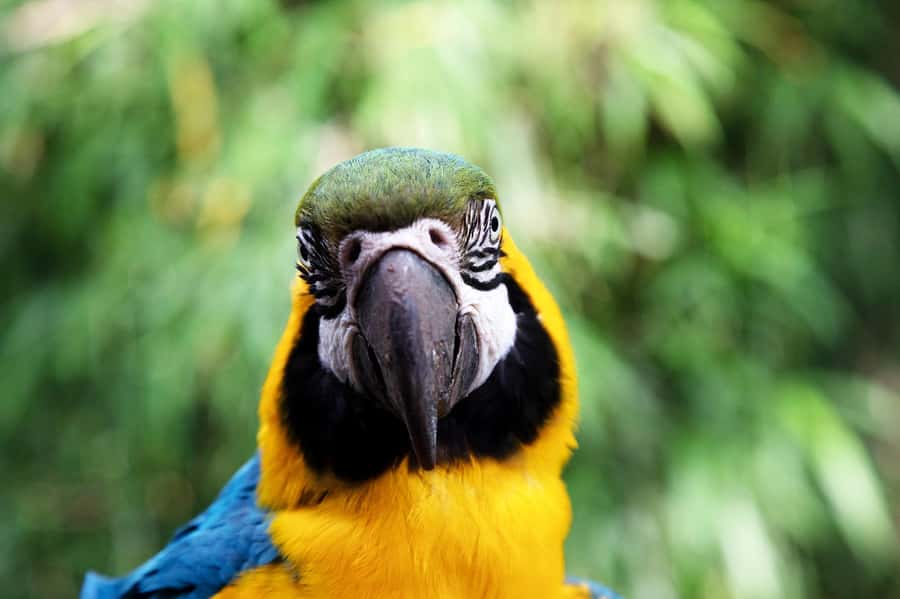
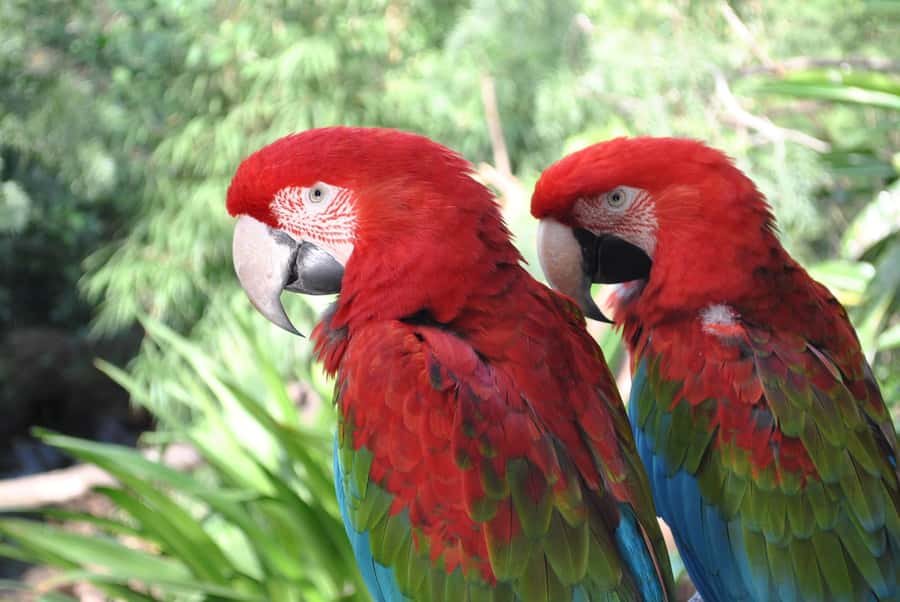
- Bird watching on a big scale, with almost 2,500 birds from five continents
- Signature animals and larger mammals, including tigers, hippos, cheetahs, and zebras
- The aquarium experience, with tide pools and river scenes plus shark tanks
- Native Zone and botanical garden time, especially if you like plants as much as animals
- Plan for a full 8-hour pace, so you do not rush between habitats
Entering Temaiken Biopark with the right expectations
Temaiken Biopark is one of those places where the ticket sounds simple, then you arrive and realize you are in for a full-day walk. The park is in Buenos Aires Province, and it is designed like a nature-themed map of the world, broken into zones. Think botanical gardens, animal habitats, and an aquarium, all on a large property.
The value here is how much is bundled into one entrance ticket. You are not choosing between a zoo visit or an aquarium day. You get the parklands, bird viewing, land animals, and underwater exhibits, plus a natural history and anthropology museum component. For many people, that combination is what makes the price feel reasonable, because you are paying once to access multiple “modes” of visiting.
The big question I would ask you before you go is this: are you traveling to see animals at close range all day long? If yes, you might feel a little frustrated in a park this size if some animals are resting or not in prime view. If, instead, you enjoy the whole experience, meaning plants, geography-by-zone, and a mix of animals and underwater life, you are likely to have a better day.
A few more Buenos Aires days worth comparing
- Local Foodie Adventure in Buenos Aires with Sherpa Food Tours
★ 5.0 · 6,875 reviews - Buenos Aires City Private Tour with Local Guide
★ 5.0 · 3,475 reviews - Buenos Aires Small-Group City Tour
★ 5.0 · 2,226 reviews
Tickets, value, and planning your 8 hours
Your entry ticket is priced around $33 per person, and the planned time on site is 8 hours. That matters, because eight hours is enough to do this place at a relaxed walk-and-pause rhythm. If you only have half a day, you would likely end up rushing the aquarium, skipping zones, and losing the point of the layout.
Also, transportation is not included. The park is outside central Buenos Aires, so you will need to handle getting there on your own. That is part of your real cost, even if it is not written into the ticket price. If you are budgeting carefully, plan your day around travel time so you do not arrive late and miss the parts you care about most.
One small practical note from the way tickets are handled: the local provider, Grupo Summa, sends your tickets about 24 hours before via email or WhatsApp. And the voucher tied to booking does not automatically count as entry. More on that in the FAQ, but it is worth keeping in mind so you do not arrive with the wrong paper.
The park’s layout: zones are the secret to not feeling lost

The smartest way to enjoy Temaiken Biopark is to treat it as a sequence of themed areas. You do not need to see every animal to have a good day, but you do want a plan so you do not wander in circles across 178 acres.
Here is the basic “flow” you can aim for:
- Start with the zones that teach you about local nature and regional ecology.
- Follow the park’s shift from South America to Africa and Asia.
- Finish with aquarium time so your day ends with something different and very visual.
Why this works: each zone uses its setting to explain what animals need, not just what they look like. If you jump around randomly, you lose that learning rhythm, and you start treating it like a checklist. If you go in order, it feels more like walking through a set of nature scenes.
Native Zone and botanical gardens: start with what’s local
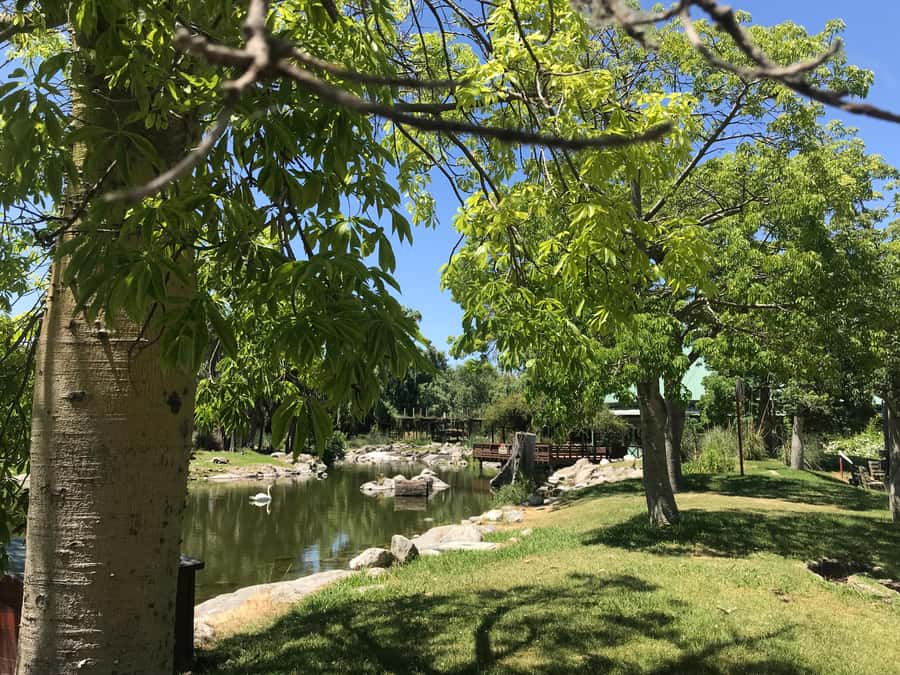
If you enjoy learning as you walk, begin in the Native Zone. This area focuses on Buenos Aires’ native flora and fauna, so it gives you a grounding before you move into more exotic habitats.
Even if you care most about big animals, I think this start is still worth it. You see the plant side of the park first, and that makes later animal habitats feel more logical. It also helps if you are one of those people who notices details, like leaf shape, ground cover, or how plants support birds and small mammals.
The botanical garden component is part of what turns Temaiken Biopark into more than a standard zoo visit. You are surrounded by managed plantings and habitat design, so your photos do not look like plain concrete enclosures.
A different sort of day out of Buenos Aires:
- Buenos Aires Hop-On Hop-Off Bus, Free Walking Tours & Discounts
★ 4.5 · 2,218 reviews - Buenos Aires: Piazzolla Tango Show with Optional Dinner
★ 4.4 · 2,122 reviews - Buenos Aires: City Highlights Guided Tour with Transfer
★ 4.7 · 1,946 reviews - Buenos Aires: Hop-On Hop-Off City Bus Tour
★ 4.2 · 1,855 reviews
Mesopotamian Fauna: black yacarés, tapirs, and lagoon turtles
Next up, head for the Mesopotamian Fauna section. This is where the park gets more specific and more interesting for people who like real ecosystems.
In this area, you can look for:
- Black yacarés
- Overos
- Tapirs
- Capybaras
- Lagoon turtles
What I like about this zone is the mix of animals that are tied to wet or semi-wet environments. Capybaras, turtles, and the yacarés all point you toward a “water and edges” habitat type. Even without reading every sign, your brain starts mapping where animals fit in an ecosystem.
A practical tip for this part of the day: give yourself patience here. Water-related habitats can require a little effort to see well, and animals may be partly hidden by structure or vegetation. If you rush, you will miss what is actually there.
Patagonia Fauna: Andes-to-coast storytelling
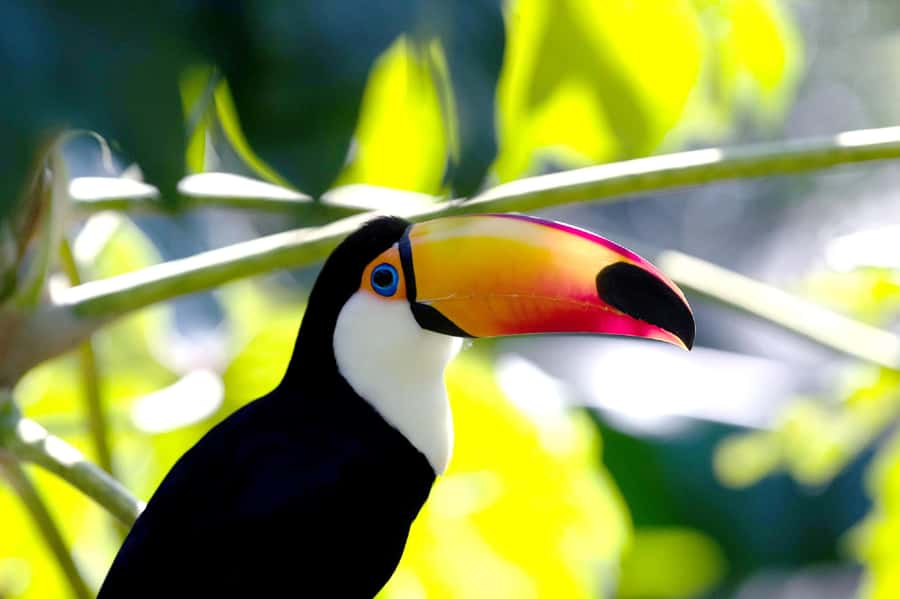
Then you can move into the Patagonia Fauna area, which recreates environments stretching from the Andes Mountain Range to the Atlantic coast. That “two ends, one story” approach is great if you like geography, because it turns the park into a miniature route through different conditions.
Patagonia is not just a theme name here. The idea is to let you visualize the shift from mountain environments to coastal ones. For some visitors, that context is the highlight. For others, it is a nice buffer so the day does not become only about staring at enclosures.
If you tend to get bored by repetitive zoo layouts, this is the section that can reset your attention. You are moving through a concept, not repeating the same type of habitat scene.
African Zone and the island habitats: meerkats to flamingos
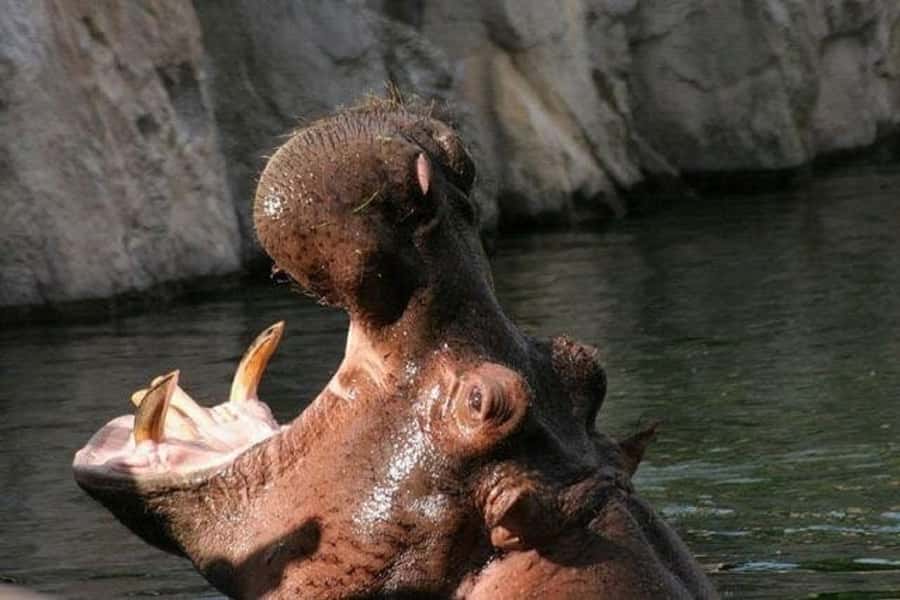
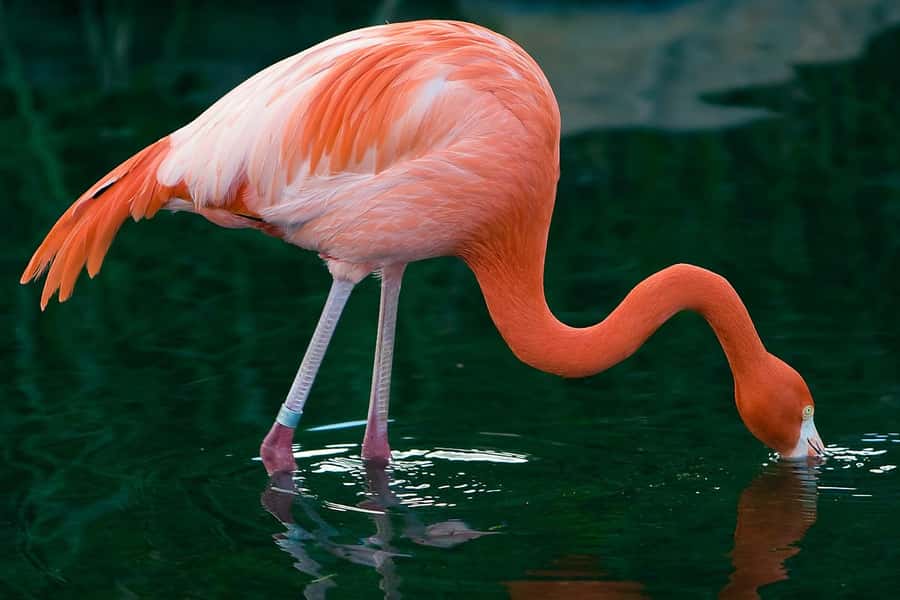
The African Zone is a strong middle-of-the-day stop because it mixes bird life and small mammals with iconic land animals. In this zone, you can spot flamingos and pelicans, plus antelopes and meerkats.
Then the park adds another layer by featuring three islands. These island sections are where you can explore animals like lemurs, hippos, cheetahs, and zebras.
I like island-style layouts because they create a different viewing angle. You are less likely to feel like you are walking the same perimeter around the same habitat. It also helps keep the day varied, especially after you have spent time in water-themed and botanical areas.
One caution based on what I have learned from real visitor experiences: animal visibility can depend on the enclosure design and how active animals are at the time you pass through. If you come expecting nonstop action, you might feel like you are searching. If you come expecting nature-watching, you will probably enjoy the slower moments too.
Asian Zone animal encounters: tigers, flying fox, and bats

After Africa, head into the Asian Zone. This is where the park adds more dramatic predators and flying animals to the mix.
From what the park highlights, you can see:
- Tigers
- Bats
- Flying fox
- Squirrels
This zone often works well for families and animal-focused visitors, because it adds variety in movement. Flying animals and nighttime-type species can create a different kind of viewing than big land mammals.
I recommend treating this area as a “slow scan” zone. If you just walk straight through, you might miss the smaller or harder-to-see animals. Give yourself a moment to look around before moving on. That small adjustment can turn a zone from “where did everything go?” into “oh, I see what they were showing.”
Aquarium time: tide pools, rivers, and sharks

Do not skip the aquarium. The aquarium is the part that tends to feel the most consistently engaging because it is designed for underwater viewing and clear visual storytelling.
The aquarium lets you experience life underwater, including:
- Tide pools and rivers
- Sharks swimming in their tanks
Why it is valuable, even if you are not a “fish person”: underwater exhibits change the whole pace of the visit. Land animals can be still. Aquarium viewing is active and visual, and it gives you a chance to rest your legs while still feeling like you are seeing something new.
If your day has been heavy on animals that are harder to spot, the aquarium can act like a reset. It is also just different enough that you end up feeling like you got more than one kind of attraction from your ticket.
Museum stops: natural history and anthropology in the same day
Temaiken Biopark also includes a museum of natural history and anthropology. The point of this component is not to distract you with extra reading, it is to support the “why” behind conservation and how humans fit into natural systems.
Even if you only skim, you will likely come away with a better understanding of what the park is trying to protect and why the zones are organized the way they are. For many visitors, it adds meaning to the time spent looking at animals and plants.
If you prefer hands-on learning or you like background context, you will probably enjoy taking a breather inside and letting the museum portion settle the day’s themes in your head.
Comfort and timing tips for a smooth day
Because you are on a big property and aiming for 8 hours, comfort matters. Wear shoes you can walk in for a long stretch. Bring whatever basics help you stay patient for animal viewing, because some parts of the day are simply about waiting and watching.
Also, pace your priorities. If you are tiger-first, you should not spend too long in the first zone and then lose time to the aquarium. If you are aquarium-first, build your schedule so you still have enough time to enjoy the Native Zone and at least one South America and one Africa stop.
One more practical thing: tickets require a printed voucher for entry. And your booking voucher from the platform is not valid at the gate. I would treat this like a non-negotiable checklist item. Scan your email or WhatsApp message when it arrives, confirm you have the correct ticket details, and print it ahead of time.
Who Temaiken Biopark tickets are best for
I think Temaiken Biopark fits best with people who want more than a simple zoo walk.
It is a great fit for:
- Families who want a full-day mix of animals, birds, and underwater exhibits
- Animal lovers who enjoy seeing animals in themed habitat settings, not just pens
- Plant and nature fans who like the botanical garden side
- People who want a “regional world tour” layout without changing cities
It might be less satisfying if your main goal is nonstop animal action every hour, or if you expect that every animal will be easy to see at close range all day. The park is expansive and designed for habitat storytelling, so some time can be spent looking rather than finding.
Should you book Temaiken Biopark entry tickets?
Book it if you want a one-ticket day that combines birds, land animals, botanical gardens, an aquarium, and museum context in a single outing near Buenos Aires. The overall rating of 4.5 with 81 reviews suggests most people leave feeling it is worth the time, especially when they enjoy the broader experience rather than only peak animal sightings.
Skip or rethink if you know you get frustrated by slow animal viewing or if your plan is too rushed to hit both the zones and the aquarium. In that case, you might want a shorter, more focused attraction.
If you do go, set yourself up for success: print your voucher, bring your passport or ID card, and build your day around the zones in a logical order so the park feels like a story instead of a maze.
Recently reviewed around Buenos Aires
- Meet Locals: Language Exchange Café in Buenos Aires★ 5.0 · 10 reviews
- Piazzolla Tango Show Only In Buenos Aires★ 4.5 · 10 reviews
- Madero Tango Show Including Executive Dinner In Buenos Aires★ 3.5 · 10 reviews
- Private City Tour & Transfer to the International Airport★ 5.0 · 10 reviews
- Esquina Homero Manzi Tango Show Ticket Including Optional Dinner in Buenos Aires★ 4.5 · 10 reviews
- VIP Dinner & Tango Show at El Viejo Almacen★ 4.5 · 10 reviews
- Buenos Aires City Tour★ 4.5 · 11 reviews
- Premium service Buenos Aires city tour for small groups★ 4.0 · 11 reviews
Tickets, compared.



Skip the Line Ticket for Tango Porteño Show with Dinner Platea
Read our review →