Reviewed · BUENOS AIRES TOURS
Buenos Aires: Chacarita, The Largest Cemetery In Argentina
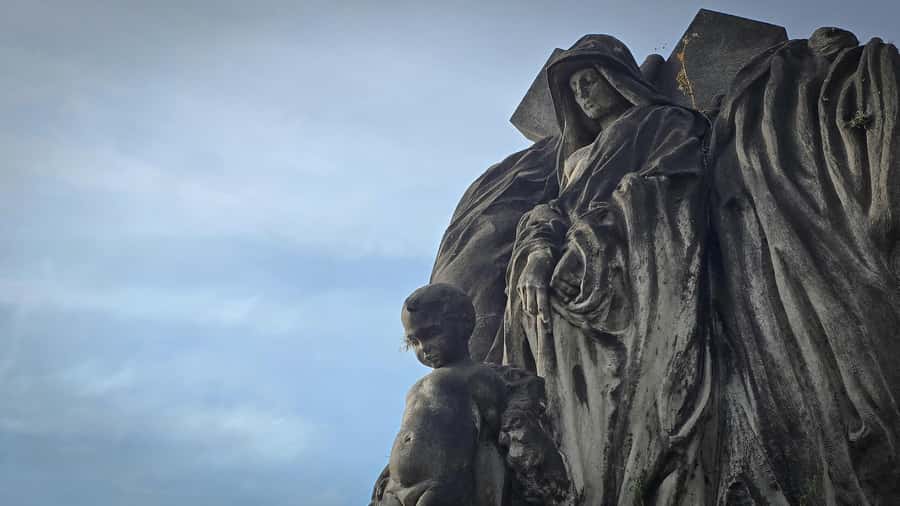
Chacarita Cemetery is interesting because it is not just a final resting place. It is a walking map of Argentine culture, where famous names share the same streets with striking architecture and different styles of remembrance. One thing I really like is how quickly the tour puts you face to face with the legend, Carlos Gardel.
Another highlight is the contrast you get with the German and British cemeteries, where the tone and design feel noticeably different from the main Chacarita spaces. The one drawback to keep in mind is that you will be walking outdoors on cemetery paths, so it is not suitable for people with mobility impairments or wheelchair users.
Key highlights to look forward to
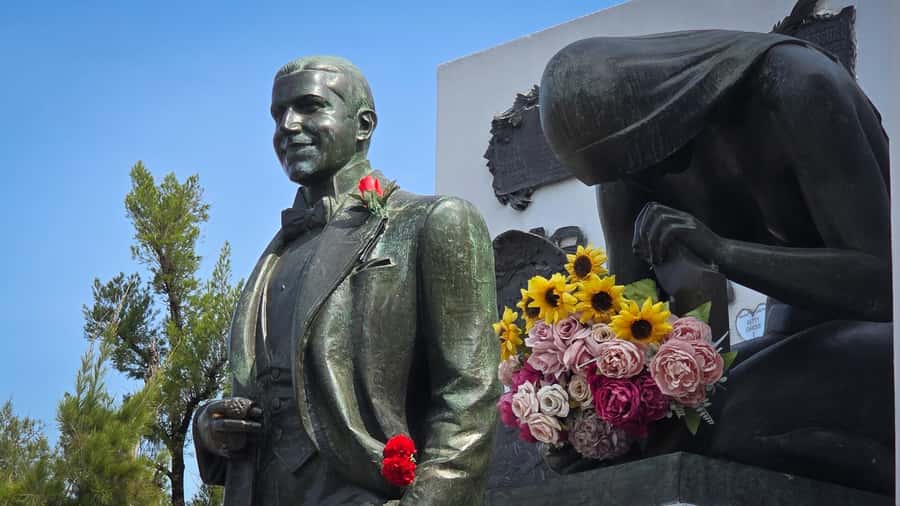
- Carlos Gardel’s tomb as your first major cultural anchor
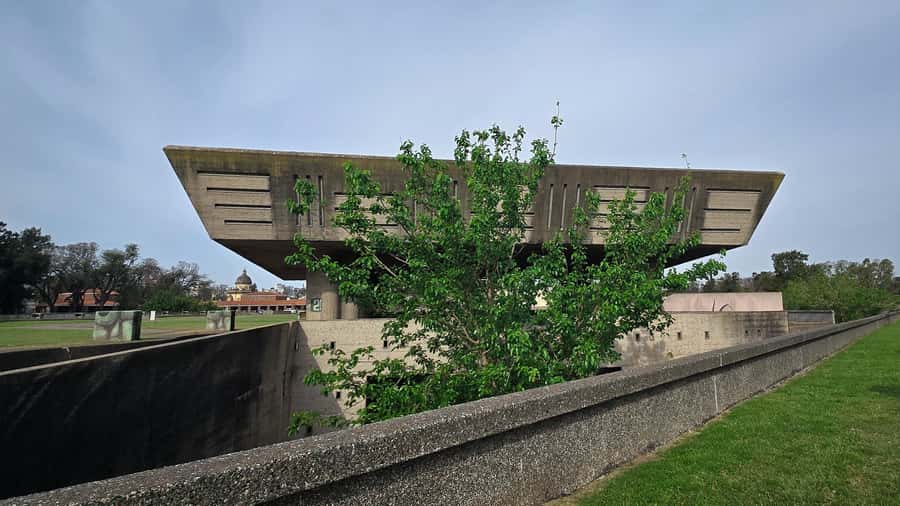
- Gustavo Cerati’s mausoleum for a modern music connection
- German and British cemeteries to compare styles of graves and chapels
- A guided pace that fits 3 hours with short stops and a restroom pause
- A small group capped at 6, which makes questions easier
- Miguel’s patient, detailed guidance in Spanish, even for learners
Chacarita Cemetery, tango legends plus European grave styles
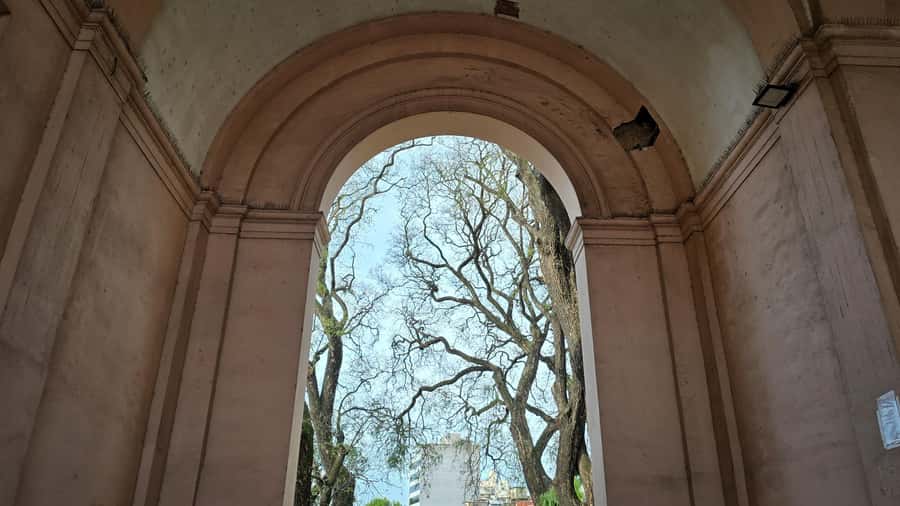
Chacarita is one of those Buenos Aires places where you start noticing details you would otherwise miss. The grounds are full of memorials, mausoleums, and chapels, and once a guide gives you the “what am I looking at” framework, the whole cemetery becomes easier to read. Instead of feeling like you are wandering, you are following stories.
I especially like the way the tour ties famous Argentine culture to physical locations. You get to see where people are laid to rest, not just a name on a screen. That makes the tango and music stops hit harder, even if you only know a few songs.
Then comes the perspective shift. The German and British cemeteries bring in different religious spaces, monuments, and design choices. It is a reminder that Buenos Aires history is shaped by waves of immigration and international communities, even in a cemetery setting.
A few more Buenos Aires days worth comparing
- Local Foodie Adventure in Buenos Aires with Sherpa Food Tours
★ 5.0 · 6,875 reviews - Buenos Aires City Private Tour with Local Guide
★ 5.0 · 3,475 reviews - Buenos Aires Small-Group City Tour
★ 5.0 · 2,226 reviews
Meeting point and walking reality for a 3-hour route
You meet at the main door to the cemetery. From there, the walk is paced to keep you moving but not rushed, with short photo opportunities and guided time at each key stop.
Plan on wearing comfortable shoes. The tour is a walking experience, and cemetery paths can be uneven. A hat and sunscreen matter too, especially on bright days. Bring water, even if the route feels short, because you are outside for most of the experience.
The schedule is built around a simple rhythm. At many stops, you get a brief photo stop and a guided explanation of what you are seeing. You also get a short restroom pause, about 10 minutes, so you can keep your focus on the stories rather than timing the next break.
One more practical note: the guide speaks Spanish. If you are learning, that is not a problem. The guidance style is patient, and the pace is supportive for people who need Spanish spoken more slowly.
Carlos Gardel and Jorge Newbery: the first stories you see
The first major moment is Carlos Gardel’s tomb. This is the kind of stop that makes the tour feel instantly worth it, because Gardel is more than a singer. He is a symbol of tango’s identity, and seeing his final resting place gives you a tangible sense of how deeply tango sits in Argentine life.
Right after, you also visit Jorge Newbery’s mausoleum. Newbery connects to another side of Argentina’s cultural story, the country’s aviation and national achievement narrative. Seeing him in the cemetery context works because you start realizing this is not only about entertainment. It is also about how societies remember skill, ambition, and public impact.
What I like about these early stops is that they teach you how to “look.” You do not just glance at statues or stone plaques. You learn what specific memorial forms mean, and why certain names are highlighted in the grounds.
The tango constellation: Sandrini, Pugliese, and Alfonsina Storni
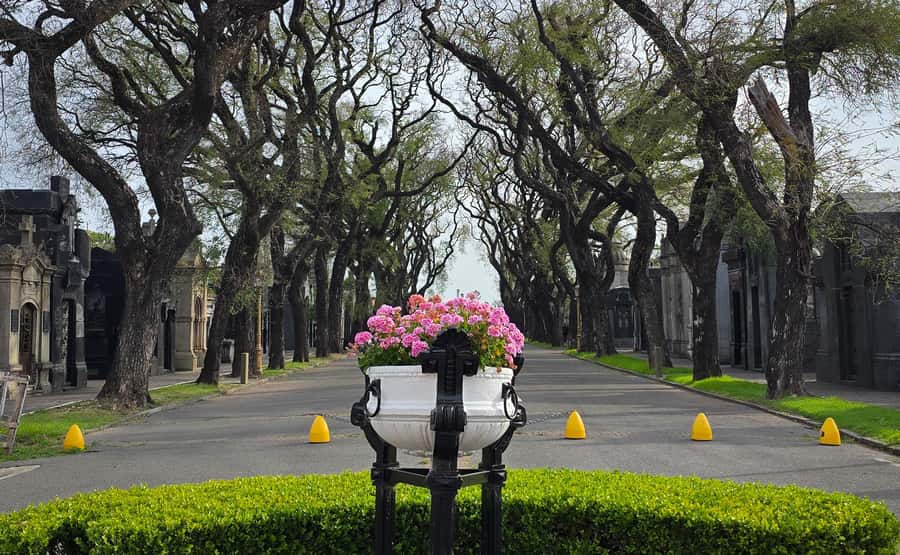
The tour does not stop at one genre icon. You also pay homage to other major Argentine figures, including Luis Sandrini, Osvaldo Pugliese, and Alfonsina Storni. Even if you think you know tango history, I like how this part expands the idea of what tango culture includes.
Sandrini represents a different kind of performance, acting that made people laugh and also feel things deeply. Pugliese brings you back to orchestras and composition, the machinery behind tango’s sound and emotional control. Storni shifts the tone toward poetry and love, and that change matters. It keeps the tour from becoming a one-note parade of names.
You will also see additional specific mausoleum and memorial stops along the walk, and they help show how varied the cemetery’s cultural map is. The guide’s job here is important. The stories keep you oriented, so you do not end up treating each stop as a random photo opportunity.
A different sort of day out of Buenos Aires:
- Buenos Aires Hop-On Hop-Off Bus, Free Walking Tours & Discounts
★ 4.5 · 2,218 reviews - Buenos Aires: Piazzolla Tango Show with Optional Dinner
★ 4.4 · 2,122 reviews - Buenos Aires: City Highlights Guided Tour with Transfer
★ 4.7 · 1,946 reviews - Buenos Aires: Hop-On Hop-Off City Bus Tour
★ 4.2 · 1,855 reviews
Gustavo Cerati and Gilda: music across eras

A standout stop is the mausoleum of Gustavo Cerati. This is where the tour feels especially smart for modern visitors. Cerati connects Argentine music history to the world beyond classic tango. Seeing him in Chacarita makes the cemetery feel current, not stuck in the past.
You get a longer guided visit here, about 15 minutes. That extra time is useful because you can stand and actually absorb the details while the guide explains why the memorial matters. The pace also gives you room to ask questions without feeling like the group is constantly moving.
Another memorable stop is the tomb of Gilda. Gilda represents a powerful kind of cultural connection, the performer who mattered to everyday people. Her presence in the route is a reminder that Argentine cultural memory is not limited to “high profile” figures. Popular icons and beloved entertainers also deserve to be remembered carefully.
This section of the walk can be emotional if you have a personal connection to the music, but even without that, it works because the guide keeps you focused on the meaning behind the memorials.
Chapels, panteones, and the Commonwealth War Graves
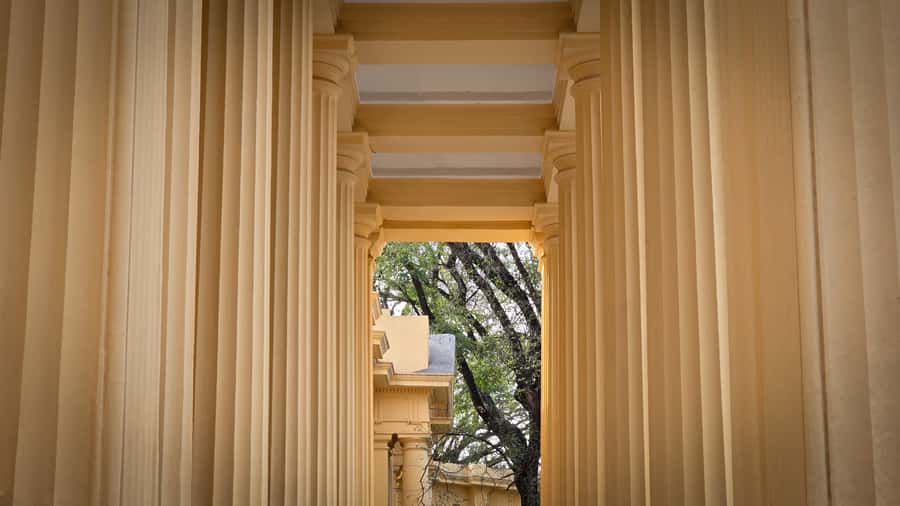
Between the music stops, you visit other cemetery landmarks that add architectural and historical texture. The Capilla Cementerio Chacarita is a good example. A chapel in a cemetery setting is not just an object. It is a clue about religious practice, community rituals, and how people express faith in memorial spaces.
You also spend time at Panteón VI, with a guided visit of about 30 minutes. That longer stop signals that this is a major area where you will want the guide’s context. Longer explanations here help you understand the design logic and how the cemetery organizes commemoration.
Then comes the Commonwealth War Graves Buenos Aires. This part of the tour changes the emotional temperature again. It is not about tango or modern celebrity. It is about wartime remembrance, with its own solemn structure and historical meaning. If you are the type who notices how different societies grieve, this stop is a meaningful contrast.
German cemetery stops and Elcano Park: comparing styles without rushing
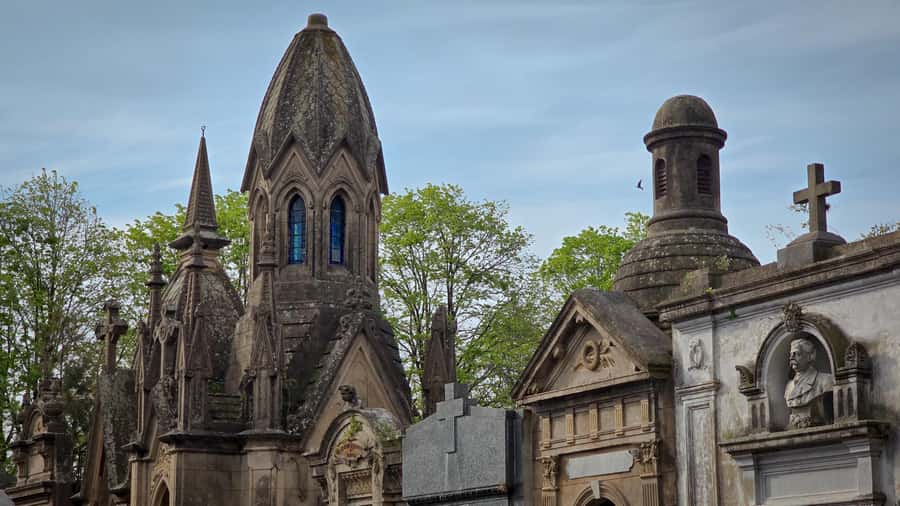
The tour includes a look at the Cementerio Alemán, the German cemetery. You get about 15 minutes of guided sightseeing here, which is enough time to notice the tone differences in religious temples, national historical monuments, and the notable figures resting there.
What you are really doing, at a practical level, is learning how design communicates identity. Different communities brought different architectural preferences, memorial forms, and religious spaces. When you compare this to the main Chacarita areas, you start to see the cemetery as a set of cultural zones rather than a single uniform place.
After that, you visit Elcano Park with a brief guided sightseeing stop, about 10 minutes. Even if this feels like a lighter ending, it is a helpful pause. It gives you a chance to shift out of “cemetery mode” and reflect on what you just learned.
Price, group size, and value for $20
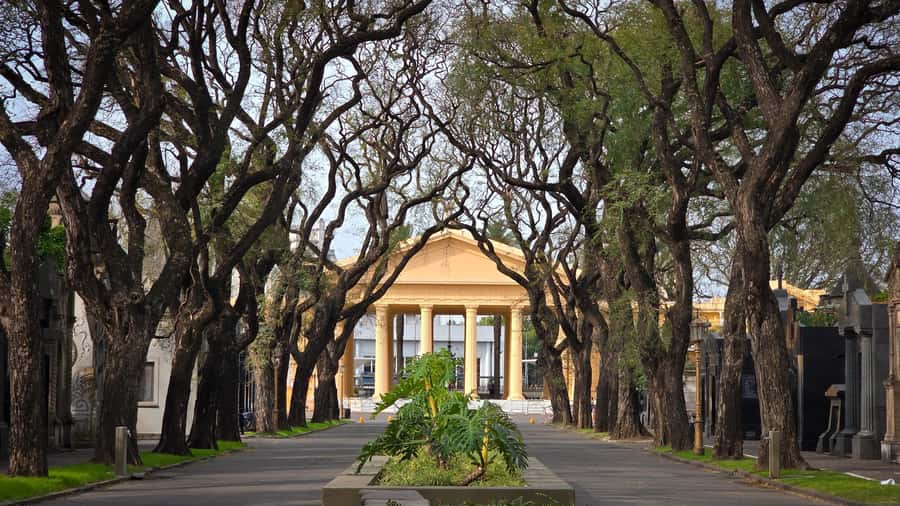
The cost is $20 per person for a 3-hour guided walking tour. That is good value for two reasons.
First, you are paying for interpretation. Cemeteries can look like stone and names until someone teaches you how to read what you see. The guide’s explanations, done in Spanish, are a core part of the experience.
Second, the group size is small, capped at 6. In a place like this, that matters. It means you can ask questions, slow down at points that catch your eye, and avoid that “line of people rushing to the next photo” feeling.
Based on the guide approach from Miguel, the experience feels patient and personal. The pacing still stays on schedule, but you are not being shoved along. That is exactly what you want in a respectful, story-heavy setting.
Who should book this tour, and who should skip it
This tour is a great fit if you:
- Want a guided walk that connects names to places, not just facts
- Enjoy tango culture but also want modern Argentine music included
- Like architecture and symbolism in everyday settings
- Appreciate historical contrast, especially European-style cemeteries within Buenos Aires
You should skip it if:
- You use a wheelchair or have mobility limitations that make cemetery walking difficult
- You dislike being outside for most of the 3 hours, even with shade changes
- You want a fully indoor experience, because this is outdoors
Should you book Chacarita with a guide?
I think it is worth booking if your goal is to understand Chacarita instead of simply passing by it. The tour hits several major “anchors” that keep the walk coherent, Carlos Gardel first, then Gustavo Cerati and Gilda, with a broader set of Argentine cultural names woven in. The German and British cemeteries add the kind of contrast that makes the whole experience feel like more than a list of tombs.
If you are comfortable walking, willing to dress for sun and heat, and you want Spanish-guided storytelling, this is a strong value at $20. If you need step-free access, or you cannot manage uneven outdoor paths, look for another option.
FAQ
How long is the Chacarita Cemetery guided tour?
The tour lasts 3 hours, and it includes a 10-minute pause for using the restroom.
How much does the tour cost?
The price is $20 per person.
Where is the meeting point?
Meet at the main door to the cemetery.
What language is the tour guide?
The live tour guide speaks Spanish.
Is this a small group tour?
Yes. The group is limited to 6 participants.
What major places and names are included?
You visit Chacarita Cemetery and key memorials including the tomb of Carlos Gardel, the mausoleum of Gustavo Cerati, and other notable Argentine figures. The tour also includes visits to the German and British cemeteries.
What should I bring for the walk?
Bring comfortable shoes, a hat, sunscreen, and water.
Is the tour suitable for wheelchair users?
No. It is not suitable for people with mobility impairments or wheelchair users.
Recently reviewed around Buenos Aires
- Meet Locals: Language Exchange Café in Buenos Aires★ 5.0 · 10 reviews
- Piazzolla Tango Show Only In Buenos Aires★ 4.5 · 10 reviews
- Madero Tango Show Including Executive Dinner In Buenos Aires★ 3.5 · 10 reviews
- Private City Tour & Transfer to the International Airport★ 5.0 · 10 reviews
- Esquina Homero Manzi Tango Show Ticket Including Optional Dinner in Buenos Aires★ 4.5 · 10 reviews
- VIP Dinner & Tango Show at El Viejo Almacen★ 4.5 · 10 reviews
- Premium service Buenos Aires city tour for small groups★ 4.0 · 11 reviews
- Buenos Aires City Tour★ 4.5 · 11 reviews
Buenos Aires Tours, compared.

Local Foodie Adventure in Buenos Aires with Sherpa Food Tours
Read our review →
Buenos Aires City Private Tour with Local Guide
Read our review →

Buenos Aires Hop-On Hop-Off Bus, Free Walking Tours & Discounts
Read our review →