
Reviewed · RECOLETA CEMETERY
Buenos Aires: Deluxe Walking Tour Like a Local, Recoleta Cemetery
Buenos Aires’ Recoleta can feel like one long parade of stone facades. This deluxe walking tour makes it readable fast, with the stories behind the palaces and diplomatic buildings as you walk. I like the way the route starts at Palacio San Martín and quickly sets the historical frame for the Belle Époque era. You end up with a cleaner sense of where you are and why the neighborhood looks the way it does.
Two things I especially loved are how specific the stops get, and how the details connect to power. You’ll see a French-inspired architecture moment at Palacio Estrugamou, including a replica of the Nike of Samothrace in the inner courtyard. The one drawback to plan for is that most buildings are viewed from the outside, and Recoleta Cemetery entry is optional for an extra USD 15 if you want to go in.
Key highlights you will notice right away
- City-licensed local guide who ties architecture to how Buenos Aires’ elite wanted to project itself
- Belle Époque to modernity trail, from turn-of-the-century palaces to early skyscraper energy
- Avenida Alvear high-society stretch, where embassies and grand hotels sit side by side
- Cultural memory on Arroyo Street, including a plaza tied to the Israeli community’s remembrance in Buenos Aires
- Optional cemetery time, with a chance to take a breather nearby if you add the entry
Recoleta by foot: why this walk works for real people
Recoleta is the kind of place where you can wander for hours and still feel like you missed the point. This tour helps you avoid that. You get a tight route that focuses on the neighborhood’s “status architecture,” and you move at a pace that makes sense for photos, quick stops, and listening.
It’s also built for the kind of sightseeing that fits a first trip. You get the big names and the key streets, but you’re not stuck in a museum line for every stop. It’s a walking tour with a theme, and that theme is power, aspiration, and European influence in Buenos Aires at the turn of the 20th century.
The group stays small, with a maximum of 12 travelers. That matters more than people think, because you can hear the guide clearly and ask follow-up questions without feeling like you’re shouting over a crowd.
More Walking Tours in Buenos Aires
- Buenos Aires Hop-On Hop-Off Bus, Free Walking Tours & Discounts
★ 4.5 · 2,218 reviews - Buenos Aires: La Boca Guided Walking Tour in English
★ 4.8 · 1,587 reviews - La Boca Walking Tour
★ 5.0 · 1,029 reviews
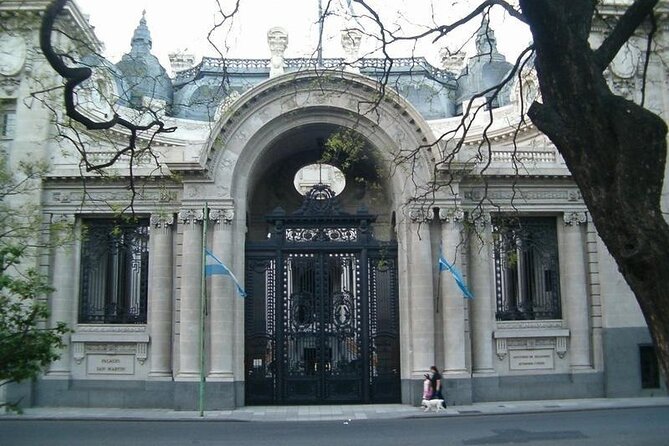
Start at Palacio San Martín, then learn how Buenos Aires wanted to look
You begin at Palacio San Martín on Arenales 761, near the Ministry of Foreign Affairs today. The guide sets the tone here. This building was once an aristocratic residence, and it’s a great opener because it shows how wealthy Buenos Aires looked toward Europe when it had the money to do so.
As you stand there, you start noticing the patterns the tour keeps returning to: grand scale, polished symbolism, and the idea that architecture is a public statement. It’s not just “pretty buildings.” It’s money, politics, and self-image in stone.
One practical note: the tour is mostly outdoors. Bring comfortable shoes, water, and sunscreen. Even in mild weather, you’ll be on your feet long enough that good footwear becomes a sanity tool.
Palacio Estrugamou and the Nike of Samothrace replica moment
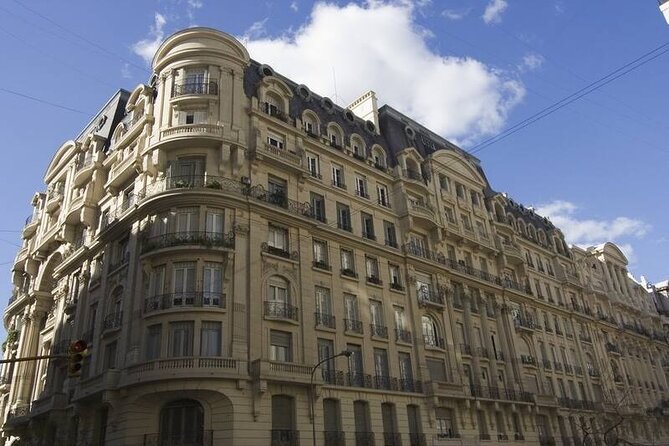
Next is Palacio Estrugamou, a refined residential complex inspired by French architecture. The standout detail here is in the inner courtyard, where you’ll find a replica of the Nike of Samothrace.
This stop is worth it because it’s oddly specific. Instead of a generic “looks European” comment, you get a concrete example of how the city’s upper circles admired classical art and used those references to signal taste and status. It’s the kind of detail you’d miss if you were just strolling.
Also, this is one of those moments where you can actually take your time. Courtyard architecture invites slower looking. You’ll get a better read on the building’s character than you would from a moving bus view.
Calle Arroyo: elegant, quiet, and full of meaning
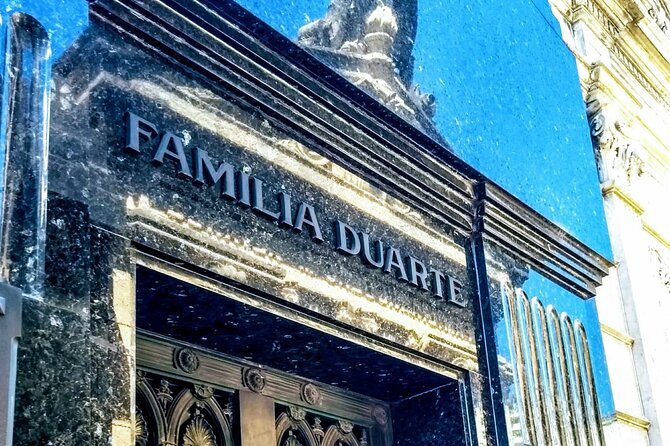
After the courtyard stop, you walk along Calle Arroyo, described as one of Buenos Aires’ most elegant and discreet streets. This is where the tour shifts from big palaces to the refined daily-life feel of the area.
You’ll spend time here to understand how the neighborhood reflected a lifestyle, an art scene, and a European influence that defined the Belle Époque. The street works well as a “breather” in the route, because it’s calmer and more intimate than the wide avenues.
If you like walking tours that make you understand why a street feels different, this part delivers. It’s one of the segments where the stories help you see the city rather than just pass it by.
More Recoleta cemetery visits:
- Buenos Aires: La Recoleta Cemetery Guided Tour in English
★ 4.8 · 1,359 reviews - Recoleta Cemetery Walking Tour
★ 5.0 · 668 reviews - Recoleta Cemetery Tour in English
★ 5.0 · 494 reviews - Half-Day Recoleta and Palermo Bike Tour in Buenos Aires
★ 5.0 · 161 reviews
Nicolas Mihanovich and the early skyscraper mindset
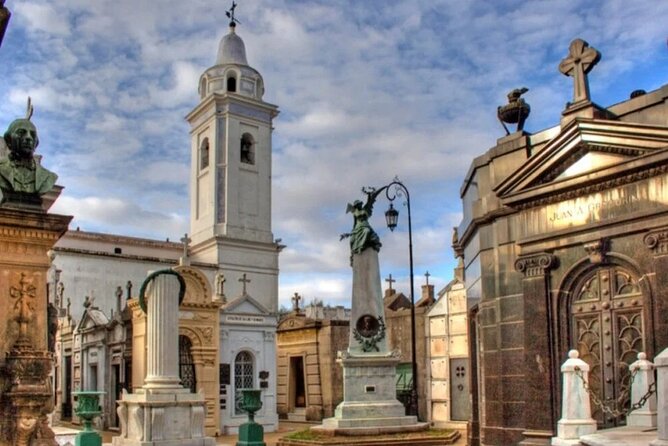
You then stop at the Edificio Nicolás Mihanovich on Arroyo Street. The point of this stop is modernity. The building is an early skyscraper, and the guide connects it to shipping, immigration, and global trade.
This is a nice contrast after the older palaces. It reminds you that Buenos Aires wasn’t only building for tradition. It was also building for the future, and its wealth was tied to international connections.
You’ll likely notice how the tour keeps toggling between two ideas: prestige from Europe, and growth driven by the world. Buenos Aires was both importing style and exporting ambition.
Plaza of the Israeli Embassy: memory in the middle of elegance
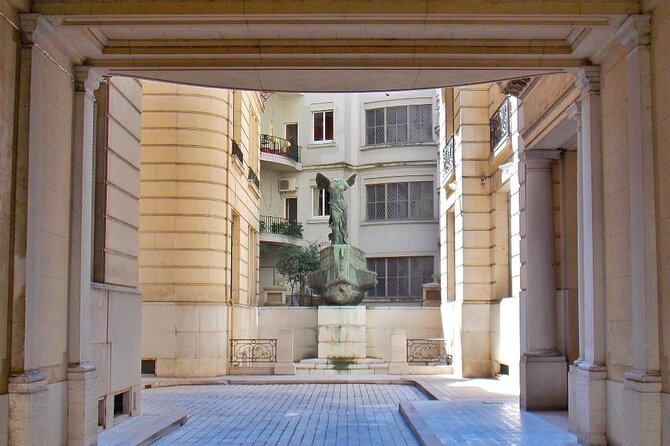
On Arroyo Street you’ll also reach the Plaza Israeli Embassy. This part of the route is different in tone, because it’s a space of memory and reflection within the city.
The guide explains its significance in Buenos Aires’ history and its role in remembrance and resilience. Even if you’re not in a big mood for heavier topics on a walking tour, this stop grounds the whole “elite architecture” theme in something real and human.
It also helps you understand that Recoleta isn’t only about wealth. It’s layered. You can feel that layering as you walk from palaces and hotels to a place designed for reflection.
Avenida Alvear: the Belle Époque luxury corridor you will recognize on sight
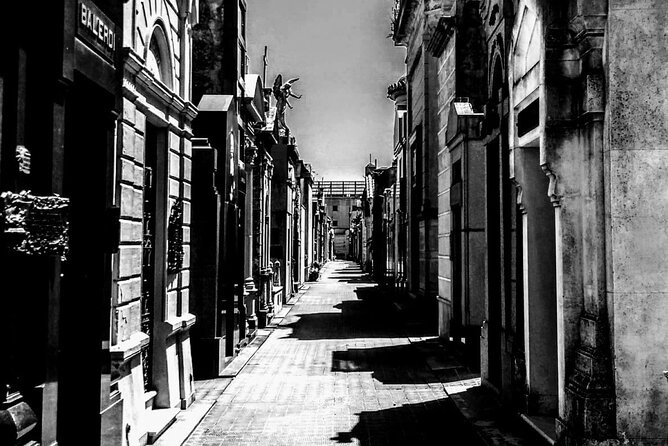
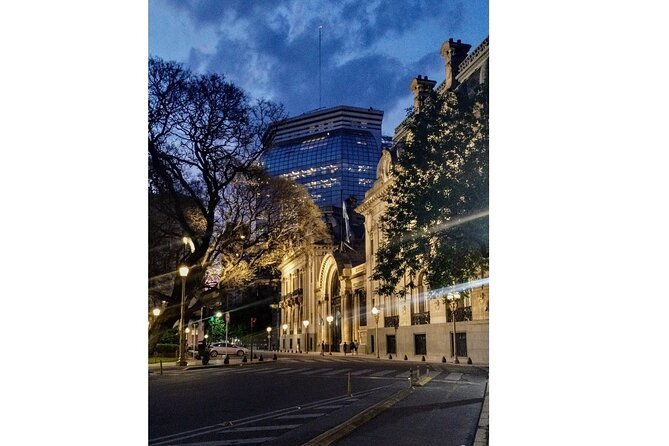
Now for the star street: Avenida Alvear. This is the heart of high society during Buenos Aires’ Belle Époque, and you’ll walk it long enough to actually register the rhythm of the buildings.
The avenue is lined with palaces, embassies, and grand hotels, so it’s both impressive and easy to photograph. More importantly, it functions like an open-air lesson in how status gets displayed.
You’ll get a clear sense of why Alvear became a symbol of luxury and European influence, because the tour connects each section of the street to a specific type of power: diplomacy, social clubs, and elite hospitality.
If you like walking routes where every stop feels like it belongs to one bigger story, this is the middle section that makes the tour click.
Embassy of France and Pereda Palace: how Paris gets referenced in Buenos Aires
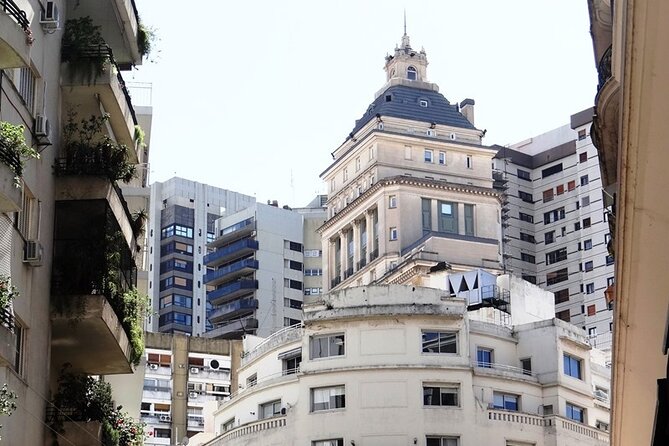
On Avenida Alvear, you start with the Embassy of France, an example of French academic architecture in Buenos Aires. The guide points out how strong Argentina’s cultural ties to Paris are, especially in the Belle Époque aspiration to mirror European elegance.
Then you discover Pereda Palace, today home to the Embassy of Brazil. Again, you’re seeing diplomatic architecture as a mirror of elite lifestyle and international connections. It’s a smart angle, because you’re not just looking at buildings, you’re learning how diplomacy and culture use visual language.
If you want a souvenir to remember more than a photo, focus on the architectural cues the guide points out. You’ll start spotting the differences between styles and realizing why those differences matter to the story.
Jockey Club, Vatican Nunciatura, and the luxury-hotel adaptation game
The tour includes stops tied to exclusive social and religious power.
You’ll see the Jockey Club, a private social institution historically linked to Argentina’s elite. The guide also notes how women were excluded from membership until very recently. That detail gives the stop more weight than a simple “fancy building” moment.
Then you’ll admire the Embassy of the Holy See, Nunciatura Apostolica, also on Alvear Avenue. The guide connects it to religion, influence, and international power, tying back to the tour’s constant theme.
From there, the walk reaches Palacio Duhau, Park Hyatt Buenos Aires. This is a former private residence adapted into a luxury hotel. It’s a great example of how older elite architecture gets repurposed, without losing the aura.
You’ll keep passing signs of that adaptation logic on the street, including another palace-like residence that remains private.
Residencia Maguire and Alvear Palace Hotel: private prestige versus public luxury
You’ll stop at Residencia Maguire, described as the only palace on Alvear Avenue that still functions as a private home. That survival matters. It’s a reminder that some parts of this neighborhood are not meant for the public to fully access.
Next is the Alvear Palace Hotel, which is treated as a living symbol of luxury. The guide highlights how it has hosted aristocracy, celebrities, and world leaders, keeping a high-society lifestyle in place.
This pairing is a useful lesson in how Recoleta works. Some spaces are locked behind privacy. Others welcome visitors while still broadcasting status. You get both ideas on one walk, without needing to buy a ticket.
If you like photo composition, Alvear Avenue also makes it easy. You can line up shots with the hotel facades and embassies, and you’ll have the guide to point out the best visual angles.
Plaza Francia and the Basilica views that anchor Recoleta
The walking stretch ends at Plaza Intendente Torcuato de Alvear, commonly called Plaza Francia, in Recoleta. This is your heart-of-the-neighborhood moment.
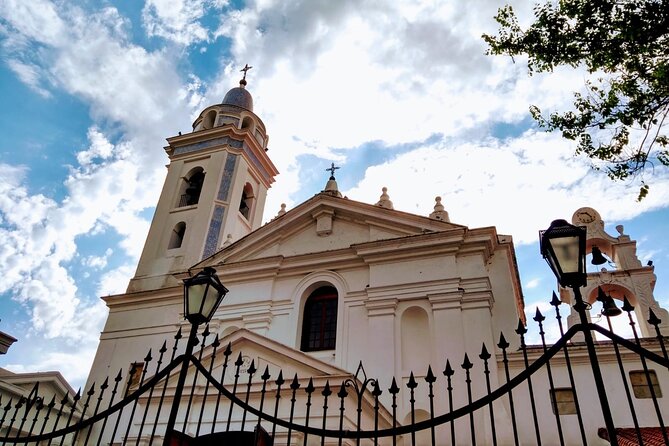
The guide explains why the square carries this name and how the plaza connects daily life and culture in Recoleta. You also get views of the Basilica de Nuestra Señora del Pilar while you explore the area.
This stop works well because it gives your legs and your mind a small reset. After a long run of architectural detail, the plaza feels like a breather, with space to pause and absorb the surroundings.
It’s also where you can start deciding if you want the optional cemetery entry, since the end point is close by.
Recoleta Cemetery: optional USD 15 entry, and how to plan your time
At the end, you finish facing Recoleta Cemetery around midday at Junín 1760. The cemetery is optional, with entry available for an additional USD 15 fee charged and collected by the Government of the City. You can purchase the ticket at the entrance.
This matters for value. If you only want the architecture and stories up to this point, you can keep it simple. But if you want the full Recoleta experience, it’s worth adding, because this cemetery is one of Buenos Aires’ most iconic landmarks and a symbol of wealth, memory, and social status.
Timing tip: if you add the cemetery, the tour includes free time nearby so you can take a break and recharge before you go in. That helps a lot, because cemeteries can require more patience and walking than you expect.
If you’re visiting during warmer hours, bring water even if you only do the cemetery entry. It’s one more stretch of standing, walking, and looking.
Price and what you really get for USD 60
The tour costs USD 60 per person and runs about 3 to 4 hours. Most stops do not require admission tickets for you as a visitor to appreciate what you’re seeing, because the tour is structured around exterior viewing and guided context. You will also see many stops marked as admission ticket not included, so don’t plan on getting surprise access inside each building.
The one clear paid add-on is the cemetery. If you include it, you should budget an extra USD 15 per person.
So is it good value? In my view, yes, if you want a guided route that makes sense. You’re paying for a local, city-matriculated guide and a focused walk that saves you from piecing Recoleta together street by street. For USD 60, that guidance plus the small-group format is the main value.
Who should book this tour, and who might skip it
This is best for you if you:
- want a deluxe walking tour that’s more than just a list of landmarks
- enjoy Belle Époque architecture and want the context behind it
- like solo-friendly sightseeing where the guide story carries the walk
- want a structured way to see Recoleta in a half-day
You might consider skipping or choosing a different tour if:
- you only care about the cemetery and not the surrounding palaces and diplomatic avenue
- you prefer strictly interior access with multiple paid sights, because much of this experience centers on what you see on the street
The outdoor nature also means you’ll want to pick a day with decent weather. The tour can be suspended only in case of very strong rain or weather alerts.
Should you book it?
Book it if you want to understand Recoleta, not just stand in front of it. The route is tight, the stories connect the buildings to ambition, and the small group size makes it feel human. The optional cemetery entry is a smart choice depending on your interests.
If your time is limited and you want the neighborhood framed clearly, this walking tour gives you that fast, with enough variety that you won’t feel bored.
FAQ
How long is the Buenos Aires deluxe walking tour?
It lasts about 3 to 4 hours.
How much does it cost, and what is included?
The tour costs USD 60 per person. It includes a walking tour with a local guide registered by the city tourism authority.
Is Recoleta Cemetery entry included?
Cemetery entry is optional. It costs an additional USD 15 per person, and you can purchase it at the entrance.
Do I need to buy admission tickets for the other stops?
Admission tickets are not included for the stops where tickets may apply. The tour is designed around guided viewing at each location.
How large is the group?
The tour is a small shared group with a maximum of 12 travelers.
Where do I meet the guide, and where does the tour end?
You start at Palacio San Martín, Arenales 761 (meeting point). The tour ends facing Recoleta Cemetery at Junín 1760.
What should I wear or bring?
Bring comfortable walking shoes, water, and sunscreen. The tour is outdoors, so moderate fitness is recommended.
Recently reviewed around Buenos Aires
- Meet Locals: Language Exchange Café in Buenos Aires★ 5.0 · 10 reviews
- Piazzolla Tango Show Only In Buenos Aires★ 4.5 · 10 reviews
- Madero Tango Show Including Executive Dinner In Buenos Aires★ 3.5 · 10 reviews
- Private City Tour & Transfer to the International Airport★ 5.0 · 10 reviews
- Esquina Homero Manzi Tango Show Ticket Including Optional Dinner in Buenos Aires★ 4.5 · 10 reviews
- VIP Dinner & Tango Show at El Viejo Almacen★ 4.5 · 10 reviews
- Buenos Aires City Tour★ 4.5 · 11 reviews
- Premium service Buenos Aires city tour for small groups★ 4.0 · 11 reviews
Recoleta Cemetery, compared.
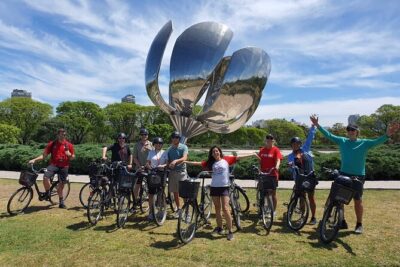
Half-Day Recoleta and Palermo Bike Tour in Buenos Aires
Read our review →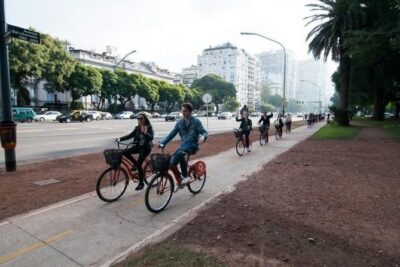
Buenos Aires Bike Tour: North Districts, Recoleta and Palermo
Read our review →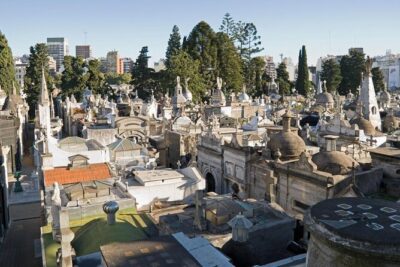
Recoleta in Depth (not literally) Private Walking Tour
Read our review →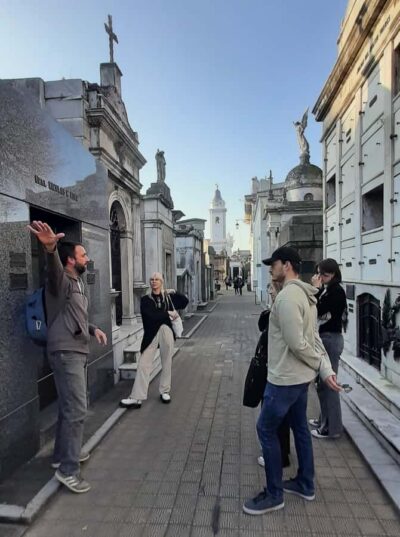
Recoleta Cemetery – Small Group Tour of History & Secrets
Read our review →
Browse the lists this tour appears in