
Reviewed · PALERMO
Buenos Aires: Empanada & Alfajor Cooking Lesson in Palermo
If you want Buenos Aires food culture in your hands, not just on a plate, this Palermo cooking lesson fits the bill. You make hands-on cooking empanadas and dulce de leche alfajores with guidance, and you sip mate tea while the host explains how these classics became daily comfort food in Argentina. Two things I really like: you learn the real steps for empanada dough and folding, and you get a sweet win at the end when your own alfajores come out ready to share. One possible drawback: there is no hotel pickup, so you need to plan your own trip to the Gorriti meeting point in Palermo.
What makes it especially fun is the teaching style. Hosts like Carolina and Tomás (and others in this same program) focus on clear, step-by-step direction, with enough patience for kids and adults. The class runs about 150 minutes, it goes rain or shine, and there are both meat and vegan options, so you can keep the whole group included without stress.
Key moments you should care about
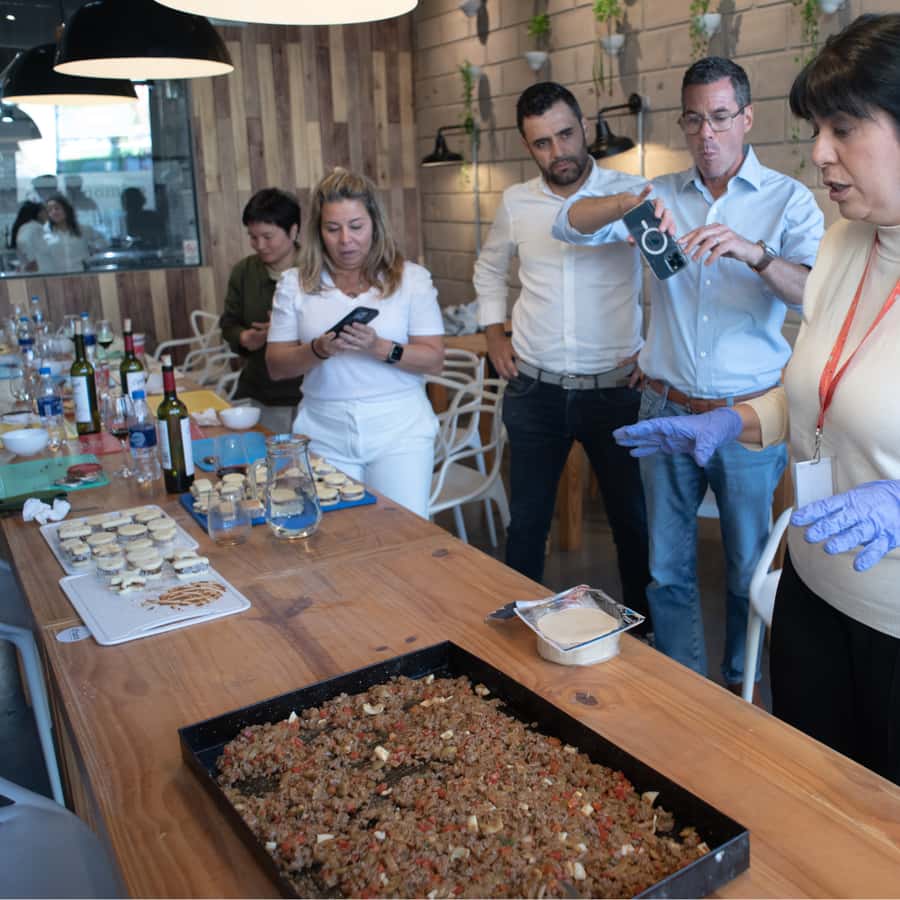
- You cook both classics from start to finish, empanadas first, then alfajores filled with dulce de leche
- Mate tea is part of the experience, not just an afterthought
- Meat and vegan options help you match your group’s needs
- Guides often keep it small and participatory, so you are not stuck watching the whole time
- You leave with practical results, food you actually make and take inspiration for at home
Empanada and alfajor basics, what this class really teaches
Buenos Aires can tempt you into the same loop: walk, snack, take photos, repeat. This class breaks that pattern. In 150 minutes, you stop being a spectator. You work the dough, shape the fillings, and assemble the cookies that Argentina is famous for.
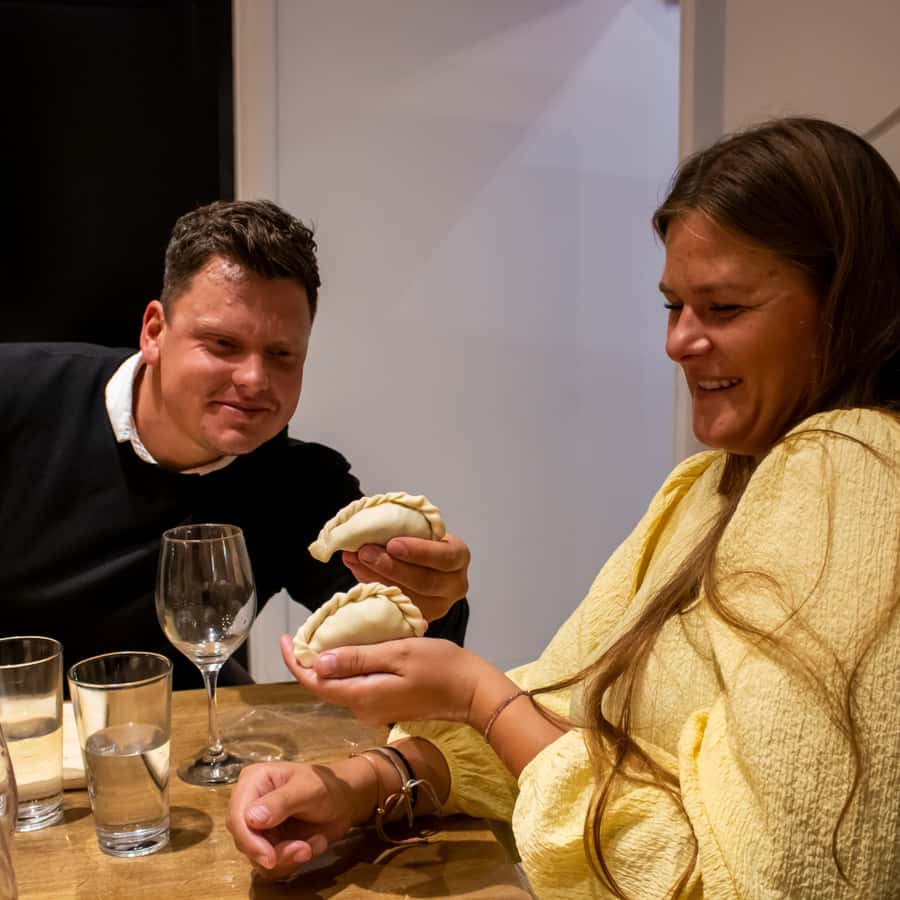
The empanada lesson matters because empanadas are not one single thing. Depending on the filling, the folding style, and the dough texture, they can feel totally different. In this class, you learn the logic behind the dough and how to fold in a way that keeps the filling where it belongs. If you have eaten empanadas in Argentina, you already know there is a difference between good and great. The folding lesson is how you start understanding why.
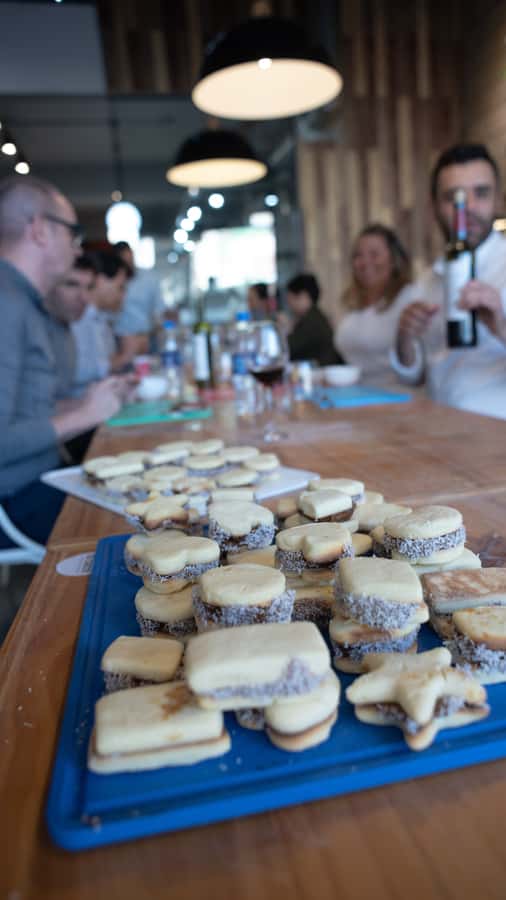
Then comes the alfajor. These are the cookie sandwiches filled with creamy dulce de leche. The key idea you take home is texture control: how to mix, how to bake, and how to assemble so the dulce de leche stays rich and the cookies hold together. People love alfajores because they hit the balance point between buttery and sweet, but making them teaches you that balance is built, not luck.
More empanada cooking classes in Buenos Aires:
- Buenos Aires: Empanadas and Alfajores Guided Cooking Class
★ 4.8 · 486 reviews - 3-Hour Buenos Aires Empanadas and Alfajores Cooking Class
★ 4.5 · 142 reviews - Empanada Making Class in Buenos Aires
★ 5.0 · 127 reviews
Palermo meeting spot, and why location matters more than you think
The meeting point is in Palermo on Gorriti. Your exact address is listed as Gorriti 4882 in the main info, and Gorriti 4886 in the additional notes. It is the same neighborhood and same street area, but it is worth double-checking the final exact number when you confirm.
No hotel pickup is included. That detail is small, but it changes the math for your day. If you plan carefully, you will have an easy start. If you are hopping across the city late in the day, you might feel rushed. Palermo is a good base for visitors because you can usually reach it quickly, but I would still build a buffer into your schedule.
The class runs rain or shine. That matters in Buenos Aires, where weather can flip without warning. Having an indoor activity that still moves forward is a strong fallback plan.
The 150-minute flow, from dough to dulce de leche
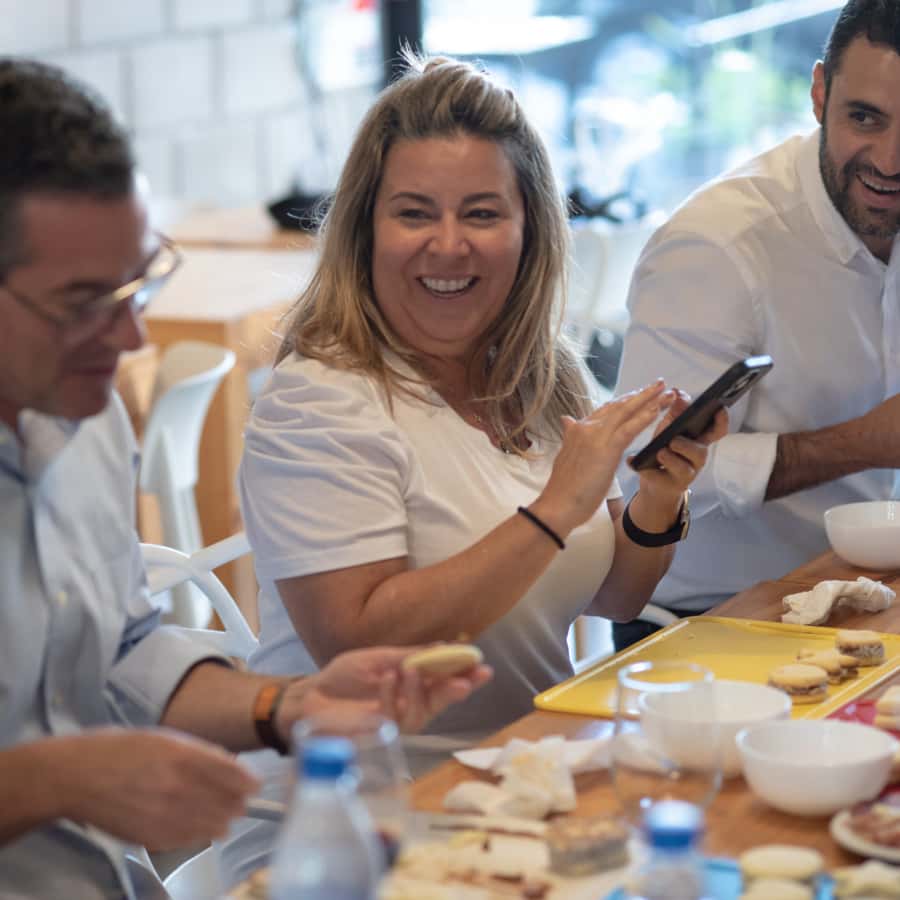
This is a two-part cooking lesson with a cultural thread connecting both.
Step 1: Empanadas, meat or vegan, and the folding practice
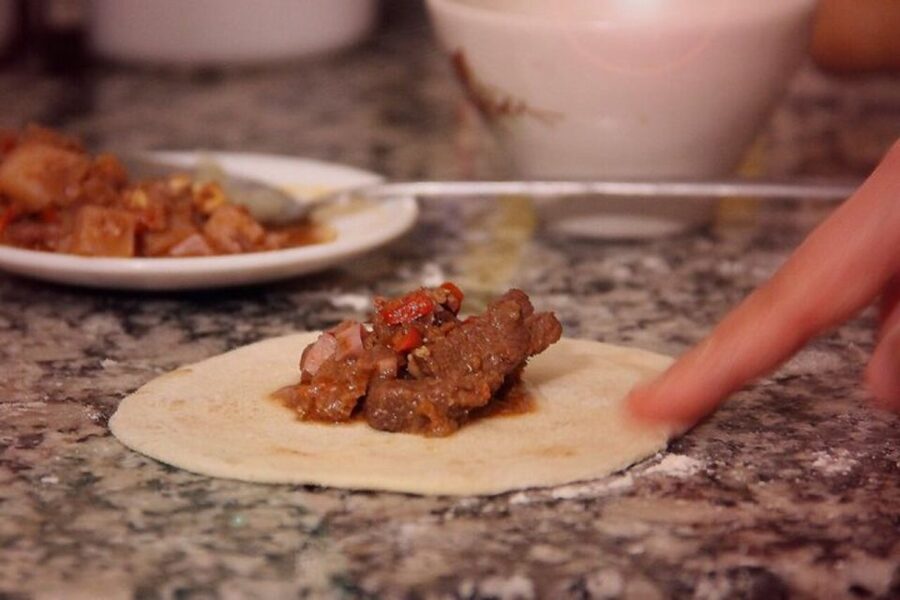
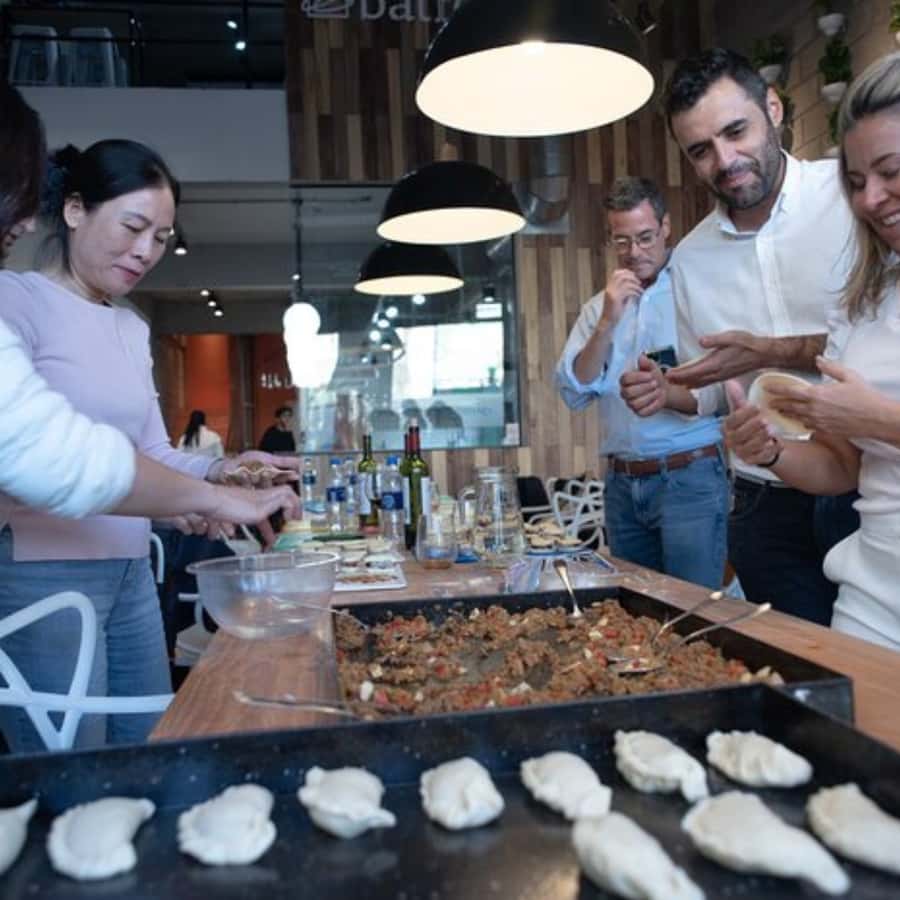
You start with empanadas, one of the most important dishes in Argentina. Your host shows you how to prepare the filling and how to work with the dough. Then you get hands-on time. The class format is designed so you are not just watching a demo, even when you need to step back to follow technique.
You can choose meat or vegan options. That is a practical choice for families and mixed groups. It also changes the filling flavors, so the cooking feels customized, not generic.
A neat bonus from the way some instructors teach is that you may compare packaged convenience dough with freshly prepared dough. That gives you a real-world understanding of why empanada quality can vary. It also helps you spot the texture differences that matter, like how the dough feels before you fold it and bake it.
Most people walk away with one clear skill: how to fold so it looks right and holds up. The folding step can feel like a craft, not a recipe. Once you do it a couple times, it clicks.
More of Palermo:
- Palermo Graffiti Tour
★ 5.0 · 797 reviews - Palermo: Graffiti and Street Art Guided Tour in English
★ 4.8 · 684 reviews - Parrilla Tour Palermo
★ 5.0 · 185 reviews - Half-Day Recoleta and Palermo Bike Tour in Buenos Aires
★ 5.0 · 161 reviews
Step 2: Alfajores, mixing, baking, and filling with dulce de leche
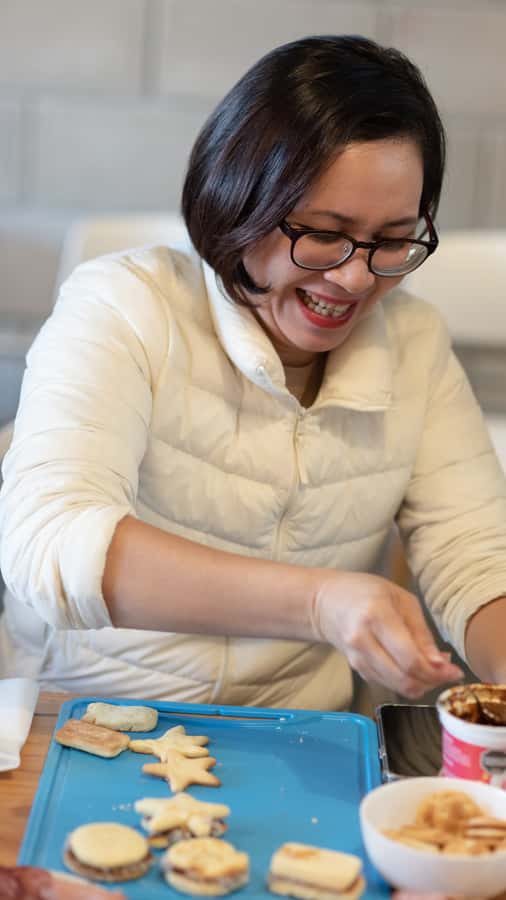
After the empanadas, the lesson shifts gears to alfajores. The host guides you through mixing the dough, baking the cookies, and then assembling them with dulce de leche.
This is where the class feels like a reward system. You get to do the labor early, then you get to enjoy the fruit of it later. The dulce de leche filling is the star, but it is the assembly technique that makes the final result feel professional.
If you want a “bring it home” takeaway, this is the most portable part of the experience. Empanada dough and folding can be slightly intimidating at home, especially without the same ingredients and tools. Alfajores are more forgiving because the cookie shape is simpler and the filling process is straightforward.
Sharing what you made, mate tea and conversation
Throughout the class you enjoy mate tea along with cultural insights. You get a conversation thread that turns the cooking session into something closer to being hosted than being processed. Several guides in this program lean into the social side, and you may end up chatting during the group work or while you eat what you cooked.
Some classes are described as having wine, too. Since that is not listed in the basic included items, treat it as a possible extra rather than a guarantee. Even without wine, mate tea and the food you make are enough to make the time feel like an experience, not a cooking chore.
Guides like Carolina and Tomás, why their teaching style matters
Cooking classes often claim you will learn. The difference here is that the instructions seem built for real people, not cooking show characters.
In the feedback, guides like Carolina, Tomás, and others are praised for clear steps and patience. What you should take from that is simple: you can expect the session to be paced so your hands catch up with your brain. For families, that is huge. Kids learn best when they are doing, not when they are waiting for a turn.
Another theme is group participation. Some instructors break work up so the experience does not overwhelm you. You are less likely to feel like you are messing up the process. You can focus on learning one small step at a time, then moving forward.
There is also a practical teaching habit that shows up in feedback: splitting tasks, rotating attention, and keeping everyone involved. If you prefer a class where you stay active, this setup matches that.
One caution, based on a small note in the feedback: a couple people wished for better-quality utensils. That does not mean the class is unsafe or unworkable, but it is a reminder that this is not a fancy culinary studio. It is a real home-style or small-venue class where the main focus is teaching and food.
Value check: is $49 for 150 minutes actually fair?
At $49 per person for about 150 minutes, the value looks strong for what you get. You are paying for:
- a local instructor
- included ingredients for both empanadas and alfajores
- mate tea
- hands-on cooking time
The key value isn’t just the price tag. It is that you do not leave hungry and you do not leave empty-handed. You also get a clear skill set: folding empanadas, assembling alfajores, and learning the ingredient logic behind both.
To judge value, I think about alternatives. If you try to learn these foods only by eating them around town, you can enjoy them but you will not gain the technique. If you book a private cooking guide somewhere else, the cost can jump fast. This class lands in the middle: not ultra-expensive, and not just a quick snack tour.
So yes, $49 feels reasonable if you want a real cooking outcome, especially if you are traveling with kids or you want something active instead of another walking tour.
Who this class is best for (and who should skip it)
This class is a great fit if you:
- want a family-friendly activity where kids can participate
- enjoy hands-on learning more than watching
- like Argentine comfort food and want the technique behind it
- want something social, not solitary
It is also smart for mixed groups, since meat and vegan options are mentioned and can keep dietary needs manageable.
You might consider skipping if:
- you hate being in a group setting, even a small one
- you expect a high-end restaurant cooking experience
- you do not want to travel to Palermo on your own time
If your heart is set on a totally passive evening, a cooking class will feel too active. But if you want an experience that gives you skills, this one delivers.
Practical tips so you get the most out of your session
A few small choices can make the class smoother.
First, eat lightly before you go. The class is built around making enough food to enjoy, and you will likely want room for the alfajores at the end.
Second, wear something comfortable. You will work dough, and dough has a way of teaching you humility. Gloves are not mentioned, so think like you are going to get a little messy.
Third, bring questions. If you are curious why empanadas fold a certain way or why dulce de leche behaves the way it does in baking, ask. The format is designed around an instructor who guides you through steps.
Finally, plan your transportation calmly. Since hotel pickup and drop-off are not included, give yourself a little time to arrive. Being early helps you settle in, meet the group, and start cooking without stress.
Should you book this Buenos Aires empanada and alfajor class?
Yes, I would book it if your priority is learning Argentine classics in a hands-on way. The combination of empanadas and alfajores covers both savory and sweet at the level that matters, technique. Add mate tea and cultural insights, and the 150 minutes turns into a genuinely memorable slice of Palermo life.
Book it especially if you like practical travel. You will not just taste. You will return home with the mental map for how these dishes are made, and you can reproduce the experience for friends and family.
If you are short on time or you refuse to navigate on your own, then the no pickup detail could be a deal-breaker. But if you can reach Gorriti in Palermo, this class is a strong value and a fun way to get beyond the restaurant version of Buenos Aires.
FAQ
Where is the meeting point in Palermo?
The meeting point is listed on Gorriti in Palermo, Buenos Aires. It appears as Gorriti 4882 in the main details and Gorriti 4886 in the additional information, so check your confirmation for the exact number.
How long is the cooking lesson?
The activity lasts about 150 minutes.
What will I cook during the class?
You will cook empanadas and make dulce de leche alfajores. Meat or vegan options are available.
Is mate tea included?
Yes, mate tea is included.
Is hotel pickup and drop-off included?
No, hotel pickup and drop-off are not included.
What languages is the live guide available in?
The live tour guide offers English, Spanish, and Portuguese.
More Workshops in Buenos Aires
- Polo Lessons from Buenos Aires by Polo Elite
★ 5.0 · 501 reviews - Polo Match, BBQ and Lesson Day-Trip from Buenos Aires
★ 5.0 · 432 reviews - Buenos Aires: Private Tango Lesson
★ 4.9 · 244 reviews - Tango Lesson and Wine Tasting in Buenos Aires, Argentina
★ 4.5 · 115 reviews
More Cooking Classes in Buenos Aires
- Argentine Experience Interactive Dining and Cooking
★ 5.0 · 1,382 reviews - Cooking Class Designed by Michelin Chef @ Argentine Experience
★ 5.0 · 1,123 reviews - Private Cooking Lessons and Food Tasting in Buenos Aires
★ 5.0 · 223 reviews - Pachamama – Argentine Cooking Experience in Buenos Aires
★ 5.0 · 144 reviews
Recently reviewed around Buenos Aires
- Meet Locals: Language Exchange Café in Buenos Aires★ 5.0 · 10 reviews
- Piazzolla Tango Show Only In Buenos Aires★ 4.5 · 10 reviews
- Madero Tango Show Including Executive Dinner In Buenos Aires★ 3.5 · 10 reviews
- Private City Tour & Transfer to the International Airport★ 5.0 · 10 reviews
- Esquina Homero Manzi Tango Show Ticket Including Optional Dinner in Buenos Aires★ 4.5 · 10 reviews
- VIP Dinner & Tango Show at El Viejo Almacen★ 4.5 · 10 reviews
- Buenos Aires City Tour★ 4.5 · 11 reviews
- Premium service Buenos Aires city tour for small groups★ 4.0 · 11 reviews
Palermo, compared.
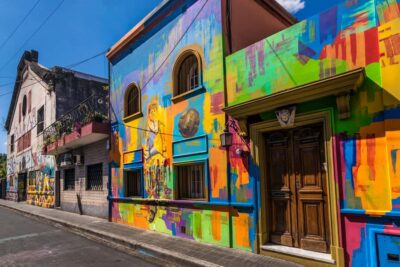
Palermo: Graffiti and Street Art Guided Tour in English
Read our review →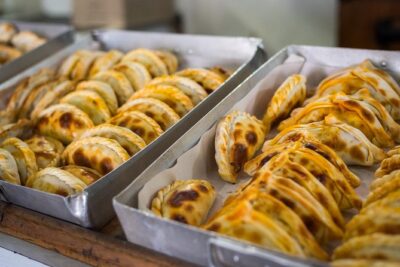
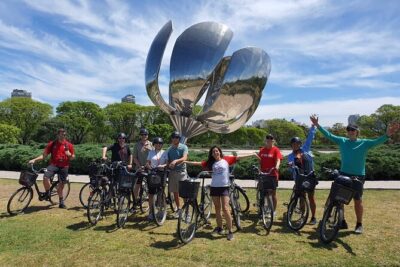
Half-Day Recoleta and Palermo Bike Tour in Buenos Aires
Read our review →
AsadoAdventure and Street Art Tour in Palermo Viejo
Read our review →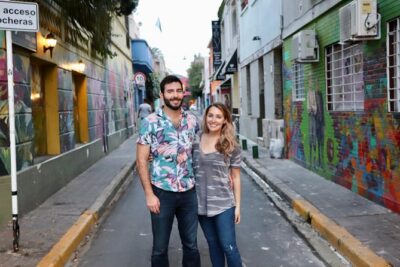
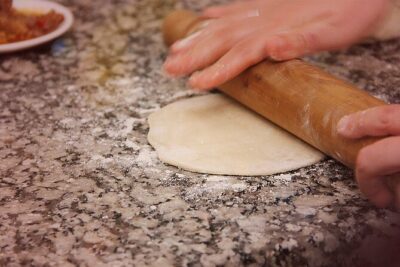
BA: Empanadas and Alfajores Cooking Experience in Palermo
Read our review →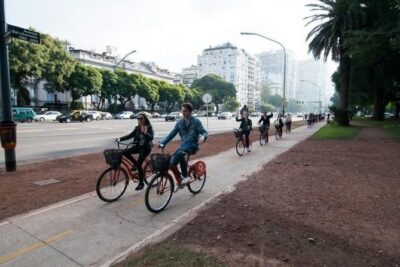
Buenos Aires Bike Tour: North Districts, Recoleta and Palermo
Read our review →Browse the lists this tour appears in