
Reviewed · RECOLETA CEMETERY
Buenos Aires: Recoleta Neighborhood Walking Tour
Buenos Aires can feel big and a little chaotic, but Recoleta flips that script. This walking tour is interesting because it turns an elegant neighborhood into a clear story you can follow block by block, from marble tombs to grand architecture.
I especially like the focus on Recoleta Cemetery and Eva Peron’s crypt, because it gives the site context instead of just dates and names. I also love how the route pairs classic sights with photo-worthy landmarks like Floralis Genérica, plus institutional buildings and parks that explain how Recoleta became the city’s “Paris of South America” style quarter.
One possible drawback: it is a walking tour in the center of town. You’ll cover several stops in about two hours, so it’s not the right choice if you want a slow, sit-down, museum-only day.
Key Things to Know Before You Go
- Meet at the Recoleta Cemetery area, with a guide ready to get you oriented fast.
- Recoleta Cemetery includes a special focus on Eva Peron’s crypt, not just a general visit.
- Floralis Genérica and formal park space are part of the flow, so you get both story and scenery.
- You’ll see major cultural stops along the way, including MALBA and fine arts connections.
- The pace is built for walking, with a mix of short visits and photo breaks.
- Guides can be flexible, including route adjustments for group interests on some dates.
Recoleta, the “Paris” Feeling, Without the Pretend
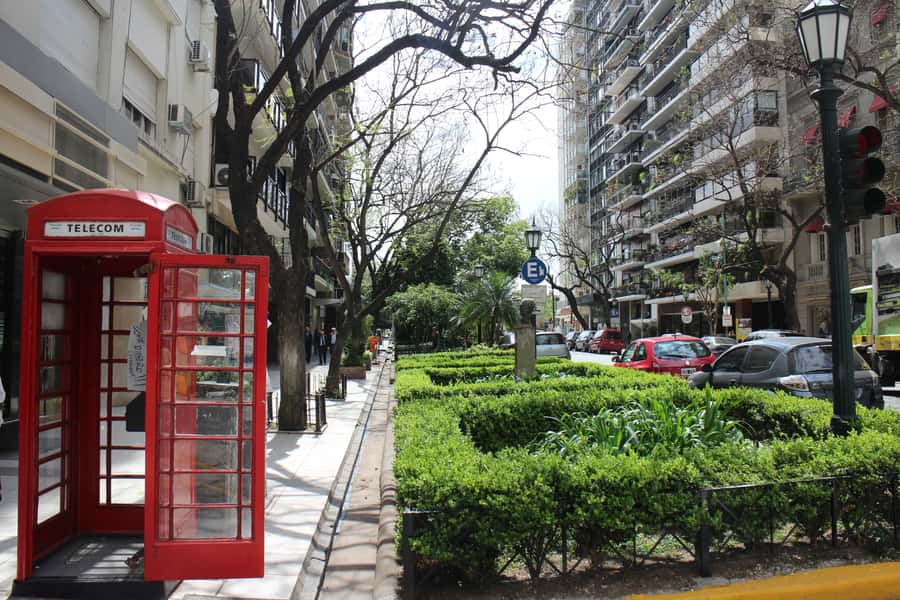
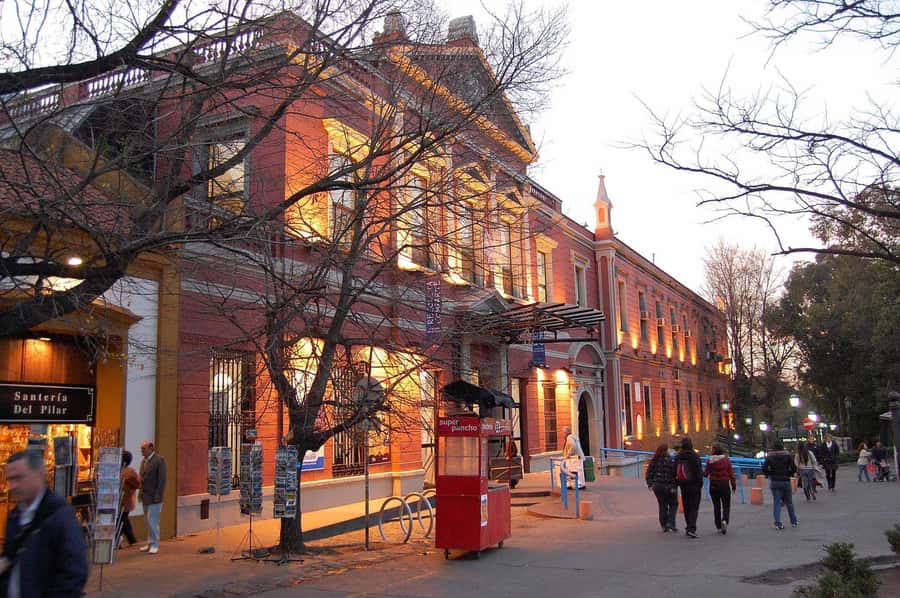
Recoleta works because it looks like it was designed for strolling. French-style buildings, ornate facades, and the kind of architecture that makes you slow down without even trying. The tour leans into that, but it doesn’t stop at “pretty.” You get the why behind the look.
What I like most is that you’re not just staring at buildings. You’re learning how the neighborhood’s aristocratic past shaped what you see today, including where political and cultural power put down roots. That makes the walk feel like a guided map through Buenos Aires, not a checklist.
If your travel style is: walk, observe, ask questions, then this is a good match. If your style is: one big museum with zero walking, you might feel slightly rushed.
More Walking Tours in Buenos Aires
- Buenos Aires Hop-On Hop-Off Bus, Free Walking Tours & Discounts
★ 4.5 · 2,218 reviews - Buenos Aires: La Boca Guided Walking Tour in English
★ 4.8 · 1,587 reviews - La Boca Walking Tour
★ 5.0 · 1,029 reviews
Starting at La Recoleta, Then Meeting the “Mini Marble City”
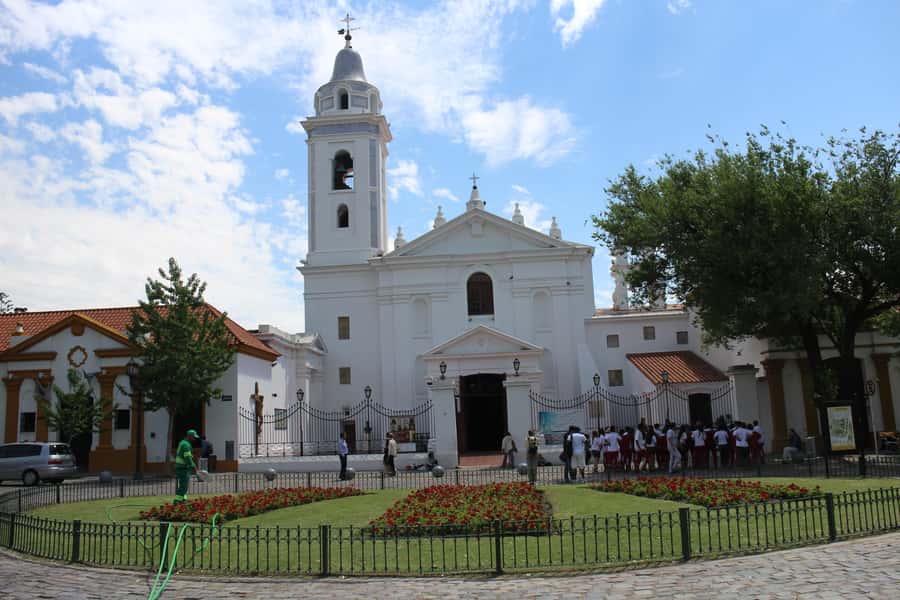
The tour starts in the Recoleta Cemetery area, with your guide meeting you about ten minutes before departure in front of the cemetery. After a short orientation, you head straight into the place that defines Recoleta’s mood.
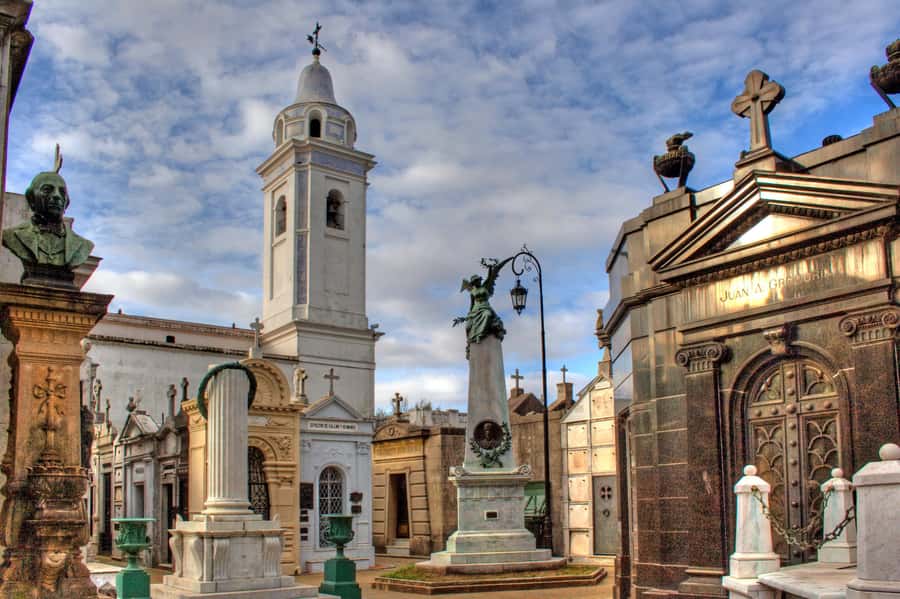
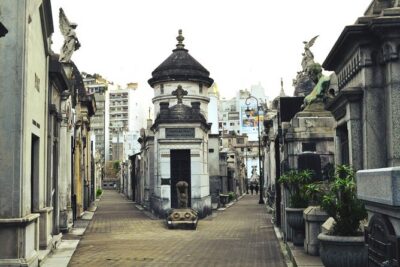
You spend around 45 minutes in the cemetery. This is not the kind of stop where you’re just dropped at the gates and left to wander. The visit focuses on the cemetery’s role in Buenos Aires society and highlights the most famous resting place: Eva Peron’s crypt.
Here’s the practical advantage: Eva Peron is a global name, but without context the cemetery can feel like maze of marble. A guide helps you connect the crypt to broader patterns of politics, fame, and public memory in Argentina. You also get a better sense of why the cemetery itself is a city of sorts, with structure, symbols, and styles meant to communicate status.
A small but real bonus from the experience: guides have a track record of being friendly and accommodating, including helping when someone arrives late. That matters because meeting at a specific spot can feel intimidating if you’re new to the area.
La Biela, Coffee Energy, and Why the Meeting Point Matters
The route centers on La Biela as the key anchor point. Even if you don’t stop for a coffee, being near a recognizable landmark makes the whole plan easier. Recoleta is full of beautiful streets, but they can blur together fast.
Starting at a clear spot near the cemetery also helps if you’re the kind of traveler who likes to be early and get your bearings. You’ll be able to spot your guide and settle in before you start walking.
In terms of vibe, think “organized stroll.” The tour isn’t trying to be a speed-walk. It’s paced for conversation and looking closely at facades and details.
MALBA and the Art Breaks That Keep the Tour Moving
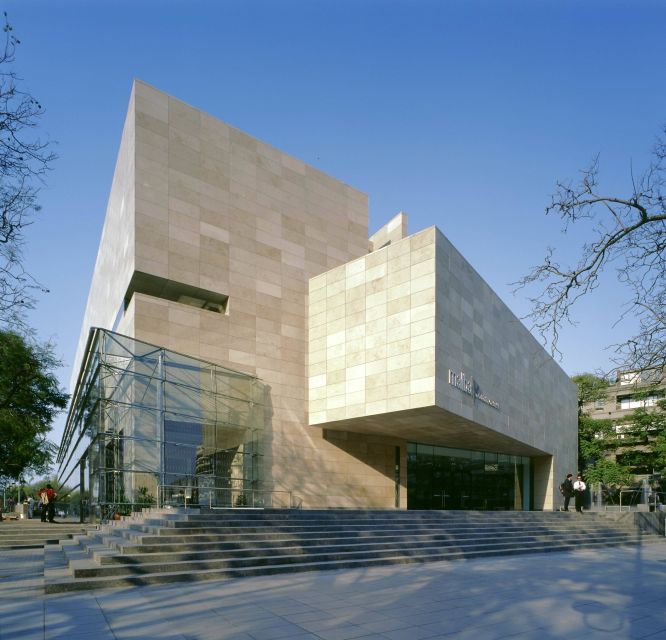
One stop brings you to the Museum of Latin American Art of Buenos Aires (MALBA). Even when time is limited, visiting this kind of museum stop matters because it helps you balance the cemetery’s heavy atmosphere with modern Argentine and Latin American creativity.
This is a quick, guided style visit rather than a deep gallery marathon. That’s exactly why it works inside a 2-hour walking tour. You leave with a better feel for what Recoleta does for the city culturally, not just historically.
If you want more museum time, you can always come back later on your own. But as part of a short guided walk, the MALBA connection helps you see Recoleta as both elite legacy and living culture.
More Recoleta cemetery visits:
- Buenos Aires: La Recoleta Cemetery Guided Tour in English
★ 4.8 · 1,359 reviews - Recoleta Cemetery Walking Tour
★ 5.0 · 668 reviews - Recoleta Cemetery Tour in English
★ 5.0 · 494 reviews - Half-Day Recoleta and Palermo Bike Tour in Buenos Aires
★ 5.0 · 161 reviews
Floralis Genérica and Plaza Space You’ll Actually Notice
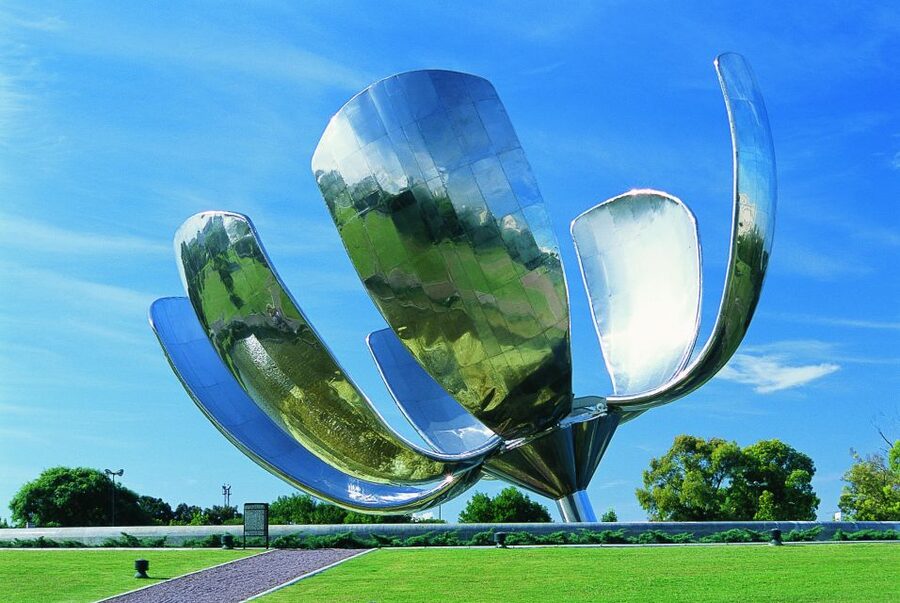
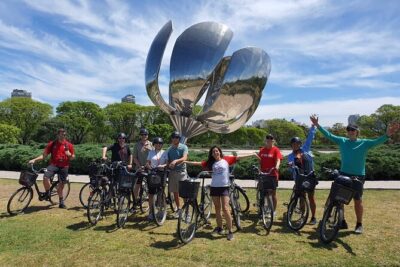
Then comes Floralis Genérica, the recognizable flower sculpture that turns a park into a landmark. Your guided time here is short, around ten minutes, but it’s long enough to understand the point of the monument and spot how it fits into the surrounding public space.
I like this stop because it gives your eyes a break after marble and architecture. It’s also a reminder that Recoleta isn’t only stone and institutions. There’s park space where people pause, meet, and look up at something made for the city.
If you’re a photographer, you’ll appreciate how easy it is to capture the sculpture against the sky and surrounding buildings. And even if you’re not, it’s a satisfying “reset” moment.
Museo Nacional de Bellas Artes, Beauty With a Purpose
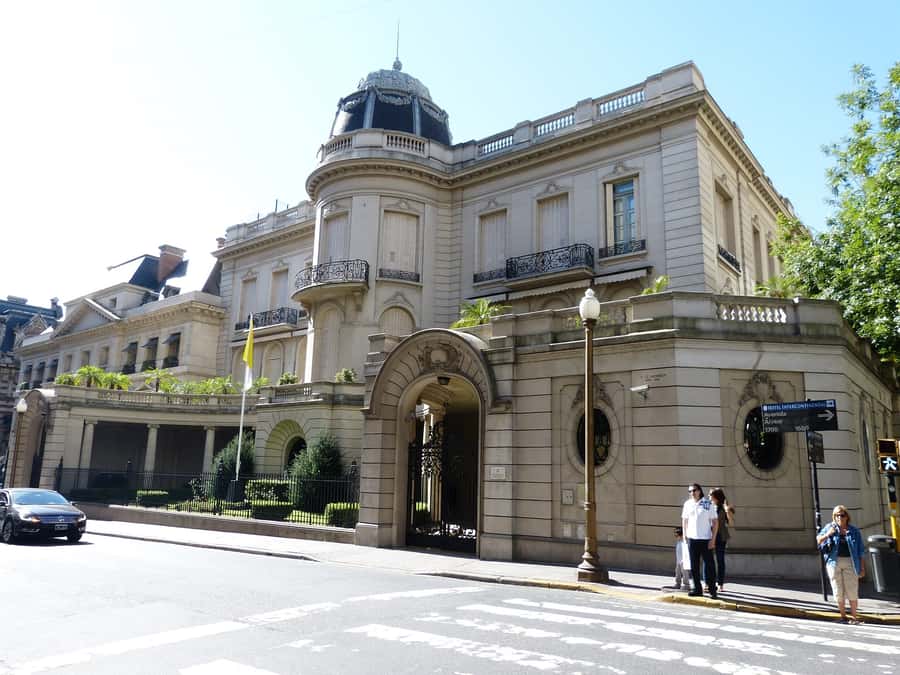
The route includes time at the Museo Nacional de Bellas Artes, which keeps the art and culture thread going. The stop is guided and quick, around ten minutes, so it’s more about context than trying to see everything.
What you get from a stop like this is a sense of how serious Buenos Aires is about arts in its most prestigious neighborhood. It also helps you understand why you see so many impressive buildings in Recoleta. Art institutions don’t pop up randomly. They reflect how the city invests in reputation.
If art museums are your thing, you’ll probably want more time later. Still, this short stop works well inside a walking tour because it keeps your momentum.
Facultad de Derecho (UBA) and the Power Behind the Facade
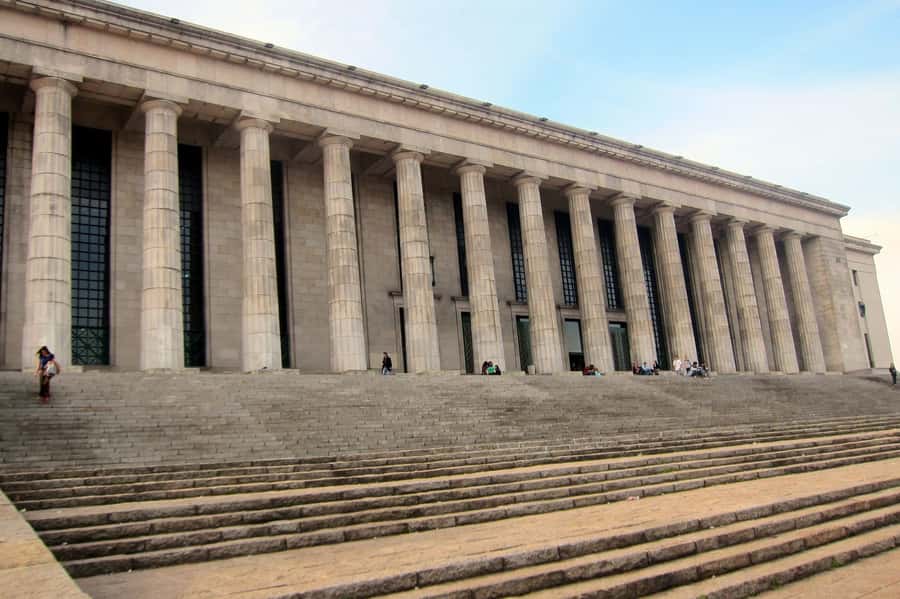
Next up is the Facultad de Derecho (UBA) stop, with about fifteen minutes for guided sightseeing. This is where the tour starts to feel less like “look at buildings” and more like “read the city.”
Universities, especially major ones, carry influence. In Recoleta, institutional architecture is part of the identity. You see big, formal design choices that communicate importance. The guide helps connect that style to the larger social story of the neighborhood.
A practical tip: this is a great stop if you enjoy architecture and want to understand what you’re seeing. Even if you don’t care about legal history, you’ll still come away with a better eye for how Buenos Aires builds status into stone.
Palais de Glace, a Short Stop With Real Atmosphere
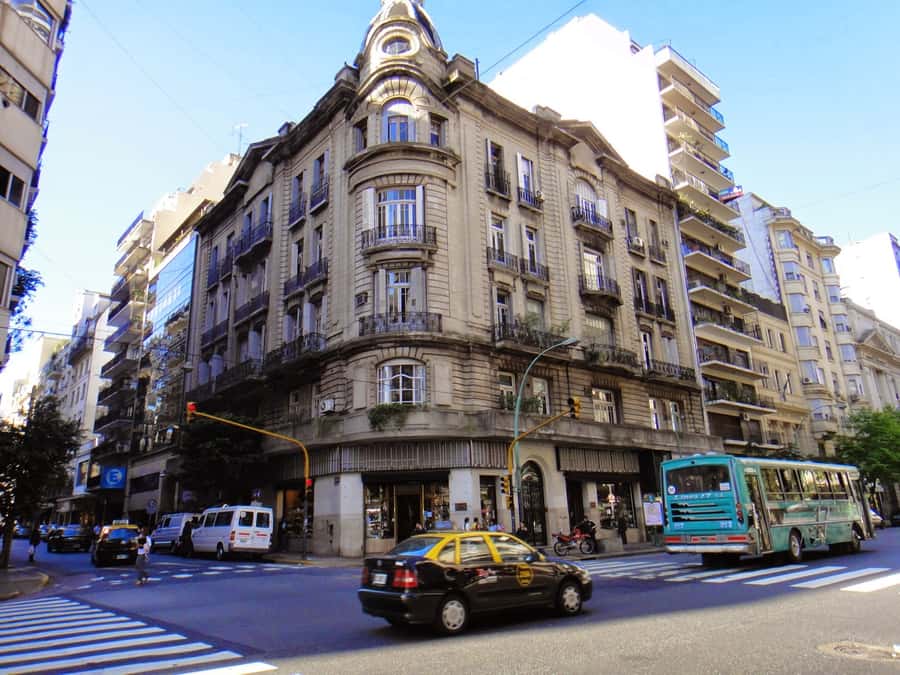
You also pass by the Palais de Glace. The time here is brief, around five minutes, but it’s the kind of quick stop that can still change how you experience the street.
It’s less about a long lesson and more about recognizing the design language. Recoleta’s standout structures tend to follow a theme: elegant, formal, and designed to impress. A short stop like this helps you lock onto that theme for the rest of the walk.
If you like to take photos, this is likely where you’ll snap a few quick shots and keep moving.
Back Through the Recoleta Streets, Toward La Biela
After covering the key sights, the tour returns to La Biela. This closing loop matters because you’re not just going one direction until you’re tired. You end back at a familiar landmark in the same neighborhood zone, which makes it easier to plan what comes next.
Think of it as a “finish line” that helps you transition from guided walking to independent wandering. You might want to linger nearby, grab a meal, or pop into a shop. Ending near La Biela keeps that choice simple.
Guides Make the Difference, and It Shows in Real Ways
This tour is judged a lot by the guide, and the pattern in the experience is clear: guides tend to be friendly, engaged, and willing to adapt to what the group wants.
You might meet guides such as Anahi, Veronica, Micaela, Barbi (Barbara), or Florencia. In different groups, guides have adjusted the route to match interests, shared lots of context, and kept the experience welcoming even if someone runs a bit late.
That matters. A walking tour can go two ways. Either the guide rattles off facts, or the guide helps you see what’s in front of you. Here, the emphasis leans toward explanation plus conversation.
And if English is your comfort language, you’ll be happy to hear that some guides have delivered strong English in the groups seen.
Price and Value: Is $93 Worth Two Hours?
At $93 per person for about two hours, the price lands in the mid to higher range for a walking tour. So you should ask: what are you really buying?
You’re buying three things:
- A professional live guide, not a self-paced route.
- A structured walk that hits major Recoleta landmarks without you needing to plan every turn.
- Priority through the busy parts of major sights, since ticket lines are skipped as part of the experience.
If you’re short on time in Buenos Aires, this is good value. Recoleta is not hard to reach, but it is easy to get lost in. A guided route gives you direction and context in a compact time window.
If you’re traveling with another confident navigator, you could do it on your own. But the cemetery focus and the way the route connects architecture, institutions, and public art are exactly the kinds of details that make guided time feel more worth it than you’d expect.
Who This Walking Tour Fits Best
This tour is a strong fit if:
- You want the best-known Recoleta sights in a short window.
- You like history that connects to what you can physically see.
- You enjoy a mix of cemetery, art institutions, and public monuments.
It’s a weaker fit if:
- You want only one or two stops and lots of time to sit.
- You hate walking or you want step-by-step logistical control without a guide.
- You’re only interested in deep museum viewing, not quick guided context.
Also note the walking style. One of the nice surprises is that the walk isn’t described as intense. You still move between stops, but the pacing is designed for sightseeing, not endurance.
Before You Go: Small Practical Tips That Help
- Wear shoes you can trust for smooth sidewalks and occasional curb changes. You’ll be on foot for the full loop.
- Arrive early enough to meet the guide without stress. The meeting is set in the cemetery area, and being calm makes the first stop easier.
- If your Spanish is basic, don’t panic. The guide works in English and Spanish. You can follow the story and ask questions.
- Bring a camera or a phone with battery. You’ll pass several photo-friendly fronts, especially around Recoleta architecture and the sculpture.
Should You Book This Recoleta Walk?
I’d recommend booking if you want a fast, guided introduction to Recoleta that hits the biggest names and explains why they matter. The cemetery stop with Eva Peron’s crypt is the emotional anchor, and the route keeps balancing heavy and light with public art like Floralis Genérica plus major cultural buildings.
If you’re traveling with limited time, this tour is efficient without feeling like a rushed stamp. And if you care about getting the story right, the guide-led format is the whole point.
If you want, tell me your travel dates and whether you prefer English or Spanish, and I can suggest a simple plan for what to do after you finish at La Biela.
FAQ
Where does the tour start and end?
The tour meets at Cementerio de la Recoleta and ends back at the meeting point area, with La Biela listed as the return spot.
How long is the walking tour?
The tour duration is 2 hours.
What is included in the price?
The price includes the live guide and the walking tour.
Which languages are offered?
The tour is offered in Spanish and English.
Which sights are part of the route?
You’ll visit stops including Floralis Genérica, MALBA, the Museo Nacional de Bellas Artes, Facultad de Derecho (UBA), Palais de Glace, and La Recoleta Cemetery.
Is there priority entry or skipping ticket lines?
Yes. The tour includes skipping the ticket line.
What is the cancellation policy?
You can cancel up to 24 hours in advance for a full refund.
Recently reviewed around Buenos Aires
- Meet Locals: Language Exchange Café in Buenos Aires★ 5.0 · 10 reviews
- Piazzolla Tango Show Only In Buenos Aires★ 4.5 · 10 reviews
- Madero Tango Show Including Executive Dinner In Buenos Aires★ 3.5 · 10 reviews
- Private City Tour & Transfer to the International Airport★ 5.0 · 10 reviews
- Esquina Homero Manzi Tango Show Ticket Including Optional Dinner in Buenos Aires★ 4.5 · 10 reviews
- VIP Dinner & Tango Show at El Viejo Almacen★ 4.5 · 10 reviews
- Premium service Buenos Aires city tour for small groups★ 4.0 · 11 reviews
- Buenos Aires City Tour★ 4.5 · 11 reviews
Recoleta Cemetery, compared.
Half-Day Recoleta and Palermo Bike Tour in Buenos Aires
Read our review →
Buenos Aires Bike Tour: North Districts, Recoleta and Palermo
Read our review →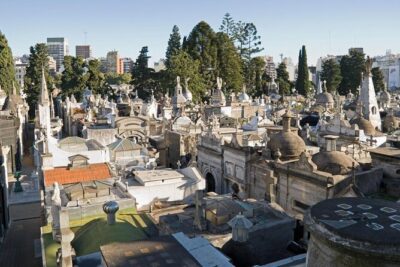
Recoleta in Depth (not literally) Private Walking Tour
Read our review →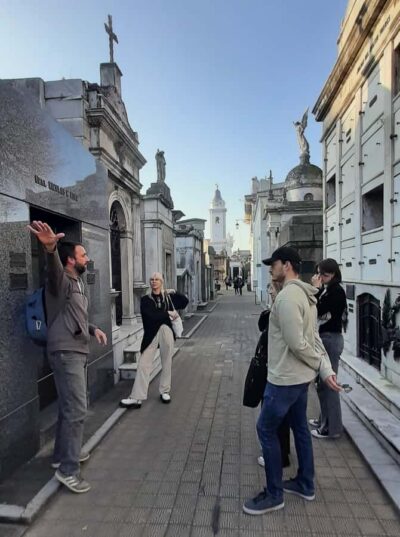
Recoleta Cemetery – Small Group Tour of History & Secrets
Read our review →
Browse the lists this tour appears in