
Reviewed · BARILOCHE TOURS
From Bariloche: San Martin de los Andes and 7 Lakes Circuit
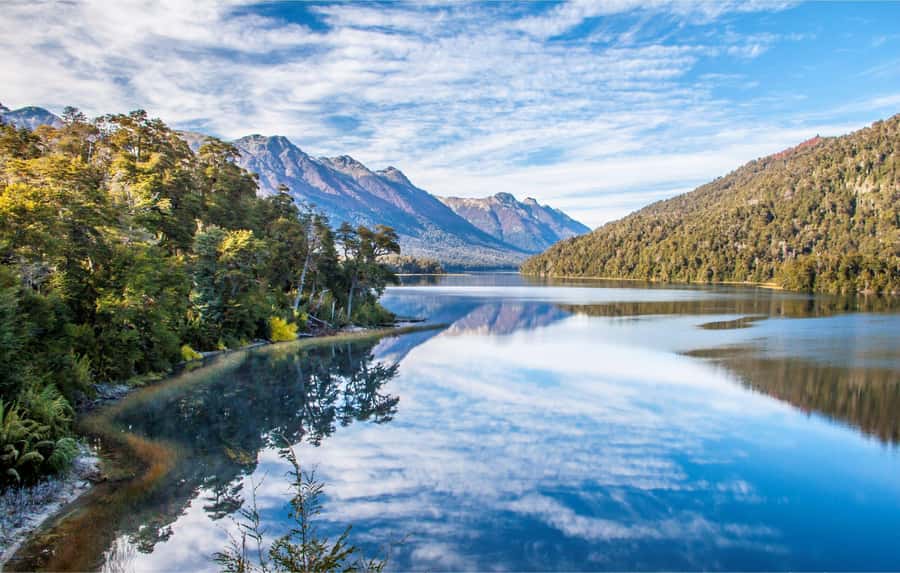
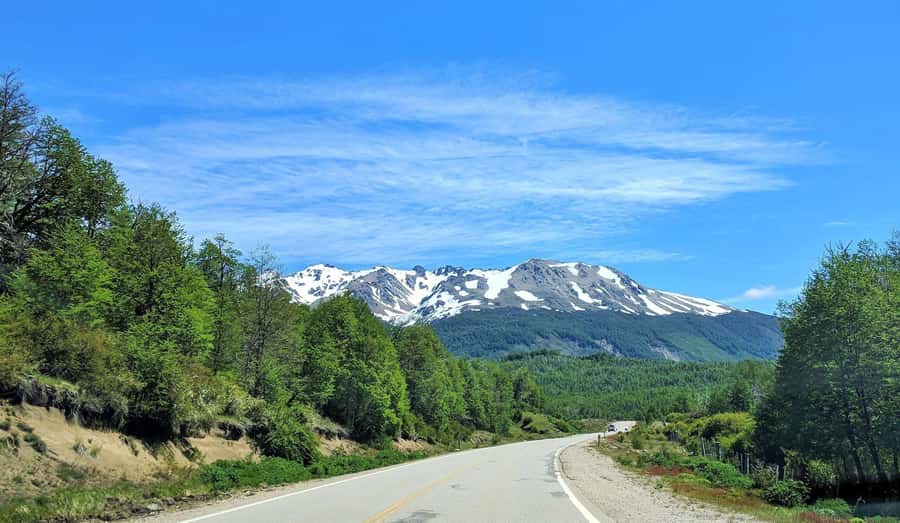
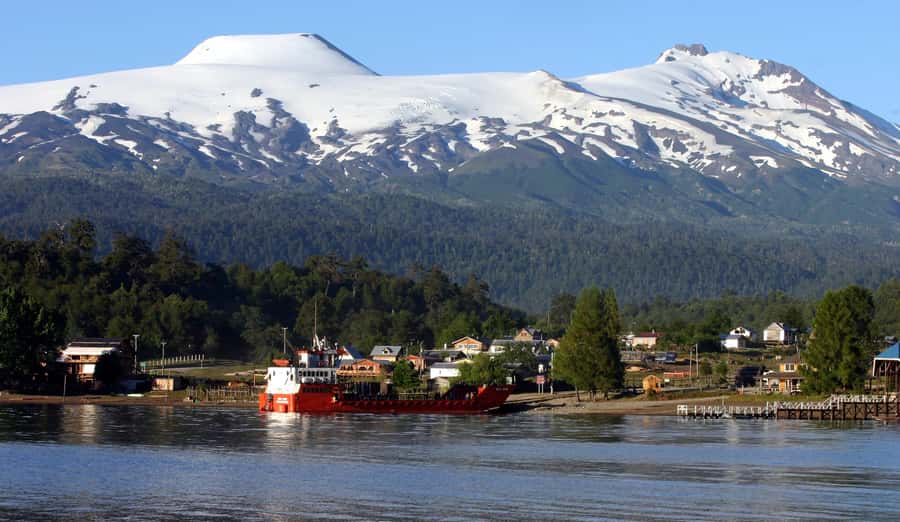
This is the kind of day trip that feels like you’re driving through a giant, natural photo album. You cover the Seven Lakes Route between Bariloche and San Martín de los Andes, with big water and mountain views stacked back-to-back.
I especially love two things about this tour. First, the route hits multiple glacial-origin lakes in one long stretch, including the massive Nahuel Huapi. Second, the day is guided by a live guide in Spanish, English, or Portuguese, and one highlight from the experience is the way the guide, like Sebastian, shares real knowledge instead of just reciting facts.
One consideration: it is often run as a standard group tour, not a tiny private-style ride. If you’re picky about quiet, small groups, you may want to plan for a busier van or bus format.
Key points
- Seven Lakes Route in one day: you get a chain of lake stops without planning or renting a car
- Nahuel Huapi scale: one of the glacial lakes, with an area of 529 km², makes every stop feel bigger
- Roadside photo power: Lake Villarino and Lake Machonico are framed for easy viewing from the high road
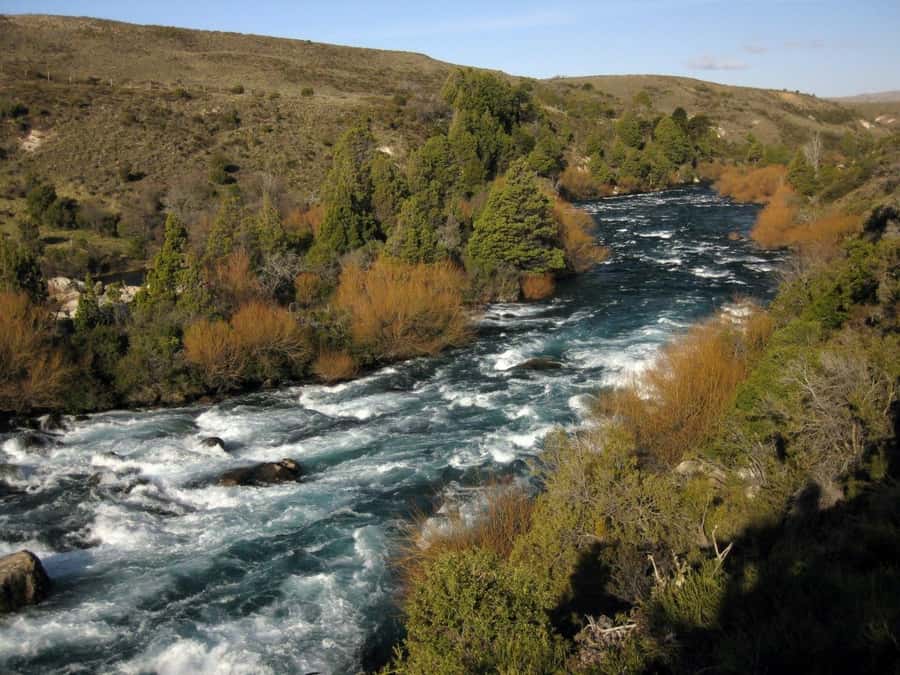
- Boundary crossing moment: you cross the Limay River, the natural border between Río Negro and Neuquén
- San Martín de los Andes payoff: you reach Lake Lacar before heading back to Bariloche
Why This 9-Hour Bariloche To San Martín Route Feels Worth It
At $140 per person for a full 9-hour outing, the value hinges on one thing: you’re buying time and transportation. The Seven Lakes Route is famous for a reason, but it can be slow to arrange on your own, especially if you’re not driving. This tour does the hard part for you, turning a long intercity drive into a sightseeing day with a guide.
You also get a clear structure. You’re not just “going from A to B.” You’re moving along a specific scenic corridor: Route 40, a river crossing, a set of peninsula and town passes, then the Lakes Route itself, and finally the arrival in San Martín de los Andes on Lake Lacar.
The best part, for me, is that the scenery isn’t one big moment that you blink and miss. It’s repeated and varied. One lake feels wide and monumental. Another is quiet and dark-blue. Then you reach San Martín, where the water changes the mood again.
A few more Bariloche days worth comparing
- Bariloche: 7 Lakes & San Martin de Los Andes Road Trip
★ 4.5 · 624 reviews - German Footprint & Nazi presence – Walking Tour in Bariloche
★ 5.0 · 337 reviews - Bariloche: Circuito Chico with optional Cerro Catedral
★ 4.5 · 316 reviews
Route 40, Limay River, and The Border Feeling Between Provinces
The day starts in Bariloche with hotel pickup and drop-off, handled by the operator Tangol. Then you point toward Route 40 and the first major visual cue comes quickly: crossing the Limay River, which acts as the natural boundary between Río Negro and Neuquén.
Even if you don’t care about provincial lines, this moment works because of how quickly the terrain opens up after you cross. You’re not sitting in traffic waiting for the view to arrive. The view is part of the route, and the crossing helps break the day into chapters.
Next you travel over the Huemul peninsula and through Puerto Manzano, heading toward Villa La Angostura. These stretch sections matter. They keep the drive from feeling like one long blur, and they set you up for the lakes to come by gradually changing the scenery from more urban edges into classic Lake District terrain.
Practical tip: wear shoes you can move in comfortably. Even when stops are quick, you’ll want a stance that lets you walk a few minutes and still get photos without worrying about slipping.
Villa La Angostura As A Transition, Not Just A Stop
Villa La Angostura is where the route starts to feel like the real show. Think of it as a transition town that helps the Seven Lakes Route land harder once you start the loop-style sequence.
I like this approach because it avoids the trap of doing only a few dramatic stops. Instead, you get a steady rhythm: drive sections that make sense geographically, plus short viewing moments that let you absorb what you’re seeing.
What to watch for here is the way the road sits above the water at different points. You’ll spend a good part of the day on roads where the viewpoints are built into the drive itself. That makes it easier to enjoy the scenery even if you’re not a marathon photographer.
Nahuel Huapi: The Big Glacial Lake Moment (And Why It Matters)
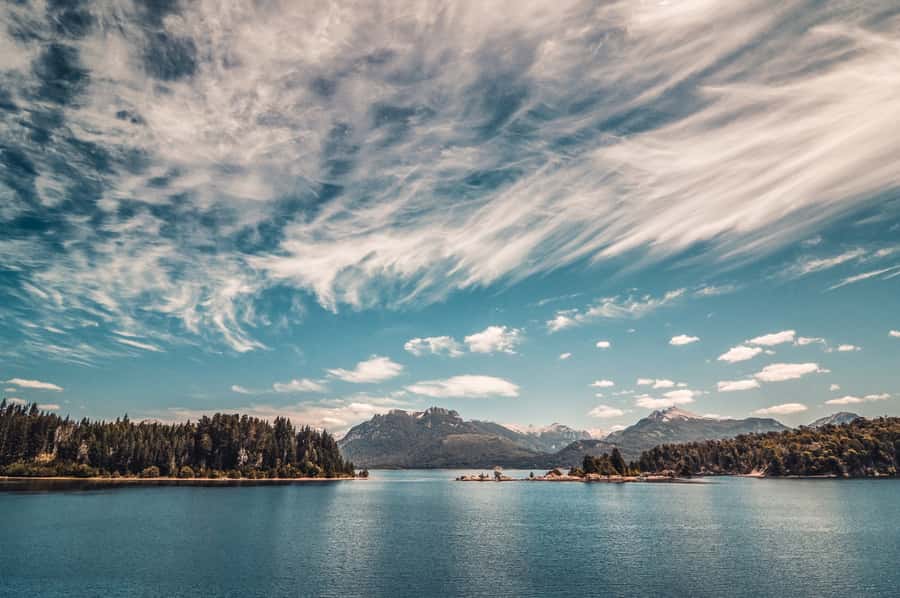
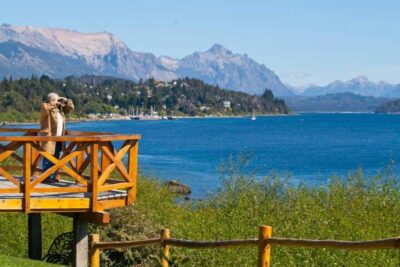
Once you’re on the Seven Lakes Route, the first standout is Nahuel Huapi. The tour info calls it majestic and gives you a useful reality check: it covers 529 km² and is one of the most important glacial-origin lakes.
This matters because it changes how you interpret the scenery. Smaller lakes can feel intimate. Nahuel Huapi tends to feel like a body of water that controls the air around it. Even from the road, the scale is what hits you first.
The guide helps here too. A strong guide will explain why these lakes formed and why the region looks the way it does. In the experience you’re planning, that instruction style is a key reason people rate the tour so highly. It’s not just the scenery. It’s also what you learn while you’re looking at it.
Photo tip: don’t aim for one perfect shot. Take several from slightly different angles while you’re at the viewpoint. With a lake this big, the light and perspective can make one view feel flat and the next feel dramatic.
A different sort of day out of Bariloche:
- Fly Fishing Bariloche
★ 5.0 · 305 reviews - Bariloche: German Immigration and History Walking Tour
★ 4.8 · 169 reviews - San Martín de los Andes por 7 Lagos
★ 4.4 · 155 reviews - Circuito Chico
★ 4.5 · 146 reviews
Lake Villarino, Coihues, and The High-Road View Trick
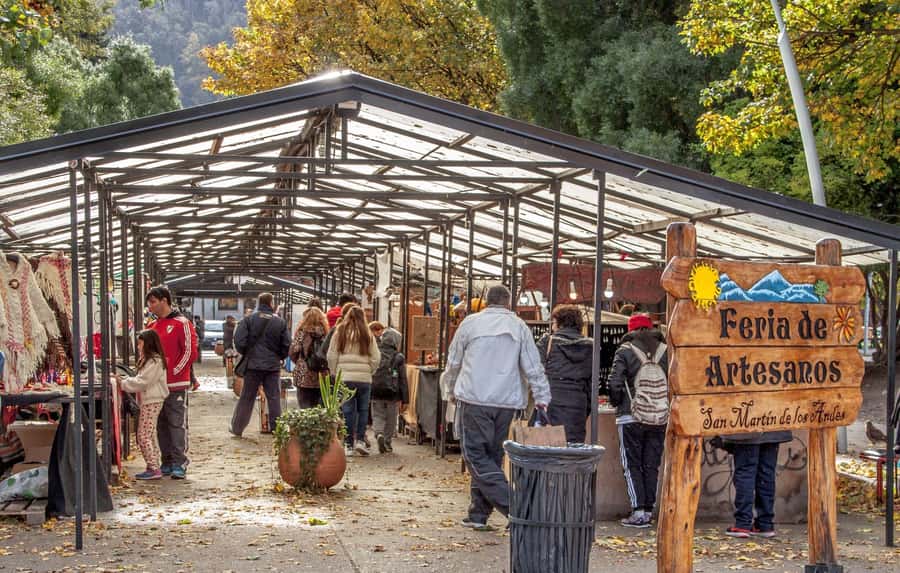
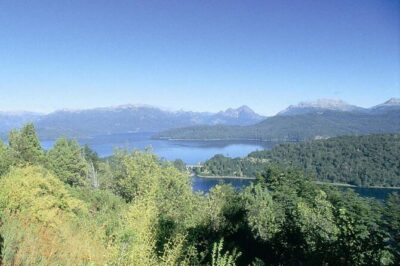
After Nahuel Huapi, the route continues toward Lake Villarino. This section has a special appeal because it’s framed in a way that’s easy to understand from the vehicle: coihue forest and mountain ranges surround the lake, and you can see it from the high road.
Then there’s another detail that makes this stop more interesting than a random pull-off. Lake Villarino connects with Lake Falkner. That connection gives you a sense of how the system works. You start noticing how the lakes are not isolated scenes. They’re linked along a corridor shaped by ice and water over time.
If you’re the kind of traveler who likes to look at places and understand the pattern, this is one of the best moments in the day. Even if your photo skills are average, the view still reads well because it’s framed naturally by the terrain.
Possible drawback: the best view points can depend on where the vehicle parks and what the road is doing that day. If you want the absolute perfect framing, keep expectations flexible and focus on getting a few strong angles rather than a single rigid shot.
Lake Machonico: Calm Dark Blue Water Between Mountains
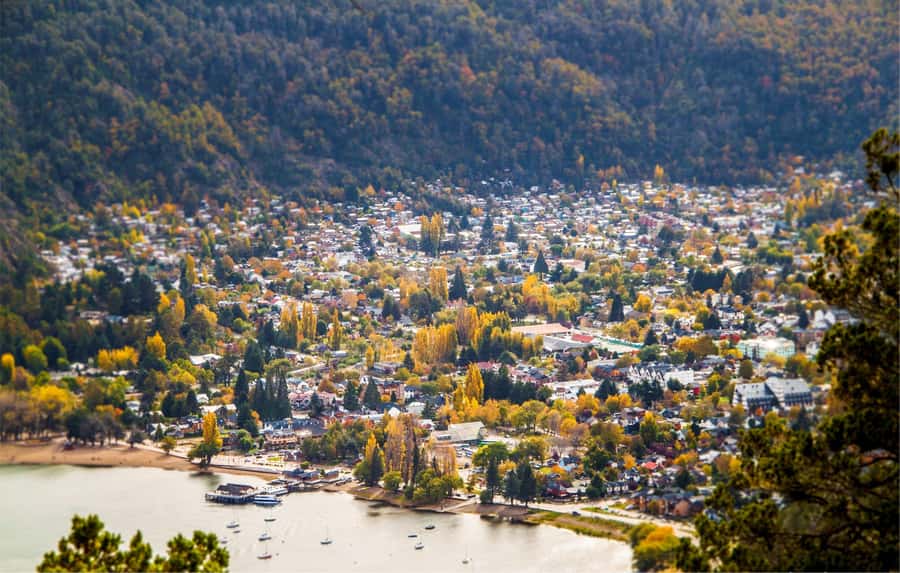
Next up is Lake Machonico, described as having calm waters in a dark blue tone, framed between two roadside mountains.
This is where the Seven Lakes Route earns its reputation as more than just a list of lakes. The color shift is real. The mood shifts too. Dark water between mountains often feels quieter and heavier, like the scene is holding still.
And because the lake sits in a tight visual corridor, it’s also easier to judge where to stand for photos. You don’t have to shoot across a huge horizon. The setting tends to organize the composition for you.
You’ll likely spend only a short window here, so make your choices fast:
- quick look first, pick your stance second
- grab the shot, then relax and enjoy it for a minute
Arriving in San Martín de los Andes, With Lake Lacar In View
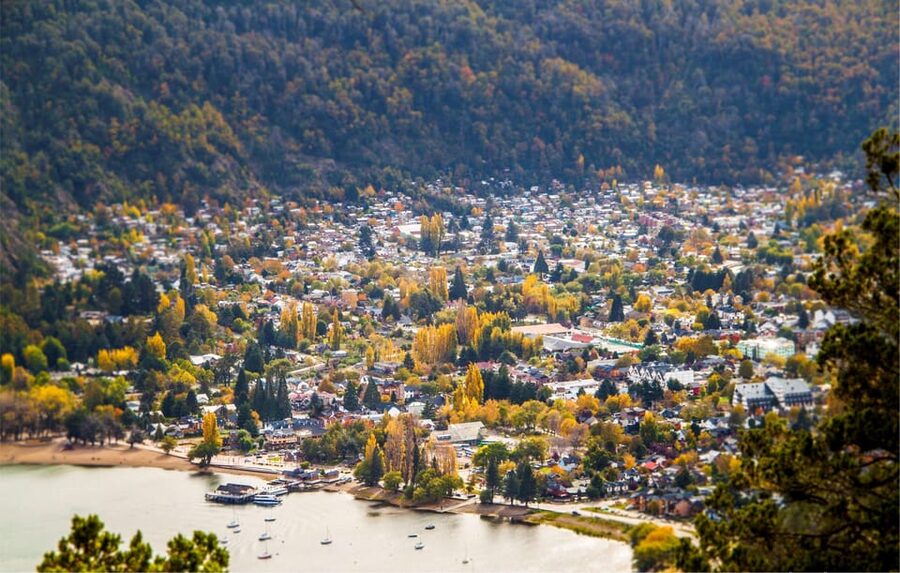
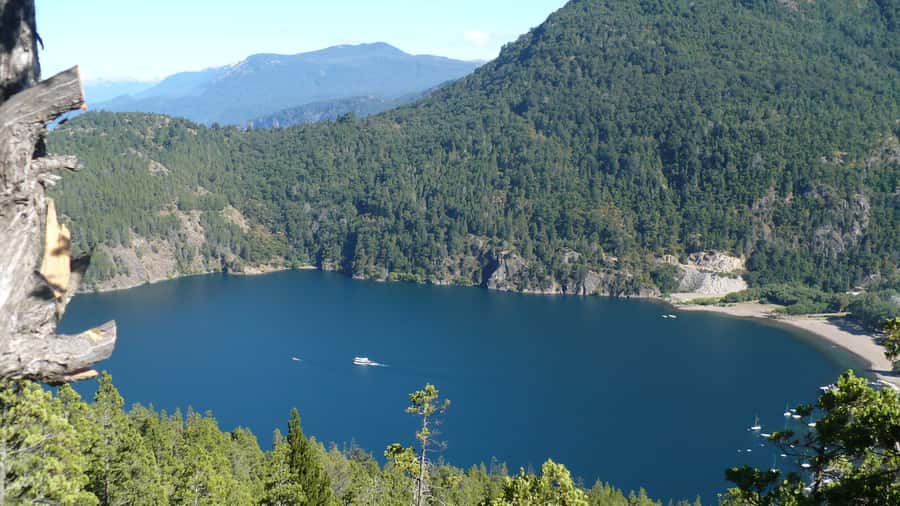
The payoff is San Martín de los Andes, where you observe Lake Lacar. This is a key moment because it finishes the story you started on Route 40. You begin in Bariloche, cross borders and peninsulas, move along the Seven Lakes corridor, and then you arrive in a town where the water is part of daily life.
What you’ll feel here is the change in pace. Along the route, the lakes are seen from roads and quick stops. In San Martín de los Andes, the atmosphere tends to be more settled. Even if your time is limited compared to a longer stay, it still gives you that sense of arriving somewhere, not just passing through.
If you enjoy walking a bit and soaking in views, this is where your comfortable shoes pay off. Use your time to look around and find a couple of spots where the lake angle matches your mood, not just your phone camera.
The Return Trip: Back Along The Same Scenic Route
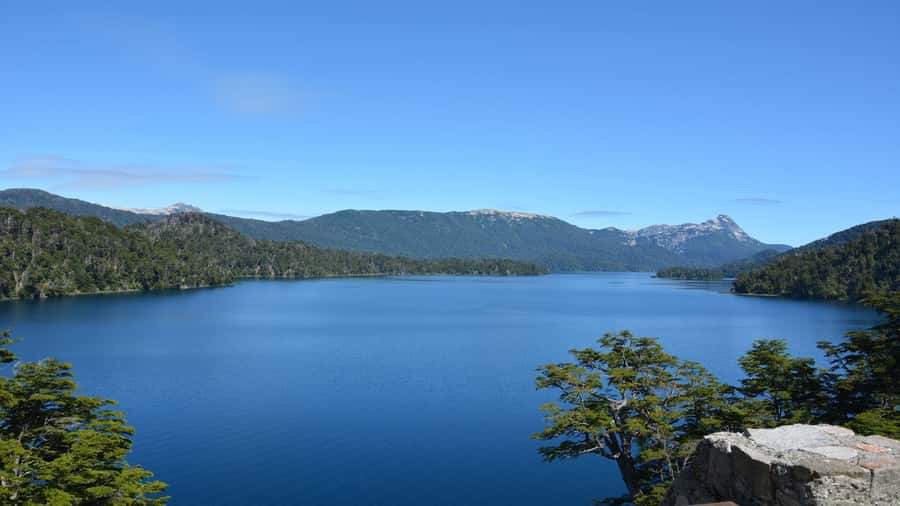
After reaching San Martín de los Andes, you return by the same route to reach the hotels in Bariloche. That matters more than it sounds.
When you go and return on the same corridor, the scenery becomes a loop in your day. You start noticing things you missed earlier. It can also reduce stress because you’re not wondering if the route changed or where you’ll be dropped off relative to your pickup area.
In practical terms, it also means your day remains consistent. You know you’re in for a long run, so you can plan energy and snack strategy accordingly. Just remember: food and beverages are not included, so you’ll want to plan your own. Even if you don’t eat much, having water and a simple snack helps keep the day enjoyable.
Languages, Guide Style, And Why People Feel Taken Care Of
This tour includes a Spanish guide, and you can also have a live guide in English or Portuguese depending on the option you book. The point isn’t only language. It’s the way good guides connect the scenery to meaning.
From the feedback patterns you shared, the guide quality is a consistent winner. People singled out clear explanation and the feeling of learning something real, not just following along. Sebastian was specifically named in one of the experiences, which suggests the tour can have strong, personable guide talent.
Also, service quality matters on a long road day. A smooth driver and well-run timing help you enjoy the stops instead of stressing over them. The overall rating reflects that the experience tends to run well when conditions cooperate.
One note: pickup and drop-off are included, but pickup is only from selected centrally located hotels. If your accommodation is outside that area, you’ll get a meeting point assigned to you, and pickup timing is approximate, confirmed about 24 hours prior, and can shift due to traffic and other variables.
Timing From Bariloche: What To Plan For On A 9-Hour Day
A 9-hour day means you should treat it like a real itinerary, not a casual half-day outing. You’ll spend a lot of time on the road. That’s normal here. The value is that the road time is transformed into sightseeing time.
So I recommend planning in layers:
- bring or buy water before pickup
- wear comfortable shoes because you’ll move briefly at stops
- keep your day bag light because luggage or large bags are not allowed
If you’re trying to match this tour with other plans the same day, don’t schedule something tight right after. Your return to Bariloche might not land exactly on your mental clock. This is a long route with real road variables.
Weather and Winter Road Conditions: The Real-World Factor
The tour explicitly depends on road conditions during winter. That’s not a marketing detail. It’s the main reason you should stay flexible with your expectations in colder months.
Even when the plan is solid, winter driving can slow things down or force operational adjustments. If you’re visiting in shoulder season, still assume that timing might shift a bit compared with a summer day.
If you’re the type who hates surprises, you’ll want to build in buffer time for this day and avoid stacking high-pressure plans right afterward. If you’re okay with that, then the trade-off is worth it because you’re getting a high-value route without driving yourself.
Price and Value: Is $140 Per Person a Good Deal?
For $140 per person, you’re paying for:
- transportation between Bariloche and San Martín de los Andes
- hotel pickup and drop-off from central locations
- a live guide (Spanish included, with English or Portuguese options)
- guided stops along the Seven Lakes Route so you don’t need to plan logistics
If you were to do this yourself, the costs would usually add up through fuel, car rental, parking, and time spent mapping viewpoints. Plus, the guide makes a difference when you want context, not just scenery.
So I see the price as reasonable if you want maximum scenery coverage in one day and you don’t want to handle driving. If your goal is a slow, independent exploration with lots of time in towns, you might prefer a multi-day plan where you can control pacing. But for a single-day hit, this is one of the more efficient ways to experience the Lake District corridor.
Who This Tour Fits Best (And Who Should Look Elsewhere)
This experience is a great fit if you:
- want a one-day version of the Seven Lakes Route without planning
- enjoy learning as you look, not just taking photos
- prefer guided comfort, especially on a long drive
It may not be your best choice if:
- you strongly prefer tiny groups and quiet conversation
- you need frequent stops for long walks
- you travel with bulky luggage
Given the length and group format hinted by feedback, I’d treat it as a solid day trip for couples, solo travelers who like structure, and families who can handle a long road day. If you’re a hardcore outdoors-only traveler who wants long hikes, you might find it too time-limited.
Should You Book This Bariloche To San Martín De los Andes Seven Lakes Day Trip?
Book it if you want a scenic, guided route that delivers multiple lake moments in a single, efficient day. The combination of Nahuel Huapi’s scale, the high-road view of Lake Villarino, the calmer dark-blue feel of Lake Machonico, and the arrival at Lake Lacar makes the day feel like a complete circuit, not a rushed drive.
Skip it or reconsider if you hate winter uncertainty or you really need a small-group setting. Also, check whether your hotel is in the pickup zone, because pickup is from selected central hotels and meeting points may be used elsewhere.
If you’re flexible, comfortable on a 9-hour schedule, and you bring the basics like ID and comfy shoes, you’ll likely feel like you got your money’s worth.
FAQ
What does the tour price include?
The price includes hotel pickup and drop-off and a Spanish guide. Food and beverages, tickets, and personal expenses are not included.
How long is the experience?
The tour duration is 9 hours. Starting times depend on availability.
What languages are available for the guide?
The live tour guide can be Spanish, English, or Portuguese, depending on the option you book.
Do I need tickets or do I pay anything extra?
Tickets are not included, so if any stop requires tickets, you would need to pay separately. Food and beverages are also not included.
Is pickup from any hotel in Bariloche guaranteed?
Pickup is included, but only from selected centrally located hotels. If your hotel is outside that area, the operator will assign a closest meeting point. Pickup time is approximate and confirmed about 24 hours prior, depending on traffic and other variables.
What should I bring, and can I bring luggage?
Bring a passport or ID card and comfortable shoes. Luggage or large bags are not allowed, so pack light.
Recently reviewed around Bariloche
- Exclusive Sailboat Trip through the Lakes of Bariloche★ 4.0 · 9 reviews
- Private Transfer from the Airport to Bariloche Center★ 4.5 · 73 reviews
- Snow excursion in Bariloche – Suitable for the whole family★ 4.5 · 3 reviews
- Transfer from the Airport to Bariloche★ 3.5 · 4 reviews
- Tour with Navigation to the Arrayanes Forest and Victoria Island★ 4.0 · 48 reviews
- Kayak paddling adventure around Bariloche★ 5.0 · 49 reviews
- GERMAN TREKKING TO BERGHOF – Mountain stories★ 4.5 · 4 reviews
- 10 Secrets of Bariloche, Nahuel Huapi, and Patagonia★ 5.0 · 46 reviews
Bariloche Tours, compared.
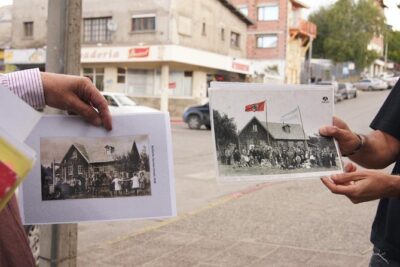
German Footprint & Nazi presence – Walking Tour in Bariloche
Read our review →
Bariloche Small Circuit: Mt Campanario and Llao Llao Peninsula
Read our review →Browse the lists this tour appears in