
Reviewed · QUEBRADA DE HUMAHUACA
From Jujuy: Serranías de Hornocal with Quebrada de Humahuaca
The best part of this trip is that it’s not just one famous view. You go from the Quebrada de Humahuaca to Hornocal, piling up color, churches, and mountain towns in a single long day. It feels like Argentina showing off its best “why it looks like this” geology.
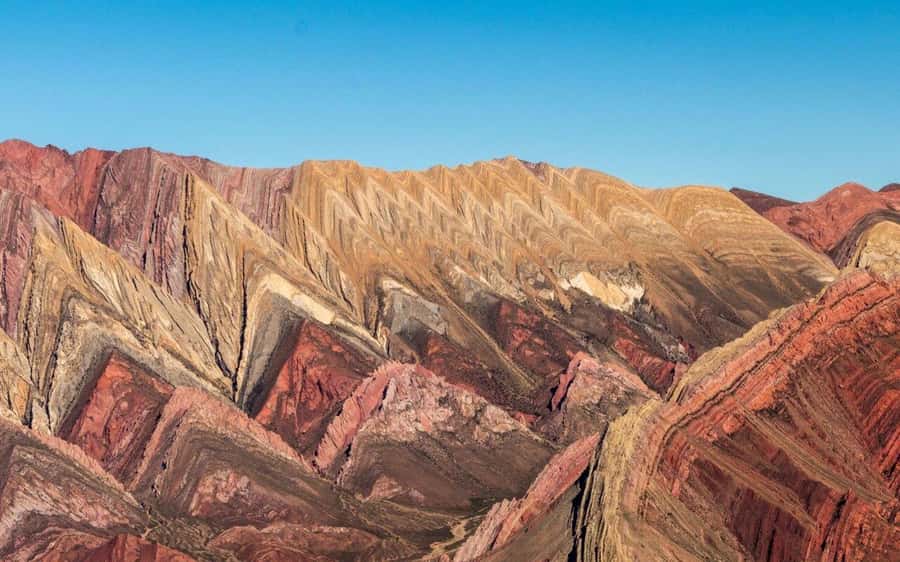
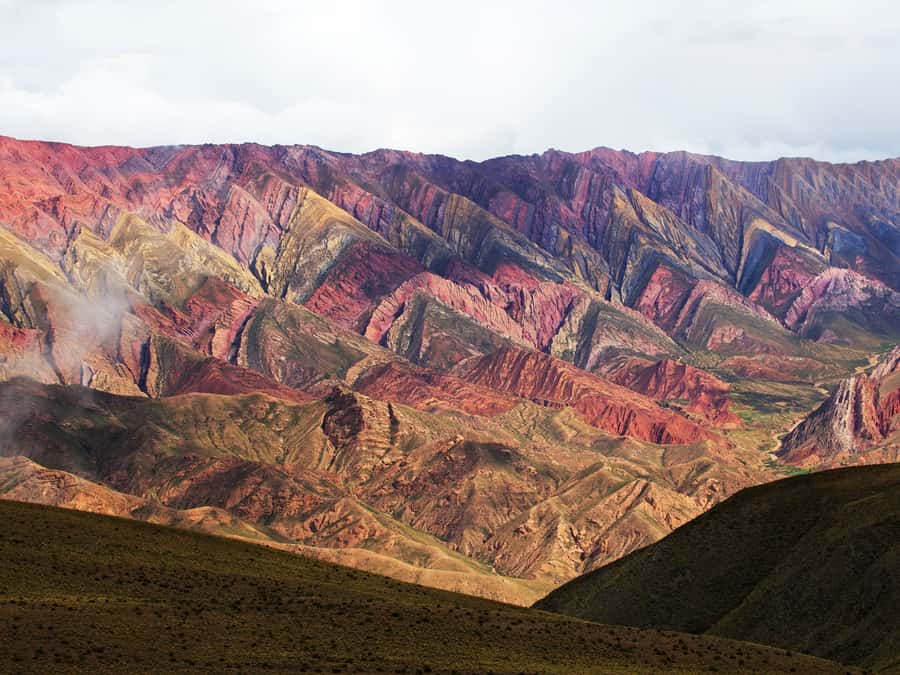
I like two things a lot. First, the Hill of the 14 colors at Hornocal, where the mineral reds, yellows, and purples make even simple photo stops feel worth it. Second, Humahuaca Gorge towns like Purmamarca and Tilcara, where culture and daily life sit right next to the view, including UNESCO World Heritage status.
One drawback to think about up front: you spend a good chunk of the day on the road, and you only get limited time at each stop. If you hate bus time or you want hours in just one town, this might feel a bit rushed.
Key highlights you should care about
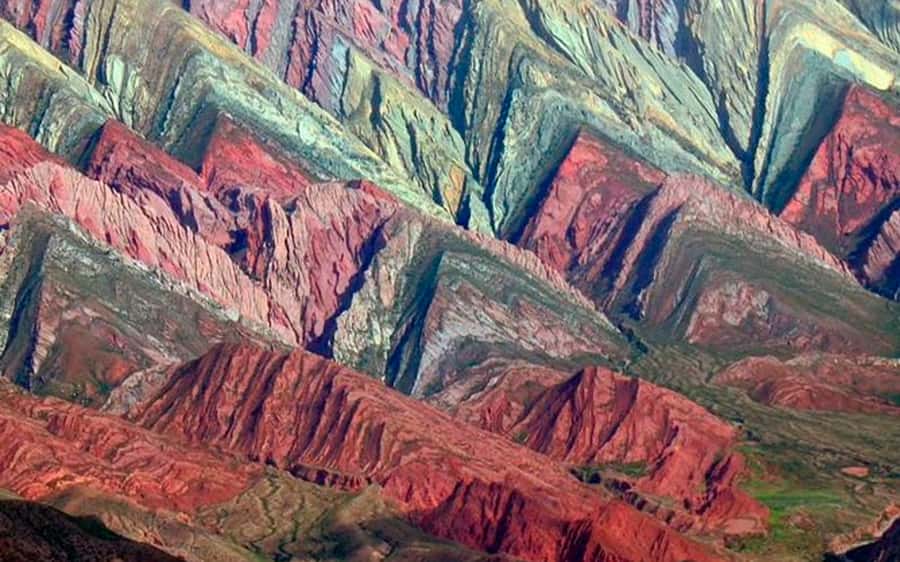
- Hornocal’s Hill of the 14 colors is the emotional payoff of the day, especially if you like photography
- UNESCO Quebrada de Humahuaca gives you more than scenery, it gives you towns with identity and history
- Hornocal access via 4WD means you don’t just park and look, you actually get up into position for the best views
- Uquía’s 17th-century church + Arcabuceros Angels connects the Andes to colonial-era art influences from Peru
- Humahuaca free time for lunch lets you try regional food like llama meat and walk the streets on your own
A day of high-altitude color: Quebrada de Humahuaca to Hornocal
This is a one-day circuit based in Salta Province, in Argentina’s north, starting from Jujuy. You’ll travel about 127 km round trip, with a total duration around 10 hours, and the main touring time is closer to 8 hours.
The altitude is real. The route reaches a maximum of about 3,012 meters, so you may feel it, especially if you’re arriving from lower elevations. Plan your pace, breathe normally, and don’t treat the day like a casual stroll in a flat city.
The core idea is simple: you ride through a gorge system where minerals oxidize over thousands of years, creating those famous multicolor ridgelines. Then you break that geology up with human moments, small-town stops, churches, markets, and lunch time.
More Quebrada de Humahuaca trips:
- Purmamarca Walk with Llamas
★ 5.0 · 167 reviews - From Jujuy: Salinas Grandes, Purmamarca & Los Colorados Hike
★ 4.2 · 75 reviews - Trekking Purmamarca
★ 5.0 · 52 reviews
Humahuaca Gorge towns and Purmamarca’s Cerro de los 7 Colores
The day kicks off with pickup in the Jujuy area and an early start. The listed meeting point is VEA Supermarket in Ciudad de Nieva, with an appointment at 9:30 a.m., and the morning pickup begins around 9:00 a.m. in the wider area. Expect a bit of morning coordination, and don’t roll in right at the last minute.
Your first quick stop is Volcán, where you get a brief break and a little free time. It’s short, but it helps break up the opening drive.
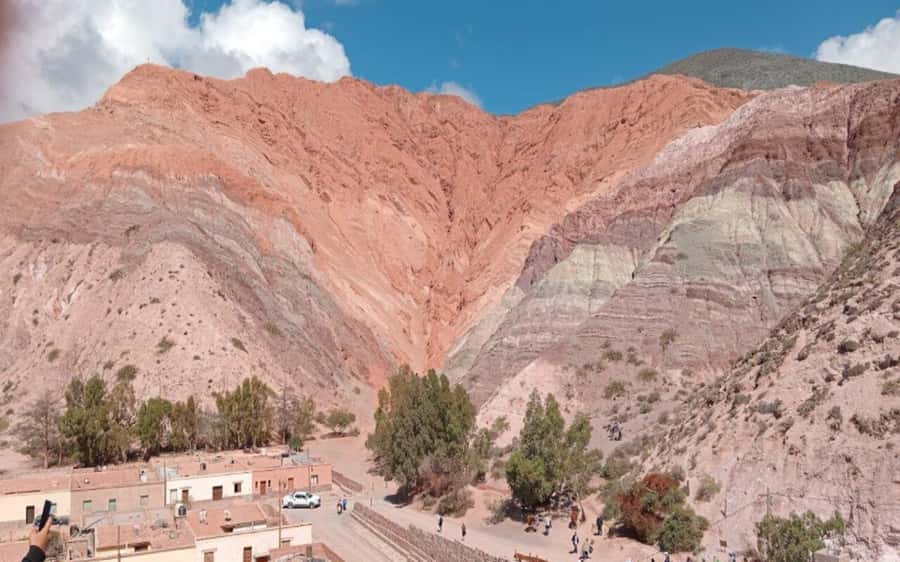
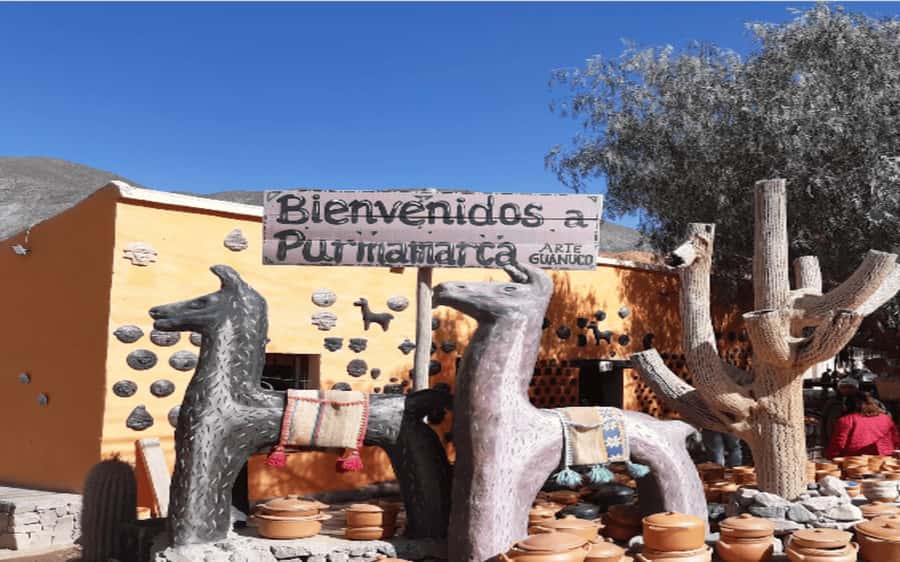
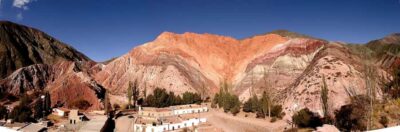
Then you hit Purmamarca, one of the best “stop and stretch” towns in the gorge. You’ll have time for photos and sightseeing, plus a guided visit and a short walk. The big reason to come here is the Cerro de los 7 Colores, which often looks different depending on the angle and the light. If you’re into pictures, Purmamarca is where you start training your eye: don’t shoot one view, shoot the same ridge from slightly different spots.
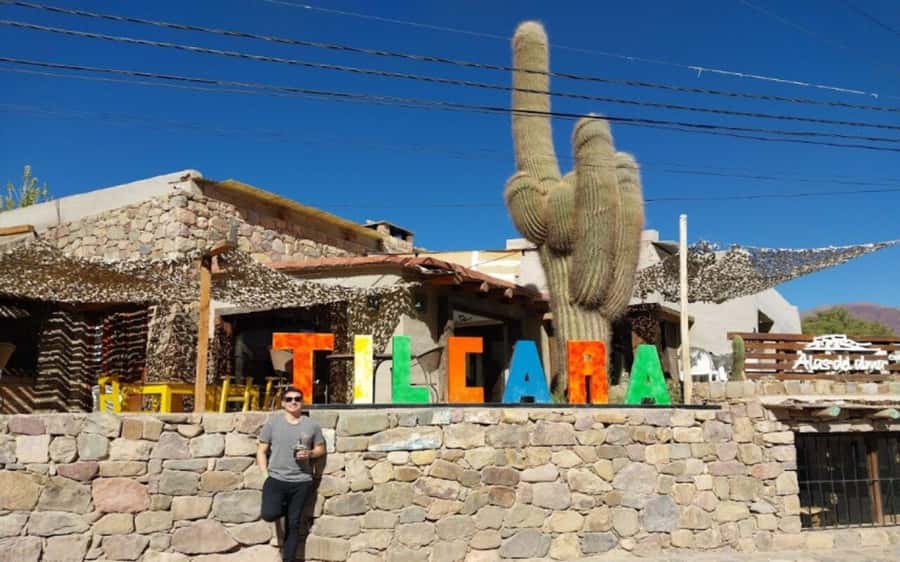
After Purmamarca, you continue toward Tilcara, with another guided stop and a photo window. Tilcara is where the vibe shifts a bit from “icon stop” into “actual town rhythm.” You can still enjoy the views, but you also get a sense of local life.
Tilcara to the Tropic of Capricorn: the quick stops that make it feel like a journey
Tilcara is followed by the Tropic of Capricorn stop and a look at the sundial. This is one of the shorter portions of the day, but it’s a neat way to connect place to geography. Even if your feet are tired, a quick guided moment here gives the trip more structure than just driving between viewpoints.
Next, you’ll move into the area around Huacalera. The route description includes stepping on the imaginary line of the Tropic of Capricorn and passing through this region. These pauses matter because they change the feel of the drive, so by the time you reach the bigger cultural stop at Uquía, you’re not just waiting for the next big photo moment.
If your priority is photography, these “in-between” stops are still useful. The angles change fast in the Andes, and the best color often shows up when you’re just a few turns away from where you were standing five minutes earlier.
Uquía’s church and the Arcabuceros Angels: art history in the high Andes
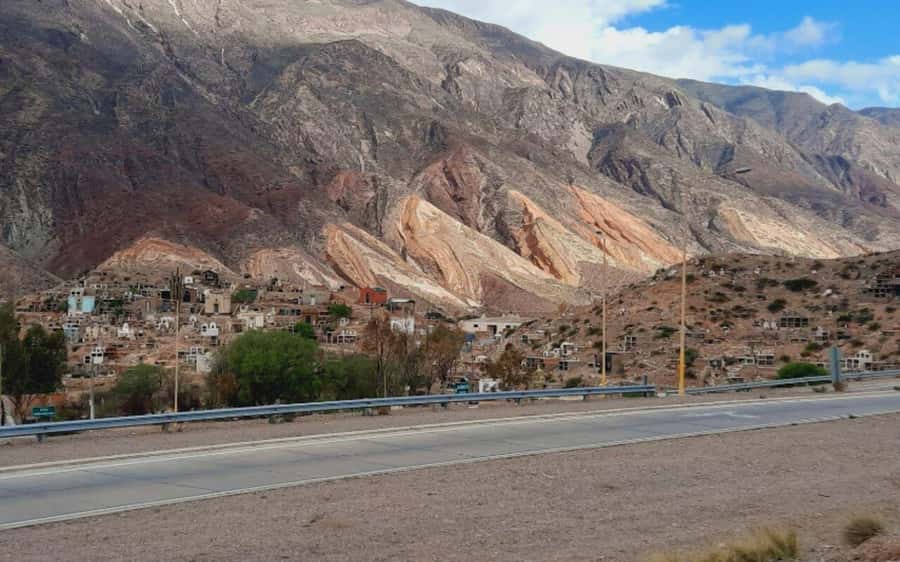
Uquía is one of the stops that turns the day from scenery into something more human. You’ll have time for a photo stop, guided visit, sightseeing, and browsing, including an arts and crafts market visit.
The main draw is the church of San Francisco de Paula, dating from the 17th century. Inside, there are Arcabuceros Angels, described as ancient paintings that come from Cuzco, Peru, and were painted around the time of colonization.
That detail matters because it reminds you that this region’s story is not isolated. The Andes here connect to broader Andean and colonial art networks. Even if you’re not an art person, seeing those angels in a small town setting gives the trip a different kind of wow.
One practical note: this part of the day can involve more walking and standing. Wear comfortable shoes that you can keep on all day, not just footwear that looks good in a quick photo.
A few more Jujuy days worth comparing
- From Jujuy: Quebrada de Humahuaca, Purmamarca and Tilcara
★ 3.8 · 35 reviews - From Jujuy: Salinas Grandes with Purmamarca
★ 4.2 · 34 reviews - Mountain biking in the surroundings of Tilcara
★ 5.0 · 28 reviews - Bike Adventure in Salinas Grandes with Picnic
★ 5.0 · 24 reviews
Maimará and the Paleta del Pintor: the color keeps coming
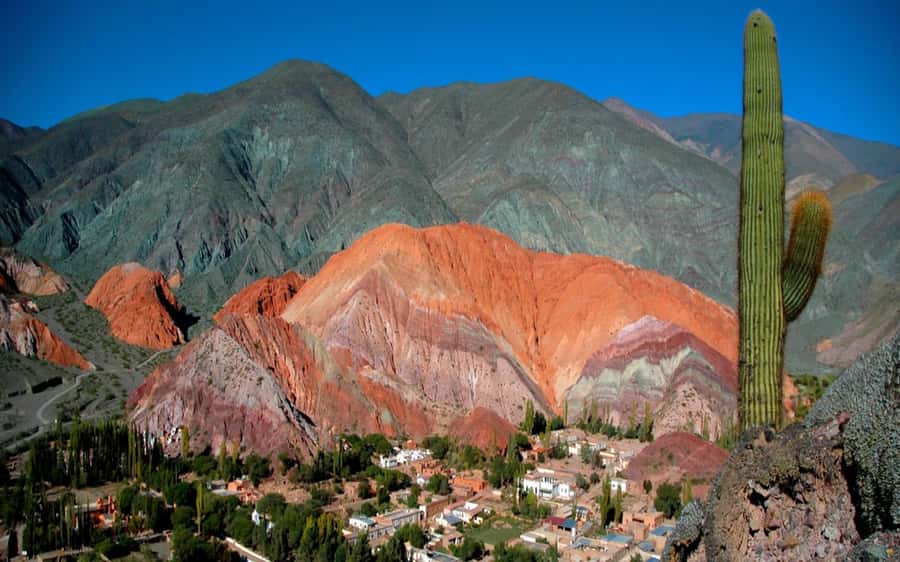
After more gorge driving, you’ll stop at Maimará for La Paleta del Pintor. Expect a short photo stop, guided explanation, and a brief walk. This is another of those “small time, big reward” moments.
Think of it like this: Hornocal gets most of the hype, but the trip spreads the visual payoff across multiple stops. La Paleta del Pintor is part of that strategy. It keeps the day from becoming a single waiting game.
You also get a break in Tumbaya on the way back. It’s listed as a short break with free time, useful if your body needs a reset before the final drive.
Hornocal: the 4WD ride and the Hill of the 14 colors payoff
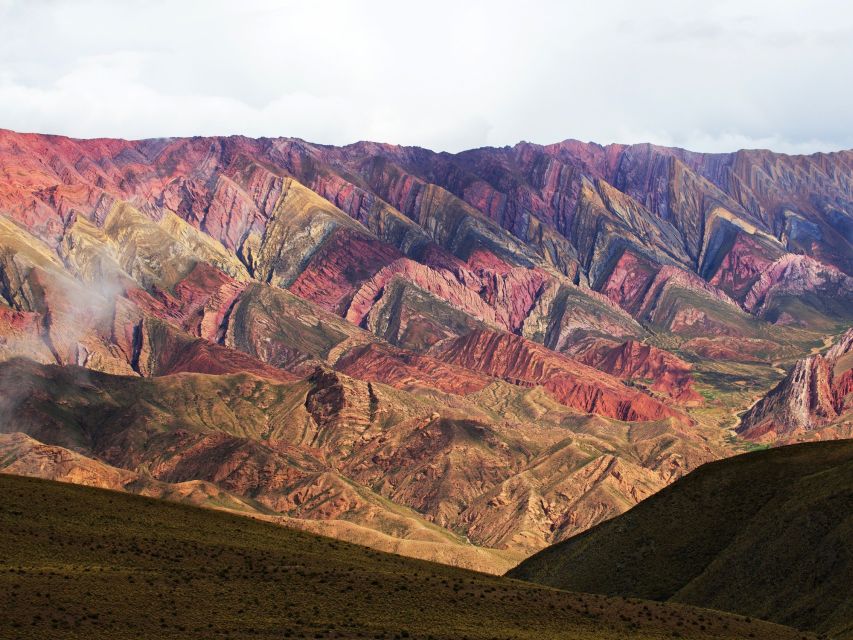
When you arrive in Uquía, you board a 4WD vehicle for the road to Serranía de Hornocal. That change of vehicle is more than a novelty. It signals that the viewpoint positions are not just a parking lot off the main road, and it helps you reach angles that make the color effect stronger.
At Hornocal, you get about 30 minutes total for photo stops, guided time, and walking. In practice, this is the moment you’re buying with your limited time on the calendar. The Hill of the 14 colors lives up to its reputation because the mineral oxidation creates layers that look almost painted, especially when the light hits the ridges at a slight angle.
I’ll be honest about the timing: Hornocal time is limited, so make your priorities fast. If you want wide shots and close shots, plan to do both quickly. If you’re traveling with someone who wants to chat endlessly at viewpoints, agree up front on when you’ll rotate positions.
Also, this is the best time to be alert to altitude. Shortness of breath can ruin photos. Slow down, take a breath between moves, and keep your energy for the best angles.
Humahuaca’s free hours for lunch and street culture
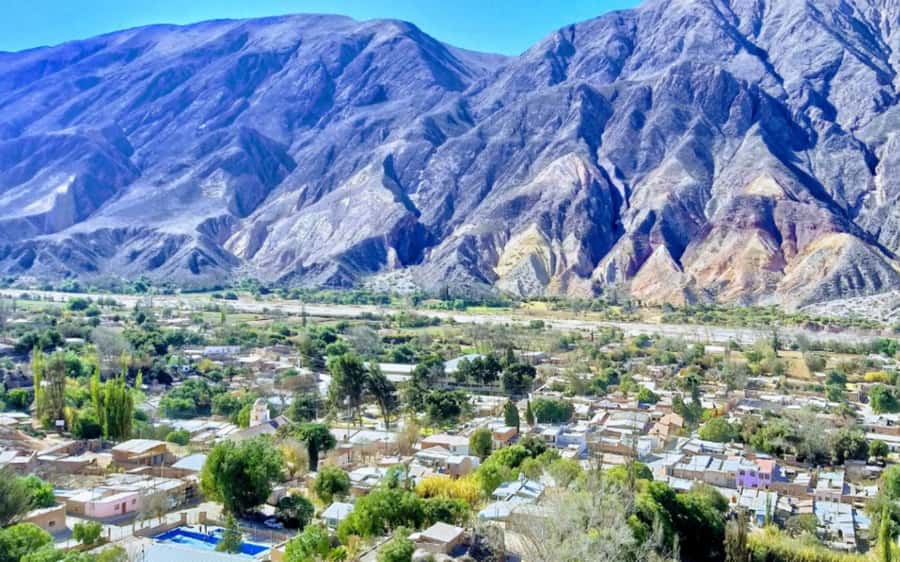
You get Humahuaca time that’s meant for you, not just for passing through. The schedule includes about two free hours in Humahuaca, with time to have lunch and explore on your own. Humahuaca is the largest town in the gorge and is part of the UNESCO-declared area.
Lunch is not included, but the idea is clear: you should use that open time to eat regional dishes, including llama meat. There’s also a note that it’s recommended to bring lunch or snacks because there isn’t time set aside for a full restaurant stop during the Humahuaca portion. In other words, plan for food flexibility. Carry snacks, or be ready to grab something quickly once you’re there.
Humahuaca also has a strong Carnival connection. If your trip lines up with Carnival season, the town energy can be different, and you should expect the day’s rhythm to feel busier and more event-shaped.
On the return route, there’s an additional short stop in Humahuaca for about 20 minutes. That second hit is useful if you want one more look around, but it’s not enough to replace the main free time.
Price and logistics: is $63 good value for this long day?
At $63 per person for roughly 10 hours, the price is mostly about access and structure. You’re paying for transportation across a long gorge route, guided interpretation, and the added effort of reaching Hornocal with 4WD.
What makes the value work for the right person is the density of highlights: multiple gorge towns, UNESCO context, Purmamarca’s 7-color hill, Tilcara, the Tropic of Capricorn stop, Uquía’s church art, and Hornocal’s 14 colors, all in one outing. You also get a bilingual guide in Spanish and English, which matters here because the geology and the cultural stops are easier to appreciate with explanations.
Where the value can disappoint is if you expect deep, slow time in each town. The structure is built on short stops, photo windows, and guided segments. If you want to linger for hours in one place, you might feel like you’re spending more time riding than absorbing.
So here’s the practical take: this is good value if your goal is a “great hits” day, not if your goal is to slow travel. And it’s even better if you come prepared to eat on your own, since foods and drinks are not included.
What to bring and how to make the day easier
You’ll want to bring:
- Passport or ID card
- Comfortable shoes (plus sports shoes if you have them)
- A mindset for a long day, not a quick walk-and-go
The tour doesn’t suspend due to weather, so dress for changing conditions. And since the route reaches 3,012 meters, plan for cooler air and pace yourself.
Rules are also straightforward: no alcohol and drugs, and no pets. That keeps the day smoother for everyone.
One more practical idea: keep your expectations tied to timing. This kind of route runs on the group moving together. If your group returns late to the meeting point at stops, it can shorten the already-tight viewpoint windows.
Who this tour fits best (and who should choose something else)
This trip is a strong fit if you:
- Want to see Hornocal and Humahuaca Gorge in one shot
- Like guided context for both geography and cultural stops
- Can handle a long day on roads and enjoy short, photo-focused breaks
- Want to explore towns on your own during Humahuaca’s free hours
It may not fit you as well if you:
- Want lots of time to relax in one place
- Prefer not to deal with altitude or long transport stretches
- Expect a relaxed pace like a half-day city walk
One final detail that can change the experience is guide style. The tour uses Spanish and English, and a guide named Fabio has been mentioned as excellent. If you get him or someone with the same energy, Hornocal and the gorge history often click faster.
Should you book this Hornocal and Quebrada day tour?
Book it if your top priority is the Andes color show, plus UNESCO towns, plus a guided route that handles the driving. The combination of Hornocal’s Hill of the 14 colors and Humahuaca Gorge makes the day feel “worth the seat,” especially at this price point.
Think twice if you’re very time sensitive. This is a long day with multiple short stops, and scheduling can shift around local events like Carnival. If that kind of uncertainty stresses you out, consider a smaller, more flexible option.
If you do book, go in with a simple plan: eat before you board, bring snacks for flexibility, wear solid shoes, and treat Hornocal as your main photo goal. You’ll leave with strong memories and photos that actually show why this part of Argentina looks the way it does.
FAQ
Where is the meeting point and when do I meet?
The meeting point is at VEA Supermarket in Ciudad de Nieva, with an appointment time at 9:30 a.m.
How long is the tour?
The full experience runs about 10 hours, with the main tour time listed at approximately 8 hours.
What are the main sights included on this trip?
You’ll visit the Quebrada de Humahuaca area, Purmamarca and the Hill of the 7 Colors, Tilcara, Huacalera and the Tropic of Capricorn, Uquía, Maimará and La Paleta del Pintor, and the Serranía de Hornocal with the Hill of the 14 colors.
Is food included?
No. Foods and drinks are not included, but there is free time in Humahuaca for lunch.
What languages is the guide?
The guide is bilingual in Spanish and English.
How high does the tour go?
The maximum altitude reached during the tour is about 3,012 meters above sea level.
Does rain cancel the excursion?
No. The excursion is not suspended due to rain or bad weather.
What is not allowed during the tour?
Alcohol and drugs are not allowed, and pets are not allowed.
Recently reviewed around Jujuy
- From Jujuy: Full-Day Tour to Salinas Grandes and Purmamarca★ 4.5 · 11 reviews
- Bike Adventure in Salinas Grandes with Picnic★ 5.0 · 24 reviews
- Mountain biking in the surroundings of Tilcara★ 5.0 · 28 reviews
- Trekking Purmamarca★ 5.0 · 52 reviews
- Purmamarca Walk with Llamas★ 5.0 · 167 reviews
- Tilcara: 2 hours cycling tour trough the rural area★ 5.0 · 5 reviews
- Salinas grandes by bike with lunch★ 5.0 · 9 reviews
- Purmamarca: Hiking with Llamas through multicolored mountains★ 4.4 · 9 reviews
Quebrada de Humahuaca, compared.
Full-Day Trip to Salinas Grandes and Purmamarca
Read our review →
Salinas Grandes, Purmamarca & Los Colorados Hike
Read our review →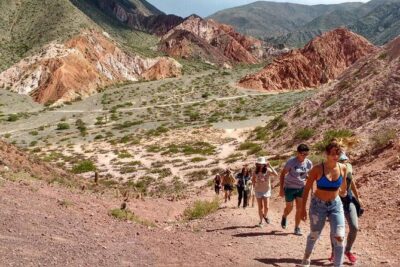
Full-Day Tour Salinas Grandes and Purmamarca from Salta
Read our review →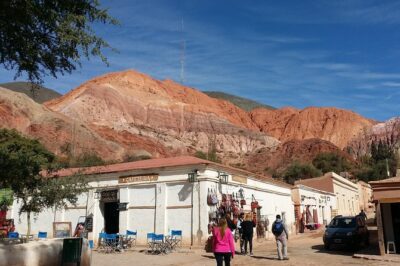
Salinas Grandes and Purmamarca: Full Day Excursion from Salta Capital
Read our review →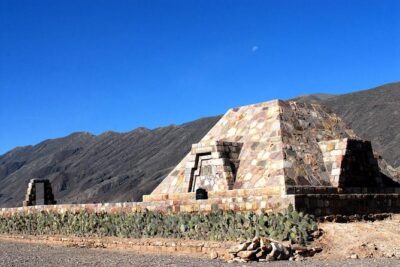
Full-Day Tour to Humahuaca, Purmamarca and Tilcara
Read our review →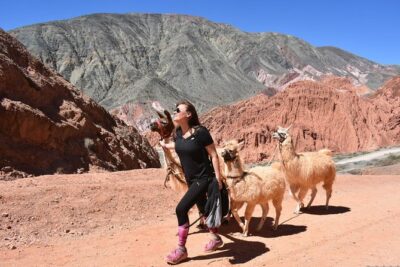
Browse the lists this tour appears in