
Reviewed · CACHI & THE CALCHAQUI VALLEYS
From Salta: Cafayate, Cachi, & Hornocal 3-Day Tour
This is the kind of Salta Province trip that feels like you are driving through several different countries of scenery in just a few days. You start in tobacco country, then shift to wine country, colonial towns, cactus parks, and finally the UNESCO Quebrada de Humahuaca and the famous Hill of Fourteen Colors.
I really like how this plan bundles big viewpoints with real town time, not just photo stops. I also like the winery + free tasting in Cafayate, because it gives you a simple way to connect the views to local life and Argentina’s famous torrontes.
One thing to consider is that the ride includes rough stretches, about 2 hours of low-quality dirt roads and then about 2 more hours of highway on the way back, so it is not the best match if you have back problems.
Key Points to Know Before You Go
- Torrontes winery stop in Cafayate, with free tasting and time to learn how the region makes it
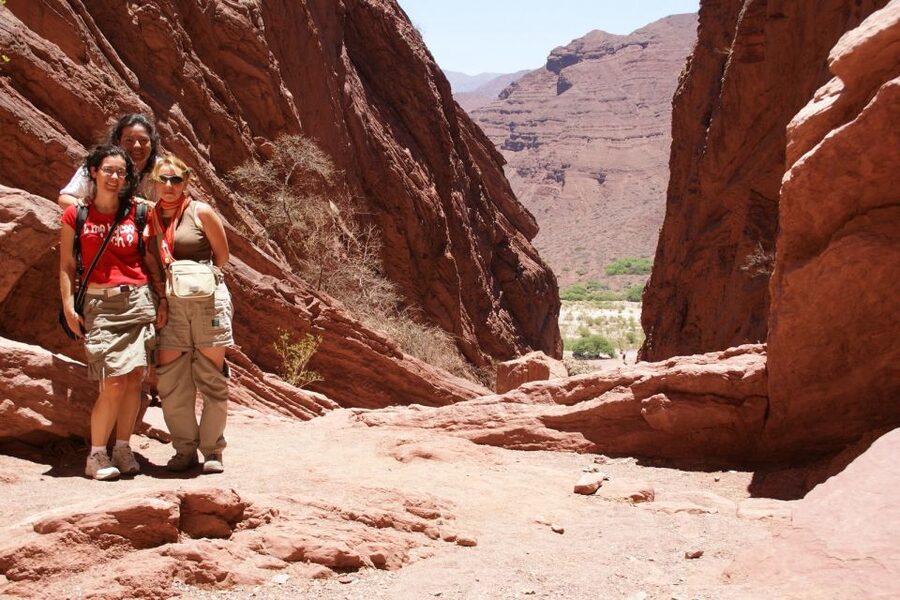
- La Quebrada de las Conchas driving, plus classic roadside sights like Devil’s Throat and House of the Parrots
- Cuesta del Obispo at 3,348 meters, where you can look for condors in the sky
- Parque Nacional los Cardones, timed with cactus views (cardon grande formations)
- Hornocal with 45 minutes of free time, so you can linger at viewpoints at your own pace
- Two languages with a key caveat, Spanish and English for the tour, but Hornocal is only available in Spanish
Why This Salta Circuit Feels Like Several Trips in One
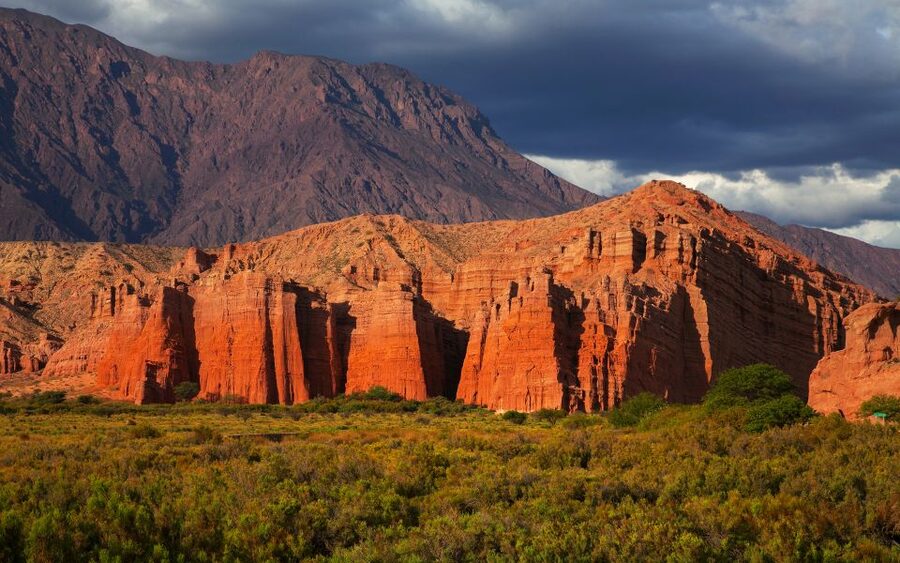
The Route 68 road trip from Salta to Cafayate and beyond works because it keeps changing your visual “theme” every few hours. First it is the Lerma Valley farms, then tobacco chimneys, then red-rock canyons, and eventually high Andean towns with huge sky views. By Day 3 you are already in the spirit of Jujuy, with the Quebrada de Humahuaca UNESCO valley and color hills that look unreal.
What I like most is that you get variety without feeling rushed in every single town. You have a winery stop with tasting, you have colonial architecture time in Cachi, and you get a more relaxed 45 minutes for Hornocal at the end. That mix is what makes the trip more than a checklist of viewpoints.
More Cachi and Calchaqui valley drives:
- Full-Day Tour Cafayate Calchaqui Valleys with Wine
★ 4.5 · 347 reviews - From Salta: Cachi and Los Cardones National Park Tour
★ 4.5 · 285 reviews - From Salta: Full-Day Scenic Tour to Cachi
★ 4.7 · 213 reviews
Day 1: Salta to Cafayate via the Lerma Valley, Tobacco, and Red Rock Stops
Your day starts with an early drive out of Salta along Provincial Route 68. The Lerma Valley comes first, and it is a slower kind of scenery, with farms and tobacco plantations. You will also spot tobacco leaves being dried under the sun, which is not the kind of thing you usually see on a “scenic only” outing.
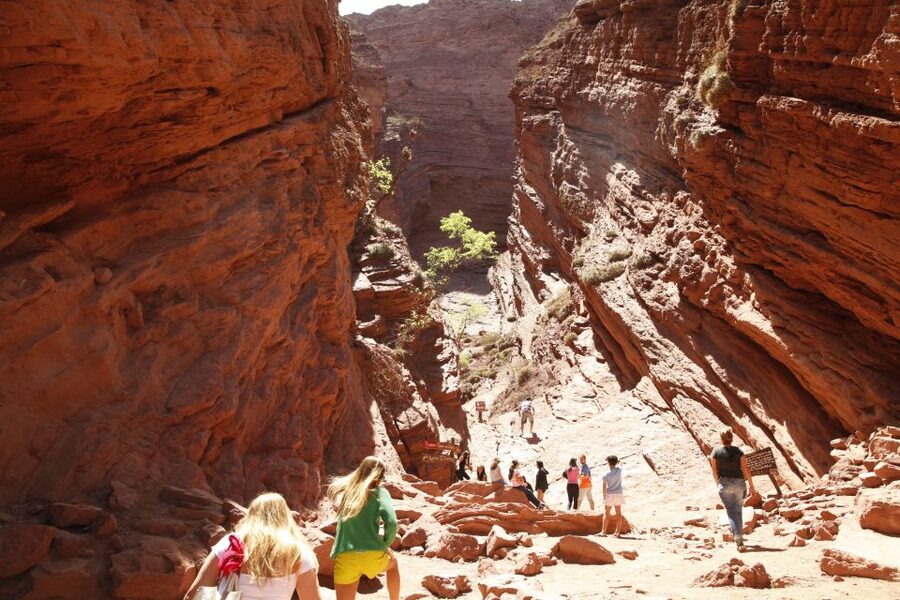
Then the drive turns into a photo-and-think day. You pass the town of Alemania and you will see red mountains and rock formations tied to roadside attractions like Devil’s Throat and House of the Parrots. These are the kind of landmarks that make you understand why locals talk about this area as more than pretty scenery, it is also a place with stories built into the shapes of the rocks.
Arrival in Cafayate is the payoff. Instead of ending the day the moment you arrive, you build in a structured visit to a winery so you can understand what you are looking at. After that, you get lunch and then head back toward Salta by a different route, which is a smart way to reduce “same road, same views” fatigue.
Cafayate and the Winery Stop: Why the Torrontes Tasting Is More Than a Bonus
Cafayate is the easiest town on the trip to connect to wine culture, because everything about the area points to vines and arid conditions. The plan includes a visit to one winery where you learn about the local wine industry and you get a free tasting. Torrontes is the key local name, and it makes a lot of sense to focus on it here, since it is one of Argentina’s best-known white wine styles.
Here is how to get the most value out of the tasting. Go in ready to ask simple questions, like how the grapes are grown in a dry climate, and what makes torrontes taste the way it does. Even if you do not become a wine person, you will leave with a clearer sense of why Cafayate exists, economically and culturally, beyond being a pretty stop.
Also, because the winery visit is part of a full day tour, it usually feels less like a standalone “wine day” and more like an afternoon that gives meaning to the rock country around you. That is good value for a 3-day timeline.
Day 2: Cuesta del Obispo, Condors, and the Jump From Subtropical to High Desert
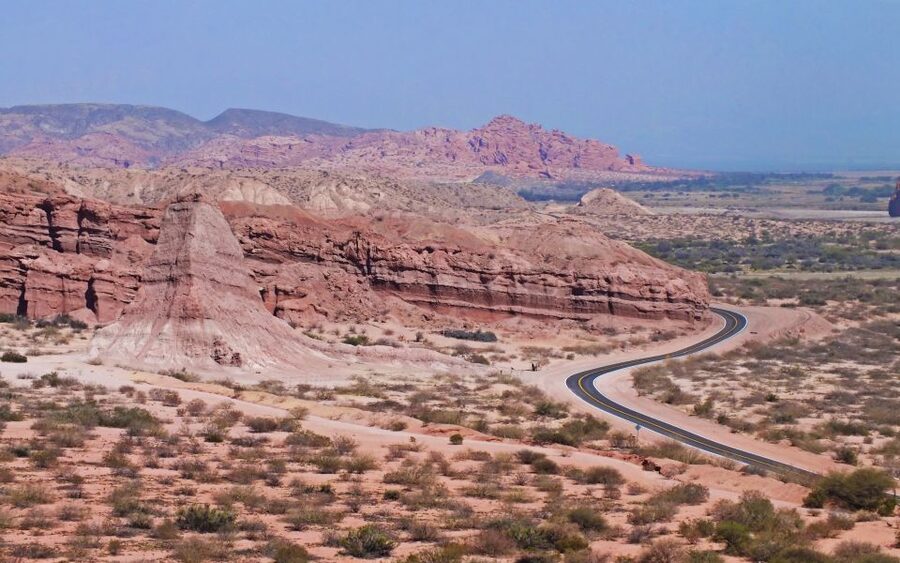
Day 2 is the day for driving drama. You start again from Salta and you move along Provincial Route 68, passing through small towns like Cerrillos, La Merced, and El Carril. This is your transition buffer, it is how the itinerary eases you out of the city rhythm.
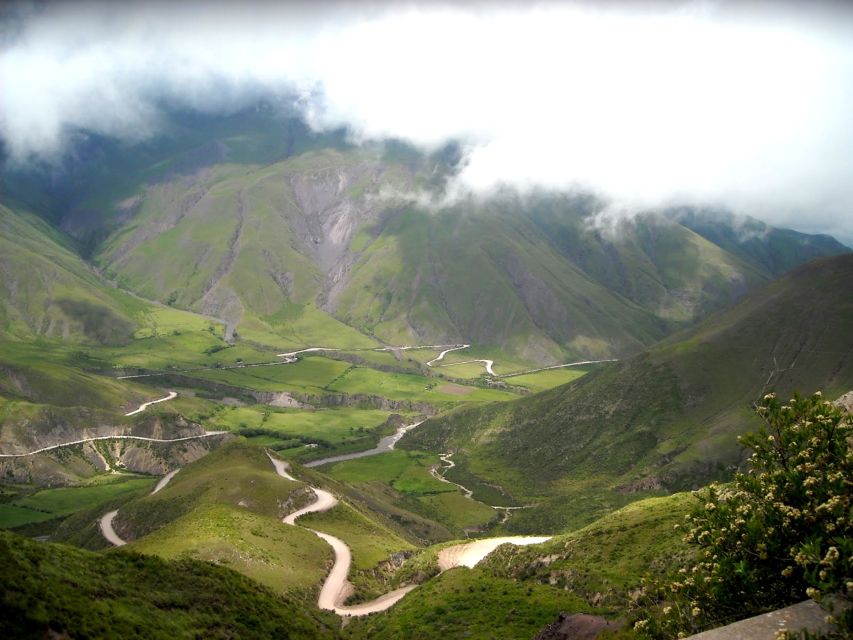
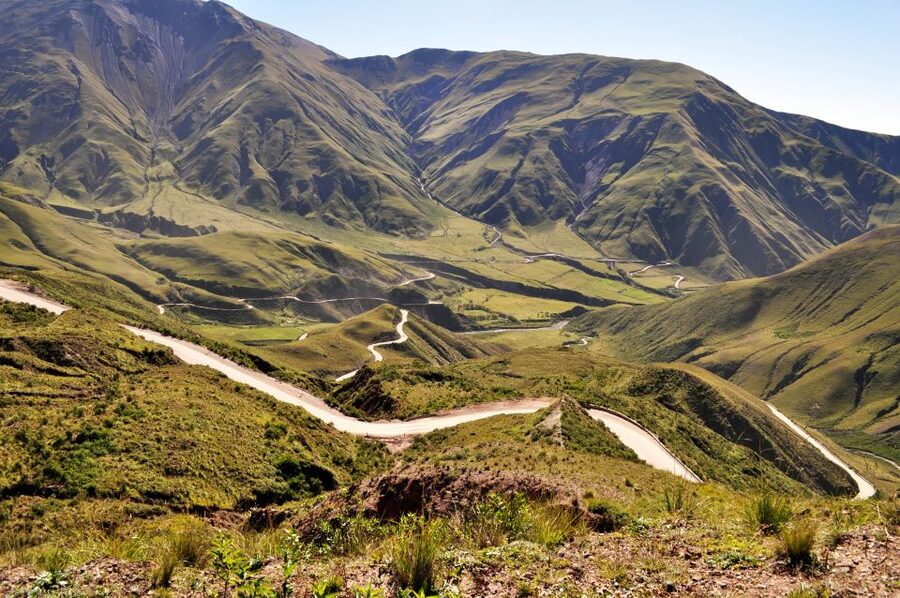
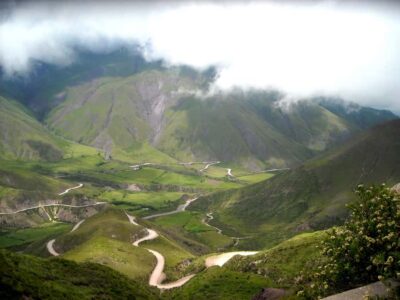
Then the trip shifts to a series of scenic corridors and viewpoints. You drive along Provincial Route 33 and pass the Gorge of Escoipe and Los Laureles, then you start the famous winding climb called Cuesta del Obispo (Bishop’s Slope). This is the moment where you feel the elevation in your body and your eyes both.
The route climbs to a summit at 3,348 meters. It is also the part of the day where you are encouraged to look up for condors. Even if you do not see one, the point is worth it: the air and the altitude make the sky feel bigger, and you realize why “King of the Sky” is a serious description here, not a marketing line.
More Cafayate wine valley trips:
- From Salta: Full-Day Tour to Cafayate with Wine Tasting
★ 4.5 · 478 reviews - From Salta: Cafayate, land of wines and imposing ravines
★ 4.4 · 347 reviews - From Salta: Cafayate Day Trip with Wine Tasting
★ 4.4 · 226 reviews - Tour to Cafayate from Salta
★ 5.0 · 193 reviews
El Valle Encantado, Inca-Era Recta del Tin Tin, and Parque Nacional los Cardones
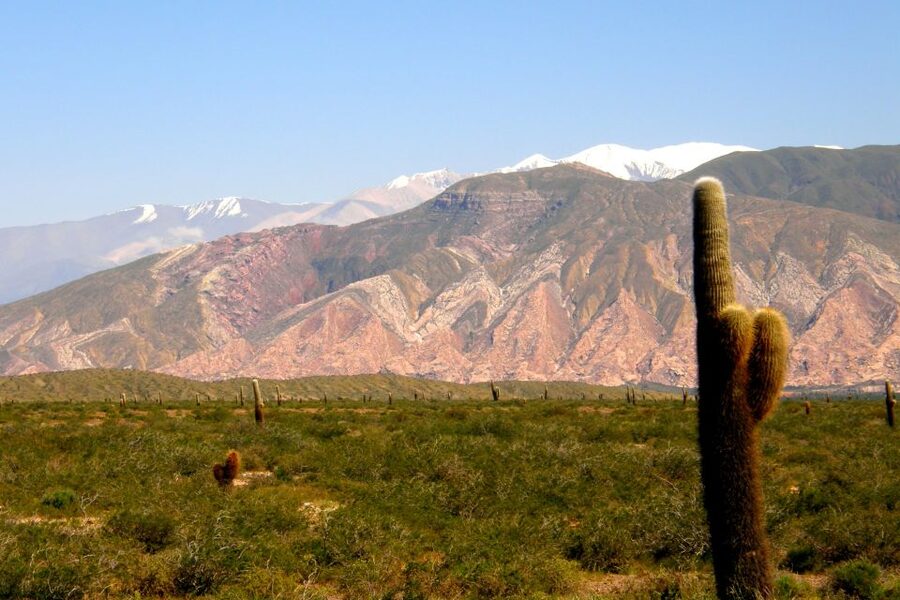
After the Cuesta del Obispo views, you get El Valle Encantado (The Enchanted Valley). The main value of this stop is the change in texture and color in the terrain as you leave the sub-tropical valleys behind and go higher into a drier zone.
Next comes Recta del Tin Tin, described as being built during the time of the Incas. Even without a museum-style explanation, you can feel what this adds to the day. It is a reminder that people have been moving through these heights for centuries, not just modern travelers with cameras.
Then you reach Parque Nacional los Cardones, the National Park of the Cactus, named for its abundance of cardon grande cactus formations. For me, the best way to enjoy a cactus park is to stop thinking of cacti as just plants and start seeing them as architecture. Look at their shapes against the rock, and notice how they create a visual rhythm in a landscape that otherwise might look empty from far away.
Cachi: Colonial Streets, Iglesia San José de Cachi, and Free Time That Actually Helps
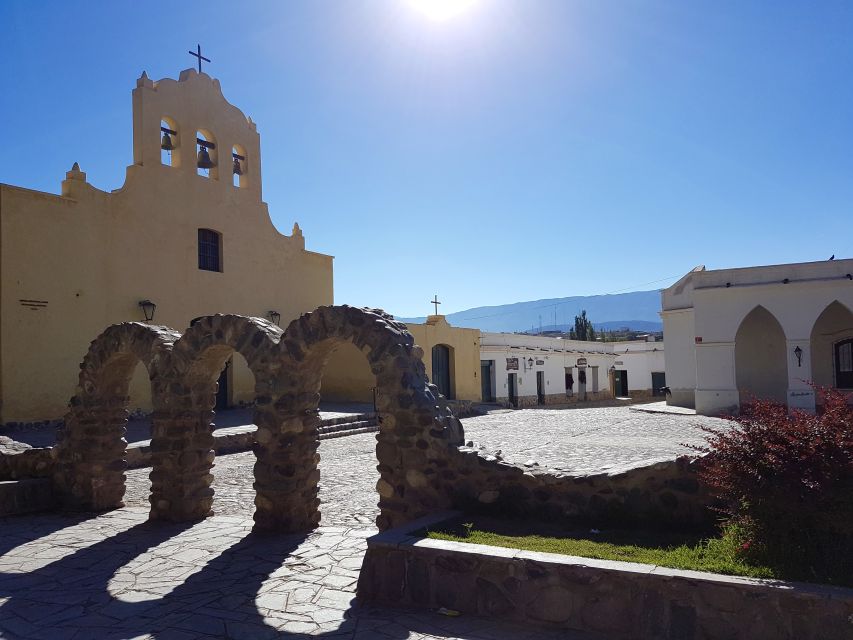
You arrive in Cachi in time for lunch, and then you get to slow down. The plan focuses on perfectly preserved colonial-style architecture, which is exactly what makes Cachi different from pure canyon towns.
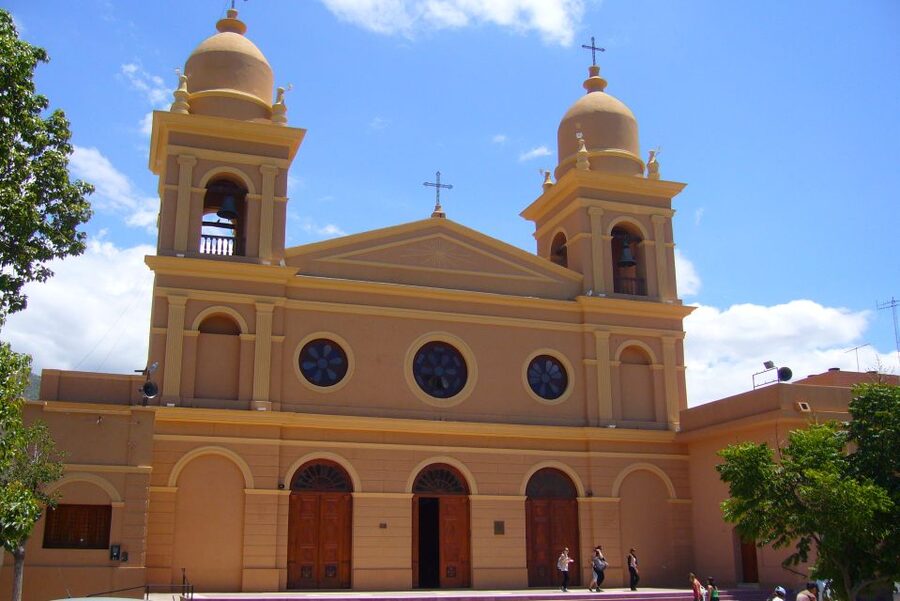
You will visit the town church in Central Plaza, Iglesia San José De Cachi. This is one of those stops where the value is in the setting. The plaza and church area give you a calm center, and it helps balance the driving day you just had.
You also visit a historical museum that showcases the history of Aboriginal communities. Because it is a museum stop in the middle of an active road day, try to keep it simple. Focus on themes that connect to today’s Andean life, not on trying to memorize every detail.
Finally, you get some free time for the craft market and personal wandering. This is the kind of free time that makes practical sense. You are not expected to entertain yourself from scratch, you are in the right place to browse small souvenirs and get a feel for local work.
Then you ride back toward Salta, wrapping up Day 2 with a full load of scenery but also enough town time to feel human.
Day 3: Route 9 to Quebrada de Humahuaca, Purmamarca, and Humahuaca
Day 3 brings a different pace, with travel on the National Route 9 on the way into Jujuy province. You visit Quebrada de Humahuaca, a narrow mountain valley that is recognized as a UNESCO World Heritage Site since 2003. You will feel the valley in how the road follows the mountains, shaping how the light hits the slopes.
Your first stop is Purmamarca, where you can admire the Hill of Seven Colors and its red and orange hues. Then you explore the main square and local craft stands. This is a nice setup because you get color views first, then you get a place to walk around and take a breather with shopping options nearby.
Continuing along Route 9, you reach Humahuaca at 2,939 meters above sea level. The itinerary includes visits around the town center, including the Church of La Candelaria and the Independence Monument. After that, you get free time for lunch, which is practical since you will likely want something quick and local before moving again toward the final viewpoint day.
The day ends with Hornocal, but first you have a breather in Humahuaca, and that matters. By this point, you will be glad you are not doing only driving and stairs.
Hornocal and the Hill of Fourteen Colors: How to Make the 45 Minutes Count
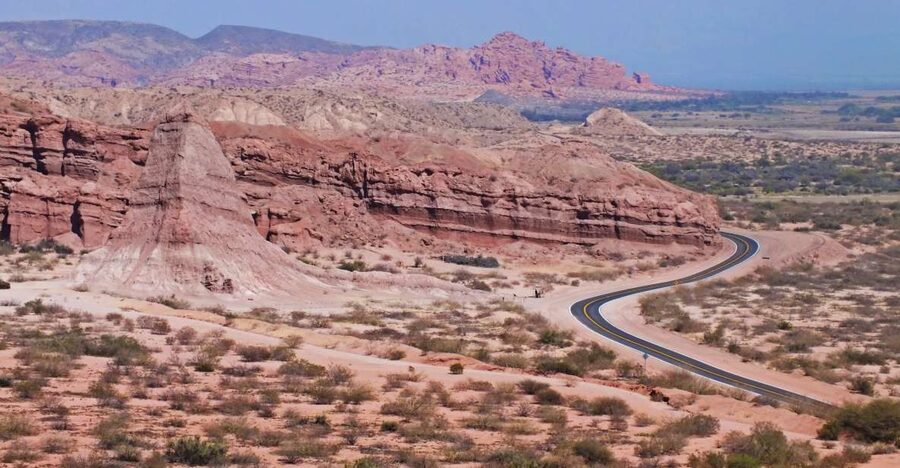
Hornocal, in the town area of Hornocal, is the final signature stop. The plan gives you 45 minutes of free time to explore Hornocal and the Hill of Fourteen Colors. That is enough time to walk to viewpoints and take photos, but it also forces you to choose your pace.
A smart trick is to decide your photo priorities fast. Pick one or two angles to return to rather than sprinting everywhere. Also, wear comfortable shoes, because you will likely move over uneven ground while you search for the best view.
Keep in mind a key logistics note: Hornocal is only available in Spanish. Also, passengers must be at Tiamar Travel Agency Office, Caseros 420 at 6:30 am for this part of the excursion. The reason is straightforward: it is the longest outing, and the driver does not want to lose time stopping for hotel pickups.
If you are sensitive to early mornings, plan your sleep accordingly. If you are flexible and willing to trade comfort for views, this is the payoff day.
Comfort, Roads, and the 3-Day Pace: Logistics That Affect Your Experience
This is a well-defined 3-day tour with hotel pickup and a modern ride. You get pick-up and drop-off at downtown hotels all days, with pickup between 07:00 AM and 07:40 AM. The transportation is by an air-conditioned Mercedes-Benz minivan, which is a real comfort upgrade on a route that includes long drives.
One practical note that changes the feel of the trip: the tour involves around 2 hours of traveling through low-quality dirt roads, plus about 2 hours of highway on the way back. Even with a high-quality vehicle, dirt road time can mean bumps and dust in the air. This tour is listed as not suitable for people with back problems, so take that warning seriously.
If you do not have back issues, you can still make the ride easier on yourself. Sit in a comfortable position, keep a layer handy (elevation can cool things down), and bring something like sunglasses for dust and bright sun.
Another detail: the order of excursions may change depending on agency availability. That means you should not build your own schedule tightly around exact timing for each town. Think of the days as the framework, not a clockwork checklist.
Included vs Not Included: Where the $136 Really Goes
The price listed is $136 per person for the 3-day tour. What makes this feel like good value is that the core costs are covered for you: driver/guide, pickup and drop-off at downtown hotels, and transportation in the air-conditioned minivan. You are also getting a certified bilingual guide in Spanish and English, which matters because you are traveling through places that need context, not just staring at rocks.
What is not included is also clear: entrance fees, food and drinks, and personal expenses. That is normal for day trips and multi-day excursions, but you should budget a bit for museum entries, church areas if any fees apply, and meals you will likely buy during the lunch and free time windows.
The other “hidden” value is time. A 3-day circuit that strings together Salta Province, Cafayate, Cachi, Purmamarca, Humahuaca, and Hornocal would be expensive and stressful to stitch together by yourself, especially with long drives and early starts. This tour sells comfort in the form of planning, not luxury in the form of fancy hotels.
What to Bring and Who This Trip Suits Best
Bring:
- Passport or ID card
- Comfortable shoes
- Comfortable clothes
Then think about fit. This works best for you if you:
- Like road trips with frequent scenery shifts
- Want a mix of viewpoints and small-town walking time
- Enjoy short, guided cultural stops like churches and museums
- Are happy with early starts and a set meeting point for Hornocal
It might be less ideal if you:
- Have back problems, due to the rougher dirt-road time
- Prefer slow, unstructured travel with lots of extra hours in each town
One more language-related note: the tour is available in Spanish and English, but Hornocal is only available in Spanish. If you are more comfortable in English, you might want to confirm how the Hornocal part will be handled for your specific booking.
Should You Book This Tour?
I think you should book this tour if you want a high-impact sampler of Salta Province and the Hornocal finale, without doing all the route planning yourself. The winery stop in Cafayate, the colonial calm of Cachi, and the big-color spectacle of Hornocal are a strong mix for a 3-day timeframe.
I would skip it if you need a gentle ride. The itinerary includes low-quality dirt roads and it is listed as not suitable for people with back problems. If that is you, ask about alternative tours with less rough driving.
If you are okay with early mornings, comfortable shoes, and a full schedule, this one is a practical way to see why this corner of Argentina feels like it has different worlds stacked on top of each other.
FAQ
What does the tour cost?
The price is listed as $136 per person.
How long is the tour?
It runs for 3 days.
What is included in the price?
Included are the driver/guide, pick-up and drop-off at downtown hotels all days, transportation by air-conditioned Mercedes-Benz minivan, and a certified bilingual guide in Spanish and English.
What is not included?
Entrance fees, food and drinks, personal expenses, and accommodation are not included.
What are the pick-up times in Salta?
Pick-up is between 07:00 AM and 07:40 AM from your downtown hotel lobby or reception.
Do I need to be at a specific place for Hornocal?
Yes. For the Hornocal excursion, passengers must be at Tiamar Travel Agency Office, Caseros 420 at 6:30 am.
Is the tour available in English?
The tour is described as Spanish and English, but Hornocal is only available in Spanish.
How much driving is on dirt roads?
The tour notes around 2 hours of traveling through low-quality dirt roads, plus about 2 hours of highway on the way back.
Is free cancellation available?
Yes, you can cancel up to 24 hours in advance for a full refund.
Recently reviewed around Salta
- Exclusive day-long private tour of Cafayate vineyards★ 5.0 · 10 reviews
- Cachi and Los Cardones National Park from Salta★ 4.5 · 11 reviews
- Cafayate Wine Trail Excursion: Explore Salta’s Vineyards★ 3.5 · 11 reviews
- Salta: Calchaquí Valley Scenic Drive and Day Trip to Cachi★ 3.5 · 11 reviews
- From Salta: Pack of 4 Excursions in Salta and Jujuy★ 4.0 · 13 reviews
- The Calchaqui Valley Winery and Scenery Tour in Cafayate★ 3.5 · 14 reviews
- Cafayate, Vineyards and Calchaquies Valleys Tour from Salta★ 4.0 · 14 reviews
- Train to the Clouds Experience Admission Ticket★ 4.0 · 22 reviews
Cachi & the Calchaqui Valleys, compared.
Full-Day Tour Cafayate Calchaqui Valleys with Wine
Read our review →
Full-day Cachi and Los Cardones National Park from Salta
Read our review →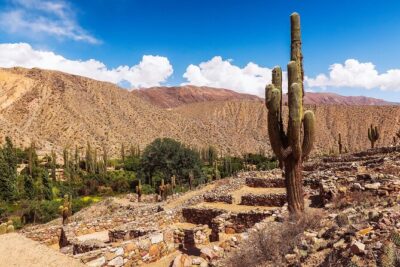
One Day Tour of Cachi and Calchaquí Valleys from Salta
Read our review →
Full-day tour to Cachi and Los Cardones National Park
Read our review →Browse the lists this tour appears in