
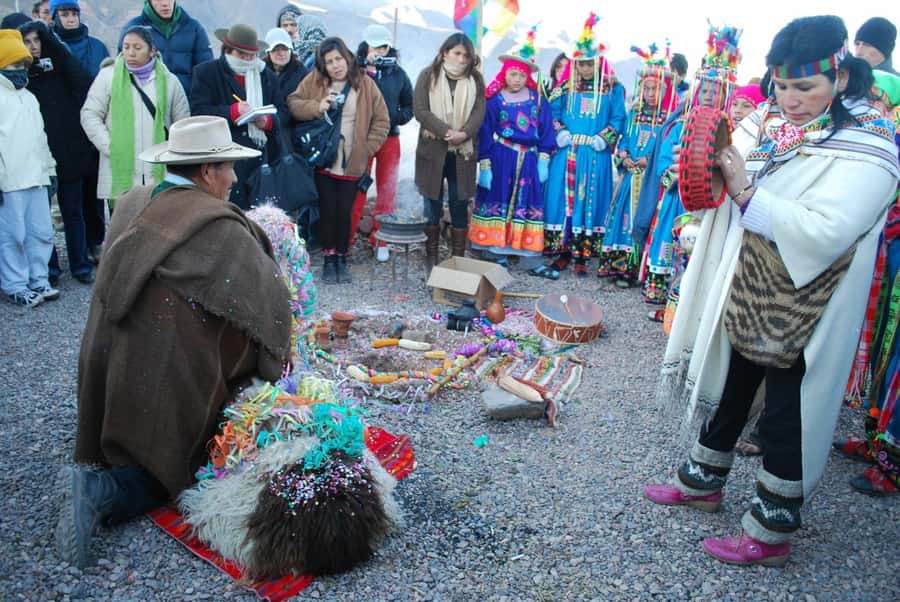
Reviewed · QUEBRADA DE HUMAHUACA
From Salta: Day Trip to Quebrada de Humahuaca
This is interesting because you get a long, straight shot along the Quebrada de Humahuaca, where the colors and the Andean towns come fast. I especially love the stop in Purmamarca at the base of Seven Colors Hill, and the way the day mixes scenery with real village culture in places like Tilcara and Humahuaca. One drawback to plan for: the day can feel bus-heavy, so your best experiences depend on how quickly you can switch from riding mode to exploring mode.
You start early, with pickup near Plaza 9 de Julio de Salta, then you spend the day visiting several key viewpoints and towns with a bilingual guide (English and Spanish). If you hate long car rides or you’re hoping for lots of downtime to wander at your own pace, this is the kind of trip where you’ll need to manage your expectations.
Key highlights at a glance
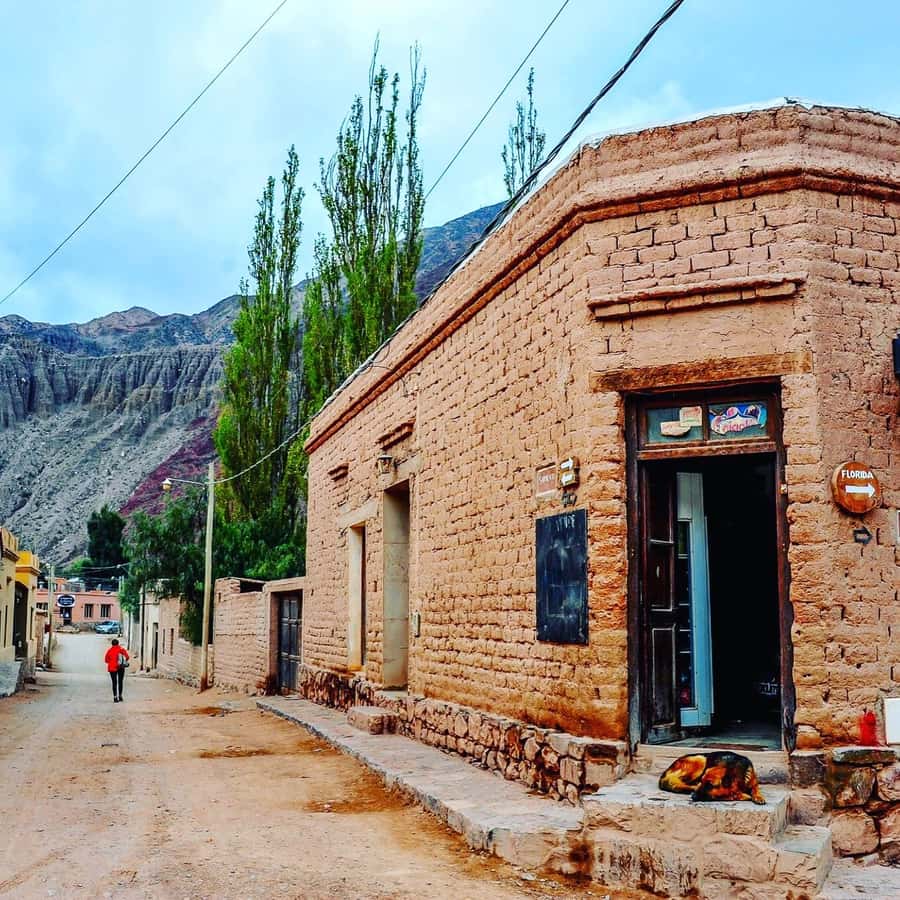
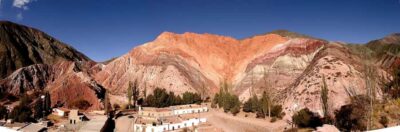
Purmamarca and Seven Colors Hill: A classic start with dramatic multi-hued rock right at town level.
Maimará and the Monolith Painter’s Palette: A stop built around close-up color bands on a rock face.
Tilcara + optional El Pucará admission: You see the town and its archaeological context, but one ticket is extra.
Uquía church stop with gun-toting angels: A memorable, slightly surprising cultural photo stop.
Tropic of Capricorn pause: A quick science-and-geography moment on this high-altitude route.
Humahuaca UNESCO town time: Multi-colored streets and architecture, with a cultural finish.
A full-day Quebrada de Humahuaca route: what makes it worth it
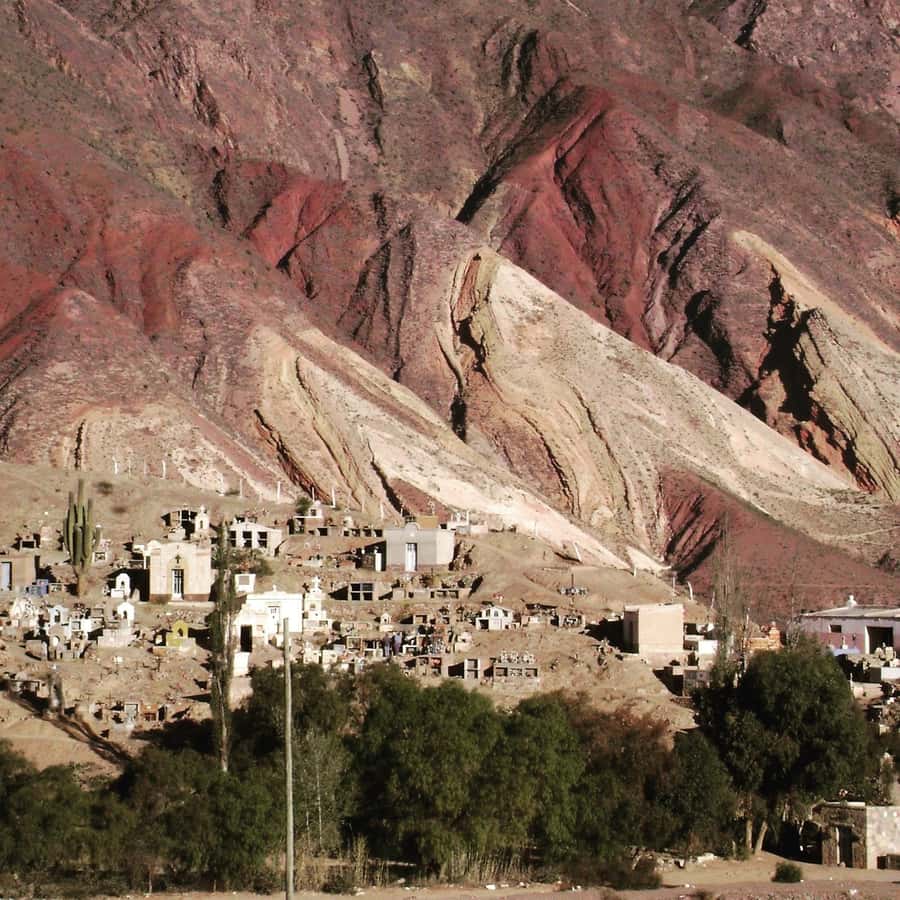
The Quebrada de Humahuaca is one of those places where the scenery hits you even when you’re not trying. Over the course of a single day, you watch the earth change color, the towns change texture, and the altitude-country feel changes your pace. You’re not just stopping at one viewpoint. You’re seeing a string of living communities that match the geology around them.
For me, the value is in the mix. Purmamarca gives you the iconic showpiece. Maimará and the Monolith Painter’s Palette add a different kind of “how did nature do that?” moment. Tilcara and Humahuaca bring the cultural side into focus, so the day feels like more than a drive through rocks.
The tradeoff is time. The total duration is 810 minutes, which is roughly 13 and a half hours. That includes travel time, guide talk time, and short visits. You can still have a great day, but you’ll want to treat it like a guided highlights circuit, not a slow, deep exploration.
More Day Trips in Salta
- From Salta: Full-Day Trip to Salinas Grandes and Purmamarca
★ 4.6 · 914 reviews - From Salta: Cafayate Day Trip with Wine Tasting
★ 4.4 · 226 reviews - One Day Tour of Cachi and Calchaquí Valleys from Salta
★ 4.0 · 102 reviews
Getting moving from Salta: pickup windows and meeting point reality
Your day starts near Plaza 9 de Julio de Salta, at the local partner’s office area. If you choose hotel pickup, the pickup window is between 6:30 and 7:15 AM for centrally located accommodations, up to 8 blocks from the central square. If the bus can’t access your exact hotel, you’ll be contacted to arrange a different pickup spot.
That early start matters for two reasons. First, you get out before the day fully ramps up, which helps you avoid some late-morning crowd energy. Second, the Quebrada route is long enough that schedule slips can eat into your time in each town. So do this: be ready for pickup at least 15 minutes early. It’s a simple move that keeps the whole day calmer.
You’ll also want to have an email and/or phone number you can answer when you book. That’s for pickup coordination, especially if your hotel isn’t easy for the vehicle to reach.
Purmamarca and Seven Colors Hill: the day’s first wow factor
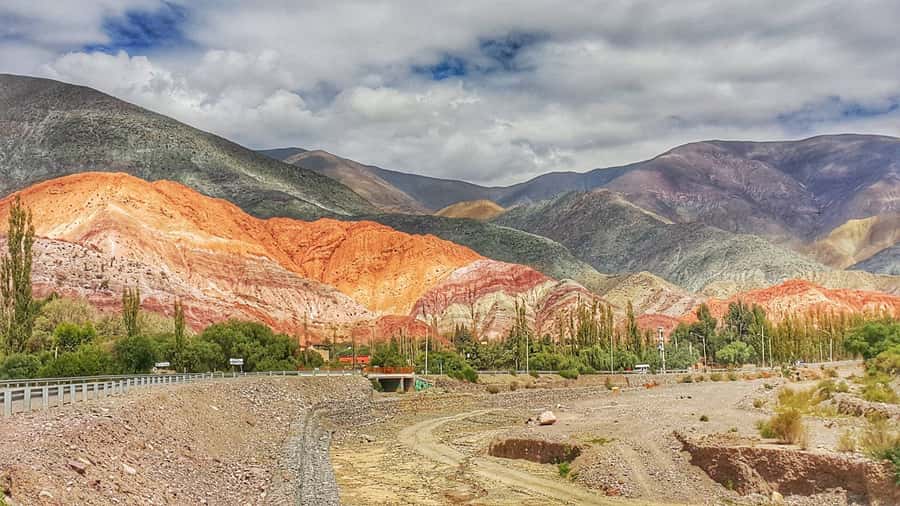
Purmamarca is a key anchor of this itinerary because it sits right at the base of Seven Colors Hill. This is where the Quebrada reputation becomes real. From town, the rock face looks like layers of paint, with bands in reds, yellows, oranges, and pale tones. Even if you’ve seen photos, it hits differently in person because you can judge scale with buildings and street level.
The nice part of the stop here is that it’s not just a distant photo line. You get a chance to understand how the town sits in front of the geology, which makes the rest of the day make more sense. After you see the hill up close, later stops like the Monolith Painter’s Palette feel like variations on the same theme.
Practical tip: bring your camera fully charged, but also do one slow look without taking photos. The colors shift in a subtle way with light, and if you spend every second shooting, you miss that “oh wow” moment that comes from just watching.
Maimará and the Monolith Painter’s Palette stop
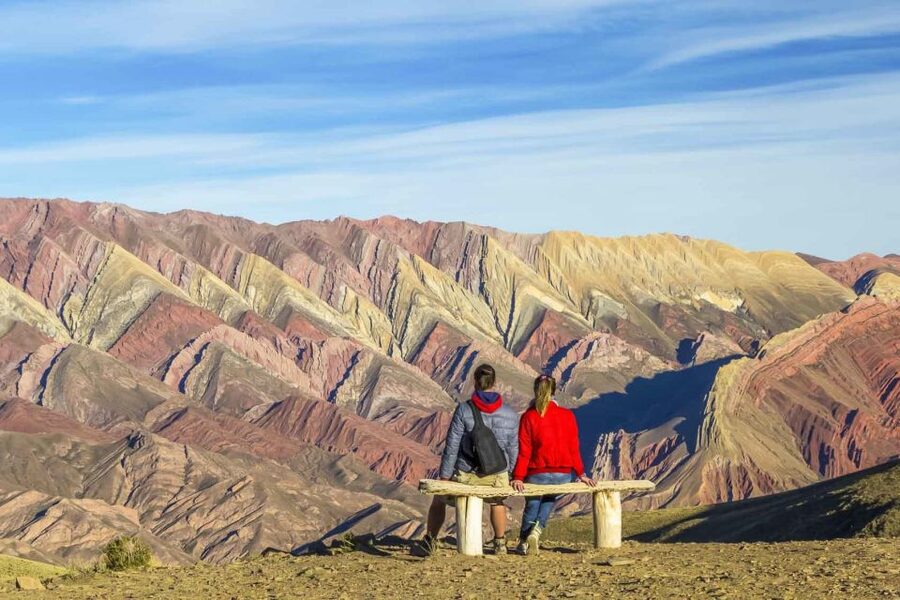
After Purmamarca, the route continues toward Maimará, a small village in the shadow of the Monolith Painter’s Palette. The highlight here is the multi-hued monolith, with those same kinds of color bands described as red, yellow, orange, and pastel tones.
What I like about this stop is that it’s built around interpretation. It’s not only a view. It’s a geology-and-culture connection point. The monolith imagery helps you understand why people settle where they do and why these towns feel so tied to their setting.
The potential downside is time and sound. On a long day, you may get limited minutes at each stop. Also, if you’re sensitive to audio quality in a moving vehicle, you’ll want to be ready for the reality that you’ll hear the guide often and sometimes through a bus speaker system. On some days, that system can be the weak link, so I’d keep a little mental flexibility for this kind of tour format.
More Quebrada de Humahuaca trips:
- From Salta: Salinas Grandes, Purmamarca & Los Colorados Hike
★ 4.3 · 356 reviews - Full-Day Tour Salinas Grandes and Purmamarca from Salta
★ 4.0 · 220 reviews - Salinas Grandes and Purmamarca: Full Day Excursion from Salta Capital
★ 4.5 · 207 reviews - Full-Day Tour to Humahuaca, Purmamarca and Tilcara
★ 4.0 · 203 reviews
Tilcara: Andean charm, town energy, and archaeological context
Tilcara is where the day gets more “town-feeling.” This stop tends to be popular because it blends Andean atmosphere with visible everyday life. You’re not only looking at formations now, you’re walking through a place that feels like it has a pulse.
Also, Tilcara has an archaeological site called El Pucará de Tilcara, and admission to that site is not included. That matters because you might assume everything is bundled when you book, but it’s not. If you want to go inside that specific site, you’ll need to pay the ticket separately.
Even if you skip the site, Tilcara is still valuable because it’s a place where you can step out of the vehicle and reset your senses. Fresh air, different street scenes, and a slower pace than the viewpoint stops helps the day feel like it’s moving for you instead of just around you.
Small planning thought: if you are the type who loves history sites, budget for that extra ticket. If you are more of a scenery-and-culture walker, you can still get a lot by focusing on streets, viewpoints, and the rhythm of town life.
Uquía’s church and the surprising detail of gun-toting angels
One of the most memorable cultural stops on this route is the sleepy town of Uquía. The key reason to care is the historic church, which includes paintings of gun-toting angels.
That detail is the kind of thing you’d never get from a brochure summary. It gives the day an unexpected emotional beat, like you stumbled into a small story while following a big one. It also adds contrast. You’ve been looking at stone colors and geology logic, and then suddenly you’re in a church setting with art that feels bold and specific.
Because the stop is time-limited, I suggest treating it like a “look closely for a few minutes, then move on” moment. If you rush, you’ll miss the art details. If you linger too long without checking your watch, you might feel stressed later when the schedule tightens.
Tropic of Capricorn: short stop, big meaning
The itinerary includes a pause at the Tropic of Capricorn, the most southerly latitude at which the sun can appear directly overhead at noon. It’s a quick stop in the grand scheme of a full-day trip, but it’s useful because it gives the region a geographic anchor.
I like these “science signpost” moments on travel days, especially when everything else is emotional and visual. It helps your brain make a structure: this isn’t random. This is a place with a specific position on Earth, and that position affects how the light and seasons feel.
Don’t expect a long “lecture.” This is more of a marker stop, so use it for quick photos and a mental timestamp before you head back into the driving and town sequence.
Humahuaca UNESCO town: using your time at the finish
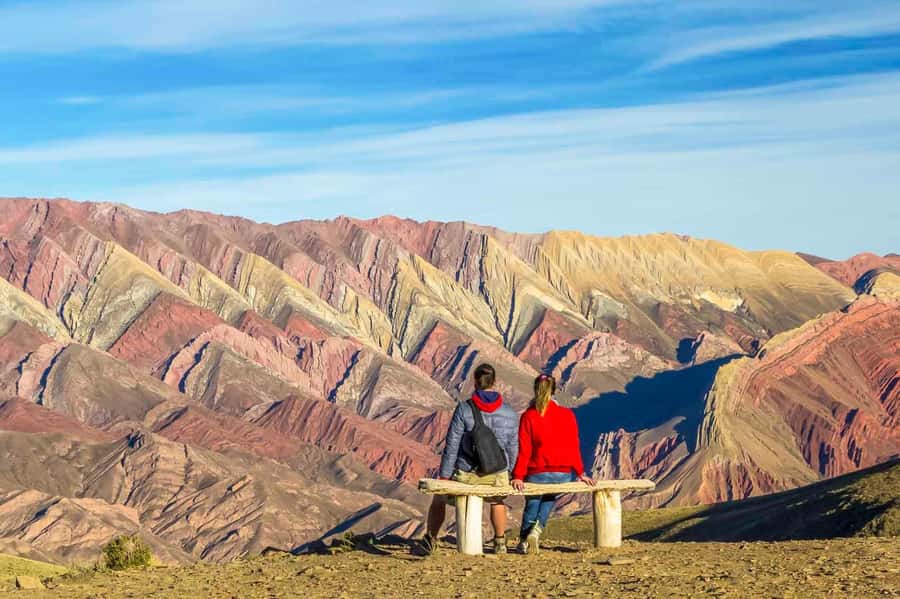
The last major cultural stop is Humahuaca, a multi-colored town and a UNESCO World Heritage Site. This is a great place to end because the day’s colors and village life come together.
Humahuaca works well as a finale for a highlights tour. You’ve built up context earlier in the day with Purmamarca, Maimará, and Tilcara. Now you can look at streets, architecture feel, and town mood with more understanding than you would have had at the start.
The main “how to enjoy this” advice is simple: save some energy for wandering. Even if the tour time in town is limited, you want to be able to step out and walk enough to feel like you’ve arrived, not just passed through. If you’re the kind of person who spends the whole time shopping, Humahuaca can feel rushed. If you balance a few quick stops with a slow walk, it tends to land well.
Also remember food and drinks are not included. If you want a proper sit-down meal, plan for it with your own timing. The earlier towns can be snack-and-photo stops, but you’ll appreciate having your own plan for the day’s final stretch.
Price and what your $39 actually buys
The price is listed as $39 per person. For a day this long, that’s mainly paying for transportation, guide interpretation, and hotel pickup/drop-off if you select that option.
Here’s what’s included that makes a difference:
- Transportation in a bus or minivan, depending on group size
- A Spanish- and English-speaking guide
- Hotel pickup and drop-off if you choose pickup
- Meeting point pickup and drop-off if you choose meeting point pickup
Here’s what costs extra:
- Admission ticket to El Pucará de Tilcara archaeological site
- Food and drinks
Is $39 good value? Usually yes, if you can handle the long day format. The guide can turn quick stops into meaningful ones, and the pickup saves time and hassle in Salta. If you end up wishing for more time per stop, then the value question changes, because the base price still includes that fixed schedule.
My practical take: if you want maximum places seen with minimal planning, this price can be fair. If you want lots of independence and long independent exploration, you might feel the cost is “paying for transit more than time outside.” That’s the trade that comes with a structured day tour.
The bus factor: when the format helps, and when it hurts
A common risk on long day trips is how the vehicle time affects your experience. The route is far enough that you will spend many hours riding. For some people, that’s fine, because the scenery keeps coming and the guide narration keeps you oriented.
For others, the bus time is where the day goes wrong. If the guide is speaking continuously and the audio is hard to hear, you can end up with a headache-y, bored feeling instead of curiosity. Even when the guide is doing a good job, the sheer volume of guided talk plus the vehicle acoustics can make it tough.
If you know yourself, prepare smart:
- Bring a hat and water for stops when you’re walking in daylight
- Bring something for the ride, like earplugs, because you can’t control the speaker quality
- Treat town stops like your reset time, not like bonus time on top of the main activity
The goal is to avoid “waiting all day” energy. When you get out, focus on doing something real in that moment, even if it’s only a short walk.
What to bring, and the one item you cannot forget
You should bring a passport or ID card. That’s the only clear requirement listed, but it’s an important one for border-regulated or identity-check situations.
I’d also bring basic comfort items even though they’re not listed:
- Sunglasses and sunscreen
- A light layer, since high-altitude mornings can feel cool early
- Water, since drinks are not included
If you plan to go into El Pucará de Tilcara, keep cash or a payment method ready for the entrance ticket.
Who should book this, and who should skip it
This tour suits you if:
- You want a guided highlights tour along the Quebrada de Humahuaca from Salta
- You care about both geology and culture, not just one or the other
- You like getting bilingual context without doing the research yourself
It might not be ideal if:
- You get cranky on long days in a vehicle
- You hate rushed town stops and prefer slow wandering
- You want lots of time for archaeological exploration, since El Pucará requires an extra ticket and the time in town may be limited
If you’re torn, ask yourself what you want most, a full-day stamp-collection tour or time to linger. If the first one sounds like you, book it. If the second one is your style, you might prefer a shorter route or a different format with more free exploration time.
FAQ
How long is the day trip from Salta?
The duration is 810 minutes, which is about 13 and a half hours. Check availability for starting times.
Where do I meet in Salta?
You meet at the local partner’s office near Plaza 9 de Julio de Salta.
Is hotel pickup included?
Hotel pickup is included if you select the pickup option. Pickup is typically between 6:30 and 7:15 AM for centrally located hotels up to 8 blocks from the 9 de Julio central square.
What if the bus cannot reach my hotel?
In some cases the bus might not be able to access your hotel, and you will be contacted to arrange a different pickup spot.
What stops are included on the route?
The route includes Purmamarca (Seven Colors Hill), Maimará (Monolith Painter’s Palette), Tilcara, Uquía (historic church with paintings), a pause at the Tropic of Capricorn, and Humahuaca (UNESCO World Heritage Site).
Is admission to El Pucará de Tilcara included?
No. Admission ticket to El Pucará de Tilcara archaeological site is not included.
Are food and drinks included?
No. Food and drinks are not included.
What languages is the guide?
The guide is Spanish- and English-speaking.
What do I need to bring?
Bring a passport or ID card.
Is there free cancellation?
Yes. You can cancel up to 24 hours in advance for a full refund.
Recently reviewed around Salta
- Exclusive day-long private tour of Cafayate vineyards★ 5.0 · 10 reviews
- Cachi and Los Cardones National Park from Salta★ 4.5 · 11 reviews
- Cafayate Wine Trail Excursion: Explore Salta’s Vineyards★ 3.5 · 11 reviews
- Salta: Calchaquí Valley Scenic Drive and Day Trip to Cachi★ 3.5 · 11 reviews
- From Salta: Pack of 4 Excursions in Salta and Jujuy★ 4.0 · 13 reviews
- The Calchaqui Valley Winery and Scenery Tour in Cafayate★ 3.5 · 14 reviews
- Cafayate, Vineyards and Calchaquies Valleys Tour from Salta★ 4.0 · 14 reviews
- Train to the Clouds Experience Admission Ticket★ 4.0 · 22 reviews
Quebrada de Humahuaca, compared.
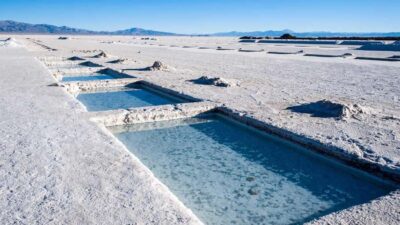
Full-Day Trip to Salinas Grandes and Purmamarca
Read our review →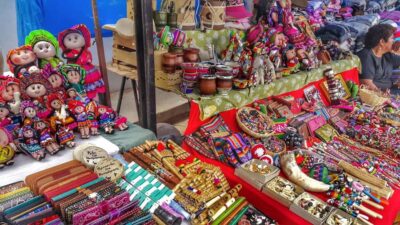
Salinas Grandes, Purmamarca & Los Colorados Hike
Read our review →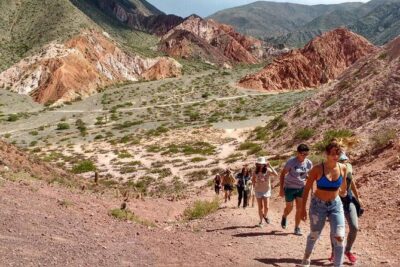
Full-Day Tour Salinas Grandes and Purmamarca from Salta
Read our review →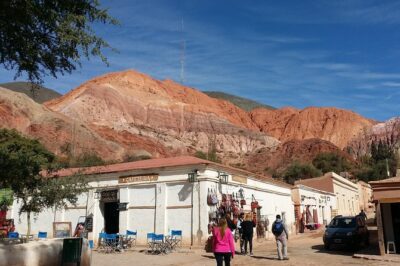
Salinas Grandes and Purmamarca: Full Day Excursion from Salta Capital
Read our review →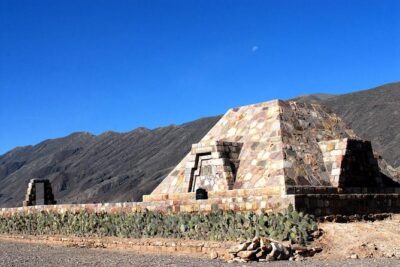
Full-Day Tour to Humahuaca, Purmamarca and Tilcara
Read our review →
Browse the lists this tour appears in