
Reviewed · WINE TOURS
From Salta: Local Landscape, Winery, and Culture Tour
What makes this Salta province tour interesting is how many different Andean worlds you see without the hassle of changing plans every few hours. I love the Torrontés wine tasting in Cafayate, and I like that the certified bilingual guide connects the scenery to people and culture, including indigenous history. The main drawback to think about is the long driving days and the rougher dirt-road time, so it helps to come with comfortable expectations.
You’ll also spend time in places most day trips never reach, like the Hill of 7 Colors in Purmamarca and the Parque Nacional los Cardones cactus park. It’s a lot of viewpoints and walking, but the value is that each stop has a specific purpose, not just a quick photo stop and out the door.
This tour is a strong fit if you enjoy guided explanations and want one loop that strings together wine, colonial towns, UNESCO terrain, and high-altitude salt flats. If you have back problems, though, this one is not for you.
Key highlights I’d circle on your map
- Cafayate winery visit with wine tasting, including Torrontés
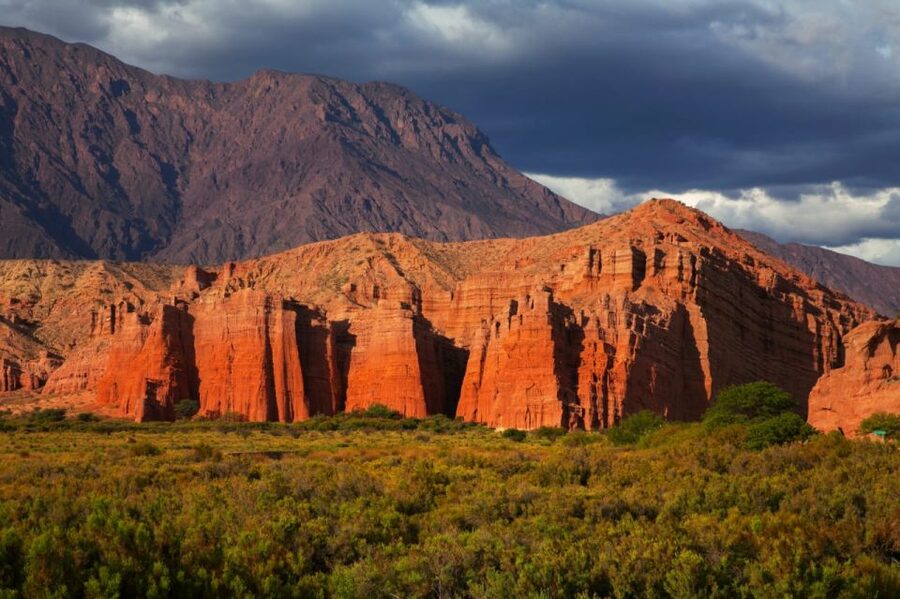
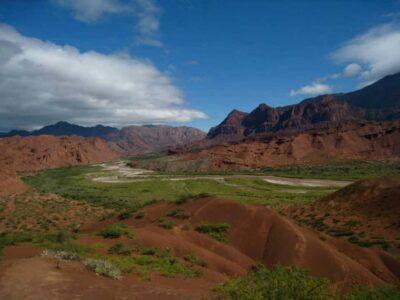
- La Quebrada de las Conchas scenery with red-rock formations
- Cuesta del Obispo and its winding-road views
- Parque Nacional los Cardones and the cardon grande cactus landscape
- Purmamarca’s Hill of 7 Colors plus craft-focused town time
- UNESCO Quebrada de Humahuaca and the salt flats of Salinas Grandes
The core idea: Salta, wine stops, and Andes culture in one loop
This is a four-day, guided van tour that works like a “big circuit” around Salta Province and into nearby Jujuy terrain. You’re not just collecting viewpoints. You’re moving through distinct geographic zones, then adding cultural context at towns like Purmamarca and Tilcara.
The real appeal is balance. You get a winery stop for a taste of local wine culture, then you switch to red-rock roads, cactus country, and finally the salt plains at Salinas Grandes. That mix keeps the day from getting repetitive, and it also makes it easier to understand why this region has always been a crossroads.
The other reason this tour feels good is the pacing of stops: there’s time to walk town streets, time to enjoy viewpoints, and time for lunch on your own. You’re not sprinting from one location to the next every minute, even though the overall schedule is full.
More Wine Tours in Salta
- From Salta: Full-Day Tour to Cafayate with Wine Tasting
★ 4.5 · 478 reviews - Full-Day Tour Cafayate Calchaqui Valleys with Wine
★ 4.5 · 347 reviews - From Salta: Cafayate, land of wines and imposing ravines
★ 4.4 · 347 reviews
Day 1: Lerma Valley farms, Cafayate wine, and the Devil’s Throat
You start from downtown Salta with hotel pickup and then settle into an air-conditioned minivan. From there, you head through the Lerma Valley, with farms and tobacco plantations passing by as you build up a sense of where you are, not just where you’re going.
As the drive continues, you pass the town of Alemania and start seeing the red mountains and rock formations that give this region its dramatic feel. Two named rock landmarks you’ll spot along the way are the Devil’s Throat and the Parrots’ House. These names are more than decoration. They help you “read” the geology as you travel, so the scenery feels less random.
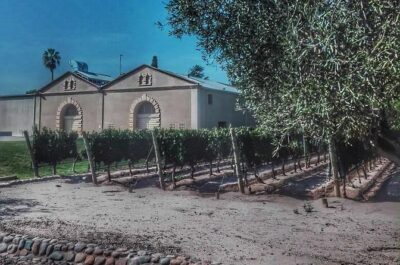
When you reach Cafayate, that’s where the tour switches from rock scenery to wine culture. You visit a winery (entry is included), learn about the local wine industry, and sample different Argentine wines. A highlight is Torrontés, a variety that originated in Argentina. If you’re the type who likes to understand what you’re drinking, this part is more satisfying than a quick tasting with no context.
After time in Cafayate, you drive back toward Salta through a completely different landscape. That change in terrain is part of the point of the route. You’ll leave day one seeing how fast the region can shift from valley agriculture to highland drama.
What to watch for on day one: lunch is not included, so have a plan for buying food when you get a free moment. Also, expect a full day of movement even though you’re comfortable in an air-conditioned van.
Day 2: Cuesta del Obispo, Parque Nacional los Cardones, and colonial Cachi
Day two is all about famous roads and protected natural areas. You’ll travel via Provincial Route 33 and enjoy big views of the Escoipe River’s dramatic gorge and Los Laureles along the way. This is one of those “you can’t help but look out the window” drives, because the route is built for sightlines.
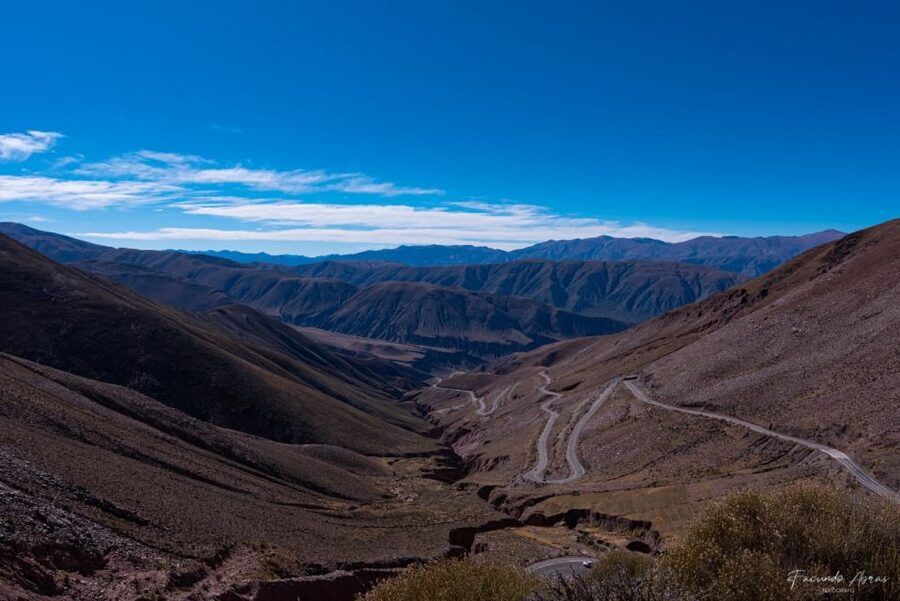
Then you reach Cuesta del Obispo, the winding road where the elevation and rock formations make the scenery feel cinematic. You’ll admire the rock formations along the approach to the summit, and once you get into the national park area, the feel changes again.
That’s Parque Nacional los Cardones, named for its abundance of cardon grande cactus bushes. This is the kind of place where you realize the Andes are not only about stone. They’re also about survival plants, and the cactus presence gives the whole drive a distinct identity.
After the park, you reach Cachi. This is your town break day, with time to explore and find a spot for lunch (not included). You can walk through colonial architecture and visit a church in the central plaza or choose a museum focused on local history. There are also shops where you can browse for souvenirs.
The payoff in Cachi: you get a slower moment after long road sections. You’re not stuck in the van the entire time. You can stretch your legs, sit down, and absorb the town atmosphere at your own pace.
Possible drawback: if you dislike long drives, this day may feel like a lot. The route includes highway time and earlier rough-road travel on the overall tour, so it helps to stay flexible with comfort.
Day 3: Purmamarca’s Hill of 7 Colors, gold-altar chapel, and Tilcara’s Inca ruins
Day three is one of the tour’s most cultural days, mixing famous geology with historic sites and local crafts.
You begin in Purmamarca, where the Hill of 7 Colors rises behind the town. The effect is immediate. You’re surrounded by Andes color bands, and you start noticing how the terrain looks different depending on where you stand and how the light hits the slopes.
You’ll also spend time in Purmamarca’s main square, including works by local craftsmen. This is where I’d prioritize shopping if you want authentic handmade souvenirs, not just a quick stop. After that, you can visit the town’s church and take lunch whenever you want, since lunch costs are not included.
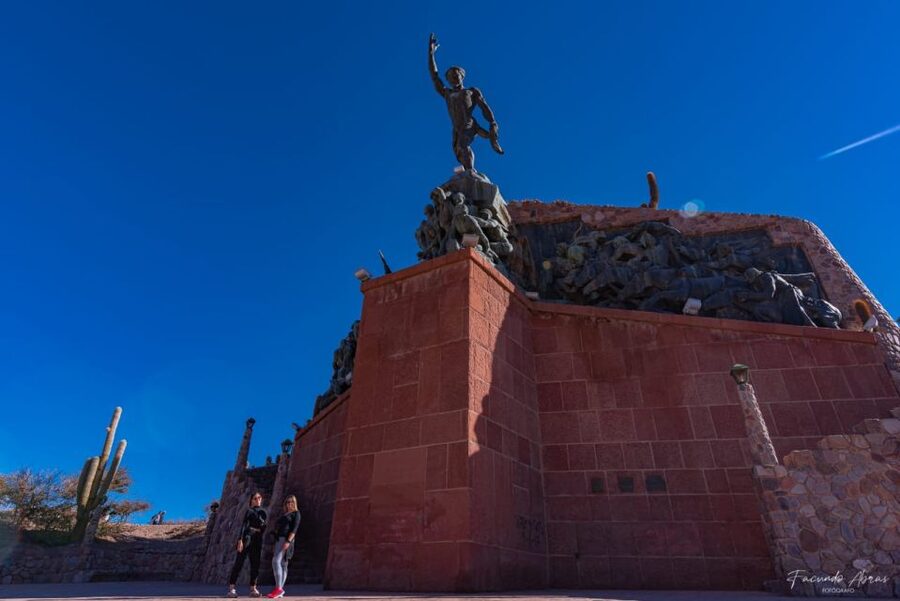
Along the drive and in-town viewpoints, you’ll see the Paleta del Pintor Hill from the road and the Monumento de la Independencia. These are quick stops, but they help you connect the landscape to how people have marked identity and history in the region.
One of the more specific and memorable moments comes with a chapel built around 700 years ago, where the altar is covered in gold. You’ll also see paintings connected with the Cusco School, plus a small monument marking the Tropic of Capricorn. If you like travel that gives you more than one type of “wow,” this is a good day for you.
Then the tour heads to Tilcara. You’ll have time for a walk around Tilcara’s main square and church. After that, the highlight finish is Las Ruinas Incaicas del Pucará de Tilcara, where you learn through a museum about the people who first lived on the site. It’s a strong way to end the day, because you close with both place and explanation, not just the site itself.
A different sort of day out of Salta:
- From Salta: Full-Day Trip to Salinas Grandes and Purmamarca
★ 4.6 · 914 reviews - From Salta: Salinas Grandes, Purmamarca & Los Colorados Hike
★ 4.3 · 356 reviews - From Salta: Serranías del Hornocal & Hill of 14 Colors Tour
★ 4.4 · 339 reviews - From Salta: Cachi and Los Cardones National Park Tour
★ 4.5 · 285 reviews
Day 4: UNESCO Quebrada de Humahuaca and the salt miracle of Salinas Grandes
The last day leans into UNESCO scenery and one of Argentina’s most recognizable highland visuals.
You travel toward Jujuy passing through the towns of Volcán and Tumbaya. Then you reach Quebrada de Humahuaca, a UNESCO World Heritage Site. The area is described as a major trade route thousands of years ago, which is a key detail. You’re not just looking at a valley. You’re seeing the corridor where movement and commerce shaped life over long periods of time.
After that, you return to Purmamarca. If you missed anything earlier, you’ll have time to enjoy the town’s lively main square and potentially pick up souvenirs at craft stands. You’ll also revisit the Hill of 7 Colors, since it’s one of those places where even a second look feels rewarding.
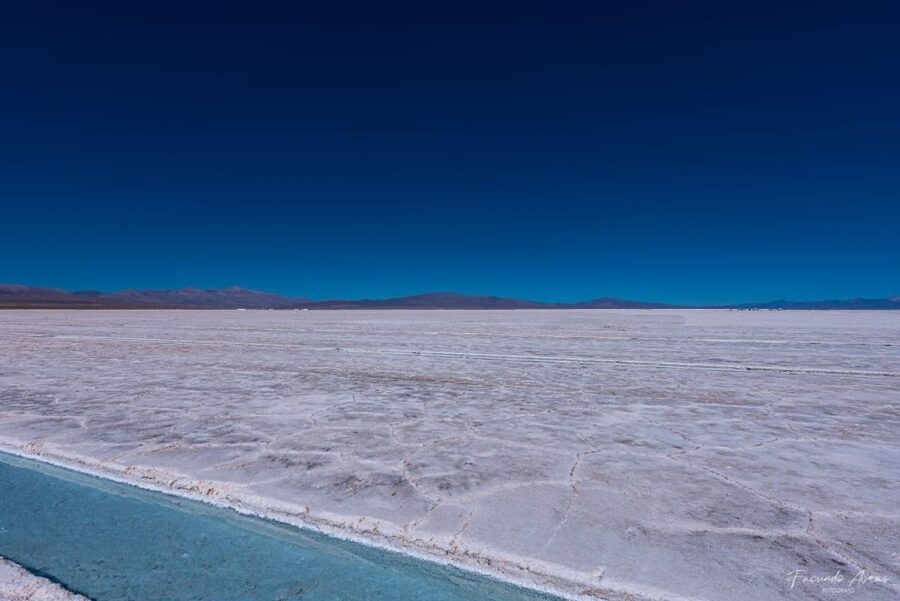
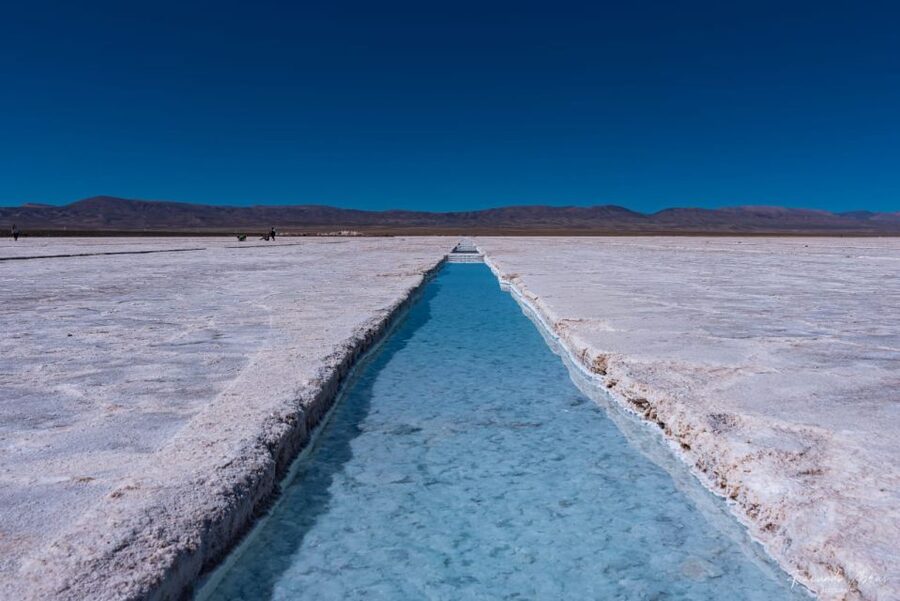
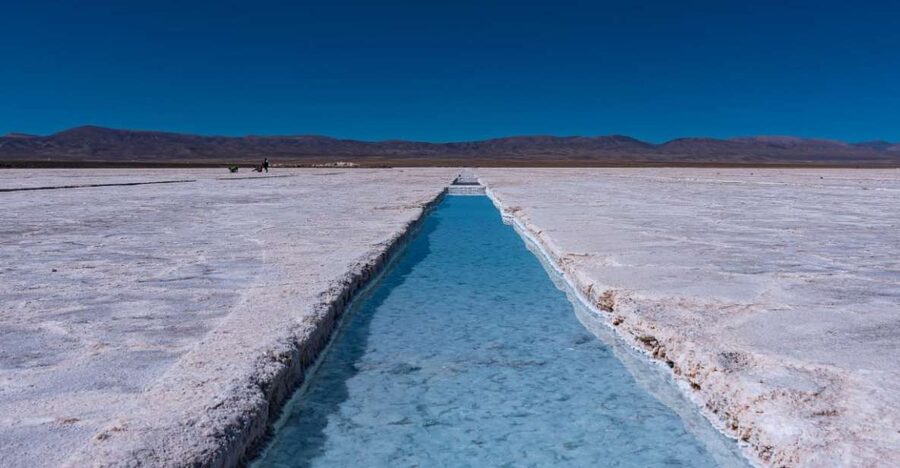
Next comes the climb along Cuesta del Lipan to Salinas Grandes, one of the 7 Wonders of the Argentine Republic. Then you get free time to admire the unique salt planes and famous pools. This is the part of the tour that feels otherworldly in a different way from the red rocks. The salt flats give you a blank, bright horizon, and your brain takes a minute to adjust to what you’re actually seeing.
Back in Purmamarca, you’ll have lunch time on your own (not included), and then you return to Salta.
Wine value: what Cafayate adds to this tour
The tour price includes entry to the winery in Cafayate, and it also includes the tasting itself. That matters because a wine visit is usually a separate line item on many tours, and tastings can add up quickly when you’re budgeting in Argentina.
What I like about the Cafayate stop is that it’s not only about sipping. You also learn about the local wine industry. You’re given enough context to appreciate why Torrontés is a named highlight rather than just another grape.
If wine is your main motivation, this tour is still more than a tasting trip because you spend days around it seeing the roads and towns that define the region. If wine is a side interest, it still fits nicely as a break from geology and architecture.
Price and what you truly get for $130
At $130 per person for four days, this tour looks best when you think in terms of included components.
You’re getting:
- hotel pickup and drop-off in downtown Salta
- transportation by air-conditioned minivan
- a certified bilingual guide (English and Spanish)
- entry to a winery
Lunch is not included, so you will need to budget for that during free time in Cachi and Purmamarca and during the final day’s Purmamarca lunch window. That’s the main extra cost to plan for.
So the value question becomes simple: do you want a guided circuit that covers multiple iconic areas, without the mental load of renting vehicles and stitching together routes? If yes, the price is easier to justify, because you’re paying for both driving logistics and on-the-ground interpretation.
Comfort, timing, and the dirt-road reality
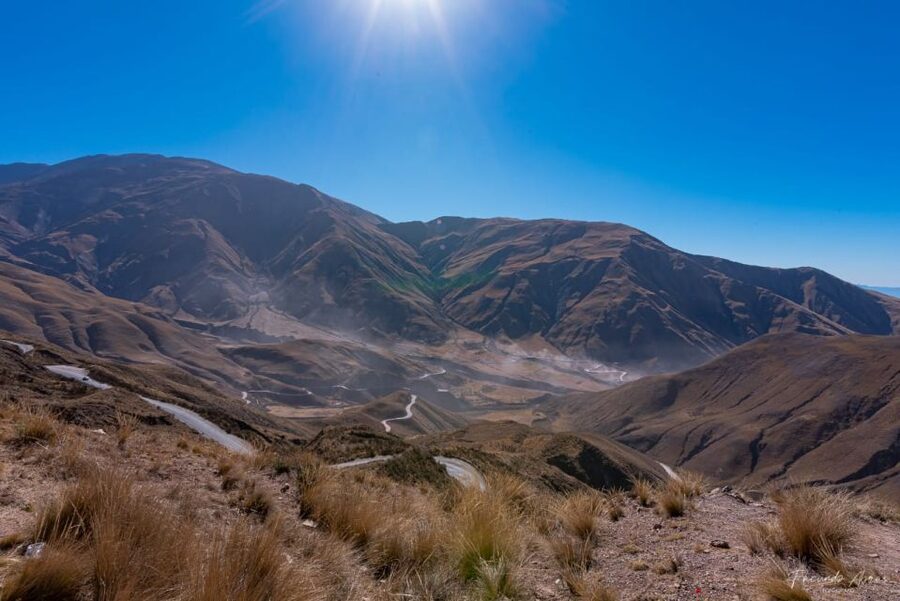
The tour is not fully flat and easy-going. It includes about 2 hours of traveling through low-quality dirt roads, plus another 2 hours through highway when returning.
That affects comfort more than you might expect, especially if you’re sensitive to bumps or you’re carrying anything you don’t want to jostle. The good news is you’re in an air-conditioned minivan, and you’re not driving yourself.
The tour is also not suitable for people with back problems, which is worth taking seriously. If that’s you, skip it rather than hoping you can “push through.”
On timing, pickup happens within 40 minutes after your chosen start time. So don’t assume you’ll be picked at the exact minute. Be ready at your hotel once you know the start time, and you’ll stay relaxed.
One more practical note: the order of excursions may change depending on agency availability. You’ll still get the core highlights, but your day sequence could shift.
Who this tour fits best
This is a great fit if you:
- want to pack a lot into four days without renting a car
- like guided context, not only scenic driving
- enjoy a mix of wine, historic towns, and named natural highlights like Salinas Grandes
- want town time for browsing and walking, especially in Purmamarca and Tilcara
It’s not a good fit if you:
- have back problems (the tour specifically says it is not suitable)
- dislike long days and lots of driving
- travel with a minor who would be unaccompanied, since unaccompanied minors are not allowed
Should you book this Salta province tour?
If you want one organized way to see Cafayate wine culture, Purmamarca’s Hill of 7 Colors, Quebrada de Humahuaca, and Salinas Grandes, I think this tour is a strong booking choice. The big reason is that it combines the region’s most famous visuals with guided explanations, and it’s priced so you don’t have to add a separate winery plan.
I’d especially lean toward booking if you care about the Cafayate tasting, because winery entry is included. And if you like shopping for crafts, Purmamarca is the logical place to spend your free time.
Skip it only if the dirt-road comfort issue would be a problem for you. Otherwise, it’s a satisfying, high-contrast circuit that turns Salta into more than just a base city.
FAQ
How long is the From Salta Local Landscape, Winery, and Culture Tour?
It runs for 4 days.
What is the starting time and how do I confirm it?
You choose your dates, and starting times depend on availability. You can check availability to see the starting times.
Where do pickup and drop-off happen?
Pickup and drop-off are included at downtown hotels in Salta.
When does pickup happen relative to my chosen start time?
Pickup takes place within 40 minutes after your chosen start time. Please be ready at your hotel accordingly.
What’s included in the price?
Included are hotel pickup and drop-off, transportation by air-conditioned minivan, a certified bilingual guide, and entry to a winery.
Is lunch included?
No. Lunch is not included.
What languages will the guide speak?
The guide is live and bilingual in English and Spanish.
What should I bring?
Bring a passport or ID card, and wear comfortable clothes.
Is the tour suitable for people with back problems?
No, it is not suitable for people with back problems.
Are children allowed?
Unaccompanied minors are not allowed. Children under 2 years old can travel for free if they do not occupy a separate seat.
Can I cancel and get a refund?
Yes. You can cancel up to 24 hours in advance for a full refund.
Is there a pay later option?
Yes. You can reserve now and pay later, meaning you can book your spot and pay nothing today.
Recently reviewed around Salta
- Exclusive day-long private tour of Cafayate vineyards★ 5.0 · 10 reviews
- Cachi and Los Cardones National Park from Salta★ 4.5 · 11 reviews
- Cafayate Wine Trail Excursion: Explore Salta’s Vineyards★ 3.5 · 11 reviews
- Salta: Calchaquí Valley Scenic Drive and Day Trip to Cachi★ 3.5 · 11 reviews
- From Salta: Pack of 4 Excursions in Salta and Jujuy★ 4.0 · 13 reviews
- The Calchaqui Valley Winery and Scenery Tour in Cafayate★ 3.5 · 14 reviews
- Cafayate, Vineyards and Calchaquies Valleys Tour from Salta★ 4.0 · 14 reviews
- Train to the Clouds Experience Admission Ticket★ 4.0 · 22 reviews
Wine Tours, compared.
All Day, Small Group, Luxury Wine Tour with Gourmet Lunch
Read our review →

Argentine Experience: Immersive Dinner & Wine Pairing in Iguazú
Read our review →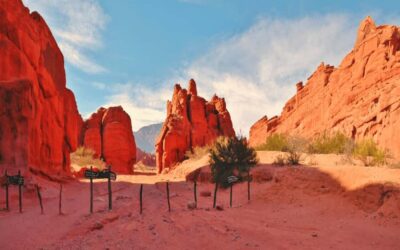
Full-Day Tour Cafayate Calchaqui Valleys with Wine
Read our review →
Browse the lists this tour appears in