
Reviewed · QUEBRADA DE HUMAHUACA
Humahuaca Valley Multicultural Tour from Salta
This day trip is interesting because it does a lot in one go, and it does it in the best place for Northern Argentina color and contrast, the Quebrada de Humahuaca area. You start in Salta, cross into Jujuy, and spend the day hopping between postcard towns and photo stops.
I love that the itinerary hits major stops like Purmamarca and Humahuaca, with enough time in Humahuaca to actually eat and wander, not just stop, point, and rush. I also like that the tour is bilingual, so the story behind the views is explained in both English and Spanish, including moments tied to local traditions and church art.
One possible drawback is timing. It is a 12-hour day, and you are doing plenty of driving plus walking. If you hate long days or sun exposure, plan carefully and pack layers for comfort.
Key things to know before you go
- UNESCO-area focus: You reach Humahuaca, tied to the UNESCO World Heritage Site recognition for the region.
- Big photo payoff: You get walk-and-photo stops throughout, not just at one or two viewpoints.
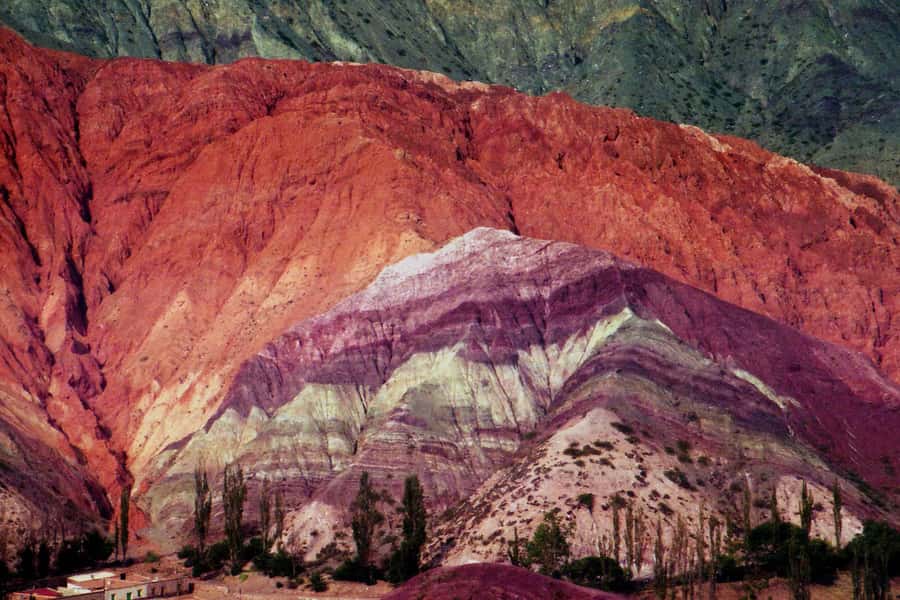
- Purmamarca’s Cerro de los 7 Colores: You stop where the hills show dramatic banding.
- Humahuaca lunch break: You get the longest stop to eat regional dishes, with llama meat as a key option.
- Uquía church and 17th-century art: You visit San Francisco de Paula, where you can see ancient angel paintings linked to Cuzco-Peru.
- Tropic of Capricorn moment: You step at the imaginary line in Huacalera.
Why this Humahuaca Valley tour is so satisfying
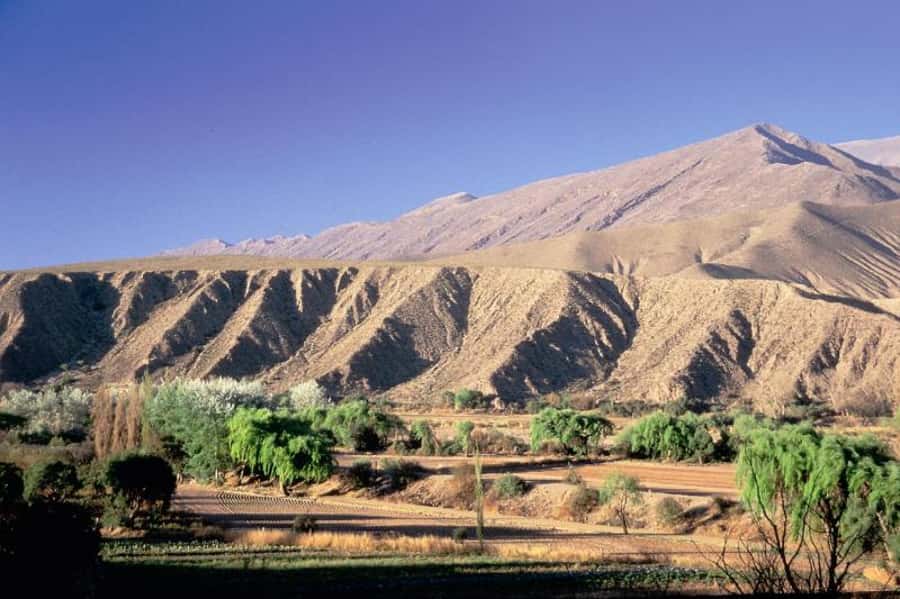
If you have limited time in Salta, this is the kind of outing that makes your day feel efficient without turning into a nonstop blur. You are not just seeing one town. You are moving along the Quebrada route, hitting several distinct places that each bring something different, color bands, mountain villages, church art, and a big “people first” town stop in Humahuaca.
A major plus is how the guide frames the day. The tour is led by a professional guide who works in both English and Spanish, so it is easier to understand what you are looking at and why it matters. In one recent experience, a guide named Angie was singled out for keeping the trip clear and fun, even when someone was the only English speaker in the group.
The other thing I like is that the stops are spread out. You get chances to stretch your legs, take photos, and break up the drive. Even if you are not into constant sightseeing, it helps keep the day from feeling monotonous.
More Quebrada de Humahuaca trips:
- From Salta: Full-Day Trip to Salinas Grandes and Purmamarca
★ 4.6 · 914 reviews - From Salta: Salinas Grandes, Purmamarca & Los Colorados Hike
★ 4.3 · 356 reviews - Full-Day Tour Salinas Grandes and Purmamarca from Salta
★ 4.0 · 220 reviews
From Salta to Jujuy: the drive that sets the tone
You depart from downtown Salta with roundtrip transportation from included hotel pickup areas. The route goes out via major access roads, starting with RN 9 and then connecting through RN 34 after entering the General Güemes area, before you cross into Jujuy.
What that means for you on the ground: the driving is part of the experience. As the valley opens up, the towns start to look built for viewing, with steep terrain and vivid mountain tones. You are already “warming up” your eyes before you start making stops.
Two practical notes matter here:
First, the tour can run on larger buses during peak travel periods, and pickup can change. In July and January, buses may carry up to 50 passengers, and hotel pickup may not be provided, with a meeting point in the city center instead. If your hotel is not on the standard route, the operator should contact you about the closest pickup location.
Second, this is a long day. You will want comfort first, especially since there will be walking and photo stops. I suggest sneakers and comfortable clothes. Bring sunglasses and sunscreen. And yes, pack water. The sun up here is no joke.
Volcán: a calm start with big views
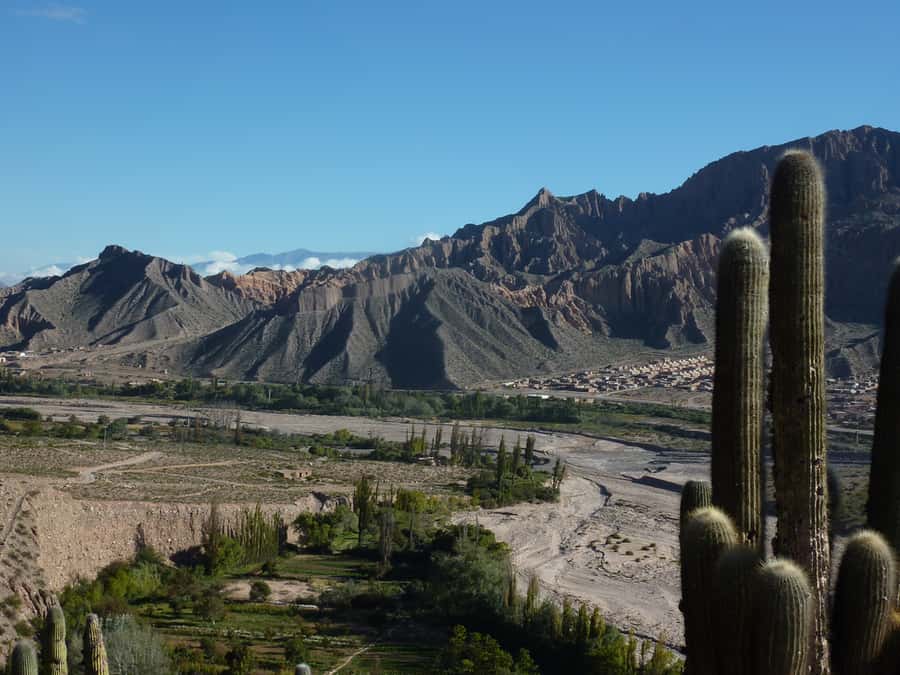
The tour includes a stop in Volcán, one of the places that helps set the rhythm for the day. It is not the only star of the show, but it is a good first taste of the region. You get the sense of scale right away, with mountains and village life close together.
This is a stop designed for quick sightseeing and photos. Expect time to walk a bit and look around, then move on. If you are the type who likes to know where you are before the main hits, Volcán is a good warm-up.
Purmamarca and Cerro de los 7 Colores
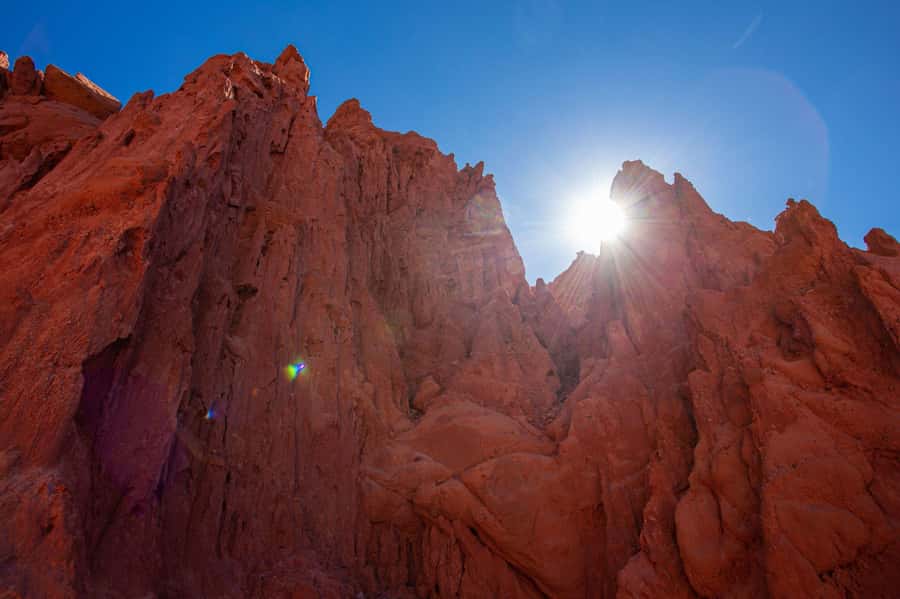
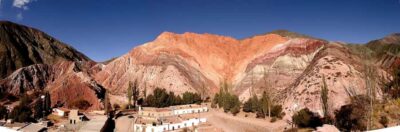
Next comes one of the most visually famous stops: Purmamarca, and specifically the chance to see the Cerro de los 7 Colores. This is where the hills show those dramatic colored bands that make Northern Argentina look like someone turned up the contrast in a photograph.
Here is what makes the stop worth it, beyond the obvious photo moment. The colors are not random. They are part of the geology and layering you can visually read as you move and look from different angles. If you take five minutes to reposition rather than just snapping from one spot, you tend to see more.
Time-wise, you get a stop to explore and take photos, then you keep going. So do not plan to linger like you would at a museum. Think of it as an “anchor viewpoint” stop.
A few more Salta days worth comparing
- From Salta: Full-Day Tour to Cafayate with Wine Tasting
★ 4.5 · 478 reviews - Full-Day Tour Cafayate Calchaqui Valleys with Wine
★ 4.5 · 347 reviews - From Salta: Cafayate, land of wines and imposing ravines
★ 4.4 · 347 reviews - From Salta: Serranías del Hornocal & Hill of 14 Colors Tour
★ 4.4 · 339 reviews
Tilcara: where the valley feels lived in
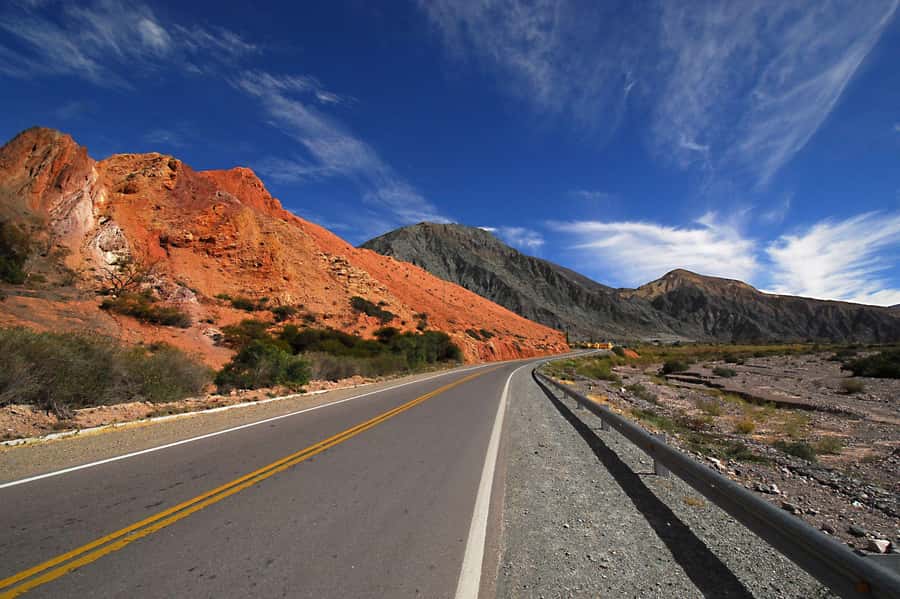
Tilcara is another key stop, and it changes the mood a bit. Where Purmamarca leans into color and viewpoints, Tilcara often feels more like a real town you can walk through and notice daily rhythms.
For you, Tilcara is a good place to slow down just slightly during the walking/photo windows. Look at how the streets and buildings relate to the steep terrain. Notice where people pause, where they move, and how the valley shapes what is easy to build and what is not.
If you are traveling with kids or with friends who get restless, Tilcara is a nice “midday energy reset” because it is less about one single sight and more about small moments.
Humahuaca: the longest stop, the best lunch, and the culture moment
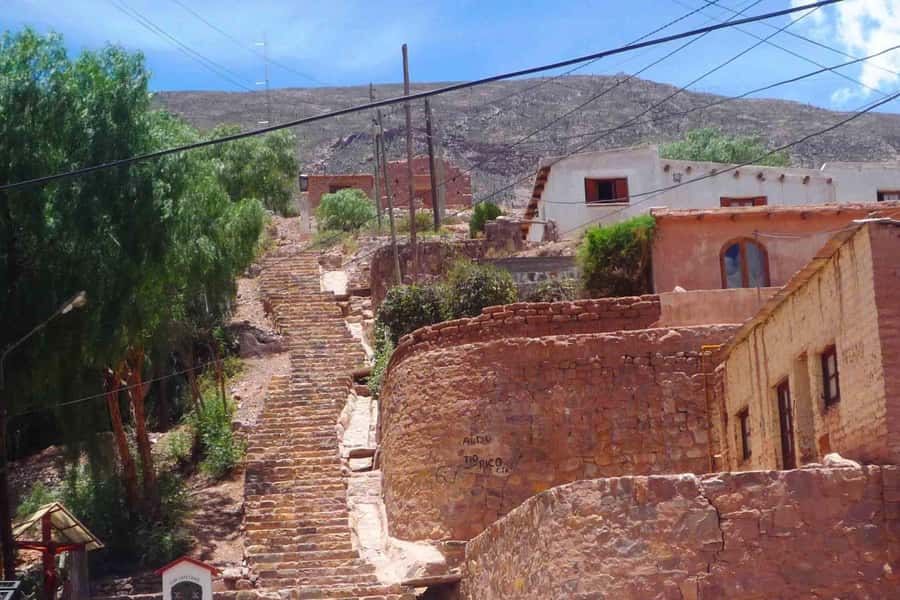
This is the big one: Humahuaca is the largest town in the ravine, and it is where you get the longest stop of the day. The tour specifically builds in time for lunch, and it also gives you time to know the town on foot.
Why this stop matters so much: it is not just another scenic checkpoint. Humahuaca is described as a UNESCO World Heritage Site area, and the town’s street life is tied strongly to local culture. One of the standout themes here is Carnival, which is called out as a major focus and epicenter of celebration.
Lunch is also a highlight. You get a chance to eat regional dishes, with llama meat as a prominent option. The important catch is that food and beverages are not included, so you will choose your restaurant meals on the spot.
Two smart ways to handle the lunch window:
1) Decide your top priorities when you arrive. If you want a seated meal and a longer sit-down break, plan to be early in the lunch time window.
2) Keep your budget in mind. The tour price covers transportation and the bilingual guide, but the lunch is on you.
Uquía and the San Francisco de Paula church with angel paintings
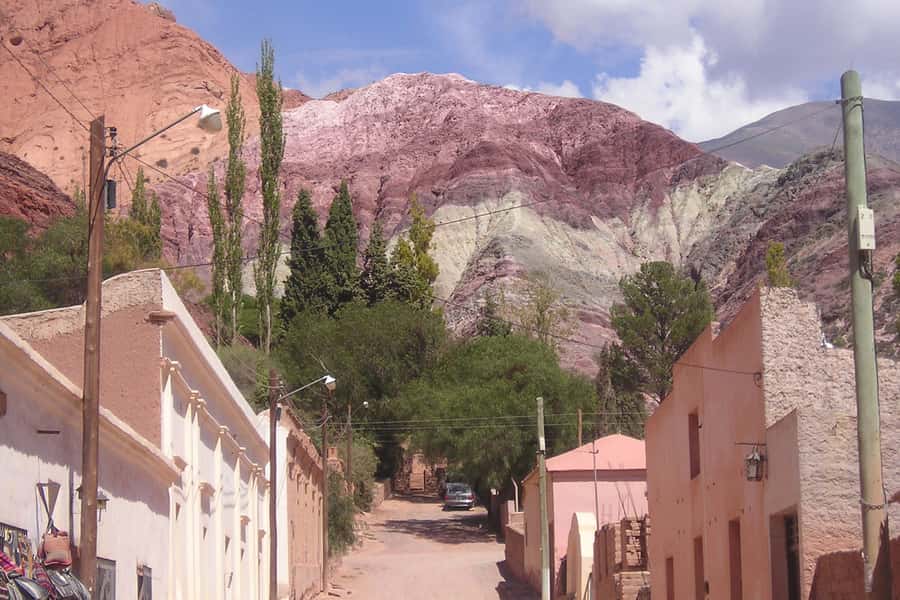
After Humahuaca, you head to Uquía, a smaller town where the church of San Francisco de Paula is located. This stop is especially meaningful if you like art and religious history, even in a quick format.
The tour notes that the church dates from the 17th century and that it has ancient paintings of the Arquebuceros Angels, linked to Cuzco-Peru and painted at the time of colonization. That is a lot of context in a short visit, and it is the kind of detail a good guide can explain in plain language while you’re standing in front of the art.
For you, the practical advice is simple: treat this like a time-boxed art stop. Move quietly, look closely, and use the time to understand what you are seeing rather than trying to “do everything.”
Huacalera: stepping on the imaginary Tropic of Capricorn line
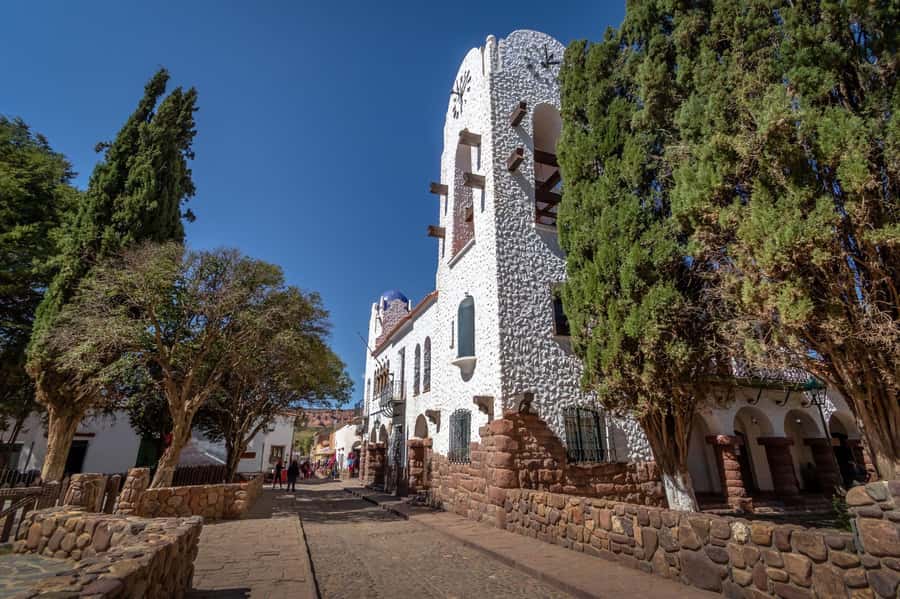
Next is Huacalera, where you get a neat geographic moment. The tour includes stepping on the imaginary line of the Tropic of Capricorn.
This stop is not about a big show. It is about the “I am here” feeling. If you like geography, it is satisfying. If you are just here for photos and food, it still gives you a distinct change of scenery and topic for the day.
Because it is described as stepping on the line, it is likely a short stop with time to look and take photos. Dress for sun and bring water, since the walking outdoors is part of what makes these viewpoints memorable.
Maimará and La Paleta del Pintor: finishing with color
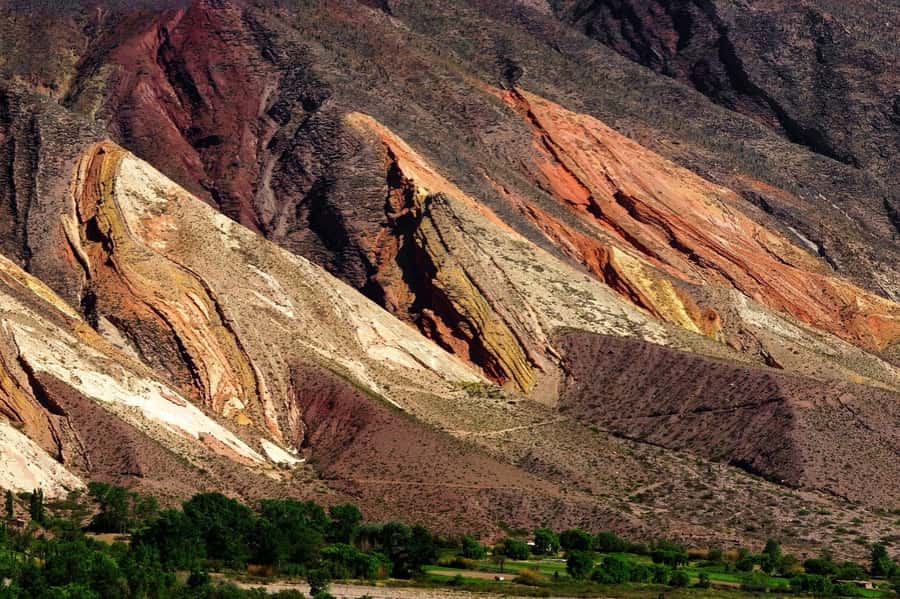
The final highlight listed is La Paleta del Pintor in Maimará. The nickname alone tells you what you are looking for: mountain tones that look like a painter mixed colors on a palette.
This is a good end-of-tour stop because it brings you back to what Northern Argentina does best in a single afternoon. Even if you have already seen Cerro de los 7 Colores earlier, La Paleta del Pintor keeps the visual theme going without feeling like a repeat. Different angles and slightly different formations can change how the colors appear.
You will likely be in photo mode again here. Just remember you still have the ride back after, so do not overpack your schedule on this stop. Get your photos, enjoy the views, then get ready for the final drive.
What the 12 hours feels like (and who it suits)
This tour is built around a classic formula: long drive segments plus shorter walk and photo windows plus one big town break in Humahuaca.
So, what it feels like for you depends on your travel style:
- If you like road trips and want an overview of the valley towns, you will probably enjoy this format a lot.
- If you prefer slow travel, deep museum time, or flexible pacing, this might feel like too much moving around in one day.
- If you are traveling in a small window of time and want multiple major stops, it is a strong match.
Also, plan for sun and walking. Even though the tour includes stops for photos, it still expects you to move around outdoors. Wear sunglasses, sunscreen, and sneakers. Bring water. And if it looks like you might get caught in wet weather, dress with that in mind, since the tour advises you to avoid getting wet.
Price and value: what $49 really buys you
At $49 per person, the value is mainly in three areas:
1) Roundtrip transportation from downtown Salta hotel pickup areas
2) A bilingual English and Spanish professional guide
3) Access to a day-long route with multiple distinct towns and photo stops
What is not included is equally important: food and beverages. Lunch is part of the day plan in Humahuaca, but you choose where you eat, and you pay for it.
So if you budget a bit for lunch and a drink or two, the $49 becomes a fair deal for a full day that would otherwise take planning and driving effort on your own. If you are traveling with someone who gets tired of decisions, the guide helps keep the day moving and makes the stops more meaningful.
In plain terms: the tour price covers getting you there and making the stops make sense. Your job is to bring comfort, water, and your lunch money.
Tips that make the day smoother
A few practical things will help your experience feel better:
- Start ready for an early start. The best scenery is tied to time on the road and to stops at daylight. One positive review highlighted that the early start was worth it.
- Pack for walking. The tour includes walking/photo breaks at several locations.
- Bring water and keep hydrated. It is a long day with outdoor time.
- Use sunglasses and sunscreen. The sun is part of the deal up here.
- Plan lunch like a mini mission. Since meals are not included, decide what you want before you sit down. Llama meat is noted as a key option in the region.
If you want to maximize your photo results, aim to take a few steps, change your angle, then shoot. Many people just shoot once. You will do better.
Should you book the Humahuaca Valley Multicultural Tour from Salta?
I think you should book this tour if you want a focused “greatest hits” day in the Quebrada de Humahuaca area, with Humahuaca as the centerpiece and multiple supporting stops like Purmamarca, Tilcara, Uquía, Huacalera, and Maimará.
You might skip it if you hate long days, want lots of independent wandering, or do not like being on a schedule with repeated stops and drives. This is not a slow wander. It is a structured day designed to cover major sights.
If you do book, choose it for the mix: geology color at Purmamarca, town energy at Humahuaca with regional dishes and Carnival themes, church art at Uquía, and the Tropic of Capricorn moment in Huacalera. That combination is exactly why this kind of tour is worth doing when you only have one or two days in Salta.
FAQ
How long is the Humahuaca Valley Multicultural Tour from Salta?
The tour runs for 12 hours.
What does the tour include?
It includes roundtrip transportation from downtown hotels in Salta and a bilingual English and Spanish professional tour guide.
Is lunch included?
No. Food and beverages are not included, and you will choose restaurants for lunch at the destinations.
Which places will the tour visit?
The tour includes stops in Volcán, Purmamarca, Tilcara, Humahuaca, Uquía, Huacalera, and Maimará (La Paleta del Pintor), with walking and photo stops throughout the day.
Does the tour stop in Humahuaca for lunch?
Yes. Humahuaca is the longest stop, and you can enjoy lunch with regional dishes where llama meat predominates.
What languages are available for the guide?
The guide provides Spanish and English.
How does hotel pickup work in Salta?
Pickup is included from downtown hotels on the included routes. If your hotel is not included, you will be contacted about the closest pickup location and where to wait.
What happens in July and January for pickup?
In July and January, tours may run on larger buses (up to 50 passengers), and hotel pickup may not be provided. A meeting point in the city center is established instead.
What should I wear or bring?
Wear sunglasses and sunscreen, bring sneakers and comfortable clothes for walking, and carry water to stay hydrated. The tour also advises you to avoid getting wet.
Is free cancellation available?
Yes. You can cancel up to 24 hours in advance for a full refund.
How do I know where to meet if my pickup is not provided?
If your hotel is not on the pickup route, you will be told the closest pickup location. If pickup is not provided in peak season, you will be given a meeting point in the city center.
Recently reviewed around Salta
- Exclusive day-long private tour of Cafayate vineyards★ 5.0 · 10 reviews
- Cachi and Los Cardones National Park from Salta★ 4.5 · 11 reviews
- Cafayate Wine Trail Excursion: Explore Salta’s Vineyards★ 3.5 · 11 reviews
- Salta: Calchaquí Valley Scenic Drive and Day Trip to Cachi★ 3.5 · 11 reviews
- From Salta: Pack of 4 Excursions in Salta and Jujuy★ 4.0 · 13 reviews
- The Calchaqui Valley Winery and Scenery Tour in Cafayate★ 3.5 · 14 reviews
- Cafayate, Vineyards and Calchaquies Valleys Tour from Salta★ 4.0 · 14 reviews
- Train to the Clouds Experience Admission Ticket★ 4.0 · 22 reviews
Quebrada de Humahuaca, compared.
Full-Day Trip to Salinas Grandes and Purmamarca
Read our review →
Salinas Grandes, Purmamarca & Los Colorados Hike
Read our review →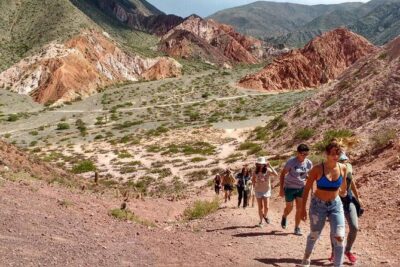
Full-Day Tour Salinas Grandes and Purmamarca from Salta
Read our review →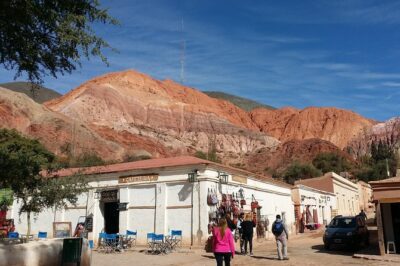
Salinas Grandes and Purmamarca: Full Day Excursion from Salta Capital
Read our review →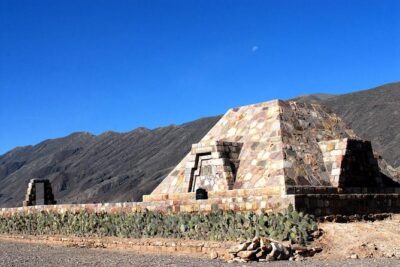
Full-Day Tour to Humahuaca, Purmamarca and Tilcara
Read our review →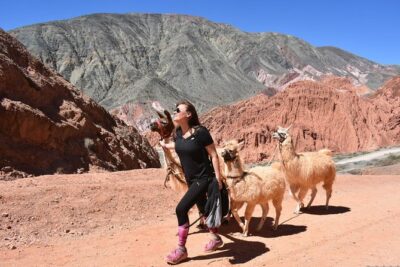
Browse the lists this tour appears in