
Reviewed · LA BOCA & CAMINITO
La Boca Out off the Beaten Track
La Boca is often sold as a photo stop. This tour treats it like a living neighborhood, where you read the past and present right on the streets. You start in La Boca, you end in Caminito, and the walk stays focused on why the barrio looks the way it does.
I love the chance to go inside a corrugated metal conventillo and the visit to Argentina’s first volunteer fire station. I also like that you get a real coffee break in an old cafe from 1882, not just a quick roadside rest.
One thing to consider is the walking and time on your feet. It is not suitable for people over 95, and La Boca can feel hot, so plan for some steady walking before you reach Caminito.
Key things you will notice on this tour
- Paola De Luca guides you with personal La Boca memories, plus clear English and Spanish
- Conventillo inside access to see how immigrant housing worked, then how it became a cultural center
- Argentina’s first volunteer fire station and the idea of neighbors helping neighbors
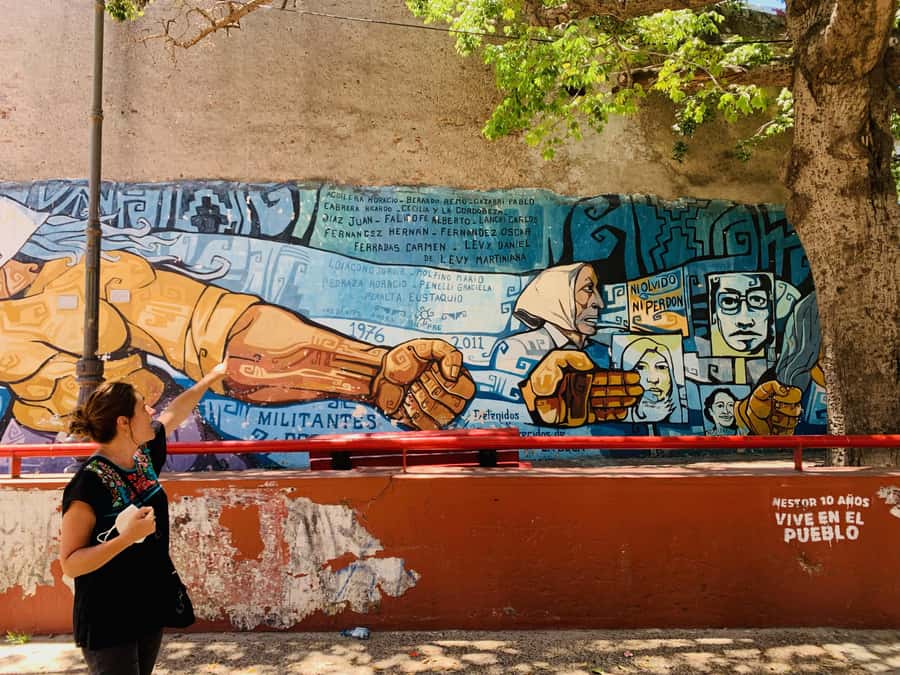
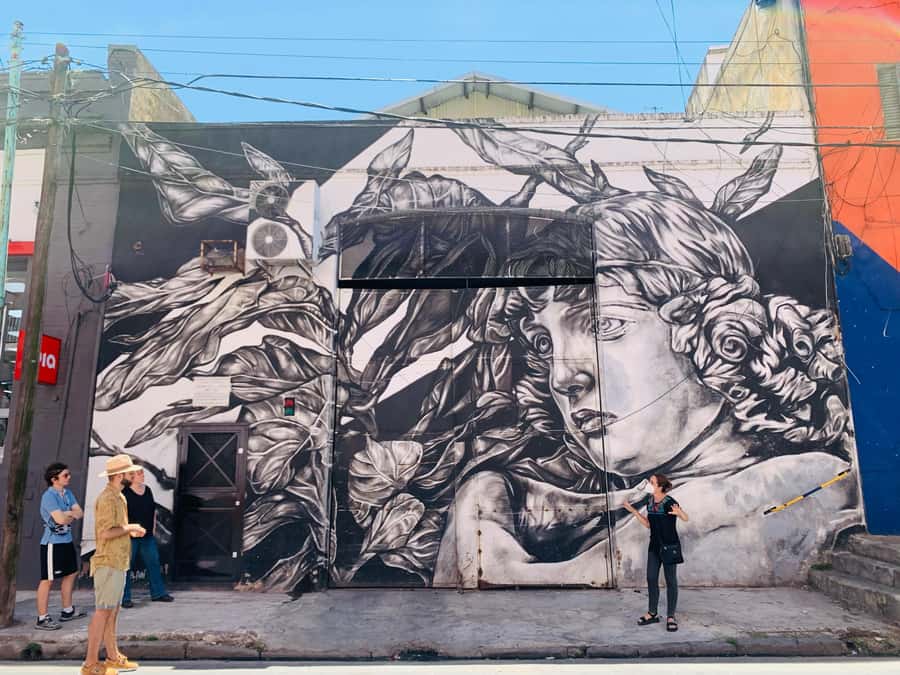
- Murals tied to social issues, not just colorful street art
- Boca icons used as context (Boca Juniors from outside and the Salesian Church as refuge)
- Caminito at the end for tango touches and fileteado details around the area
Why this La Boca walk feels different from the postcard
This experience works because it slows you down. You do not just look at La Boca, you learn how people survived here and how that shows up in art and buildings. The guide, Paola De Luca, brings both family-level familiarity and the larger Buenos Aires story of immigration and displacement.
You will get a steady thread: murals that reflect social issues, old structures tied to earlier community life, and local institutions that shaped daily survival. That combination makes the neighborhood feel understandable, not random.
The small-group format matters too. With a group limited to 10 people, the pace feels human. Paola can answer questions, point out specific details on walls and doorways, and keep the group together without rushing you.
More of La Boca and Caminito:
- Buenos Aires: La Boca Guided Walking Tour in English
★ 4.8 · 1,587 reviews - La Boca Walking Tour
★ 5.0 · 1,029 reviews - Buenos Aires: Tickets to Boca Juniors Museum & Stadium
★ 4.5 · 581 reviews
Meeting at Pedro de Mendoza and Martín Rodríguez, then heading toward the harbor
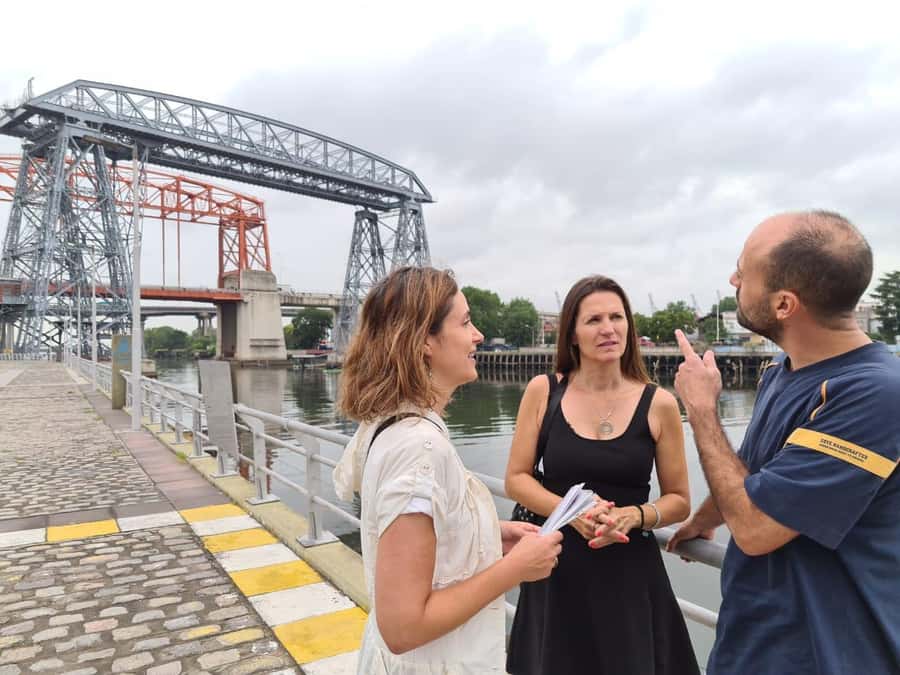
You begin right in the heart of La Boca at the corner of Martín Rodríguez and Avenida Don Pedro de Mendoza. From there, the tour heads toward the harbor area, warehouses, and a train station tied to the arrival of immigrants in earlier eras. It is a useful start point because it frames La Boca as a working arrival zone, not only a storefront for souvenirs.
This is also where you get your bearings fast. Even if La Boca already feels familiar from postcards, seeing the harbor and arrival setting first helps you connect later stops to the real pattern of movement and settlement.
Practical note: you are going to be walking for much of the 150 minutes. Wear comfortable shoes. If you are the kind of traveler who stops for photos every 20 steps, you will still have time, just know that the tour prioritizes meaning over speed.
Inside a conventillo: the immigrant tenements that became a cultural center
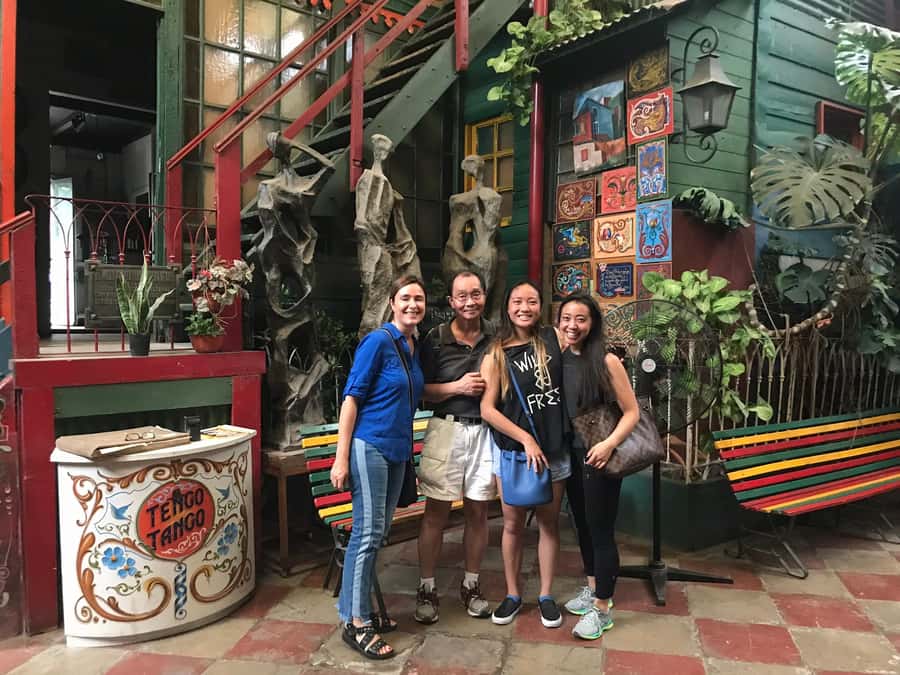
One of my favorite parts is going inside a conventillo, a type of immigrant tenement housing. In this case, you step into a space made with corrugated metal cladding, which makes the physical atmosphere feel more real than a diagram or a quick photo from the street.
Paola walks you through what these homes used to provide: shelter for people who arrived without stable local roots. Then you see how that same housing style now hosts a cultural center, which is a big theme in Buenos Aires. Places change function, but the buildings still hold memories.
Why this stop matters: when you understand housing, you start understanding everything else. Art, community groups, religious institutions, even the way the neighborhood expresses itself. It is all tied together.
Drawback to be aware of: it is an indoor visit, but not a museum that keeps you seated. You should expect a guided walk-through and standing at points where you can see details.
Argentina’s first volunteer fire station and the power of mutual aid
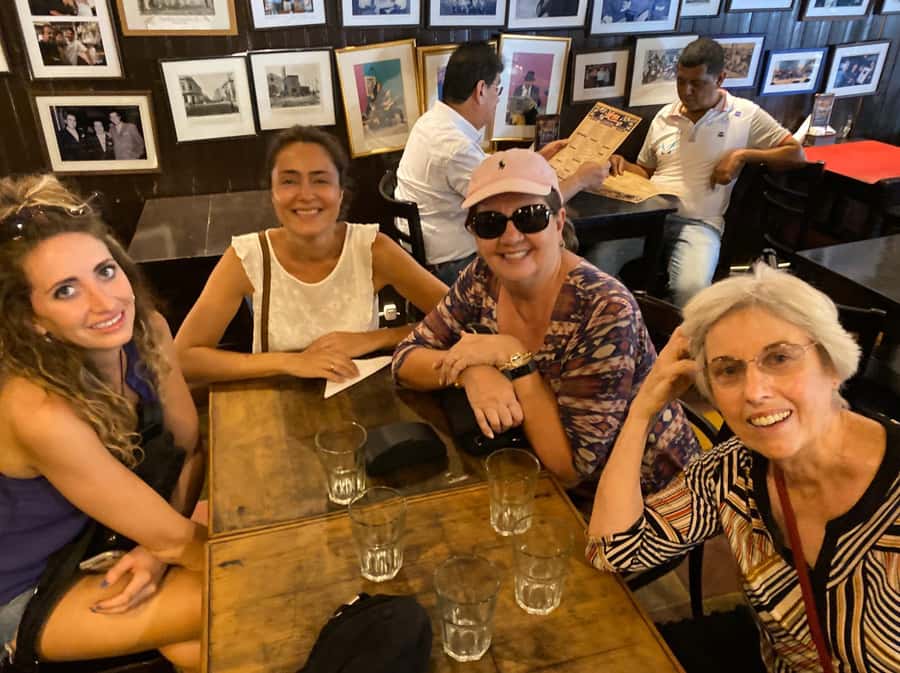
Another standout is the visit to a mutual assistance association, specifically the Volunteer Fire Department, described as the first of its kind created in Argentina. This is not a dry history stop. It shows how communities organized around practical needs long before modern services were taken for granted.
Paola’s storytelling links it to the wider idea of people pooling resources when they are vulnerable. If you like history that connects to daily life, this station is a strong fit. You come away with a clearer sense of how neighbor networks helped stabilize communities.
Value angle: your ticket includes the entrance to the station. So part of what you pay goes directly into access, not only into walking and guidance.
A few more Buenos Aires days worth comparing
- Local Foodie Adventure in Buenos Aires with Sherpa Food Tours
★ 5.0 · 6,875 reviews - Buenos Aires City Private Tour with Local Guide
★ 5.0 · 3,475 reviews - Buenos Aires Small-Group City Tour
★ 5.0 · 2,226 reviews - Buenos Aires Hop-On Hop-Off Bus, Free Walking Tours & Discounts
★ 4.5 · 2,218 reviews
Murals that tell you what people argued about and fought for
La Boca’s murals are famous. The important difference here is how you read them. Instead of treating the walls as decoration, Paola connects different mural themes to social issues and community identity.
You will see streets and corners that many casual visitors miss. That is partly route planning, but it is also the guide’s ability to point out what you would otherwise overlook: symbols, stylistic choices, and the reason a particular wall feels like a statement rather than a backdrop.
This stop is also where the tour earns its off-the-main-map title. You are not trying to recreate a checklist. You are learning how La Boca communicates.
If you are an art fan, it helps to know that this tour aims to explain the meaning behind the art, not just guide you past it. Paola’s approach is often personal, since she grew up in La Boca and remembers how the neighborhood worked.
Boca Juniors and the Salesian Church: icons, but with real context
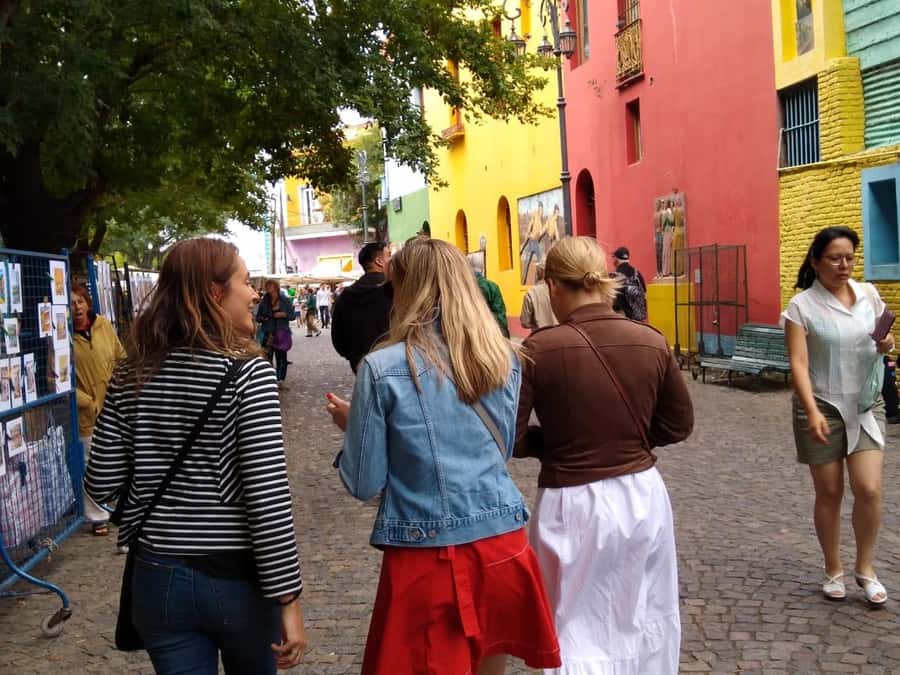
Two of the best parts of the tour are the moments where pop culture intersects with survival history.
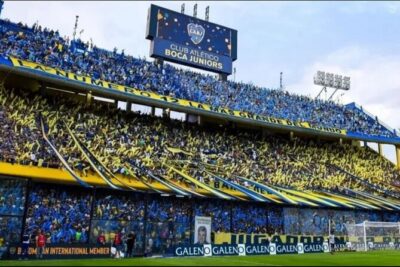
First, you see the Boca Juniors Stadium from outside. Even if you are not a hardcore football fan, the stadium works as a community anchor. In La Boca, football is not just a sport. It is a shared identity that people can rally around.
Second, you visit the Salesian Church, tied to the way religious institutions functioned as refuge for rootless communities. This is not a lecture that tries to convert you. It is context. You understand why such a place mattered to people who needed stability, meaning, and support.
Why this matters for your trip: these icons can feel like separate categories in your mind, but here they connect. Art, sport, faith, and neighborhood organizations all respond to the same human problem: how do you build a life in a place where you start out without security.
Old buildings linked to newspapers and bordellos, plus what you should watch for
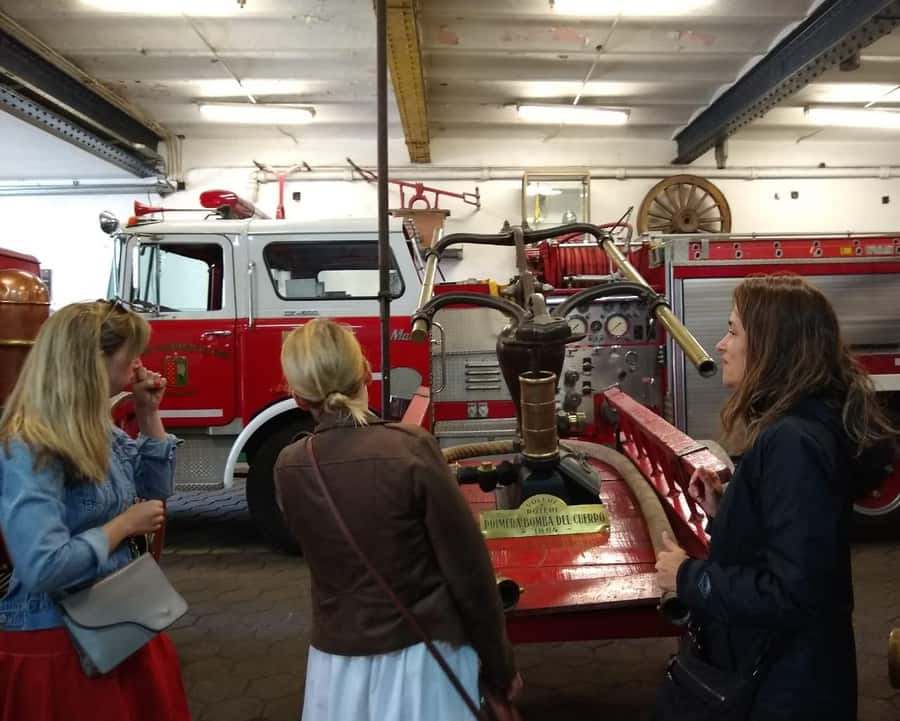
Along the way, you pass older buildings that, in the early 20th century, hosted anarchist newspapers and bordellos. Paola uses these details to show that La Boca has had many voices and tensions, not only the clean, colorful version you might see in brochures.
You are not going in circles looking for shock value. The idea is to understand the neighborhood as a working-class magnet for people who were pushing for rights, earning money in uneven ways, and building communities under pressure.
When you visit older neighborhoods, it is easy to treat everything as “then” and “now.” This tour asks you to notice continuity. You might find yourself linking a street corner you are standing on today to the role it played in community life long ago.
Caminito to end: tango touches and fileteado details
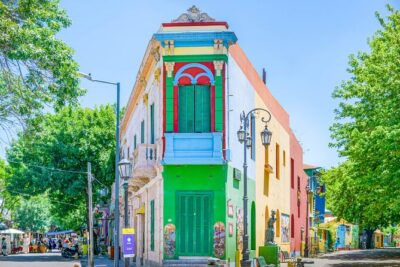
The tour finishes in Caminito, which is where you can expect the atmosphere to shift toward the street-art and performance energy people associate with La Boca. You will look for tango references and fileteado details in the corners and facades.
This end stretch is also a good time to reset your eyes. Earlier stops trained you to look for meaning in murals and architecture. Caminito then becomes easier to enjoy, because you are not just hunting for pictures. You can spot the design choices and craftsmanship that make the area feel intentionally expressive.
Practical tip: since this is the final stop, save your biggest photo session for Caminito. You will be more relaxed by then, and you will have the context to appreciate what you see.
Coffee in an 1882 cafe, and the optional Quinquela Martín museum
One of the nice touches is the coffee break. You get coffee in a notable cafe from 1882. It is the kind of pause that feels built into the culture of the neighborhood, not pasted on as an add-on.
Paola frames it as a way to slow down and share what you just learned. It also gives you a quick moment to cool off and recharge before the final stretch.
You may also see the Museum of Fine Arts of La Boca, which is part of the building connected to Benito Quinquela Martín. The tour itself does not include the ticket entrance to the museum, so if you want that extra stop, plan to add it separately.
If you like artist-centered visits, Quinquela Martín is one of the names that helps tie La Boca art to a personal legacy. Just keep in mind you would be extending your time.
Price, timing, and why the small group size is part of the value
The tour runs about 150 minutes and is priced around $35 per person. For that cost, you get entrances to the conventillo and the Volunteer Fire Department, plus the coffee. That combination is what makes it feel fair.
A lot of walking tours in big cities charge similarly but include only guide time, not paid access. Here, your money supports entry to specific places where the neighborhood’s identity is physically present.
Small group matters, too. With a max of 10 people, Paola can keep the experience personal. In the feedback for this tour, people consistently highlight that Paola’s explanations include context you do not usually get from standard sightseeing scripts, and that she checks in on comfort when the weather is intense.
Language options are also a practical win. You can join in Spanish or English, and the tour is run by a live guide (Paola De Luca is the provider name listed).
Good to know before you go (so the day stays easy)
A few rules can surprise you if you are used to casual walking tours. You will not be allowed to bring jewelry, and there is a clear no-alcohol, no-drugs policy. Electric wheelchairs are not allowed. The experience is also not suitable for people over 95.
So, pack lightly. Bring sunscreen and a hat if you run hot. Keep your phone charged for Caminito, since that is where you will likely want photos.
Should you book La Boca Out off the Beaten Track?
Book it if you want La Boca to make sense. This tour is built around explanations, not just scenery. You get inside access to the conventillo, a meaningful visit to the first volunteer fire station, and mural context that helps you read the neighborhood like a story.
Skip it only if you are mainly chasing the shortest route to the most famous photo spots with minimal walking. This is not that style. It is a slower, small-group neighborhood lesson that ends with Caminito for the fun finish.
If Paola De Luca is your guide, you will likely appreciate her approach even if you are not an expert in Argentine history or street art. She ties personal La Boca memory to the larger story of immigration, community support, and identity, so you leave with more than a few great pictures.
FAQ
Where do we meet, and where do we finish?
The meeting point is the corner of Pedro de Mendoza and Martín Rodríguez in La Boca. The tour ends in Caminito.
How long is the experience?
It lasts about 150 minutes.
What is included in the $35 price?
Entrance to the Volunteer Fire Department station, entrance to the conventillo (tenement house), and coffee are included. Food is not included.
Is the tour offered in English and Spanish?
Yes. The guide provides live tour narration in both Spanish and English.
What’s the group size?
The group is small, limited to up to 10 participants.
Are there any restrictions on what I can bring?
Jewelry is not allowed. Alcohol and drugs are not allowed, and electric wheelchairs are not allowed. The experience is also not suitable for people over 95.
Recently reviewed around Buenos Aires
- Meet Locals: Language Exchange Café in Buenos Aires★ 5.0 · 10 reviews
- Piazzolla Tango Show Only In Buenos Aires★ 4.5 · 10 reviews
- Madero Tango Show Including Executive Dinner In Buenos Aires★ 3.5 · 10 reviews
- Private City Tour & Transfer to the International Airport★ 5.0 · 10 reviews
- Esquina Homero Manzi Tango Show Ticket Including Optional Dinner in Buenos Aires★ 4.5 · 10 reviews
- VIP Dinner & Tango Show at El Viejo Almacen★ 4.5 · 10 reviews
- Premium service Buenos Aires city tour for small groups★ 4.0 · 11 reviews
- Buenos Aires City Tour★ 4.5 · 11 reviews
La Boca & Caminito, compared.


Boca Juniors Tickets for a Match at La Bombonera
Read our review →

Buenos Aires Bike Tour: San Telmo and La Boca Districts
Read our review →
Browse the lists this tour appears in