
Reviewed · BARILOCHE TOURS
OneWay Journey: from Bariloche, Argentina to Puerto Varas, Chile
If you like the idea of crossing from Argentina to Chile without flying, this Andean lakes crossing is the fun kind of travel problem. You’ll move by bus and catamaran through some of Patagonia’s best-known water routes, finishing in Puerto Varas instead of back where you started.
What I really like is how much of the day is spent actually on the water, especially around Lago Nahuel Huapi and later Lago Todos Los Santos. I also like that hotel pickup and drop-off are included, plus you get luggage allowance (1 suitcase up to 23 kg and 1 carry on up to 10 kg).
The one drawback to plan for is that it’s a long, multi-leg day. Think bus to boat to bus to boat, plus time spent on border procedures, and you may find the later lake stretches feel a bit less magical if weather isn’t cooperating.
Quick hits on this Bariloche to Puerto Varas crossing
- Hotel pickup and drop-off included, and the tour stays one-way, ending in Puerto Varas
- Catamarans on multiple lakes, with generous time on the water to enjoy the view and wildlife
- Border procedures at Puerto Frías, so expect a short processing stop as part of the rhythm
- Wildlife and photo time on Lago Nahuel Huapi, including a strong chance to see birds from the deck
- Peulla and Lago Todos Los Santos add variety, with Peulla lunch available for an extra cost and Todos Los Santos framed by volcanoes
- Small group size (max 14), which helps the day feel organized and not overly chaotic
Bariloche to Puerto Varas by boat: what you’re really buying
This is sold as a crossing, and that’s the right mental picture. You’re not doing one scenic boat ride and calling it a day. You’re traveling a full route from San Carlos de Bariloche to Puerto Varas, using a mix of lake time and overland transfers, so you experience Patagonia’s “water highways” in a single long push.
The value comes from combining three things: transportation, guided coordination, and the lake segments that make this route special. You also get that practical one-way benefit. If your trip already has you ending on the Chile side, you don’t have to go back to Bariloche, rent cars, or fight bus connections.
Your job is to match the pacing. It’s a near-12-hour day (approx.), starting at 8:00 am, so you’ll want to pack like it’s an all-day outing: sunscreen, sunglasses, and waterproof clothing if rain or mist shows up.
A few more Bariloche days worth comparing
- Bariloche: 7 Lakes & San Martin de Los Andes Road Trip
★ 4.5 · 624 reviews - German Footprint & Nazi presence – Walking Tour in Bariloche
★ 5.0 · 337 reviews - Bariloche: Circuito Chico with optional Cerro Catedral
★ 4.5 · 316 reviews
Price and budgeting: what $347 covers, and what you still need cash for
The price is $347.00 per person. For that, you get more than just a seat on transport. Included are:
- Driver/guide
- All land and lake transfers
- 1 suitcase up to 23 kg
- 1 carry on up to 10 kg
Where you’ll spend extra is mostly food and a few fees connected to ports and protected areas. The tour notes that the rate does not include port, migratory, and/or National Parks fees. On top of that, there’s a specific cash item tied to Puerto Pañuelo in Nahuel Huapi National Park: US$3.5 or AR$500, payable only in cash. There’s also an entrance fee listed as ARS 500 per person for Puerto Panuelo.
So my budgeting advice is simple: bring some cash in the local currency, and have a small amount of US dollars available too, just in case. Also plan on paying for lunch in Peulla, because food is not included. There’s a lunch stop with a stated price of US$25 per person (not included in the tour price).
Is this expensive? Compared with a basic day trip, yes. But you are paying for the one-way delivery and the coordinated route. If you’re the type of traveler who wants to sit back and let logistics handle itself, the price starts to make sense.
The 12-hour route, in plain language (bus, catamaran, repeat)
This day runs in segments, and that structure is what makes it feel like a real crossing instead of a quick excursion.
You’ll start in Bariloche, then move to a series of lake ports and viewpoints:
1) San Carlos de Bariloche
2) Puerto Panuelo (port stop)
3) Lago Nahuel Huapi
4) Puerto Frías (short border processing point)
5) Peulla (lunch break, ecological village area)
6) Lago Todos Los Santos
7) Puerto Varas (finish)
Because customs timing can affect the day, the order of stops can feel a bit slow at certain points. That’s not a reason to panic, just a reminder to pack patience. If weather is changeable, that can also influence how long crews linger for visibility and photo opportunities.
Stop 1: San Carlos de Bariloche, gateway to Nahuel Huapi National Park
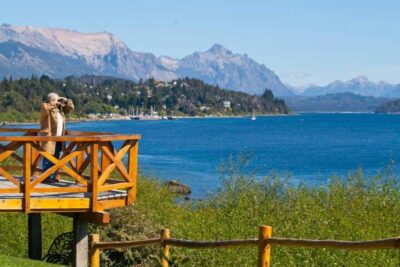
You begin in San Carlos de Bariloche, which sits inside Nahuel Huapi National Park. Even if you’re just “starting the tour,” Bariloche gives you an instant sense of the region’s character. The civic center area is known for traditional-style chocolate shops, plus hotels and restaurants that reflect the town’s visitor culture.
This first stop is about 1 hour, and there’s an admission ticket included for the included activity at the start. In practical terms, I treat this as your warm-up. Use it to orient yourself, grab water, and make sure you’re dressed for the day before you start the bus and boat rhythm.
If you’re the kind of person who hates being rushed at the beginning, you’ll likely appreciate that this first hour gives you breathing room before the long travel stretch.
A different sort of day out of Bariloche:
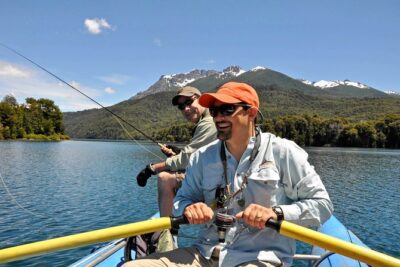
- Fly Fishing Bariloche
★ 5.0 · 305 reviews - Bariloche: German Immigration and History Walking Tour
★ 4.8 · 169 reviews - San Martín de los Andes por 7 Lagos
★ 4.4 · 155 reviews - Circuito Chico
★ 4.5 · 146 reviews
Puerto Panuelo: a port stop where you might pay extra
Next is Puerto Panuelo, a lakeside port located about 25 km from Bariloche. It’s described as being in the middle of the route between Puerto Blest and the city area, which is why it exists as a key transfer point.
The important note for your wallet is that admission is not included here. The tour also points to boarding/park fees in Puerto Pañuelo, payable in cash (US$3.5 or AR$500). Plan this stop as one where you handle payments and keep moving, not as a long sightseeing pause.
This is also one of those places where small delays can happen. If you’ve got a flexible day, it’s fine. If you’re the type who dislikes surprises, have cash ready and keep your head down.
Lago Nahuel Huapi: wildlife and deck time you’ll actually remember
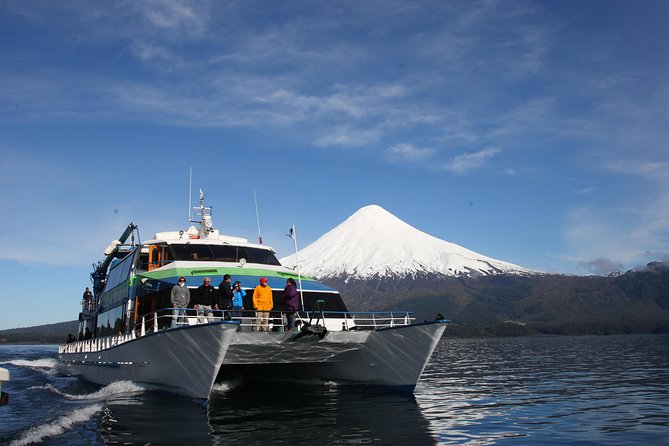
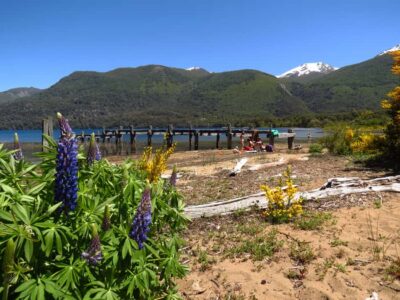
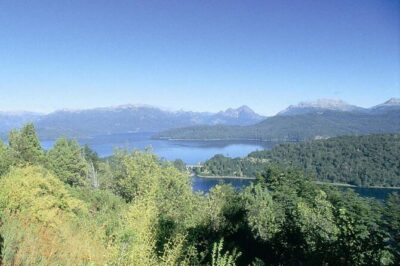
This is where the trip starts to feel like the crossing you were hoping for. You get about 2 hours on Lago Nahuel Huapi, and the tour specifically highlights the chance to see wildlife and birds.
The lake area is known for birds and animals including condors, eagles, and deer. I love that this stop isn’t just about pretty water. It’s about what you can spot from the deck with the right tools. Bring binoculars if you have them, and have your camera ready early. Birds show up when you’re paying attention, not when you’re thinking about it.
This stop also includes an admission ticket. In practice, that tends to mean you’re getting a planned activity and viewing time, not just a quick dock-and-go moment.
If the weather is clear, you’ll feel like the day is “working.” If it’s rainy, the water time still has value, but you may have fewer sharp photo moments.
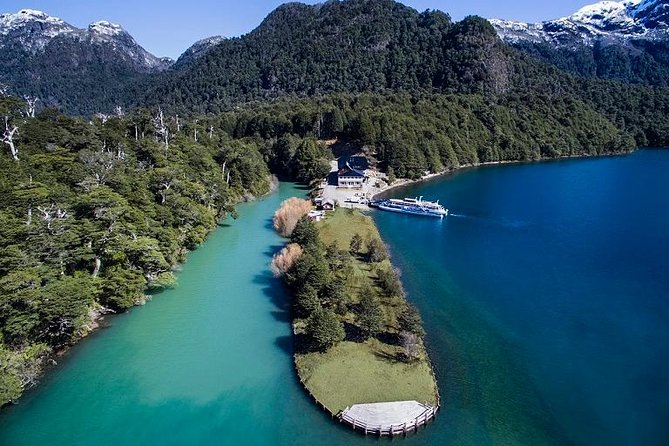
The Frías River meeting the lake near Puerto Frías, plus border procedures
After your Nahuel Huapi time, the route moves through a scenic section described as a mix of native forests and Patagonian water channels. This is where the green waters of the Frías River meet the blue waters of Lake Nahuel Huapi. The tour also calls out the Valdivian Forest, noting that cold forest ecosystems like this are found in only a few places worldwide.
You then reach Puerto Frías, where the lake stop is short: about 20 minutes with an admission ticket included.
Puerto Frías is important because it’s where border procedures for Chile-Argentina are handled. That’s the practical reason you might feel the day “slow down” briefly. It’s also why the crossing is efficient overall. Instead of scattering paperwork all over the route, they bundle it into this port stop.
My practical tip: keep your passport and any requested documents easy to reach, and use this short pause to re-check layers. Even in decent weather, Patagonia lake air can chill you fast.
Peulla: lunch break, ecological village vibes, and an easy reset
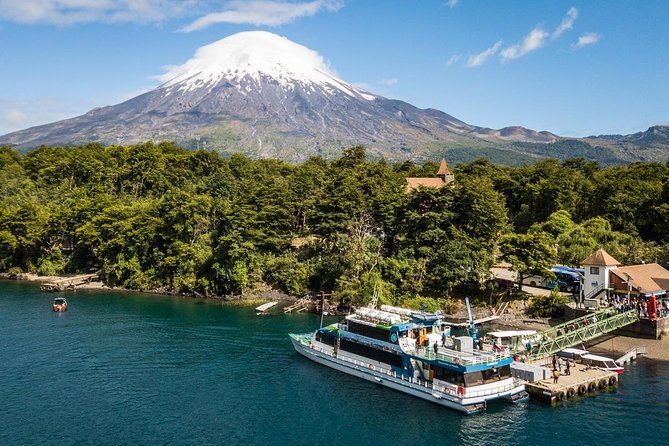
Then comes Peulla, a stop built for recovery as much as sightseeing. You get around 2 hours here, which is exactly what you want after a long sequence of docks and transfers.
Peulla is described as a small ecological village, recognized as the most sustainable location in Chile. There’s also an explicit note that lunch is available during the trip but is not included. The lunch price is listed as US$25 per person, so if you’re budgeting, treat lunch as an add-on.
If your priority is food, don’t wait until the last minute. This schedule gives you time to eat without stress, plus a chance to walk around at a relaxed pace for a change of scene.
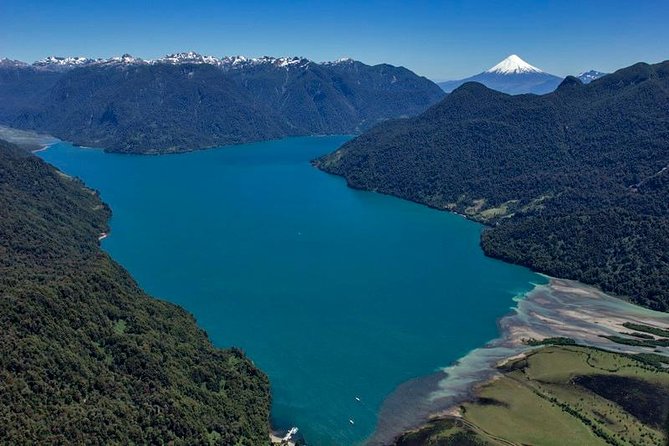
Lago Todos Los Santos: emerald waters and the volcano horizon
Next is the biggest “final act” water portion: Lago Todos Los Santos. You get about 2 hours here with an included admission ticket.
The tour describes the scenery as emerald waters with evergreen forests around the hills. It also calls out potential sightings such as waterfalls and views of peaks from the catamaran deck.
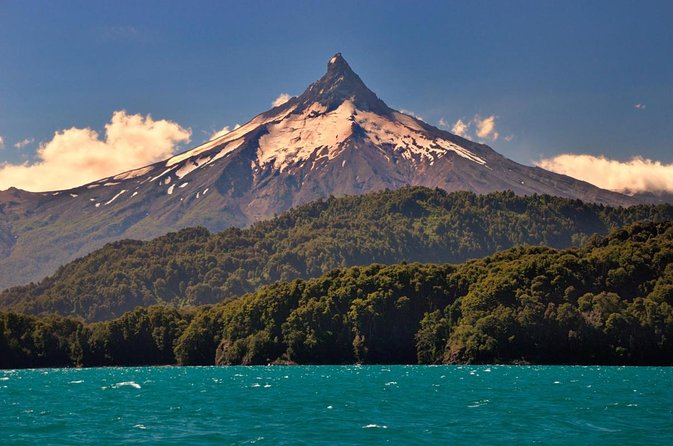
The volcano lineup mentioned is especially useful for planning your photos. You may see Mount Tronador, along with the volcanoes Osorno and Puntiagudo. If you like having something concrete to look for, this stop gives you a clear list, not just vague “good views.”
A weather note matters here. On days with low clouds, volcano views can fade. But even then, the combination of water color and shoreline forest still tends to feel special.
Arriving in Puerto Varas: finish your crossing on Chilean time
You finish in Puerto Varas, which is near Puerto Montt. This final stop is about 1 hour, with admission listed as free here.
Puerto Varas is known for a very “lived-in” feel: international gastronomy, Chilean wine, and nearby sights including Frutillar. Frutillar is described as a city tied to German pioneers, with customs and cultural influence from those early settlers.
The tour also points out dramatic volcanic beauty nearby, again calling out Osorno and Calbuco. And because the stop is near the end of a long day, I treat this as your moment to look, eat if you need to, and plan your evening.
One-way trip reality check: this tour does not include lodging in Puerto Varas, so you’ll want your Chile stay booked for the night you arrive.
What the small group size changes (max 14)
This crossing runs with a maximum of 14 travelers. That may not sound huge, but it changes the feel of transfers. Smaller groups usually mean less waiting, less jostling on boats, and a guide who can manage the flow without everything turning into a shuffle.
It can also affect how smoothly luggage moves. Even with good organization, in a one-way route you should expect at least some walking with your suitcase. If you care about minimizing stairs and long pulls, confirm your exact hotel pickup and drop-off logistics before you go.
Comfort and practical tips that make the day easier
Here’s how to pack for this specific style of travel:
- Wear comfortable shoes because you’ll be moving between bus and boat ports.
- Bring waterproof clothing and a layer you can put on quickly. Patagonia weather can switch fast.
- Use sunscreen and sunglasses. Even with clouds, lake reflection can be bright.
- Bring binoculars if you have them. Lago Nahuel Huapi has wildlife potential, and deck time is your best viewing window.
- Keep luggage and passport access simple during the Puerto Frías border procedures.
Language note: the tour uses a driver/guide and provides commentary at stops, but you shouldn’t assume every departure offers easy-to-hear narration in your language. If you rely on audio for explanations, plan to complement that with your own reading and photo time.
Who should book this one-way Andean crossing, and who should skip it
This is a great match if you:
- Want a one-way route from Argentina to Chile without planning transfers yourself
- Like wildlife spotting and looking for named peaks from the water
- Prefer a guided logistics day where you can just show up and go
- Are okay with a long day that’s intentionally structured around multiple travel legs
I’d think twice if you:
- Want a short, low-effort day. This is an all-day crossing.
- Are extremely sensitive to late lunch timing. The lunch stop is in Peulla, but border timing can affect how the day feels.
- Expect the best scenery to last all day no matter the weather. The first lake section tends to deliver the most immediate wow, and later stretches can feel more weather-dependent.
Should you book it? My decision guide
Book it if your trip plan already needs to end in Puerto Varas, and you want the route itself to be the experience. The combination of catamaran time, a clear sequence of stops, and included pickup and drop-off is exactly what makes this valuable.
Skip it if you want a cheap, flexible alternative or if you only care about one boat ride. In that case, you might be happier with a shorter excursion based on whichever lake day looks best in the forecast.
If you do book: pack for weather, bring binoculars if you can, and budget a small amount of cash for port or park fees around Puerto Pañuelo. Do that, and the day will feel like a smooth crossing instead of a scramble.
FAQ
How long does the Bariloche to Puerto Varas crossing take?
It runs for about 12 hours (approx.), starting at 8:00 am. The exact pacing can shift due to border procedures and the time spent at each port.
What’s included in the tour price?
The price includes a driver/guide, all land and lake transfers, and luggage allowances of 1 suitcase up to 23 kg plus 1 carry on up to 10 kg.
Is food included?
No. Food and drinks are not included. There is a lunch opportunity in Peulla for US$25 per person, which is not included in the tour price.
Are there extra fees I should expect to pay?
Yes. The tour notes it does not include port, migratory, and/or National Parks fees. It also specifies cash payment for boarding/park fees in Puerto Pañuelo (Nahuel Huapi National Park) at US$3.5 or AR$500. The Puerto Panuelo entrance fee is listed as ARS 500 per person.
Is this trip round-trip or one-way?
This is a one-way journey. It starts in Bariloche and ends in Puerto Varas, and the activity ends in a different location.
Can I cancel for a full refund?
Yes. You can cancel for a full refund if you cancel at least 24 hours before the experience start time. Cancellation within 24 hours does not refund the amount paid.
Recently reviewed around Bariloche
- Exclusive Sailboat Trip through the Lakes of Bariloche★ 4.0 · 9 reviews
- Snow excursion in Bariloche – Suitable for the whole family★ 4.5 · 3 reviews
- Private Transfer from the Airport to Bariloche Center★ 4.5 · 73 reviews
- Transfer from the Airport to Bariloche★ 3.5 · 4 reviews
- Tour with Navigation to the Arrayanes Forest and Victoria Island★ 4.0 · 48 reviews
- Kayak paddling adventure around Bariloche★ 5.0 · 49 reviews
- GERMAN TREKKING TO BERGHOF – Mountain stories★ 4.5 · 4 reviews
- 10 Secrets of Bariloche, Nahuel Huapi, and Patagonia★ 5.0 · 46 reviews
Bariloche Tours, compared.
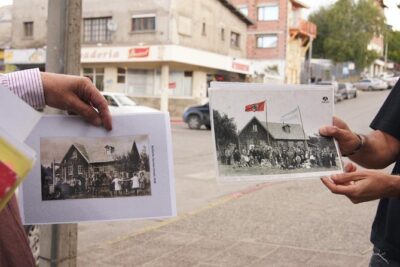
German Footprint & Nazi presence – Walking Tour in Bariloche
Read our review →
Bariloche Small Circuit: Mt Campanario and Llao Llao Peninsula
Read our review →Browse the lists this tour appears in