
Reviewed · QUEBRADA DE HUMAHUACA
Salta: Quebrada de Humahuaca and Purmamarca Day Trip
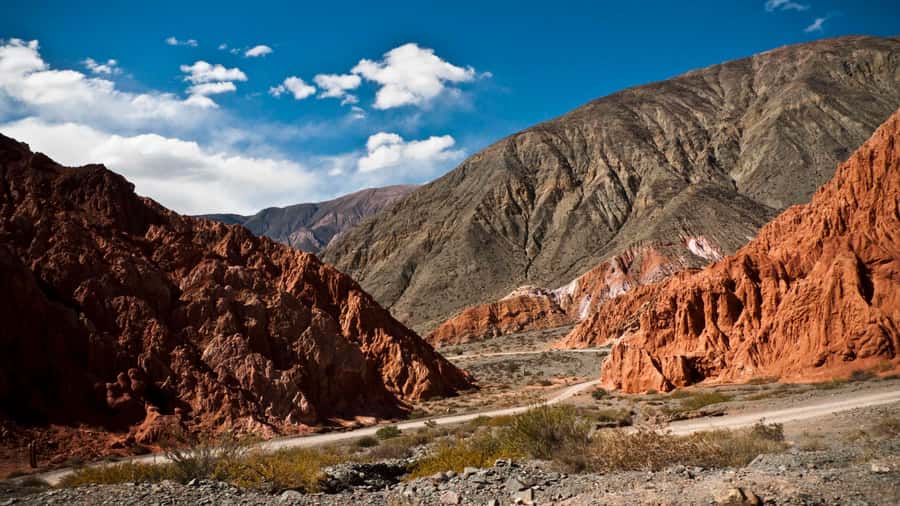
Quebrada de Humahuaca has the kind of geology that looks like it got hand-painted. Add Purmamarca’s famous hills and the religious art around Uquía, and you get one long day of scenery plus culture that feels bigger than a “day trip” should.
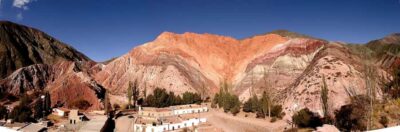
I particularly like the 7-colored hill and Purmamarca’s square stop. It’s an easy, walkable introduction to the region, and you can actually linger over the details instead of just passing through.
The other thing I like is the variety packed into the drive: Tilcara ruins, Humahuaca, and San Salvador de Jujuy in one shot. One drawback to plan for, though, is time. At 13 hours, you’ll spend real chunks on the road and you should expect structured stops, so go in ready for a guided pace rather than a slow, independent wander.
Key highlights to look forward to
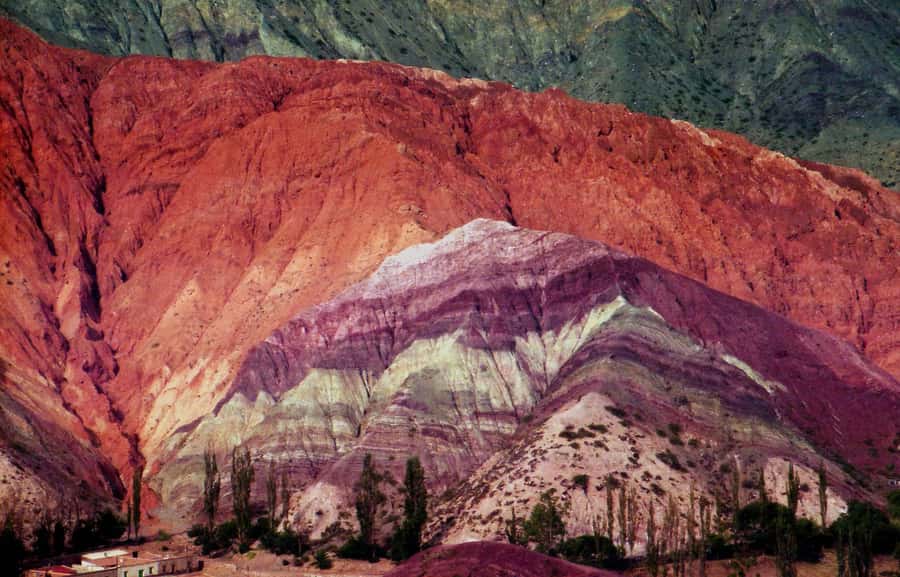
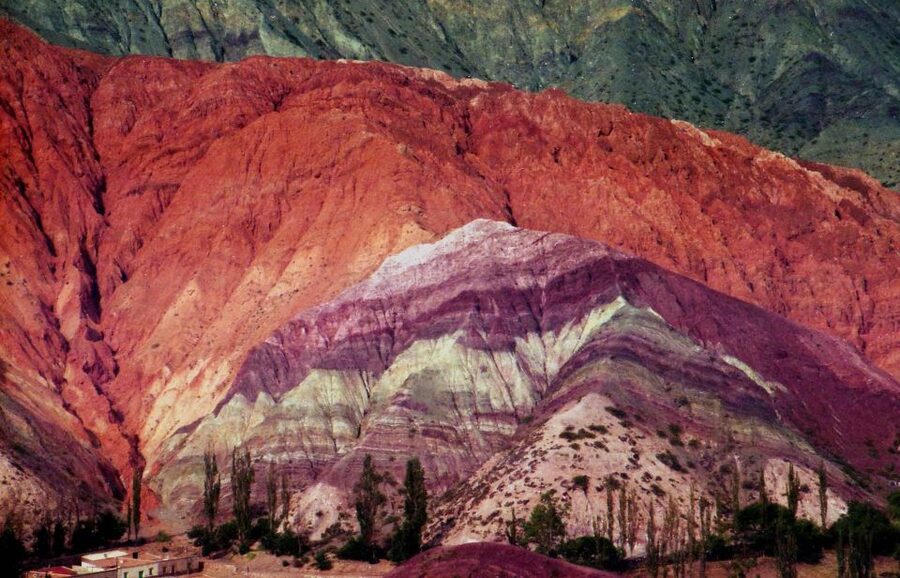
- Purmamarca’s seven-colored hill for iconic views and great photo angles
- Tilcara Ruins and the archaeological museum, with one entrance fee to budget
- Tropic of Capricorn moment, plus viewpoints like La Pollera de la Coya and La Paleta del Pintor
- Uquía’s church and Arcabuceros Angels paintings, a smaller stop with standout art
- Humahuaca’s independence monument by Soto Avendaño and a major local church
- San Salvador de Jujuy sights, including the Flag Hall and the cathedral pulpit of carved wood and gold
Why this Salta day trip hits the sweet spot between scenery and culture
This route works because it does two things well. First, it gives you the headline views people come for in Quebrada de Humahuaca. Second, it layers in enough towns and monuments that the day feels like more than just “look out the window.”
In practice, that means you’ll go from high-color hills in Purmamarca to archaeological remains in Tilcara, then to religious art and a national independence monument in Humahuaca. By the time you reach San Salvador de Jujuy, you’re also getting a city-side payoff with the cathedral’s standout wood-and-gold pulpit and Lola Mora statues.
If you want a single-day overview with a guided hand, this is a strong format. If you want maximum free time in each town, it helps to know the schedule is built for coverage.
More Day Trips in Salta
- From Salta: Full-Day Trip to Salinas Grandes and Purmamarca
★ 4.6 · 914 reviews - From Salta: Cafayate Day Trip with Wine Tasting
★ 4.4 · 226 reviews - One Day Tour of Cachi and Calchaquí Valleys from Salta
★ 4.0 · 102 reviews
Price and timing: what $111 per person really buys you
At $111 per person for a 13-hour excursion, you’re paying for more than the drive. You’re getting round-trip hotel transfers in Salta and a bilingual guide (Spanish and English), which usually saves you from figuring out routes, timing, and stop logistics on your own.
Food is not included, and there’s also an entrance fee for Tilcara Ruins that you’ll need to cover separately. So, budget for at least one lunch stop and plan for that ruin ticket if it applies during your visit.
The day starts with hotel pickup in Salta, but the guided experience effectively begins once you arrive in Purmamarca village. Expect a full schedule, not a relaxed half-day. Bring comfy shoes and a daypack, not heavy luggage.
Purmamarca village: seven-colored hill, church, and the craft market square
Purmamarca is the kind of stop that instantly changes how you see the region. You arrive and the first thing on your mind becomes color, because the hills are famously layered, giving the 7-colored hill its reputation.
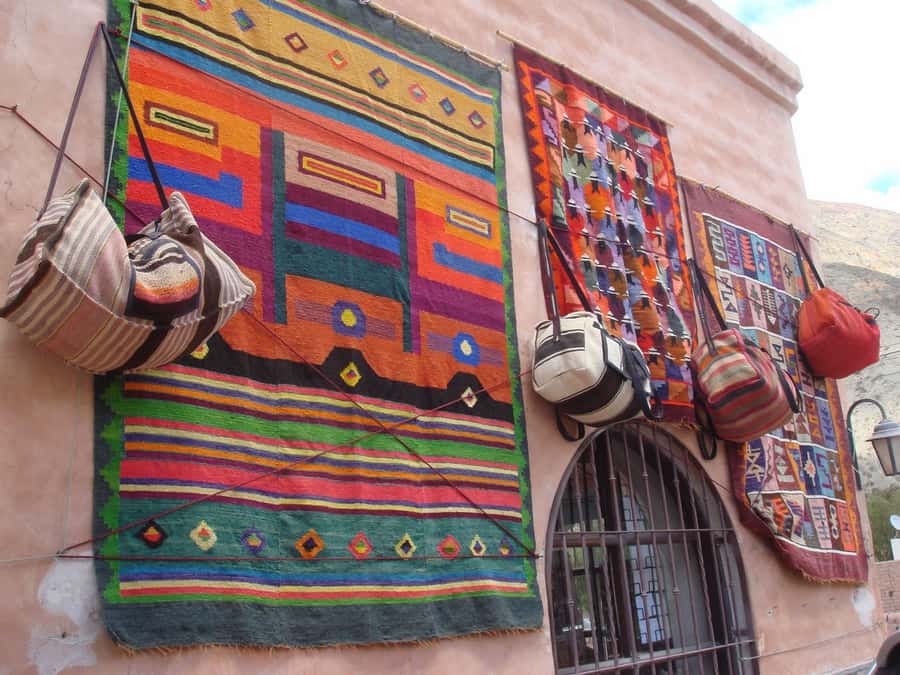
You’ll also walk through the village center for a short stretch. This is one of the better parts of the day because it’s not just a photo pull-off. You get a brief stroll along narrow streets, plus time at the main craft market on the square, where you can browse local goods at your own pace.
There’s also a church stop in Purmamarca, which matters more than you’d think. In this part of Argentina, religious buildings often act like social anchors, so it helps you understand why the towns feel the way they do even when everything is small and spread out.
Practical tip: if you want shopping time, Purmamarca is the most natural place to do it. It’s compact, so you don’t burn energy zigzagging across a big city to find souvenirs.
Tilcara ruins and the archaeological museum: the ticket you may need
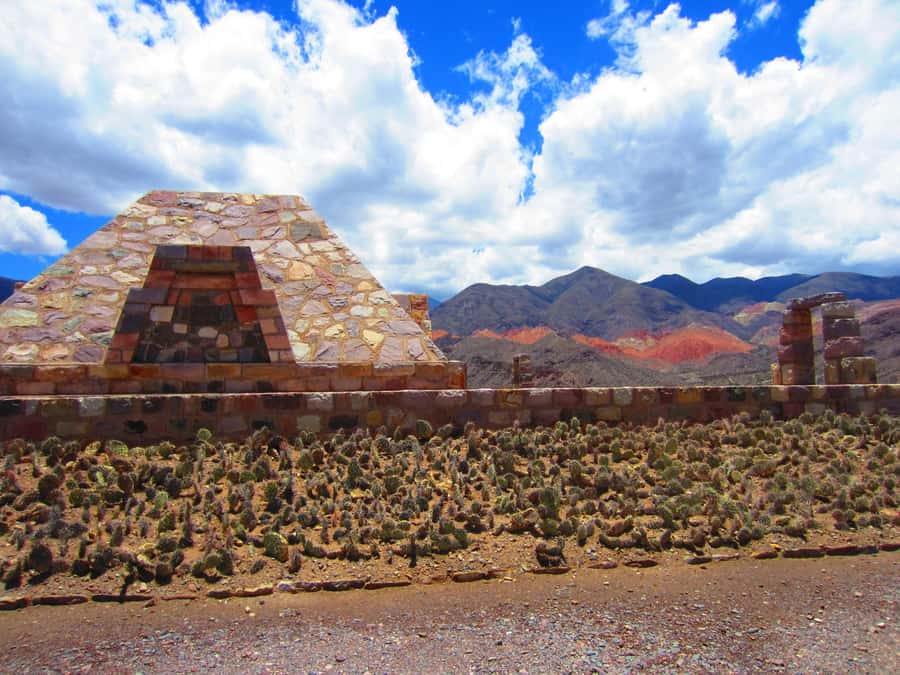
Next comes Tilcara, and this is where the day shifts from “wow, look at that” to “how do we know this place mattered.” You visit the ancient ruins and the archaeological museum, which gives context to what you’re seeing instead of leaving you with only exterior impressions.
One important note: the entrance fee to Tilcara Ruins is not included. That’s not a dealbreaker, but it is a cost item you should plan for so you’re not surprised when you get there.
Tilcara is also a useful pacing break. Ruins and museum time help you slow down for a bit in a day that otherwise has long stretches of road travel. If you’re the type who likes to connect visuals to meaning, this stop is a highlight.
Wear shoes that can handle uneven ground. Even if you’re not climbing aggressively, ruins areas often have surfaces that are less forgiving than a sidewalk.
More Quebrada de Humahuaca trips:
- From Salta: Salinas Grandes, Purmamarca & Los Colorados Hike
★ 4.3 · 356 reviews - Full-Day Tour Salinas Grandes and Purmamarca from Salta
★ 4.0 · 220 reviews - Salinas Grandes and Purmamarca: Full Day Excursion from Salta Capital
★ 4.5 · 207 reviews - Full-Day Tour to Humahuaca, Purmamarca and Tilcara
★ 4.0 · 203 reviews
Crossing the Tropic of Capricorn, plus La Pollera de la Coya views
This portion of the day is about perspective, not ticking boxes. You cross the Tropic of Capricorn, which gives you a neat geographic marker to anchor the trip. It’s the kind of moment that helps your brain understand the latitude and climate shift, even when you’re surrounded by dramatic mountain colors.
You’ll also get viewpoint time for La Pollera de la Coya. That name is tied to distinctive rock formations, and the value here is the way the guide frames what you’re seeing. Rather than treating it as a random photo stop, the stop is designed to help you read the geology and the shapes that give this region its signature look.
Because these are viewpoint-style moments, plan to move quickly. Bring your camera-ready mindset, but don’t expect a long hangout.
Uquía church and the Arcabuceros Angels paintings: a smaller stop with real punch
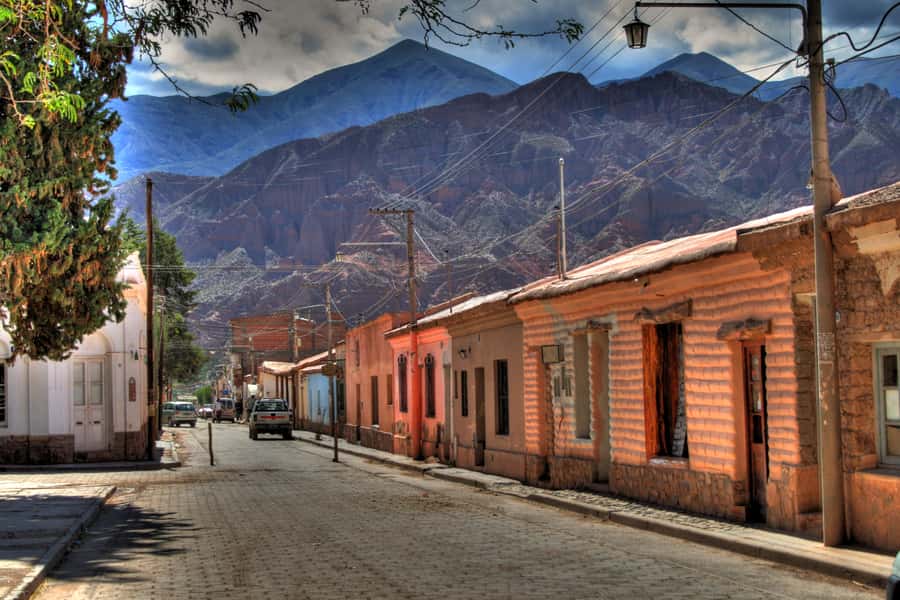
Uquía is easy to overlook on a map, which is why it’s a good inclusion. You’ll visit the church where the paintings of the Arcabuceros Angels are housed.
This is the kind of cultural stop that adds depth. The day is packed with bright scenery, but the church and its art give you a different entry point, one rooted in local tradition and religious iconography. Even if you’re not a museum person, this is the sort of detail you remember later because it breaks up the “drive and look” rhythm.
If you like religious art, churches can be your favorite part of an otherwise fast day. Here, it’s more than a quick doorway photo, because the paintings are the point.
Humahuaca around noon: independence monument by Soto Avendaño and a major church
You reach Humahuaca around noon, which is convenient. It lands you in town at a time when you can reset, stretch, and then get ready for lunch.
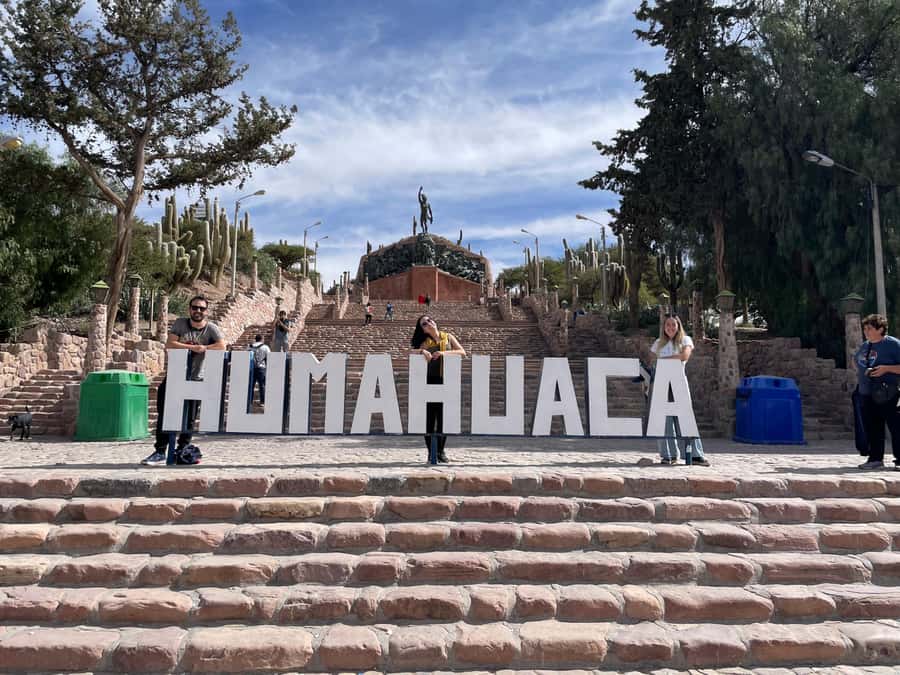
Humahuaca has an important church, plus an independence monument by the sculptor Soto Avendaño. That combination matters because it connects spirituality, civic pride, and national story in one stop. The independence monument is a strong anchor, and it gives the day a sense that Quebrada de Humahuaca isn’t just scenic, it’s also historically meaningful.
There’s also time for lunch, but food and beverages are not included. Plan to eat here because it’s partway through the day, when you’re most likely to want a full meal instead of snacks.
Practical tip: if you’re sensitive to altitude effects, take your time between stops. You’ll be moving steadily, so treat noon as your checkpoint.
Maimara, La Paleta del Pintor, and the drive toward San Salvador de Jujuy
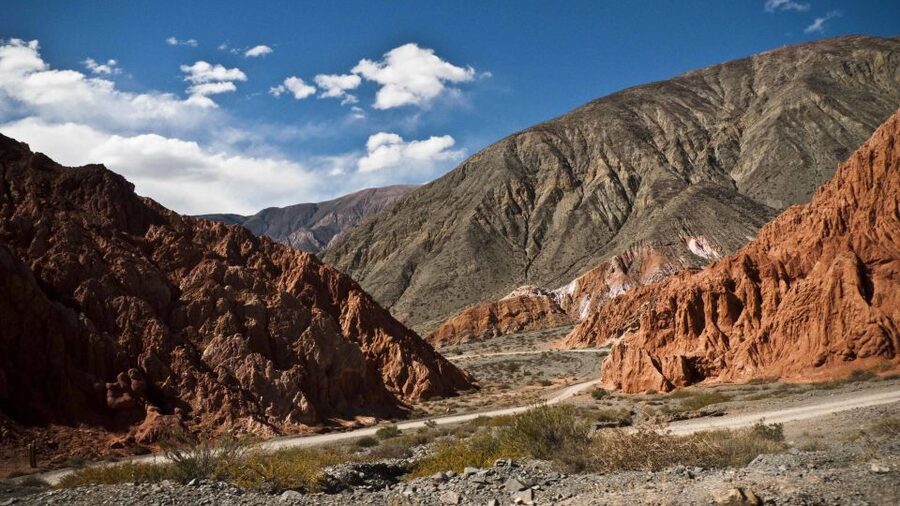
After Humahuaca and lunch, the route continues with a scenic pass toward Maimara. You’ll drive past La Paleta del Pintor, which frames the town of Maimara.
This is another “read the land” moment. It’s not a museum stop, but it’s designed to show you how the geology creates the color drama that defines the valley. If you’ve been photographing all day, this is one of the segments where your photos will look most like the postcards, because the framing is part of the route.
Then you continue on to San Salvador de Jujuy, which adds a different flavor at the end of the day. Think of it as the payoff section that shifts from towns along the valley to a regional capital with bigger civic buildings.
San Salvador de Jujuy: Flag Hall, cathedral pulpit of carved wood and gold, and Lola Mora statues
San Salvador de Jujuy is where the tour turns from mountain towns to a more formal city experience. You’ll see the Flag Hall and visit the Cathedral, with a particularly eye-catching pulpit of carved wood and gold.
The cathedral also includes statues by Lola Mora, which is a real highlight if you like art and sculpture. This is the kind of detail that makes the end of the day feel worth it, especially after a long run of smaller stops.
Because this is near the end of a 13-hour day, keep your energy realistic. The city sights are meaningful, but you’re not going to have hours to wander. Go in knowing you’re here for specific highlights, not for a deep, independent exploration.
The long return to Salta: Route 9, El Abra of Santa Laura, and dam views
On the way back, you drive via National Route 9. The itinerary calls out subtropical vegetation along the route, which makes the return feel like a transition rather than pure repetition.
You’ll also pass El Abra of Santa Laura, La Cienaga dam, Las Maderas, and Campo Alegre. Even if some of these stops are mostly about views from the road, they help break up the “same scenery” feeling that can happen on long drives.
Route 9 is the spine of the region, so you’ll often notice how the environment changes as you move back toward Salta. If you get motion sensitive, plan for a bit of bus time with water and a moment to breathe when you can.
The guide and group vibe: bilingual clarity, plus how to make the day feel right
You’ll have a Spanish/English speaking guide, and the experience is built around their explanations and timing between stops. That matters because a lot of the value in Quebrada de Humahuaca is in knowing what you’re looking at, even during quick stops.
One guide experience stood out for me: one operator was reported as switching languages beyond the expected two, including Italian, while staying cordial and informed. You should still assume Spanish and English are the reliable base.
Group tours work best when you lean into them a little. Let the guide set the pace, then decide where you want to slow down. If you’re the type who hates being rushed, you may want to choose your best photo spots early so you’re not constantly shifting priorities.
Shopping stops and timing: keep your expectations aligned
A common risk with day trips like this is that the schedule can feel like it has extra “pause points.” This tour absolutely includes a craft market in Purmamarca, which is a good use of time because it’s tied to place and it’s walkable.
Still, the broader day is designed for coverage. That means you may encounter additional stops where you can buy things, stretch, or regroup. If you want a day that feels purely like sightseeing, you’ll need to be honest with yourself about the tradeoff: you’re using this day to see a lot, not to linger.
My advice: set a personal goal. Pick one “buy something” stop (Purmamarca fits best) and let everything else be about photos and understanding, not shopping.
What to bring, and what the no-large-luggage rule means
This is a long, full day, so think practical. Bring your passport or ID card and wear comfortable shoes. A daypack with water and a light layer is usually enough for a tour day.
Also, large bags are not allowed. That’s important, because it affects how you pack. Leave big suitcases behind and bring only what you can comfortably carry. You’ll move between buses and towns, and you don’t want luggage stress to eat up your energy.
If you’re taking photos, bring a fully charged phone or camera battery. Stops are time-boxed, so you’ll want to be ready when the view hits.
Who should book the Quebrada de Humahuaca and Purmamarca day trip?
This tour is a good match if you:
- Want to see multiple key towns in one day without planning your own route
- Like guided context at ruins, churches, and monuments
- Are comfortable with a packed schedule and real time on the road
- Want a mix of iconic views and tangible culture, including Uquía’s Arcabuceros Angels and Humahuaca’s independence monument
You might rethink it if you prefer slow travel and lots of unstructured time in each place. The day is built for highlights, so solo wandering is limited.
Should you book this tour?
I’d book it if your priority is value in the form of coverage, guidance, and a ready-made route through the best-known places of Quebrada de Humahuaca plus San Salvador de Jujuy. The bilingual guide and round-trip transfers remove the biggest planning headaches, and the stops are varied enough that the day doesn’t feel repetitive.
Skip it or choose another option if you strongly dislike shopping pauses or you want long breaks in just one or two towns. At 13 hours, the pacing is the deal.
If you do book, plan smart: budget extra for Tilcara Ruins and lunch, pack light because large luggage is not allowed, and keep your expectations realistic. You’ll still end the day with photos and memories that look like the region’s greatest hits, not like a hurried checklist.
FAQ
Where does the tour pick me up?
Pickup is included from your hotel in Salta. The experience effectively begins once you arrive in Purmamarca village.
What languages will the guide speak?
The guide provides Spanish and English.
What sights are included in the day?
You’ll visit Purmamarca, Tilcara (including the ruins and archaeological museum), Uquía, Humahuaca, San Salvador de Jujuy (Flag Hall and the Cathedral), plus scenic passes such as the Tropic of Capricorn and La Paleta del Pintor.
Is food included?
No. Food and beverages are not included, so you’ll need to plan for lunch.
Do I need to pay any entrance fees?
The entrance fee to Tilcara Ruins is not included.
Is luggage allowed?
No. Large bags or luggage are not allowed on this tour.
Recently reviewed around Salta
- Exclusive day-long private tour of Cafayate vineyards★ 5.0 · 10 reviews
- Cachi and Los Cardones National Park from Salta★ 4.5 · 11 reviews
- Cafayate Wine Trail Excursion: Explore Salta’s Vineyards★ 3.5 · 11 reviews
- Salta: Calchaquí Valley Scenic Drive and Day Trip to Cachi★ 3.5 · 11 reviews
- From Salta: Pack of 4 Excursions in Salta and Jujuy★ 4.0 · 13 reviews
- The Calchaqui Valley Winery and Scenery Tour in Cafayate★ 3.5 · 14 reviews
- Cafayate, Vineyards and Calchaquies Valleys Tour from Salta★ 4.0 · 14 reviews
- Train to the Clouds Experience Admission Ticket★ 4.0 · 22 reviews
Quebrada de Humahuaca, compared.
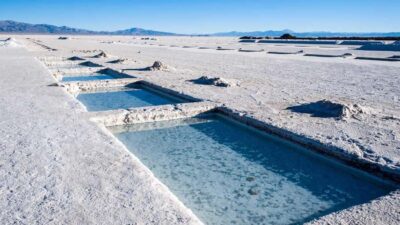
Full-Day Trip to Salinas Grandes and Purmamarca
Read our review →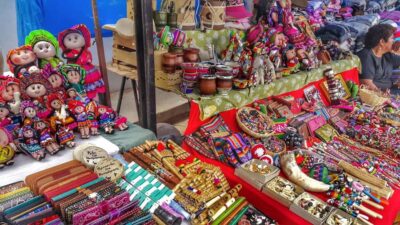
Salinas Grandes, Purmamarca & Los Colorados Hike
Read our review →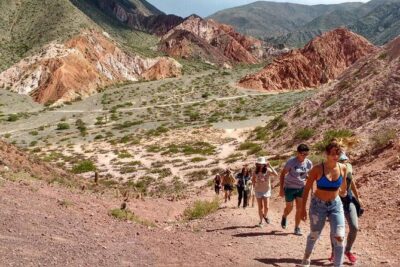
Full-Day Tour Salinas Grandes and Purmamarca from Salta
Read our review →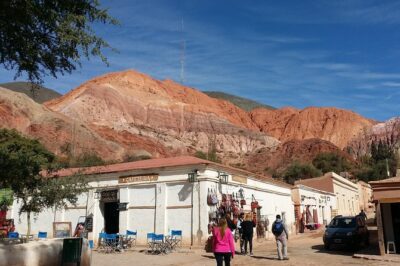
Salinas Grandes and Purmamarca: Full Day Excursion from Salta Capital
Read our review →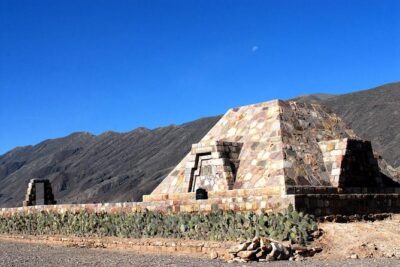
Full-Day Tour to Humahuaca, Purmamarca and Tilcara
Read our review →
Browse the lists this tour appears in