
Reviewed · SCOOTER RENTALS
Tour Buenos Aires in one day on Electric Scooters
Riding an electric scooter through Buenos Aires hits a sweet spot of city sights plus street-level fun. I especially love the way this route mixes big landmarks with Argentine food breaks, and how you get to sample staples like mate and alfajor without turning the day into a food tour. One watch-out: you need solid balance, because this is not for people who do not know how to ride a bicycle.
The pace feels built for real travel life. You’ll cover about 16 km in roughly 5 hours, stopping often enough to take photos, ask questions, and absorb the stories behind what you’re seeing. If you get nervous on two wheels or have mobility issues, think carefully before booking.
Key highlights you will feel immediately
- 16 km, 5 hours, lots of stops so you see more than a walk, without rushing nonstop
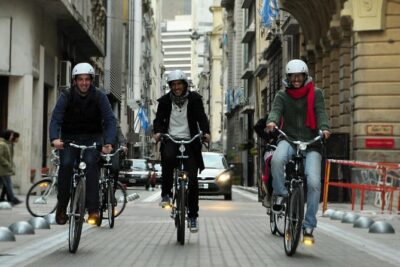
- Helmet and reflective belt included, plus the guide shows you how to use the scooter before you go
- Argentina in snack-sized tastings, with mate, alfajor, fernet, and chipá
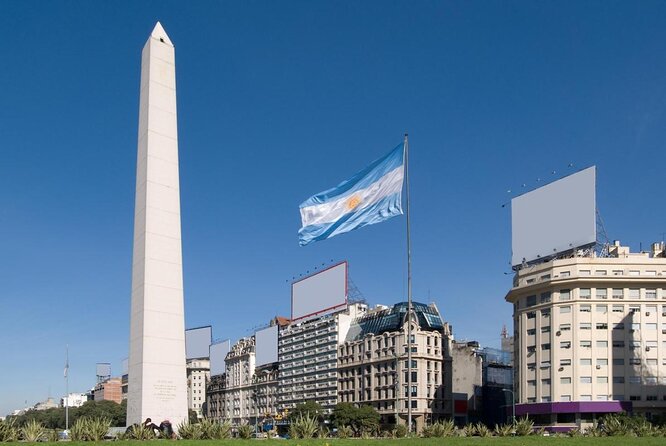
- A route packed with icons, from the Obelisco to Recoleta Cemetery and Palermo’s Plaza Serrano
- Small group size (max 9) which keeps the vibe calmer and the pacing more human
Rolling Through Buenos Aires on Electric Scooters: The point of the day
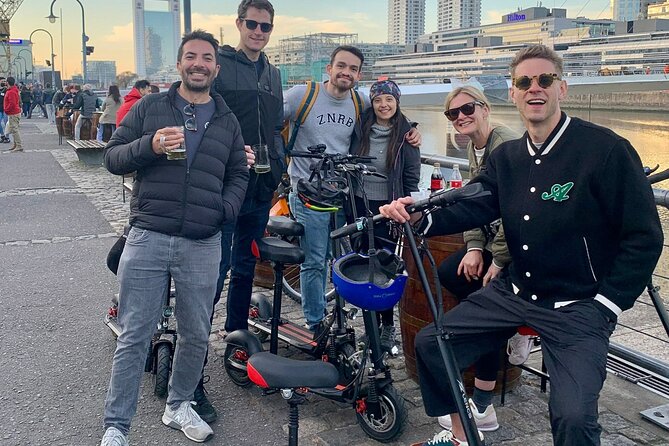
This tour is built around a simple idea: in a big city, a car feels like a bubble, and walking can feel too slow. An e-scooter cuts the gap. You get motion, breeze, and quick access to landmarks that would take you forever to stitch together on foot.
The tour covers around 16 km over about 5 hours. That distance matters. It’s far enough to feel like a real excursion, not a quick circuit, but it is still manageable because you stop often and the guide controls the rhythm.
And yes, you will probably spend part of the day trying to keep your hair from getting wild in the wind. Buenos Aires isn’t subtle about the weather or the street energy, so treat this like an outdoor day first, sightseeing day second.
Finally, the group is capped at 9 travelers. That is a big deal for safety and enjoyment. Fewer people means fewer bottlenecks on sidewalks, more time to ask questions, and less time waiting at each photo spot.
More Day Trips in Buenos Aires
- Gaucho Day Trip from Buenos Aires: Santa Susana Ranch
★ 4.0 · 272 reviews - Colonia del Sacramento Small-Group Day Trip
★ 4.5 · 155 reviews - Gaucho Experience: A Day Trip to Don Silvano Ranch
★ 4.0 · 148 reviews
Starting at Tres Sargentos, getting your scooter basics down fast
You meet at Tres Sargentos 463 (near public transportation) and you start at 10:00 am. That start time helps. Morning is when you can still enjoy the city without the afternoon haze taking over.
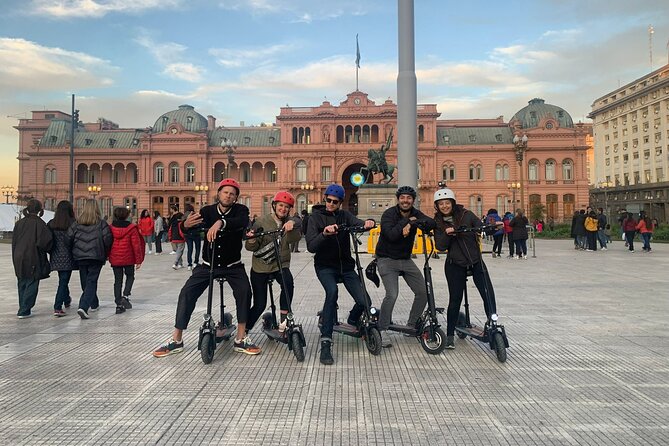
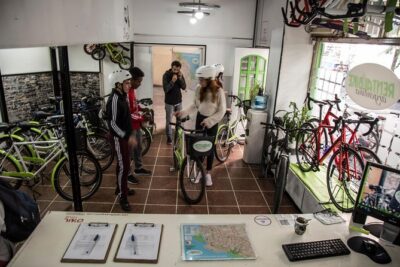
Before you roll, the experience includes protective equipment: a helmet and reflective belt. It also helps that the guide makes sure you can handle the scooter before setting off. That practical step is what keeps the day smooth.
What you should consider before you go:
- You need to feel comfortable with balance and steering on a moving platform.
- If you do not know how to ride a bicycle, the tour is explicitly not recommended.
- If you’ve struggled with balance before, it’s worth rethinking. This isn’t a sit-and-watch version of Buenos Aires.
Plaza Estado del Vaticano and the Obelisco: when Argentine stories start with snacks
Your first stop sets the tone. Plaza Estado del Vaticano is where you begin a walking-and-scooting style loop that mixes places with concepts. The guide ties each location to Argentine identity, and you get the first food break right away.
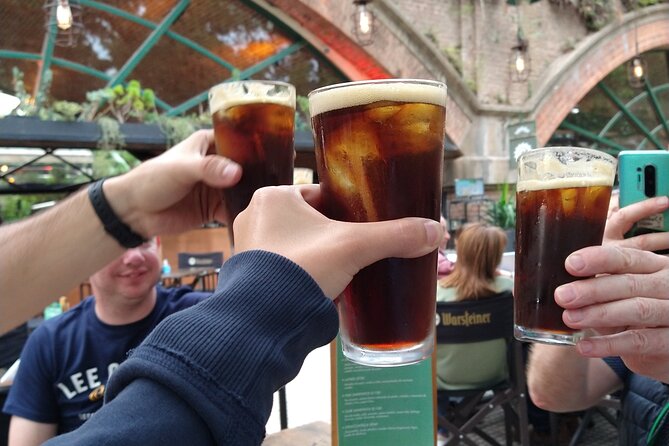
You’ll try mate (yerba mate infusion) and an alfajor with dulce de leche. That pairing is the gateway combo for understanding how everyday life tastes in Argentina. Mate is not just a drink here, it’s a social habit. Alfajor is the sweet side of comfort, the kind of thing that shows up at gatherings and celebrations.
Then you roll to the Obelisco, one of Buenos Aires’ most recognizable landmarks. The pause at the Obelisco is short, but it works. It gives you a reference point for the rest of the day. Once you’ve seen it up close, the city feels easier to map in your head.
A small practical note: plan on street-level photos more than grand skyline shots. This route is about quick, iconic glimpses that anchor you as the guide explains what you’re looking at.
Banco de la Nacion, CCK, and Luna Park: culture and economics side by side
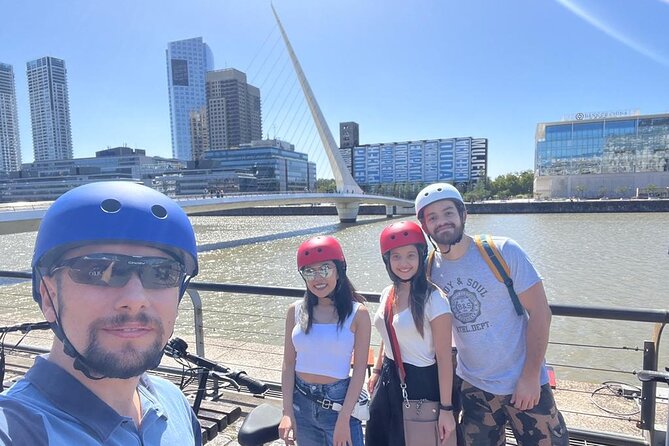
Next up is the Banco de la Nacion Argentina, and the story focus shifts to the meaning of the El Corralito. Even if you do not know the term right now, the guide frames it in a way that makes it click. It’s a reminder that Buenos Aires is not just monuments and tango energy. It’s also a city shaped by financial anxiety and political tension.
From there, you head toward the Centro Cultural Kirchner (CCK). This stop is about how culture gets built into the city’s public face. You get a quick look, plus enough context to understand why a cultural center in this area matters. It’s not only about performances. It’s about where the city puts attention when it wants people to gather and talk.
Then comes Luna Park, and the vibe flips to a landmark that feels like a personality. It’s a famous venue and a visual anchor for the central neighborhoods you are cutting through. The pause here is brief, but that’s the advantage of this format. You see it, you absorb the story, and you move on while the excitement stays high.
A few more Buenos Aires days worth comparing
- Electric Scooter Tour: North Buenos Aires
★ 5.0 · 67 reviews - Electric Scooter Tour: South Buenos Aires.
★ 5.0 · 27 reviews - Full Day Bike Rental in Buenos Aires
★ 5.0 · 19 reviews - 24hs Bike Rental in Buenos Aires
★ 4.5 · 11 reviews
Puente de la Mujer and the city’s love of meaning
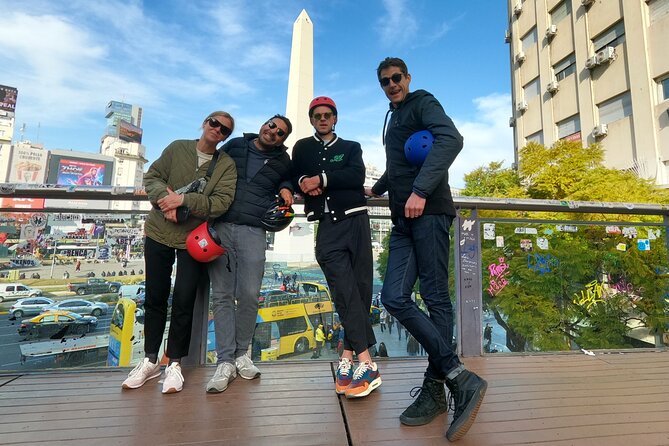
If the Obelisco gives you the classic Buenos Aires feeling, Puente de la Mujer gives you the modern, interpretive side. You’ll stop for long enough to really look at the bridge and hear how the design is read. The tour frames it through the work of Santiago Calatrava, emphasizing the idea behind the bridge and what it’s meant to communicate.
This stop also includes another tasting moment: mate again, plus a chocolate alfajor filled with dulce de leche. You’re not repeating just for repetition. The guide is using food as a thread to keep Argentine culture connected while you move between wildly different types of landmarks.
After a few hours, that kind of small reset helps. It breaks up the mental load of history, architecture, and navigation. Plus, you get time to ask questions while your hands are busy with a hot cup.
Torre Monumental and Malvinas: remembering is part of the route
Then the tour heads to Torre Monumental. The name alone invites a comparison, and you’ll get the story angle that explains what you are seeing and why it matters.
From there, you reach Monumento a los Caidos en Malvinas, tied to the Falklands War and the Argentine victory four years later. This is one of the more serious stops on the route, and it’s also one of the most important. Buenos Aires carries memory in public spaces. You can see it, and you can feel it in the way the guide frames the lesson.
If you prefer your sightseeing all light and funny, this stop might slow the mood. But that’s also the point. A city tour that ignores what people remember is incomplete.
Plaza General San Martín and Facultad de Derecho: protests and free education energy
At Plaza General San Martín, the tour connects Argentine public life with protest culture. The guide brings up an idea related to global rankings and why Argentina is associated with lots of demonstrations. It’s a quick, focused stop, but it adds something valuable: you start to understand the city as a place where people push back, not a place that simply goes along.
You’ll also get another snack break here, with fernet and chipá. That pair is a taste of Argentina that many visitors do not experience the first time they arrive. Fernet is strong, herbal, and not for everyone, but it is a huge part of the country’s bar culture. Chipá is warm and savory, made with cassava and cheese, and it gives you something grounding to balance the drink.
Next you visit Facultad de Derecho (University of Buenos Aires). The tour frames it as free, quality, and for everyone. That message lands better after you’ve just heard about protests and public expression. Education and civic life aren’t separate in this city. They overlap.
This stretch is also where the small-group format helps again. With fewer people, you can hear the guide clearly and stay close without turning the sidewalk into a traffic jam.
Floralis Generica, Recoleta Cemetery, and Basilica: from modern metal to faith and legacy
The next stops shift into a slower, reflective mode.
First is Floralis Generica, a modern sculpture that speaks to resilience and modernity. It is the kind of sight that feels simple until you hear the story, then it becomes more meaningful. You do not need a long explanation to enjoy it. You just need to pause long enough to look.
Then comes La Recoleta Cemetery, and yes, it’s famous for a reason. The tour describes it as luxury even in death, and you’ll see why. This is where you feel Buenos Aires’ long timeline. Wealth, family power, and faith show up in the architecture and the details.
After Recoleta, you visit Basilica de Nuestra Senora Del Pilar. This stop is about Argentine faith and how it connects to broader ideas of religion and authority. It’s not a long detour, but it gives you a perspective many travelers miss because they focus only on museums and nightlife.
If you’re the type who likes your tours to avoid heaviness, consider coming into this portion ready for a few more serious visuals. This route includes both.
Ending in Palermo at Plaza Serrano and @Chori: the day finishes with a street-food payoff
Your final stop is Feria Honduras Plaza Serrano in Palermo. This is an ideal way to end, because it shifts the focus from landmarks to atmosphere. Palermo is where the day’s pace turns into wandering, browsing, and people-watching.
From there, the tour ends at @Chori, a choripánería in Plaza Serrano. The tour gives you the option to try a classic choripán there. The drink plan earlier in the day includes fernet and the tastings with mate, but the choripán and beer part at the end is listed as not included, so treat it as your optional reward for finishing the loop.
This is also where you can decide how you want to continue:
- If you still have energy, you can stay in Palermo and keep moving on foot.
- If you prefer an easy night, you’ve already seen the highlights without needing to plan transfers.
Food and drink on the route: included tastings versus the final choripán
Here’s how the tasting flow works in a practical way:
Included tastings during the tour:
- Mate and alfajor with dulce de leche early on
- Chipá and fernet later
- Another mate and alfajor stop connected to the bridge area
- Coffee and/or tea as part of the inclusion plan
Not included (you can buy at the end):
- Choripán and beer at @Chori
The value of this setup is that it turns culture into something you feel, not just something you hear. But it also keeps your wallet under control. You are not paying restaurant prices for a full meal inside a guided tour. Instead, you get a sample schedule built around Argentine staples, and then you decide what you want for a full lunch or dinner later.
Price value: why $89 can work better than you expect
At $89 per person, this is not a budget-only activity, but it also isn’t pricing you like a private driver. You’re paying for three things at once:
- Transportation on a scooter for about 16 km
- A structured route with lots of stops across iconic areas
- Several included food and drink tastings, including mate, alfajor, chipá, and fernet
The small group size also matters for value. With max 9 travelers, the experience feels less like a conveyor belt. You can actually get answers, and the pacing does not feel rushed.
For many visitors, the biggest hidden cost in Buenos Aires is time. If you try to do this on your own, you spend money on transport, lose time finding meeting points, and scramble between neighborhoods. This tour is designed to reduce that friction.
Who this scooter tour suits best, and who should skip
This is a great fit if you want:
- A 5-hour overview that still feels hands-on
- Iconic Buenos Aires stops, not only one neighborhood
- A culture and food mix that feels casual, not formal
- A smaller group day instead of a huge bus tour
It’s not a good fit if:
- You do not know how to ride a bicycle, since scooter balance is key
- You have trouble with balance or mobility and you want a very low-risk walking-only option
- You dislike being outside for a large chunk of time, because this experience requires good weather
Practical tips for a smooth, fun ride
Buenos Aires tours have one enemy: wind and sidewalk surprises. Since scooters are outdoors and moving, do a few simple things to set yourself up:
- Tie back hair, or bring a way to control it, because wind is part of the story here
- Wear comfortable clothes you can move in, since you’ll be sitting and steering for long enough to feel it
- Expect to stop often and take photos quickly, because the route is built around multiple iconic pauses
- If you’re sensitive to strong flavors, keep an open mind with fernet. It’s herbal and bold, and it’s part of the cultural tasting plan
Also, bring a mindset for city pacing. This is not a museum marathon. It’s a guided ride plus snack breaks, and the joy is in the rhythm.
Should you book this Buenos Aires e-scooter tour?
Book it if you want a compact, memorable Buenos Aires day with real structure, fast sight access, and Argentine food tastings built in. The price makes sense when you account for the scooter transport, the included safety gear, the included snacks and drinks, and the number of iconic stops you cover.
Skip it if you are not comfortable on two wheels, or if you prefer a strictly low-energy sightseeing style. Also skip it when the weather looks questionable, because this experience is tied to good outdoor conditions.
If you get the balance right, this is one of those city experiences that makes Buenos Aires feel personal quickly. You leave with landmarks in your head, flavors in your memory, and a sense of how Argentine culture moves through everyday life.
FAQ
How long is the Buenos Aires electric scooter tour?
It lasts about 5 hours.
What is the meeting point and where does the tour end?
You start at Tres Sargentos 463, and you end in Plaza Serrano at Serrano, near the choripánería @Chori.
How much does the tour cost?
The price is $89.00 per person.
Is the scooter and protective equipment included?
Yes. You get an e-scooter, plus helmet and a reflective belt.
What food and drinks are included?
You’ll have mate with alfajor, and later you’ll try chipá and fernet. Coffee and/or tea are also included.
Are choripán and beer included?
No. Choripán and beer are not included, though you have the option to try them at the end in Plaza Serrano at @Chori.
Do I need to know how to ride a bicycle?
Yes, it’s not recommended if you do not know how to ride a bicycle.
What happens if the weather is bad?
The experience requires good weather. If it is canceled due to poor weather, you will be offered a different date or a full refund.
How large is the group?
The maximum group size is 9 travelers.
Recently reviewed around Buenos Aires
- Meet Locals: Language Exchange Café in Buenos Aires★ 5.0 · 10 reviews
- Madero Tango Show Including Executive Dinner In Buenos Aires★ 3.5 · 10 reviews
- Piazzolla Tango Show Only In Buenos Aires★ 4.5 · 10 reviews
- Esquina Homero Manzi Tango Show Ticket Including Optional Dinner in Buenos Aires★ 4.5 · 10 reviews
- Private City Tour & Transfer to the International Airport★ 5.0 · 10 reviews
- VIP Dinner & Tango Show at El Viejo Almacen★ 4.5 · 10 reviews
- Buenos Aires City Tour★ 4.5 · 11 reviews
- Premium service Buenos Aires city tour for small groups★ 4.0 · 11 reviews
Scooter Rentals, compared.
Browse the lists this tour appears in