
Reviewed · HIKING & TREKKING
USHUAIA: TREKKING IN LAGUNA DE LOS TÉMPANOS AND VINCIGUERRA GLACIER
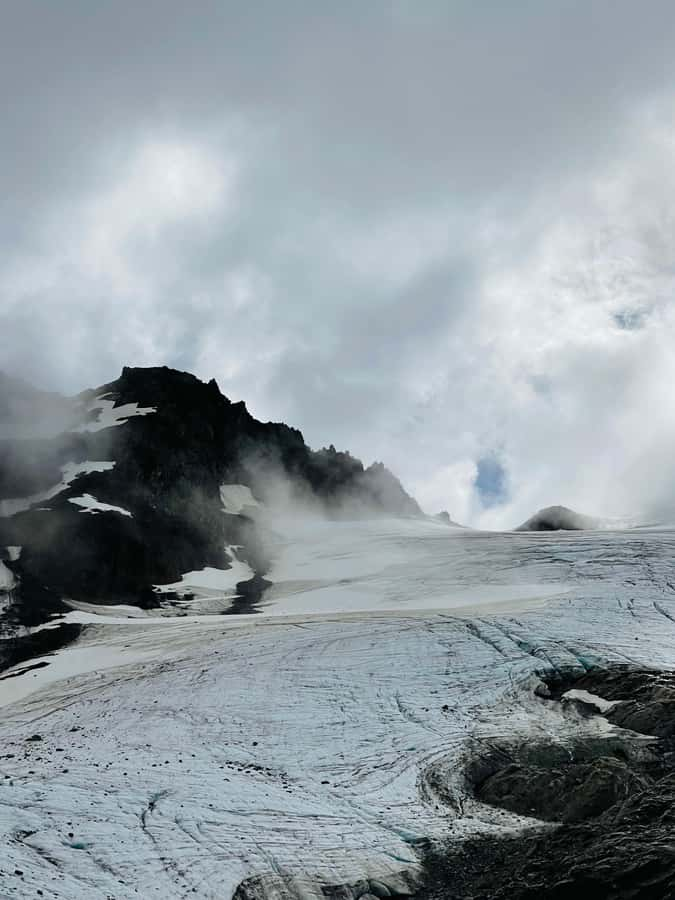
The part I love about this Ushuaia glacier trek is that it feels like a full-on Fuegian walk, not a quick photo stop. You move from peat bogs and wetlands to native forest and then up to the ice, with Laguna de los Témpanos as the payoff. I also love how close you get to the glacier face, with crevasses and ice features you can see at ground level.
One thing to keep in mind: the day can be more demanding than people expect. It is a 14 km round trip pace in mountain terrain, and conditions change fast, especially with rain. Also, the ice-cave style sights are seasonal, so you should set expectations based on the time of year.
Key things that make this trek worth it
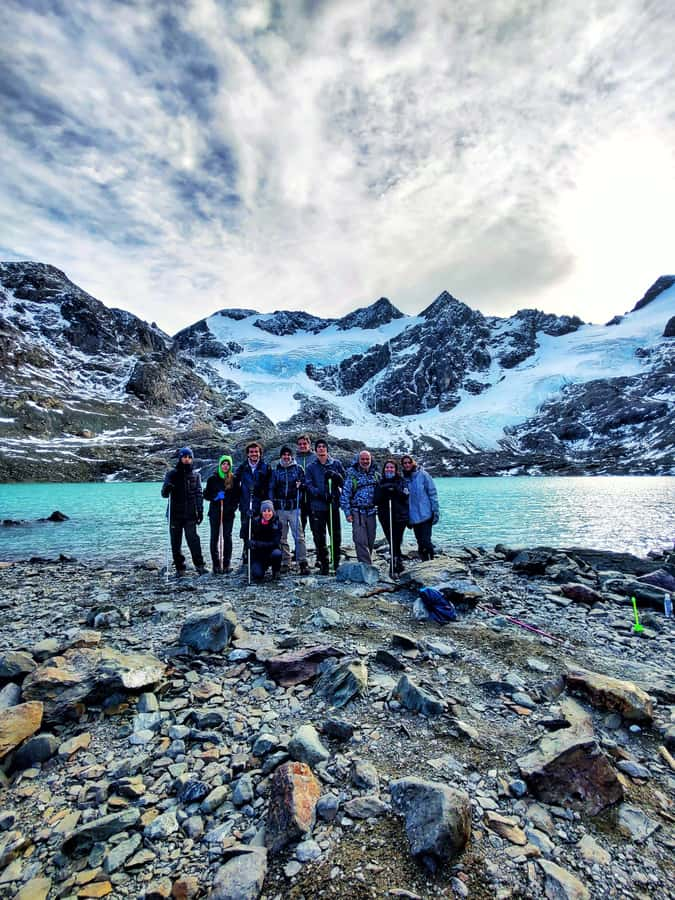
- Real time outdoors: about 7 hours on foot, with a full round trip hike of roughly 14 km.
- From bogs to glacier: peat bogs, thawing rivers, native forest, then the ascent toward ice.
- Laguna de los Témpanos views: you get time to photograph the lagoon and the ice across the water.
- Close glacier contact: you reach the foot of the glacier to observe crevasses, internal ice drainage, and caves when conditions allow.
- Small group, big control: limited to 10 participants, which helps the guide manage the pace and safety.
Ushuaia glacier trekking, the real promise
This is a guided day that starts with pickup from your Ushuaia accommodation, then delivers you to Glaciar Vinciguerra for a mountain hike aimed at Laguna de los Témpanos. You should think of it as a “journey up through environments,” not just a glacier visit. The walk threads together wetlands, forests, and steepening terrain until the ice becomes the main character.
What makes it practical is the gear plan. Trekking poles are included, and crampons are provided if needed. You still must bring warm clothing and trekking boots that are mandatory, because this is mountain hiking with real ground conditions.
More Hiking & Trekking in Ushuaia
- From Ushuaia: Tierra del Fuego Emerald Lagoon Trekking Tour
★ 4.9 · 271 reviews - Ice Trekking Vinciguerra Glacier and Laguna de los Témpanos Premium
★ 5.0 · 236 reviews - Emerald Lagoon Trekking
★ 5.0 · 135 reviews
Andorra Valley peat bogs and thawing river views
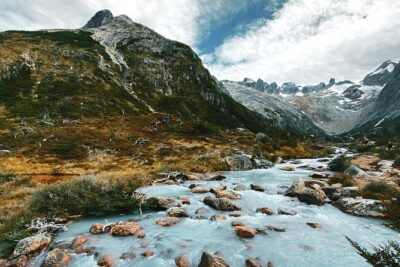
Right away, you head into the Andorra Valley. This is where the scenery starts to feel very “Tierra del Fuego,” because the ground is wet, dark, and soft-looking in a way that you do not usually see in glacier regions further north. You cross peat bogs where the thawing river cuts through, and that combination sets the mood for the day.
I like this first segment because it warms you up visually before the steep part hits. It also helps you understand the later landscape shift. When the route transitions from wetlands to forest and then toward the limit of vegetation, you can feel how the geography changes with altitude and exposure.
Practical tip: even if the sky looks calm, plan for wet ground. The day’s best photos often happen while you are walking and looking down at the mix of water, bogs, and vegetation.
Native forest climb to the limit of vegetation
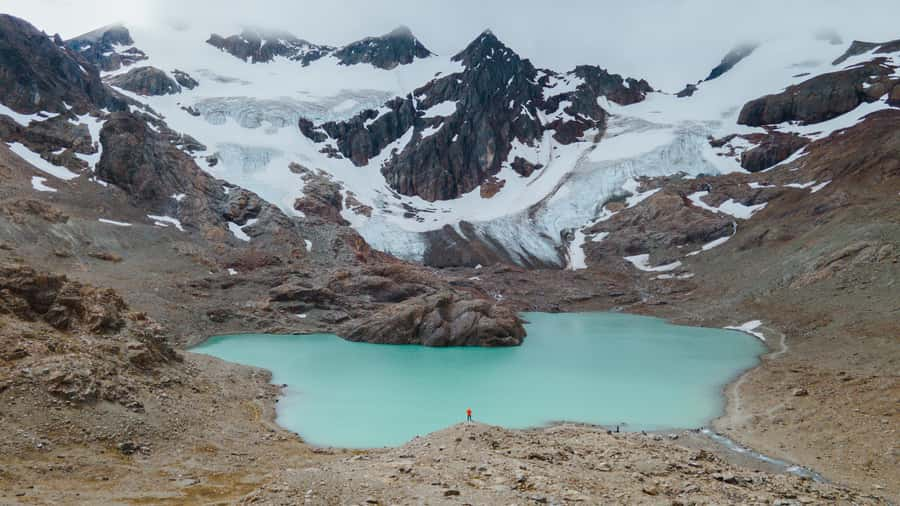
After the wetlands, you move into the native forest and start the real ascent. The trail gradually climbs until you reach the limit of vegetation, where trees thin out and you get wider, harsher views up and out.
At this stage, the hike is about rhythm. The guide keeps you moving steadily, with breaks that let you catch your breath and check in. One of the subtle joys here is that you can see the glacier in pieces before the big arrival. Getting a partial glimpse early makes the final climb feel earned.
Then you come to a thawing waterfall. You get a short rest by a stream, and that pause matters. You are not just sitting, you are watching meltwater working its way through the terrain. It is the kind of detail you do not notice on a bus tour, and it helps the glacier feel alive instead of distant.
The last demanding ascent to Laguna de los Témpanos
From the stream area, the route turns into the last and most demanding climb. This is the portion that really tests your legs, because you are working uphill toward the lagoon area where the glacier presence becomes dramatic.
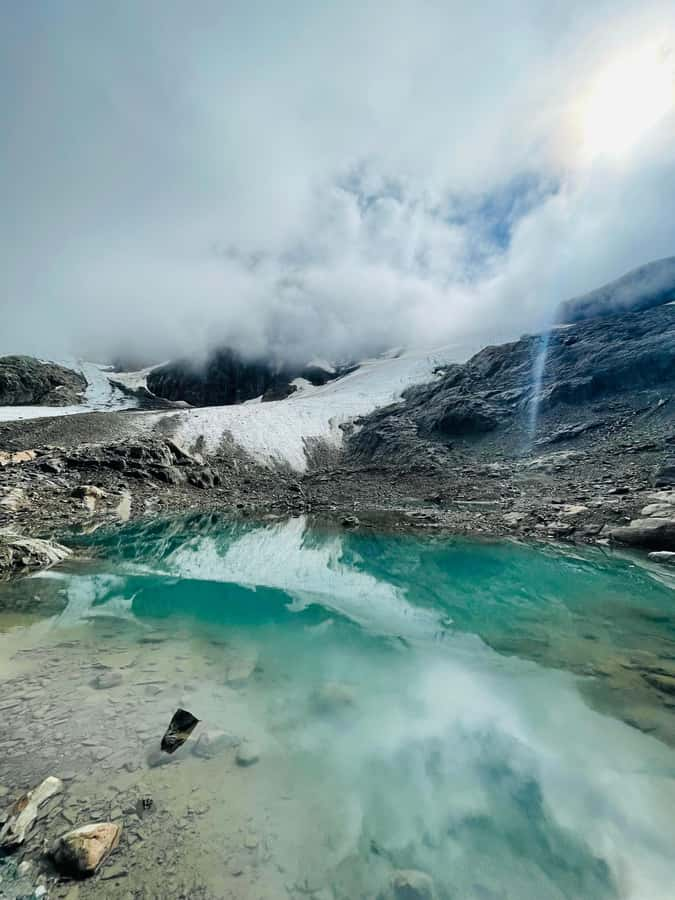
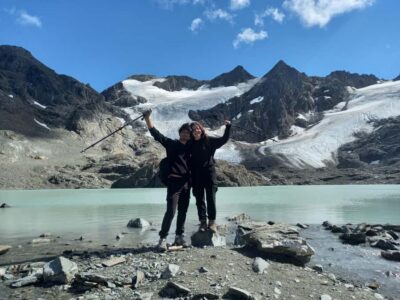
When you arrive at Laguna de los Témpanos, you take time for photos and to appreciate the lagoon. You can see an ice mass across the water, sometimes described as an ice giant, and that wide-water angle is why this stop is the highlight. The lagoon is also where you slow down enough to notice how the ice interacts with the environment.
A balanced expectation: this is a glacier lagoon viewpoint day, but the “wow” ice features depend on conditions and season. In colder months, you are more likely to encounter ice-cave style formations. In warmer months, you might get spectacular ice and melt dynamics, but not the same cave access or internal ice sounds you read about.
If you are going outside peak winter conditions, I recommend asking your guide what you realistically should expect for ice caves and internal river sounds that day. Go in ready to be impressed even if the cave experience is limited.
A different sort of day out of Ushuaia:
- Ushuaia: National Park & Train of the End of the World Tour
★ 4.5 · 811 reviews - End of the World Train Ticket
★ 4.0 · 685 reviews - Beagle Channel Navigation with Minitrekking
★ 5.0 · 642 reviews - Ushuaia: Penguin Watching Tour by Catamaran
★ 4.5 · 439 reviews
Walking along the lagoon to the glacier foot
Once you recharge, you continue for about 20 minutes along the lagoon to reach the foot of the glacier. This is where the trek shifts from “views” to “contact.”
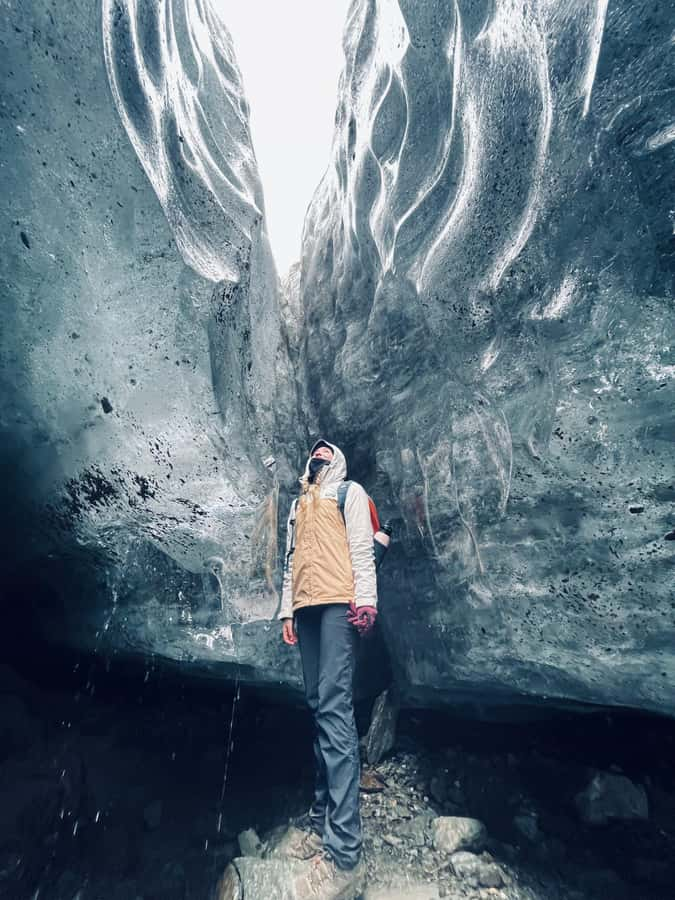
Standing near the ice changes everything. You can feel the glacier presence visually and physically: crevasses become clearer, you can spot ice drainage pathways, and depending on conditions, you may see caves formed in the glacier. It is also the section where you can hear the ice doing its slow work, with internal rivers sometimes noticeable when the conditions line up.
I really like this part because it gives you a ground-level look. Many glacier tours keep you safely at a distance. Here, you are close enough to study texture, cracks, and how melt affects the ice structure.
Season note, based on real-world experience: some ice features described for winter timing may not be available in other months. If you are traveling in a season when caves are less accessible, you still get the glacier face experience, but the most dramatic cave moments may be limited.
Lunch by the glacier, and why the timing works
In the glacier-foot area, you have lunch while you sit near the ice. This is included, along with a box lunch and tea. I love this setup because it turns “the hike is over” into “the hike keeps paying off.” You can eat while taking in meltwater, ice edges, and the way the lagoon changes with your angle.
There is also a comfort factor. After steep segments, having a set break prevents the common mistake of pushing too hard until you burn out. The day is long enough that your best strategy is to keep energy steady.
If rain arrives, you might end up eating in rougher weather than you hoped. That said, the guide’s job includes managing conditions and keeping the group safe, including regular check-ins during tougher visibility or slick footing.
Guides, safety, and the small-group pacing
This trek runs with live guiding in Spanish and English and keeps the group small, limited to 10 participants. In practice, small group hiking changes the day in two ways.
First, pacing becomes manageable. You are hiking about 14 km round trip, and the guide needs to balance steady movement with frequent enough pauses so everyone feels okay.
Second, safety decisions get made faster. If you hit rain, slick ground, or tricky footing near the ice, a small group means the guide can keep eyes on everyone and adjust the route timing.
One more practical point: you will walk a lot, about 450 minutes total for the activity. The time on foot is long enough that being “willing but unprepared” can ruin the day. The better approach is to plan for a consistent hiking pace and not treat this as an easy scenic stroll.
Price and value: what you get for about $170
At $170 per person, you are paying for a guided mountain day with more than just sightseeing. The value here is in the combination of:
- Transfers that pick you up from your accommodation and return you at the end.
- Specialized mountain tour guides for a long hike in variable conditions.
- Lunch (box lunch) plus tea.
- Trekking poles, and crampons if needed.
What is not included is equally important. Warm clothing and trekking boots are mandatory and not provided. So the “real” cost depends on whether you already own proper boots and layered winter gear that work in wet, cold terrain.
Is it a good deal? For me, it is, because you get a full guided day that includes food, safety gear support, and logistics. If you were to arrange transport, hire a guide, and bring your own gear setup separately, you would likely spend more time and money.
Also, the small group element matters. Limiting the group size improves the experience quality, especially when weather turns.
What to pack so the trek feels good, not scary
Even with good guiding, your comfort is your responsibility. This tour is physically demanding, and Fuegian weather can shift quickly. Pack for cold and wet, not just for what the sky shows at pickup.
Bring:
- Warm layers (you will likely need them, even if the sun appears).
- Weather-appropriate clothing for rain and wind.
- Trekking boots with traction. Mandatory.
- Gloves and a hat if you run cold. This is not listed, but it is usually the difference between tolerable and miserable in Ushuaia conditions.
- Optional, but smart: a rain layer that you can keep on during the ascent.
The tour includes trekking poles and crampons if necessary, but it cannot solve inadequate footwear. If your boots are not built for wet mountain ground, you will feel it on the climb and especially near the lagoon and glacier foot area.
Season expectations: ice caves and internal rivers depend on timing
This is the part where you should get your expectations straight.
The glacier-foot segment can include caves formed in the ice and internal ice drainage you can sometimes hear, but those are tied to winter timing and conditions. If you are hiking at a time when the ice is warmer or less stable, you may still see glacier crevasses and get close to the ice, but the cave and internal river experience might be less complete than the winter descriptions.
My advice is simple: do not treat the ice-cave portion as a guaranteed outcome. Instead, treat it as a bonus that might happen depending on temperature and access conditions. The overall day still works because the hike through peat bogs, forest, and up to Laguna de los Témpanos is the core experience.
Who this trek is best for (and who should skip it)
This hike is aimed at people in good physical condition who can sustain a mountain walking pace for 14 km round trip. If you like steady uphill hiking and you handle changing weather, you will likely enjoy it a lot.
It is not suitable for:
- Children under 12
- Wheelchair users
Also, take difficulty seriously even if you are an active person. A long day with wet footing plus steep climbing is different from a flat “fitness hike.” The guide helps, but you still need the legs.
Should you book this trek?
Book it if you want a full guided glacier day that goes beyond a single viewpoint. I think this is especially worth it when you want variety, from peat bogs and wetlands to native forest and then right up to the glacier foot.
Consider passing or choosing a different option if:
- You are not comfortable with long mountain walking (14 km round trip).
- You are hoping for guaranteed ice-cave access and internal river sounds in any season. Those are not always available year-round.
- You do not have the mandatory boots and warm layers needed for cold, wet conditions.
If you’re ready for a real hike, get this on your Ushuaia list. It is the kind of day where the terrain keeps changing, and the glacier is not just something you look at, it is something you actually reach.
FAQ
How long is the trekking experience?
The total duration is 450 minutes.
How far do I walk?
You must be able to sustain a walking pace for about 14 km round trip.
Is pickup from my accommodation included?
Yes. Pickup and drop-off from your Ushuaia accommodation are included.
What language is the guide?
The live tour guide works in Spanish and English.
How big is the group?
The group is small, limited to 10 participants.
Is lunch included?
Yes. A box lunch and tea are included.
Do I need to bring special gear?
Yes. Warm clothing and trekking boots are mandatory for the activity. Trekking poles are included, and crampons are provided if necessary.
Is the tour suitable for children?
No. It is not suitable for children under 12 years old.
Is it wheelchair accessible?
No. It is not suitable for wheelchair users.
Is there a cancellation option if plans change?
Yes. Free cancellation is available up to 24 hours in advance for a full refund.
Recently reviewed around Ushuaia
- Tierra del Fuego National Park – Classic★ 4.5 · 3 reviews
- Round Trip Transfer from the Airport to Ushuaia Hotels★ 2.5 · 3 reviews
- Private Transfer Airport-Hotel-Airport (Ushuaia)★ 5.0 · 3 reviews
- 7-Hour Lakes Escondido & Fagnano – USHUAIA (Shared tour)★ 4.5 · 3 reviews
- Ushuaia Airport(USH) to Ushuaia hotels – Arrival Private Transfer★ 4.0 · 3 reviews
- Crab Route in the Snow 4×4 in Tierra Del Fuego★ 4.0 · 3 reviews
- Discovering Lakes Escondido and Fagnano with sunset dinner★ 5.0 · 3 reviews
- Minitrekking Velo de la Novia★ 5.0 · 3 reviews
Hiking & Trekking, compared.
Perito Moreno Glacier Trekking Tour and Cruise
Read our review →
Salinas Grandes, Purmamarca & Los Colorados Hike
Read our review →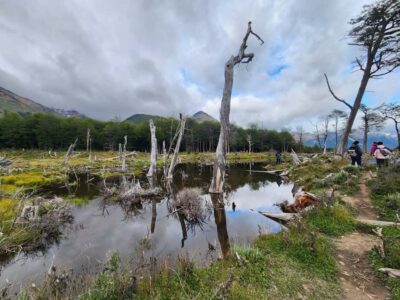
Ice Trekking Vinciguerra Glacier and Laguna de los Témpanos Premium
Read our review →
Trekking to Vinciguerra glacier and Tempanos lagoon
Read our review →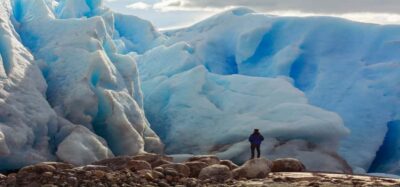
Browse the lists this tour appears in