
Reviewed · USHUAIA TOURS
Vinciguerra Ice Experience
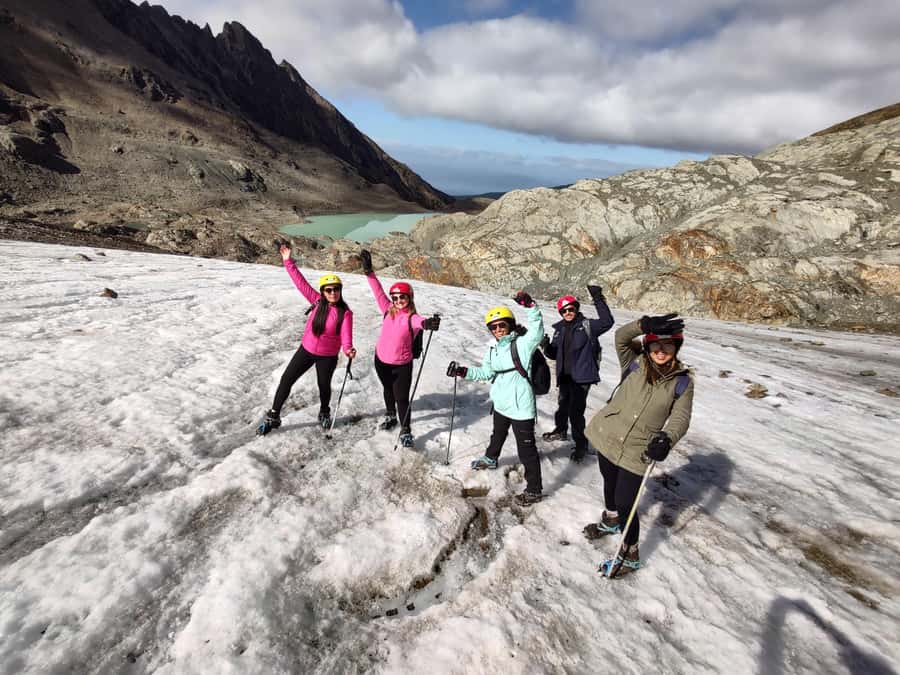
What makes the Vinciguerra Ice Experience interesting is how it stacks big scenery into one practical outing, from peatland valleys and meltwater rivers to the glacier itself in a single day. I love that you actually wear crampons and get onto the ice, not just stand at the viewpoint. I also love the fact that the guides focus on pacing and safety, which matters a lot when the ground turns slick and soft.
The tradeoff is that this is real trekking, with humid conditions and mud, plus steep forest slopes. You gain 545 meters over about 12 km total, so if you want easy walking, this one will feel demanding.
If you show up ready for effort, you get an unforgettable payoff at the glacier: a guided ice trek, lunch, and hot drink while the mountain colors do their thing.
Key things to know before you go
- Crampons are included, so you can walk on the glacier ice with proper traction
- 12 km total with 545 m of elevation gain, a full-day workout, not a casual stroll
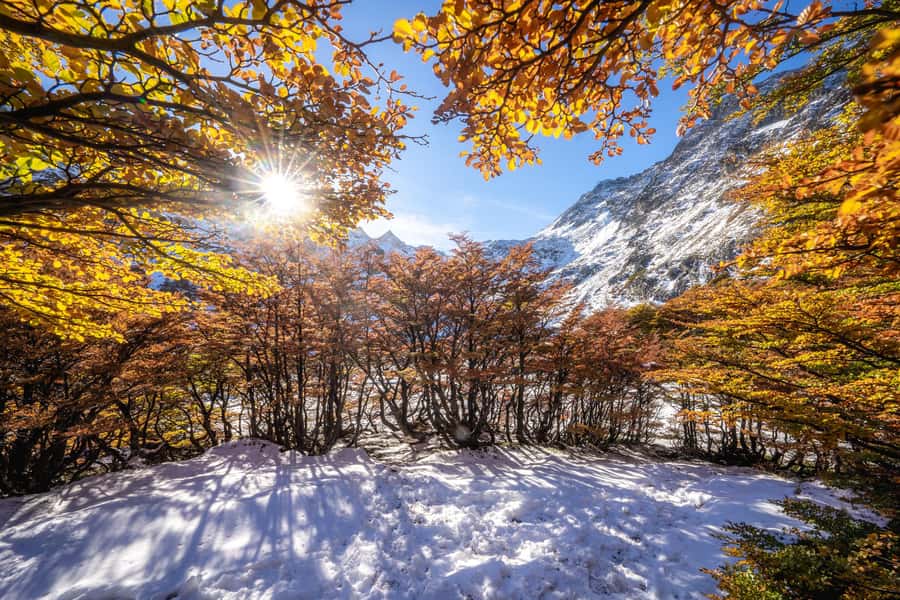
- Humid, muddy terrain with roots and trunks, including steep sections in the forest
- A real glacier stop at 12:00, with lunch plus an ice trekking window starting at 12:30
- Small-group style guidance cues from guides like Emilio, Felix, Joaquín, and Gastón, with lots of help on safe steps
- Hotel pickup and dropoff in Ushuaia keep the day focused on trekking, not logistics
One Trek That Gets You to Vinciguerra Glacier and Laguna de los Témpanos
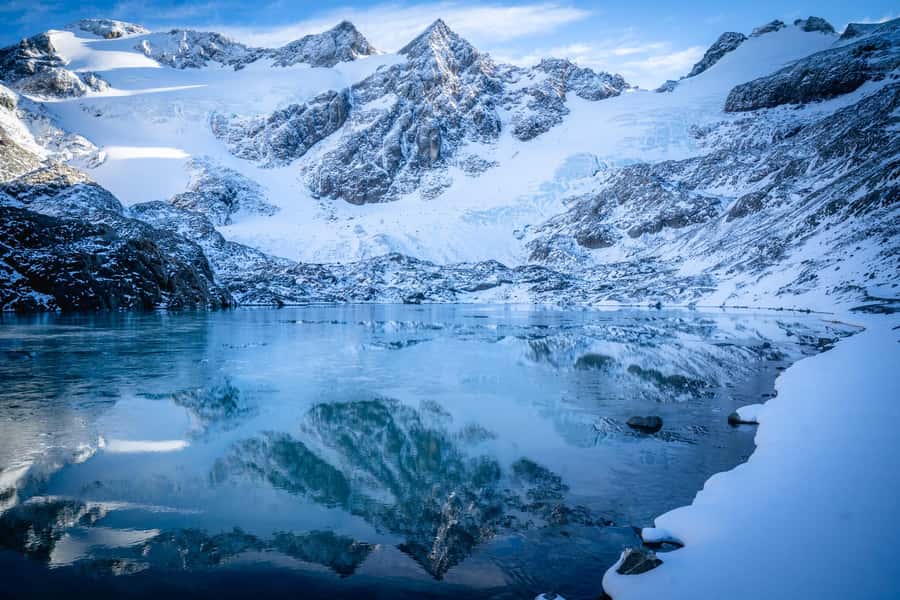
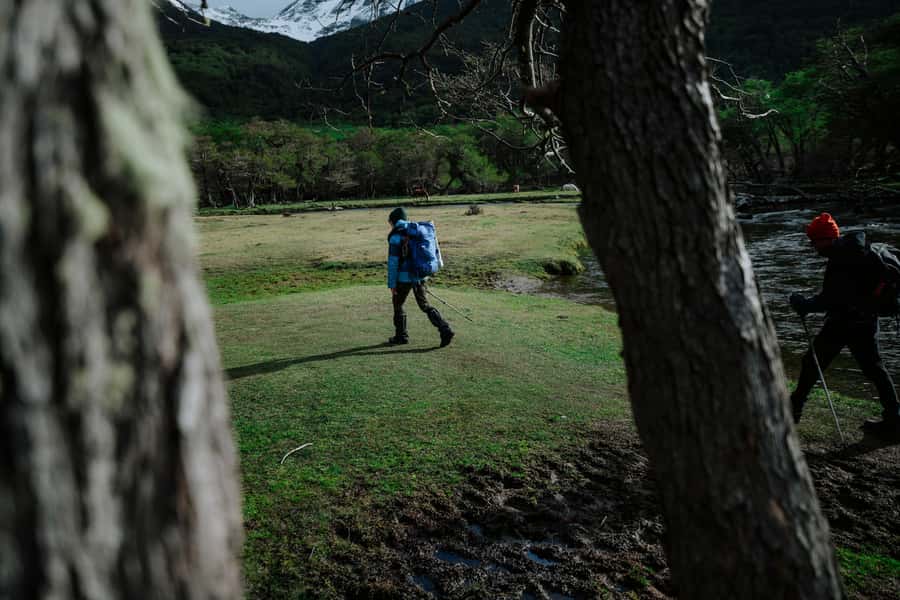
This isn’t a quick “see the glacier” detour. It’s a proper day trek that covers a variety of Tierra del Fuego terrain in a limited distance, about 12 km end to end. You start in Ushuaia with transfer time built in, then you walk your way through peatland valleys, meltwater rivers, and sub-Antarctic forest before reaching the foot of the Vinciguerra Glacier.
What I like about that plan is the way it teaches you the environment as you go. You see how the area is shaped by water, how the forest floor behaves when it is damp, and how the glacier changes the whole feel of the air once you get close. By the time you reach the ice, you’re not just reacting to a view. You’re prepared for the conditions.
And the trek is designed around one main reward: getting onto the glacier ice. After lunch around 12:30, you do ice trekking with crampons, which is exactly the kind of hands-on experience that makes a glacier day worth it.
A few more Ushuaia days worth comparing
- Ushuaia: National Park & Train of the End of the World Tour
★ 4.5 · 811 reviews - End of the World Train Ticket
★ 4.0 · 685 reviews - Beagle Channel Navigation with Minitrekking
★ 5.0 · 642 reviews
The Muddy Peatland and Steep Forest Parts You Should Expect
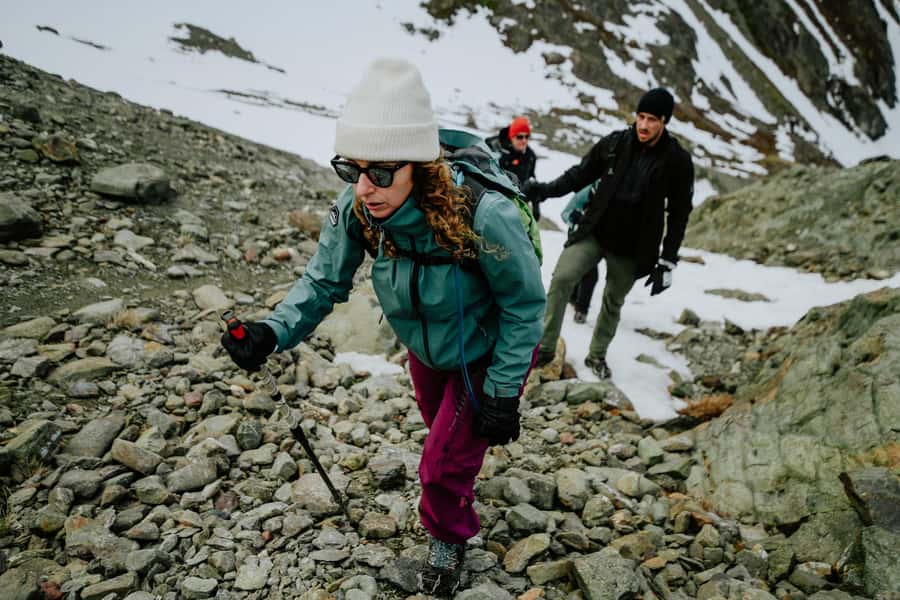
The route is described as humid with mud, roots, and trunks, and it includes very steep slopes in the forest. That doesn’t sound romantic, but it is the heart of why the experience feels authentic. Tierra del Fuego ground is not cooperative. It can be squishy, slippery, and unpredictable in small ways.
One of the best pieces of practical insight from guides is how they teach your feet to move. Felix, for example, is praised for showing the safest way up and down hills on slippery mud and roots, while matching a pace that lets you enjoy the scenery instead of racing your body. That kind of instruction makes a big difference. On steep ground, your form matters more than speed.
Also, watch for peatland behavior. One guide, Emilio, led people through turba argentina, and the description is memorable because in certain points it can feel like the ground is actively swallowing you. Translation for you: keep your steps deliberate, don’t assume your usual hiking stride works, and trust the guide when they point out safer paths.
If you go in with the right mindset, the mud and steep forest stop feeling like obstacles and start feeling like part of the adventure. But if you hate slipping, or if you’re not comfortable working at a slower, careful pace, this may feel stressful.
Reaching the Glacier Foot: The 12:00 Turning Point
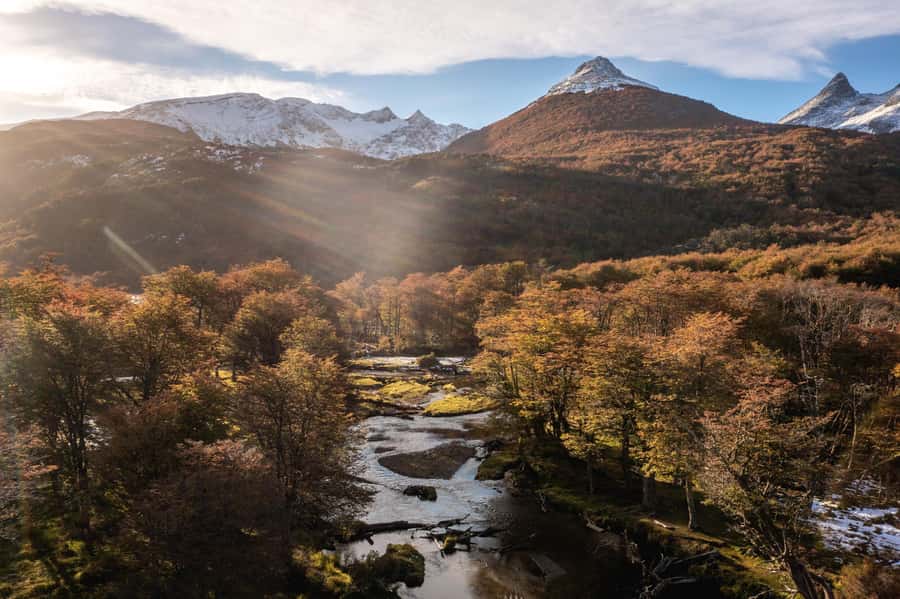
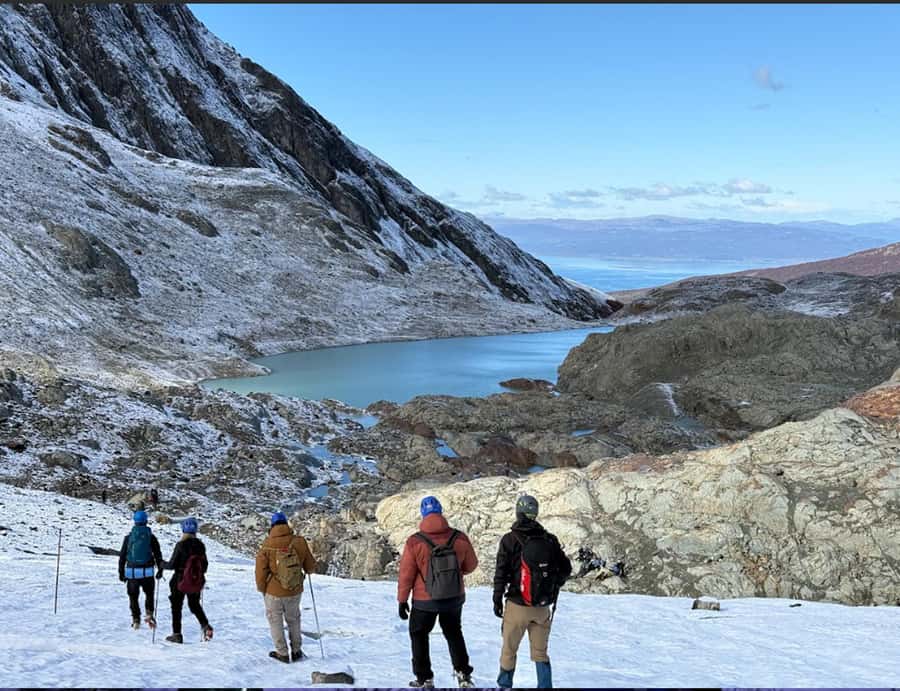
The schedule is clear and well-spaced. You start hiking at 9:00, and you reach the foot of the Vinciguerra Glacier at around 12:00. That middle-of-the-day arrival matters because it gives you time to settle into the walk rhythm. You are not hit with crampons immediately after departure, and your legs get a chance to warm up first.
At arrival, you get the pause you need before the glacier portion. You then move into the lunch and ice trekking window starting at 12:30. This timing is smart for two reasons. First, you can refuel after a steady morning effort. Second, the glacier portion is weather-sensitive, so it helps to have a planned block once you get there.
From the way the experience is described and from guide praise, the glacier moment is the highlight where the day turns from trekking to true ice walking. The instructions you receive before stepping onto ice are what make the difference between feeling “I can do this” and feeling rushed.
12:30 Lunch and Crampon Ice Trekking: What That Moment Feels Like
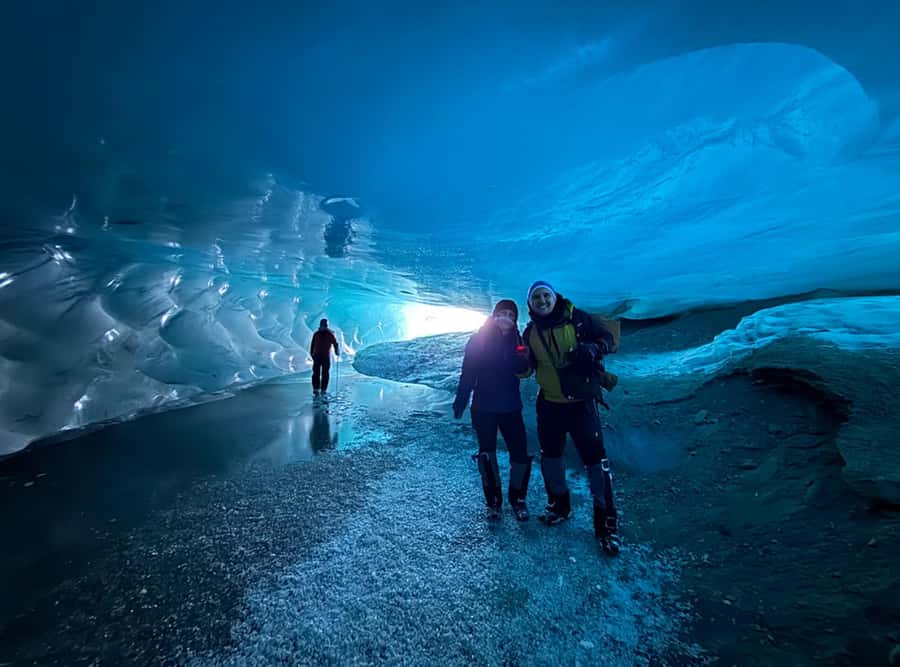
The core glacier experience happens right after lunch. Around 12:30, you have lunch plus ice trekking with crampons on the glacier. That means you’ll wear traction devices designed for walking on ice, and you’ll have a guide with you while you move across uneven ice.
This is not a sightseeing-only stop. The point is to let you experience how the glacier surface changes your steps. Crampons alter balance and foot placement, and that’s why guidance matters. People who did the trek highlight that the guide helped them feel safe on slippery terrain, and that crampon fitting is part of the professional process, not an afterthought.
Even if you’ve worn traction before, expect the glacier portion to feel different. The ground can be slick and uneven, and you will likely move with more careful, smaller steps than usual. Guides who pace well help you stay focused and calm rather than tense.
You also get hot drink with the day. That small thing matters more than it sounds in a cold environment. Between muddy forest walking and stepping onto ice, a warm drink helps you reset your body before the return.
A different sort of day out of Ushuaia:
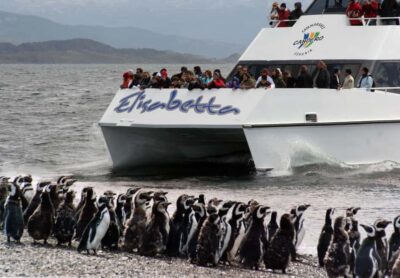
- Ushuaia: Penguin Watching Tour by Catamaran
★ 4.5 · 439 reviews - Ushuaia: Catamaran Sailing to Penguin Island
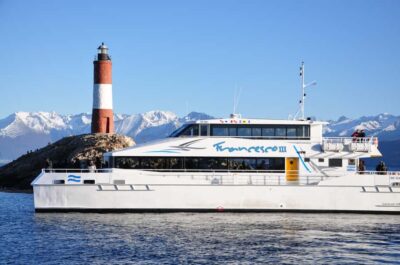
★ 4.4 · 436 reviews - Ushuaia: Beagle Channel & Sea Wolves Island Catamaran Cruise
★ 4.6 · 433 reviews - National Park and Train Trip End of the World Guided Tour
★ 4.0 · 414 reviews
The Return Trip and Why 16:00 Matters
You start heading back around 13:30. That gives you a reasonable glacier window without turning the day into a long scramble. Then you transfer back to Ushuaia, arriving around 16:00.
Why does this timing matter? Because it keeps the day from stretching too late. With humid, muddy terrain and steep sections, fatigue can sneak up. A fixed return time helps you avoid the “we’re still out there in the dark” feeling that ruins trekking days.
Also, the return route is typically where people struggle most. Even if the glacier portion is the big headline, your legs still have to handle the descent and the muddy ground. Guides who teach safe uphill and downhill technique make the return feel manageable instead of risky.
By the time you roll back into Ushuaia at 16:00, you have a full-day adventure, but you still have enough time to eat, shower, and enjoy the evening without counting every minute.
Transfers, Timing, and the Real Rhythm of the Day
Here’s the day flow you can plan your energy around:
- 8:00 departure from your hotel in Ushuaia by transfer
- 9:00 start of the hike
- 12:00 arrival at the foot of Vinciguerra Glacier
- 12:30 lunch plus ice trekking with crampons
- 13:30 return begins
- 16:00 transfer back to Ushuaia
The practical win is the hotel pickup and dropoff. You are not trying to navigate your own way out to the trail. It keeps your focus on hiking and makes it easier to stay on schedule.
It also helps to know the pickup behavior. You should wait in your hotel lobby 10 minutes before your scheduled pickup. Drivers wait no longer than 20 minutes after the scheduled pickup time. That’s not a big deal, but it is the kind of detail that prevents last-minute stress.
This schedule is also a clue to difficulty. If you’re the kind of traveler who likes to rest often, this day gives you fewer “stopping” moments than a half-day trek. You get a clear lunch and a glacier segment. Everything before and after is moving.
What’s Included, and Why It Changes the Value
The tour includes guided service, hotel pickup and dropoff, personal insurance, crampons, trekking poles, helmet, lunch, and a hot drink. It’s a lot more than just a leader and a trail.
The big value add for most people is the specialized gear. Crampons and a helmet are not items you want to guess about on a glacier day. Having them provided means you’re not coordinating rentals or arriving uncertain about fit. Trekking poles are also a smart inclusion for muddy steep sections, because they can reduce strain and improve stability on uneven ground.
Lunch plus hot drink is another underappreciated inclusion. A glacier trek day is harder than it looks on paper. Having food built into the schedule means you don’t have to ration energy or hunt for snacks mid-trek.
You also get a live guide speaking French, English, and Spanish. That is useful because you’ll likely want clarification on footing, timing, and safety steps before you’re on glacier ice.
If you’re coming to Ushuaia as a visitor, this “everything handled” approach is part of why the experience lands as good value, especially at a fixed price.
Price and Value: Is $171 a Good Deal for This Kind of Day?
At $171 per person for an 8-hour outing, you’re paying for a guided glacier trek package, with transport from your hotel, personal insurance, specialized gear, and a planned lunch.
Whether that feels like a good deal depends on what you would otherwise spend if you DIY it. If you had to rent crampons, arrange a guide for glacier walking, and handle transport and insurance on your own, the total usually climbs fast, even without counting your time and stress. This package covers the pieces that are hard to improvise safely.
Also, the glacier ice portion is not guaranteed to be a “quick step.” It’s an actual ice trekking segment with crampons, and that is a specialty activity. You’re not paying for a general hike, you’re paying for the glacier part to happen the right way, with the right tools and instruction.
Finally, the tour is rated very highly with multiple guides recognized by name. That’s a sign the experience is running with real attention to safety and pacing, especially in tough terrain like humid mud and steep forest sections.
So yes, $171 reads as fair for what’s included, as long as you are physically comfortable with a full day on wet, uneven ground.
Who Should Book This Glacier Trek, and Who Should Skip It
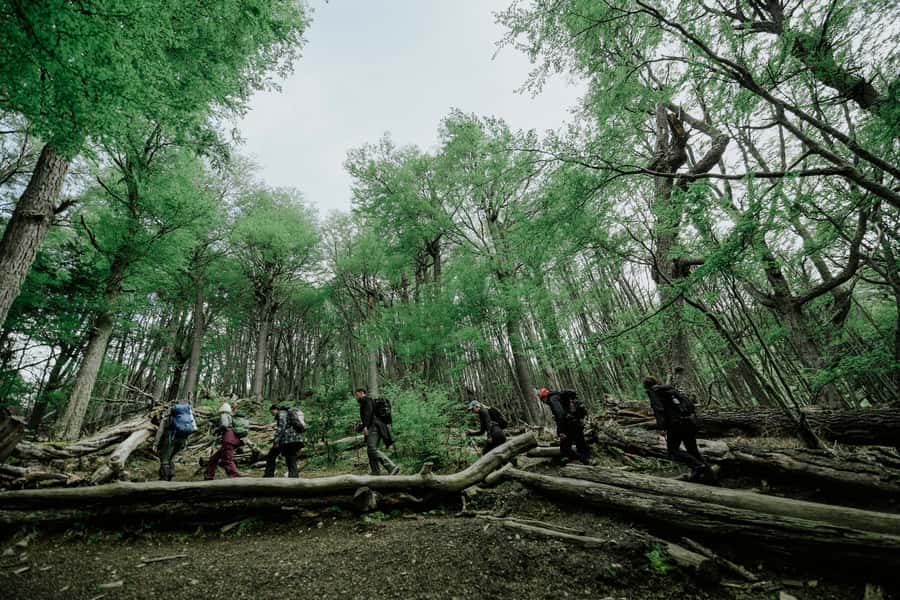
This is not for everyone. The tour lists these groups as not suitable: children under 14, pregnant women, people with back problems, people with claustrophobia, people over 287 lbs (130 kg), people with recent surgeries, visually impaired people, and people with pre-existing medical conditions.
Beyond that official list, I’d add one more practical filter based on how the trek is described. If you get anxious on slippery terrain or if you’re not willing to slow down for careful footwork on steep muddy hills, this will be more stressful than fun.
Who it suits best: people who enjoy a full day outdoors and want a glacier experience where you put on crampons and walk on ice. People who like guided structure will also enjoy it. The guidance style is praised for matching pace and making you feel safe, including on steep up and down sections.
If you are comfortable trekking 12 km with a 545 m elevation gain and you can handle humid mud and roots, this has the right ingredients for a memorable day in Tierra del Fuego.
Practical Tips to Make the Mud and Ice Feel Manageable
You can’t control weather or ground conditions, but you can control how prepared you are to move safely.
First, plan for wet conditions. The trek is humid and muddy, with roots and trunks. Wear footwear you trust on slippery surfaces. Long pants help when the ground is messy, and a layered outfit is smart because conditions shift from forest shade to the glacier area.
Second, treat the guide instructions like part of the itinerary, not optional chatter. People singled out guides for showing safe ways to walk up and down hills in mud and roots. Take that seriously. On steep slopes, good technique beats toughing it out.
Third, remember the day is structured around effort, not frequent breaks. You have a lunch and hot drink planned, and the rest is walking. Bring a mindset that you will spend most of the day moving carefully.
Fourth, pack mental energy for the turba sections. Emilio’s mention of turba argentina is the kind of detail you’ll want to respect. It’s the reminder that some ground can feel unstable. Keep steps short and steady, and let the guide lead you around the worst patches.
Do those things, and you’ll get the best version of this trek: challenging travel that feels safe and rewarding.
Should You Book the Vinciguerra Ice Experience?
I’d book it if you want a glacier day with real action. The combination of crampons included, guided ice trekking, and a full scenic walk from peatland to glacier foot makes this more than a photo stop.
I’d think twice if you need a low effort day, if you know you struggle on steep muddy trails, or if you fall into the tour’s listed unsuitability categories. This is built around trekking, not comfort.
Also, if you enjoy when guides talk history and local context while you walk, this experience delivers that too. Several guides are praised for friendly, professional support and for making the group feel like they belong, not like they’re just passing through.
If you want a well-run day that gives you both the walk and the ice under your boots, this is the kind of tour that tends to stick with you.
FAQ
How long is the Vinciguerra Ice Experience?
The experience lasts 8 hours.
What distance and elevation gain should I expect?
The total distance is 12 km, with a positive elevation difference of 545 meters.
What kind of terrain is the hike?
Expect humid conditions with mud, roots, and trunks. There are also very steep slopes in the forest.
Is crampon equipment included?
Yes. Crampons are included, along with trekking poles and a helmet.
What meals and drinks are included?
Lunch is included, and you also get a hot drink.
Where does pickup happen?
Pickup is from your hotel in Ushuaia, and you should wait in the lobby 10 minutes before the scheduled pickup time.
What time does the tour start and end?
Departure from your hotel is at 8:00. You return to Ushuaia at around 16:00.
What languages do the guides speak?
The live tour guide speaks French, English, and Spanish.
Who is this tour not suitable for?
It is not suitable for children under 14, pregnant women, people with back problems, people with claustrophobia, people over 287 lbs (130 kg), people with recent surgeries, visually impaired people, and people with pre-existing medical conditions.
What is the cancellation window?
You can cancel up to 24 hours in advance for a full refund.
Recently reviewed around Ushuaia
- Private Tour: Tierra del Fuego National Park Trekking & Canoeing in Lapataia Bay★ 5.0 · 10 reviews
- Canoeing Adventure on the Beagle Channel and Penguin Colony★ 5.0 · 10 reviews
- Ushuaia: Escondido & Fagnano Lakes Tour AM★ 4.4 · 10 reviews
- Tempanos Lagoon hiking★ 5.0 · 11 reviews
- Private Hiking tour to Esmeralda Lagoon and the lakes region★ 5.0 · 11 reviews
- Overflight Laguna Esmeralda – A15★ 5.0 · 11 reviews
- 5.5-Hour Nat Park w/ Hiking *Shore Excursion* USHUAIA (Shared tour for cruises)★ 4.5 · 11 reviews
- USHUAIA | Tierra del Fuego National Park & Optional Train★ 4.6 · 11 reviews
Ushuaia Tours, compared.
National Park & Train of the End of the World Tour
Read our review →
Beagle Channel & Sea Wolves Island Catamaran Cruise
Read our review →
National Park and Train Trip End of the World Guided Tour
Read our review →
Browse the lists this tour appears in