
In Buenos Aires, making empanadas while learning the mate ritual feels like a real taste of everyday Argentine life, not a rushed cooking demo. You start with the drink and snacks, then you move into full-on kitchen work with a host guiding you step by step.
I love that you make the dough and fillings from scratch, so you understand the technique, not just the result. I also love the meal flow, with a picada-style starter and lunch paired with Malbec, plus a classic sweet finish.
One possible drawback is timing. The empanadas are part of the later lunch portion, so it helps to arrive with a reasonable appetite rather than expecting a quick snack right away.
Key highlights you can count on
- Mate, alfajores, and the ritual behind the drink before the cooking starts
- Hands-on empanada making, dough and filling, taught step by step
- Picada starter with charcuterie-style bites before you sit down for lunch
- Malbec and conversation with the group, turning class time into an actual shared meal
- Small group size (max 12), so you get help shaping and cooking
Buenos Aires Empanadas and Mate: A Class That Feels Like a Home Visit
Empanadas are one of Argentina’s easiest ways into the culture. Everyone has a favorite filling, everyone argues about technique, and somehow the whole thing becomes a social event. This class gives you the food plus the context, starting with mate and moving into the kitchen work that makes empanadas what they are.
The best part is the pacing. You are not just standing around watching someone cook, you are learning the motions, timing, and little decisions that change a finished empanada. And because the host teaches at every step, you are less likely to end up with a tray of sad shapes and no idea why they happened.
This is also a great “first day in Buenos Aires” style activity. You get local flavors right away, you meet people without forcing awkward networking, and you learn a few practical food customs you can use later when you sit down at a restaurant.
More empanada cooking classes in Buenos Aires:
- Buenos Aires: Empanadas and Alfajores Guided Cooking Class
★ 4.8 · 486 reviews - Buenos Aires: Empanada & Alfajor Cooking Lesson in Palermo
★ 4.6 · 186 reviews - 3-Hour Buenos Aires Empanadas and Alfajores Cooking Class
★ 4.5 · 142 reviews
Meet Your Host, Sip Mate, and Get Oriented Fast
You meet at Estomba & Mártires Palotinos (C1430), and the activity starts at 10:30 am. The location is near public transportation, which matters because you do not need to plan for included pickups or complicated last-mile logistics.
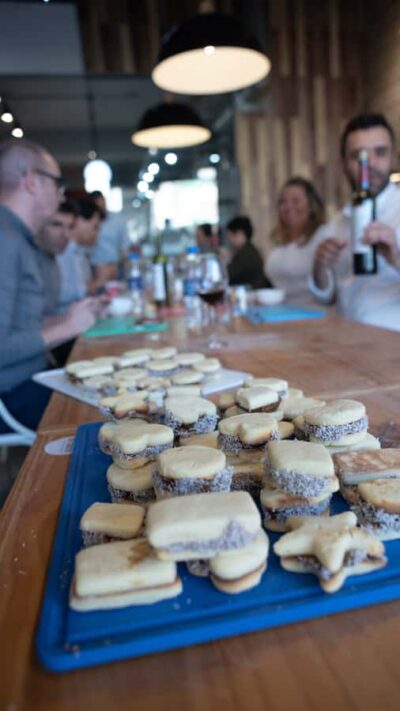
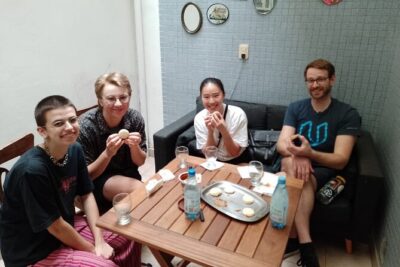
Before you touch dough, you get a proper warm-up. You’ll taste mate, plus alfajores, and you’ll learn about the rituals around drinking mate. That ritual part is important. Mate is not just a drink, it is a shared rhythm, with rules for how it is served and how people interact around it.
This early part also does something that a lot of classes forget. It gives you time to get to know each other. In a small group, that social buffer makes the later cooking feel calmer and more fun, especially if your Spanish is limited and you are relying on smiles, gestures, and a shared task.
Cooking Empanadas in Real Time: Dough, Filling, and Technique
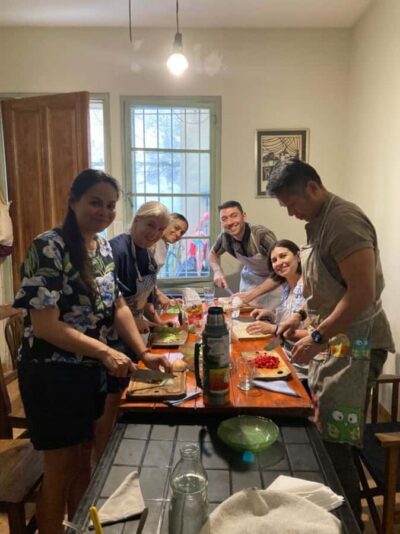
The core of the experience is hands-on empanada making, and you do more than one part. You’ll learn how to make the dough, and you’ll also make the filling from scratch. That means you are practicing both sides of the empanada equation: the structure and the flavor.
Expect real work. There is mixing, rolling, and shaping. There is also chopping for the filling. If you are comfortable in a kitchen, you will fly a little faster, but even if you are not, the format is designed so the host can guide you through each stage.
You also learn about the dish history and how culinary traditions connect across Argentina. That can sound like a lecture, but here it stays practical. The explanations are tied to why ingredients behave the way they do, and why some empanada styles are made a certain way.
This class can include more than empanadas. In some versions, you may also make and serve a thin, crepe-like pancake element for dessert, often with dulce de leche. Even if you are mainly there for empanadas, this extra step helps the day feel like more than a single-task workshop.
From Starter to Lunch: Picada, Malbec, and What to Watch For
After cooking, you get a typical picada starter, basically a charcuterie board style spread. It is a smart move. It gives you a chance to taste and chat while everything finishes up, and it keeps the meal from feeling like you spent hours only working and waiting.
Then you sit down to enjoy the empanadas you prepared together. Lunch is paired with Malbec red wine, and water is included too. This is one of those details that can change your whole day, because it makes the class feel like a real meal rather than a timed school assignment.
If you like to eat, you will appreciate how the host keeps conversation going while food is on the table. It is a “great conversation” kind of setting, the type where you learn what people actually order and how they talk about it. When your group includes a mix of backgrounds, that shared table becomes its own mini-lesson in how Buenos Aires social life works.
A few more Buenos Aires days worth comparing
- Cooking Class Designed by Michelin Chef @ Argentine Experience
★ 5.0 · 1,123 reviews - Polo Lessons from Buenos Aires by Polo Elite
★ 5.0 · 501 reviews - Polo Match, BBQ and Lesson Day-Trip from Buenos Aires
★ 5.0 · 432 reviews - Buenos Aires: Private Tango Lesson
★ 4.9 · 244 reviews
The Argentine Dessert Moment and the Sweet Finish
No meal in Argentina is complete without sweets. In this experience, you’ll try an Argentine classic dessert. The day starts with alfajores, and you end with a dessert that rounds out the full flavor arc.
On some days, the sweet portion can include a crepe-like pancake with dulce de leche, which pairs nicely with the rest of the meal. If dulce de leche is your thing, you’ll probably leave happy. If you are not usually into very sweet desserts, you can still enjoy the dessert as part of the local food experience, since the portion is served after wine and lunch already do the heavy lifting.
Price and Value: Is $90 Worth It?
At $90 per person, you are paying for a lot more than dough lessons. You are paying for four big categories:
1) Instruction and equipment
You use cookware, and the host accompanies you at each step. That is real teaching time, not just handing you a tray.
2) A full food program
You get breakfast mate and alfajores, then a picada starter, then lunch featuring the empanadas you made, plus bottled water and wine.
3) A small-group setup
Max 12 travelers is a sweet spot. With that size, shaping and troubleshooting are more manageable than in a huge class.
4) Cultural context
You learn about mate rituals and you get explanations tied to Argentine food traditions.
If you have taken cooking classes before, the value here is that you are not just making food, you are also getting the meal, the drinks, and the cultural “why” behind it. That is why the day tends to feel like a full experience rather than a quick activity.
The only thing you should plan separately is transportation. Since it is not included, factor in a taxi or a couple of public transit stops from wherever you are staying.
Logistics That Matter: Time, Comfort, and Dietary Needs
The class lasts about 3 hours 30 minutes. That is long enough to actually feel productive, and short enough that it does not eat your whole afternoon.
You also want to think about your arrival timing. Since the empanadas are part of the later lunch portion, arrive ready to work and ready to eat. A light breakfast can be smart if you tend to get hungry, since you’ll have mate and alfajores early, but the main meal comes later.
Dietary restrictions can be handled. The host asks you to let them know about dietary needs, and menu changes can be made. That is useful in Argentina, where food is often built around meat and dairy by default. If you have any allergies or strict preferences, send details when you book so the kitchen can plan.
You are in a home setting, so dress for comfort. You will be cooking and moving around, so skip delicate clothing and wear something you can roll sleeves up in.
Who This Empanada Class Is Best For
This experience fits best if you want hands-on learning and a social meal, not just a quiet cooking workflow.
It is a strong choice for:
- Food lovers who want the method behind the dish
- Travelers who like cultural context tied to what they are eating
- Small groups who want to share a table with the host
- Families and teens, since the format is interactive and the food payoff is clear
If you hate wine or do not drink alcohol, the tour data says wine is included, but it also notes you can ask for dietary restrictions and menu changes. Still, if alcohol is a firm no, mention it when booking so you can understand how the host will handle it.
Should You Book This Empanada Class?
Yes, if you want a Buenos Aires experience that mixes mate rituals, real cooking, and a proper sit-down lunch. The $90 price makes more sense when you factor in the full food program, the small group size, and the step-by-step teaching.
Book it especially if you care about learning. If your goal is to get a few tips and then eat, you’ll have a great time. If your goal is to actually make empanadas at home later, this kind of from-scratch teaching is the right approach.
Skip it if you want a quick, casual snack activity that ends fast. The empanadas are worth the wait, but you should be ready for a full morning block that becomes a full shared meal.
FAQ
What is the starting time and how long is the class?
The experience starts at 10:30 am and lasts about 3 hours 30 minutes.
Where is the meeting point?
The meeting point is Estomba & Mártires Palotinos, C1430 Cdad. Autónoma de Buenos Aires, Argentina.
Is transportation to the class included?
No. Transportation is not included.
What food and drinks are included?
You get breakfast mate and alfajores, a charcuterie board picada starter, lunch empanadas, bottled water, and alcoholic beverages with wine.
Do I learn how to make both the dough and the filling?
Yes. You make empanadas with dough and filling from scratch.
Can the menu be adjusted for dietary restrictions?
Yes. Let the host know your dietary restrictions when booking, and changes can be made to the menu.
Is wine included?
Yes. Alcoholic beverages with wine are included.
Is there a private class option?
Yes. Private classes are available on request.
What is the maximum group size?
The class has a maximum of 12 travelers.
How does confirmation work, and what is the cancellation policy?
Confirmation is received at booking unless you book within 2 days of travel, in which case you receive confirmation within 48 hours subject to availability. Cancellations are free up to 24 hours in advance for a full refund, and if the minimum traveler requirement is not met, you will be offered another date or a full refund.
Recently reviewed around Buenos Aires
- Meet Locals: Language Exchange Café in Buenos Aires★ 5.0 · 10 reviews
- Piazzolla Tango Show Only In Buenos Aires★ 4.5 · 10 reviews
- Madero Tango Show Including Executive Dinner In Buenos Aires★ 3.5 · 10 reviews
- Private City Tour & Transfer to the International Airport★ 5.0 · 10 reviews
- Esquina Homero Manzi Tango Show Ticket Including Optional Dinner in Buenos Aires★ 4.5 · 10 reviews
- VIP Dinner & Tango Show at El Viejo Almacen★ 4.5 · 10 reviews
- Buenos Aires City Tour★ 4.5 · 11 reviews
- Premium service Buenos Aires city tour for small groups★ 4.0 · 11 reviews
Empanada Cooking Classes, compared.
3-Hour Buenos Aires Empanadas and Alfajores Cooking Class
Read our review →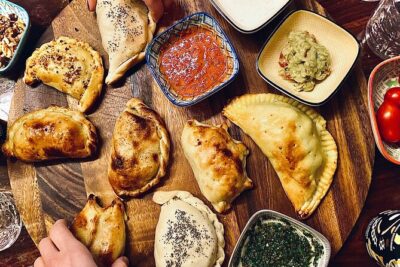
Buenos Aires Food Tour: Local Dishes, Steak, Empanada & More
Read our review →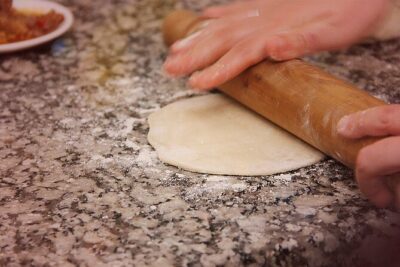
BA: Empanadas and Alfajores Cooking Experience in Palermo
Read our review →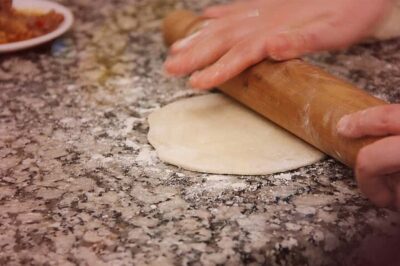
Argentinian Empanadas Cooking Experience in Palermo, Bs As
Read our review →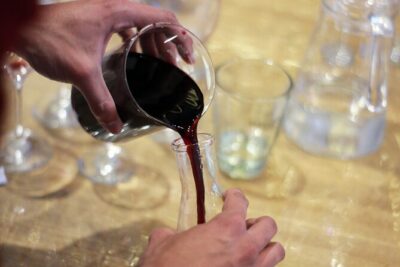
BA: Small Group Empanadas Cooking Class & Wine Tasting in Palermo
Read our review →
Roast and Empanadas Class with Wine |Mendoza|Braseando Experience
Read our review →Browse the lists this tour appears in