
Reviewed · FOOTBALL STADIUM TOURS
Visit to the Diego Armando Maradona Stadium in Buenos Aires
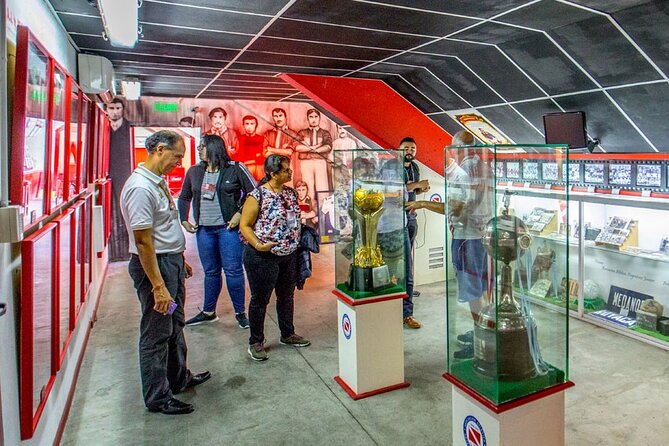
A visit to the Diego Armando Maradona Stadium in Buenos Aires is interesting because you are walking where football history happened, from Maradona’s official Argentine debut as a 15-year-old to Lionel Messi’s 2004 first steps in the Argentina national team shirt. I really love the local Argentinos Juniors focus, and I also like how the experience is guided by locals with energy, including Fernando and Camilla.
One possible drawback: this is a guided stadium and museum visit, not a match day. If you are coming for the full roar of game night, you will get the story and access, but the crowd noise will be missing.
Key highlights you will feel right away
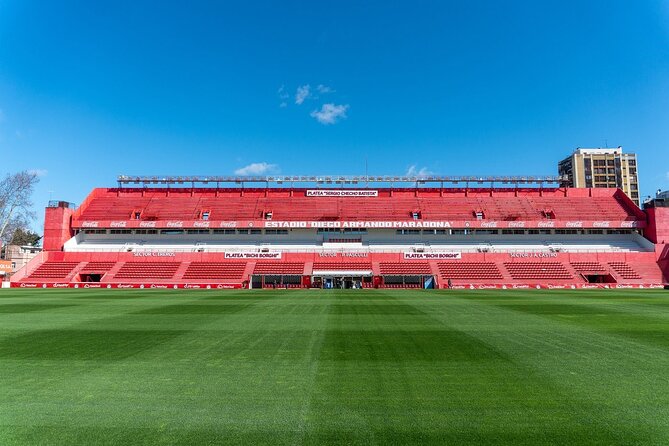
- Maradona and Messi on the same pitch: Maradona debuted there on Wed, Oct 20, 1976 at age 15, and Messi made his Argentina debut there in 2004.
- A fan-powered museum: The Temple of Soccer museum sits under a stand and includes items donated by supporters, including photos, shirts, cards, and trophies.
- Small group scale: Maximum 10 travelers, so questions actually happen.
- Real stadium access: You go beyond the gate, with time at the playing field and local locker room.
- Smooth start to finish: Hotel pickup and drop-off transfer included in the price.
Why this Maradona Stadium tour hits different in Buenos Aires
Buenos Aires has no shortage of football stops. The trick is finding one that feels personal, not like a generic checklist. This tour is built around one club and two huge names, and that makes the details land.
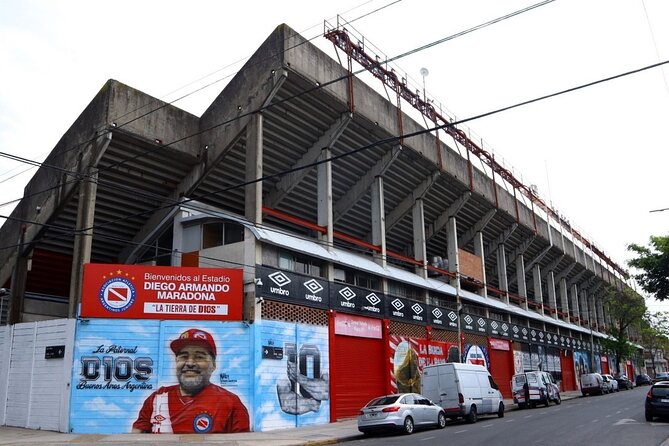
The stadium is home to Argentinos Juniors and holds about 26,000 people. That matters, because it keeps the vibe grounded. You are not touring a mega-venue designed mainly for tourists. You are stepping into a local football home where Maradona’s early Argentine debut is part of the everyday identity.
Also, you get a clean one-two format. First, you are on-site at Estadio Diego Armando Maradona. Then you switch to the museum, the Temple of Soccer, set up under one of the stands. That pairing helps you understand the club’s story in a way that a photo gallery never can.
More football stadium tours:
- Buenos Aires: Tickets to Boca Juniors Museum & Stadium
★ 4.5 · 581 reviews - Boca Juniors Tickets for a Match at La Bombonera
★ 4.5 · 140 reviews - Soccer Match in Buenos Aires with Transfers and Local Guide
★ 5.0 · 103 reviews
Estadio Diego Armando Maradona: from Argentinos Juniors to Oct 20, 1976
Your first stop is the stadium itself, and the guide’s job is to give you context fast. Even if you know Maradona’s story broadly, this is where the timeline becomes real.
This ground is recognized as the place where Diego Armando Maradona made his official debut in Argentine soccer on Wednesday, October 20, 1976, at age 15. He then played there for five years in the First Division. The club also lists him as the second all-time top scorer for Argentinos Juniors, with 116 annotations.
For you, the practical value of this context is simple: you are not just looking at architecture. You are placing a person in a specific moment, on a specific pitch. When you later see things in the museum, they will make more sense. That is the big advantage of doing the stadium stop first.
Capacity also helps set expectations. With around 26,000 seats, you can get a feel for how it would sound and look during a game, even on a tour day. It is big enough to carry atmosphere, small enough that the tour does not feel rushed into a tourist conveyor belt.
A note to keep your expectations realistic: the stadium portion is about admission and guided access, not a full match-day experience. Still, the feeling of walking where players would walk can be surprisingly powerful, especially if you are the type who pays attention to routes and spaces, like tunnels, bench areas, and the pitch line.
The Temple of Soccer museum under the stand: what you’ll actually see
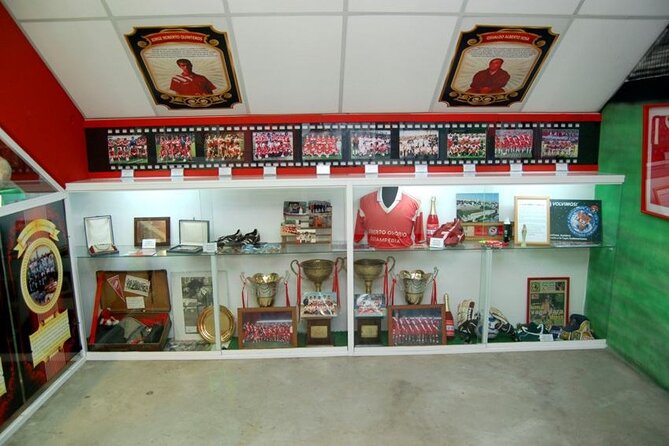
After the stadium stop, you move into the museum phase: the Museo – Estadio Diego Armando Maradona. This is dedicated to the soccer and institutional history of the club, and it is designed like a storytelling space rather than a warehouse of memorabilia.
The museum is set up under one of the stands, which keeps the connection to the pitch. You are not leaving the stadium to go to some faraway building. You remain inside the club’s physical world, which makes the items easier to imagine in context.
Inside, you will find photos, cards, trophies, shirts from different campaigns, and many other objects donated by fans. That last detail is a big deal. It means the museum is not only curated from official archives. It also reflects supporter memory, which tends to be more personal and emotionally specific.
Here is another detail that makes the museum especially meaningful for modern fans: the museum stop ties back to a landmark Messi moment. In 2004, Lionel Messi made his debut in this stadium with the Argentina national team jersey, in a friendly against Paraguay. That means the museum is doing more than celebrating one era. It is linking generations.
One practical advantage for your visit planning: the museum portion also includes time for the playing field and the local locker room. So you are not just sightseeing artifacts. You are connecting objects to the place where they matter.
Pitch time and the locker room: the “players’ route” effect
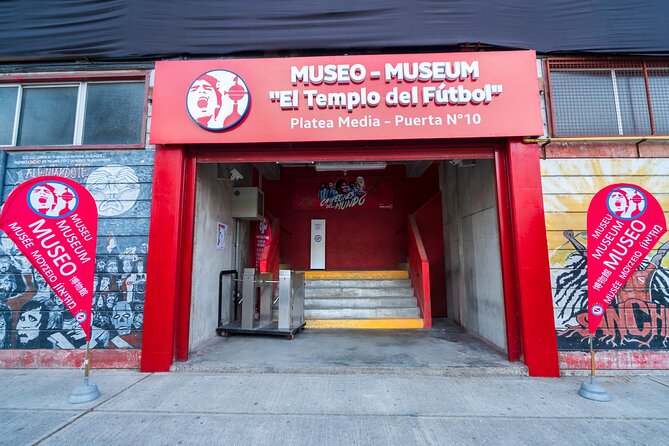
A lot of stadium tours stop at a viewpoint. This one goes further. During the museum portion, the tour includes a visit to the playing field and the local locker room.
For you, this is where the whole experience becomes real. Looking at a stadium from above is one thing. Standing on the grass area, seeing how the space sits, and getting a sense of how the locker room functions for a match day is another.
Even if you are not a hardcore technical football fan, you can still appreciate why it matters. Locker rooms are about routines. Fields are about angles and sightlines. When you stand there, the stories the guide tells start to feel less like trivia and more like living routine.
What to do with this time: listen for the guide’s explanations of the club’s identity and football moments, then let your mind connect them to what you see in front of you. The best tours give you both facts and spatial understanding. This one is built that way.
A few more Buenos Aires days worth comparing
- Local Foodie Adventure in Buenos Aires with Sherpa Food Tours
★ 5.0 · 6,875 reviews - Buenos Aires City Private Tour with Local Guide
★ 5.0 · 3,475 reviews - Buenos Aires Small-Group City Tour
★ 5.0 · 2,226 reviews - Buenos Aires Hop-On Hop-Off Bus, Free Walking Tours & Discounts
★ 4.5 · 2,218 reviews
Hotel pickup, bilingual guide, and the small-group advantage
The tour is set up to be easy in a city that can chew up time. Hotel pickup and drop-off transfer are included, which means you do not have to hunt for transport right before your headliner moment.
The group size is capped at a maximum of 10 travelers. That is not just a comfort point. It also changes the feel of the guide interaction. You are more likely to get direct answers and follow-up questions, rather than the tour turning into a lecture.
You also travel with a bilingual guide Spanish-English. That matters in practice because you can catch the details without struggling through one language for two hours.
The tour duration is about 2 hours 30 minutes. The pace is structured like this: the stadium stop is around 1 hour, then the museum portion runs about 1 hour 30 minutes. That is a good length for a Buenos Aires visit. It is long enough to feel complete, but not so long that you lose daylight or energy.
Because it is near public transportation, it is also flexible. If pickup logistics do not work for your hotel situation, you may still find it easy to reach with local transit. Still, the included transfer is a major convenience for most visitors.
Price and value: what $80 buys you in Buenos Aires
The price is $80.00 per person, with admission ticket included. You also get hotel pickup and drop-off, plus a bilingual guide.
Is it a good value? For me, yes, because you get three things that are often sold separately on other stadium visits:
- Stadium access with guided explanation
- A museum experience built into the stadium complex
- Additional site access such as the playing field and the local locker room
Then there is the human factor. The experience is repeatedly praised for guides who are locals and bring real passion. In your case, that tends to improve the value because stadium tours can be dry if the guide treats them like a script. Here, the vibe is described as engaging and enthusiastic, which is exactly what you want when you are hearing stories about Maradona and Messi.
Also, note the timing. This tour is often booked about 9 days in advance on average, which tells you it is a popular slot in the day. If you are flexible with dates, you can usually find something. If you have a fixed schedule, booking earlier is smart.
Who this stadium and museum tour is perfect for
This works best if you fall into at least one of these categories:
- You love football history, not just the famous headlines
- You want a compact Buenos Aires activity that feels authentic and local
- You like museums, especially those built with supporter contributions
- You prefer smaller groups and a guide who talks like a fan who knows the club
It is also a good choice if you want both eras explained in one visit. The Maradona debut details anchor the early legend. The Messi Argentina debut in 2004 keeps the story current.
If you are traveling with a partner who is less into football, this still can work, because the museum and locker room portions give you a human, place-based experience. It is not only names and dates. You are walking through the spaces where those moments happened.
A quick checklist so you enjoy it more
This tour is straightforward, but you can make it smoother with a bit of prep:
- Wear comfortable shoes. Stadium surfaces and indoor museum stairs can be uneven.
- Bring a light layer. Buenos Aires weather can swing, and you spend time moving between outdoor and indoor areas.
- Have your questions ready. With a group capped at 10, the guide can actually respond.
- If you are a big Maradona fan, keep your attention on the timeline points the guide gives you early, especially the Oct 20, 1976 detail.
Should you book the Maradona Stadium and Temple of Soccer tour?
I think you should book it if you want a Buenos Aires football stop that feels rooted in the club and not staged for tourists. The combination of Estadio Diego Armando Maradona access and the Temple of Soccer museum under the stands is a strong match for people who like stories tied to real places.
Book it soon if you already know your travel dates. With limited group size and a steady booking rhythm, planning ahead saves stress.
Skip it only if your top priority is match-day energy. This is a tour. You come for access, context, and the feeling of walking the players’ spaces, not for live crowds.
If you want your Buenos Aires itinerary to include something that is genuinely local, and you care about the figures who shaped Argentine football, this is one of the simplest yes decisions you can make.
FAQ
How long is the Diego Armando Maradona Stadium and museum tour?
The tour lasts about 2 hours 30 minutes (approximately).
What does the tour cost?
It costs $80.00 per person.
What stops are included in the tour?
You visit Estadio Diego Armando Maradona and then the Museo – Estadio Diego Armando Maradona, which includes the stadium museum.
Is hotel pickup and drop-off included?
Yes. Hotel pickup and drop-off transfer are included.
What is included besides the museum entrance?
The tour includes a museum entrance, a bilingual guide Spanish-English, and it also includes a visit to the playing field and the local locker room during the museum part. Admission tickets are included.
How big is the group?
The tour has a maximum of 10 travelers.
Can I cancel for free, and when do I need to cancel by?
Yes, there is free cancellation. You can cancel up to 24 hours in advance for a full refund.
Recently reviewed around Buenos Aires
- Meet Locals: Language Exchange Café in Buenos Aires★ 5.0 · 10 reviews
- Piazzolla Tango Show Only In Buenos Aires★ 4.5 · 10 reviews
- Madero Tango Show Including Executive Dinner In Buenos Aires★ 3.5 · 10 reviews
- Private City Tour & Transfer to the International Airport★ 5.0 · 10 reviews
- Esquina Homero Manzi Tango Show Ticket Including Optional Dinner in Buenos Aires★ 4.5 · 10 reviews
- VIP Dinner & Tango Show at El Viejo Almacen★ 4.5 · 10 reviews
- Premium service Buenos Aires city tour for small groups★ 4.0 · 11 reviews
- Buenos Aires City Tour★ 4.5 · 11 reviews
Football Stadium Tours, compared.
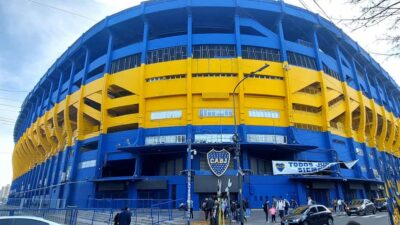
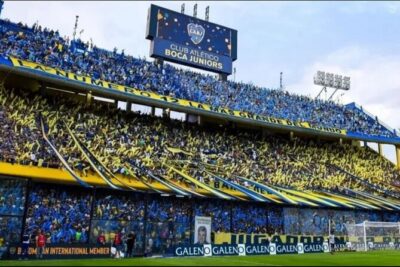
Boca Juniors Tickets for a Match at La Bombonera
Read our review →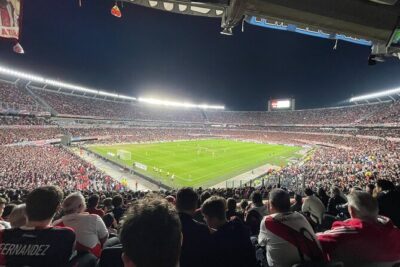
Soccer Match in Buenos Aires with Transfers and Local Guide
Read our review →
Buenos Aires Football Experience: Boca & River Stadium Tour
Read our review →
Boca Juniors Game at La Bombonera with Local & Transport
Read our review →Browse the lists this tour appears in