
Reviewed · FOOTBALL STADIUM TOURS
TodoMaradona in Buenos Aires: Diego Maradona House Museum and Stadium
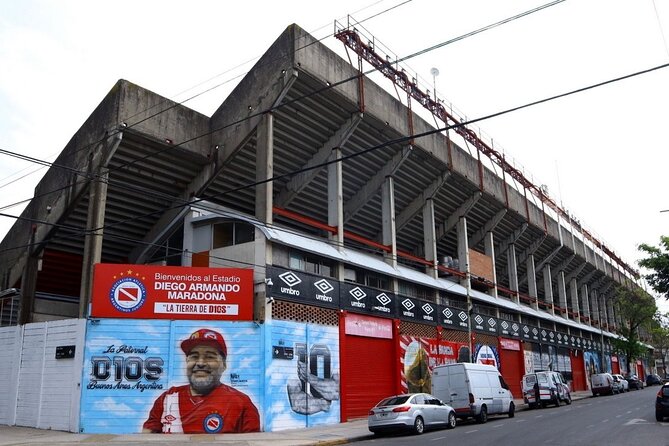
Diego Maradona is the kind of figure that turns football into a lived-in story, and this tour connects his early neighborhood, his first-team debut site, and his family home in one tight loop. I like the way the route pairs La Paternal streets with the stadium and museum stops, and I also like the focus on an English-speaking guide who can answer real questions, not just recite facts. One consideration: you are out for about 3 hours and you’ll do some walking, so comfortable shoes and a little planning for warm weather help.
The payoff is how personal it feels. You start at the stadium museum side of the story, then you move through the neighborhood where he was forming as a player, and you finish at La Casa de D10S, the first home he owned with his family during the Argentinos Juniors era.
Key highlights at a glance
- Museum made by fans at the stadium, built through voluntary work
- Debut at age 15 linked to Argentinos Juniors and the stadium tour spaces
- La Casa de D10S (1978 to 1980), his early family home turned into a museum site
- La Paternal walk through the same area tied to his starting years
- Small group size (up to 10) plus hotel pickup and drop-off
Why this Maradona tour works, even if you are picky about museums
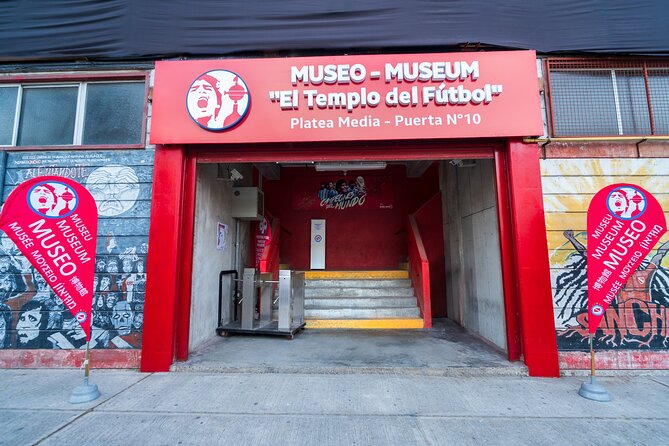
This is not a generic “greatest hits” sightseeing stop. The idea is simple: Maradona’s story shows up in three places you can actually visit, and the tour keeps moving so you do not feel stuck in one room.
The stadium visit anchors the football side. The neighborhood walk grounds it in place. Then the house museum gives you the family, everyday-life angle, where the legend has room to feel human. If you care about the why behind the idol, you’ll probably enjoy the pacing.
Also, the guide quality matters here. On different days, I’ve seen the tour run with guides such as Fernando and Claudia, and the common thread is that they explain the club and Maradona’s life in clear English, with time for questions. That makes a big difference when you are spending real money and real hours.
Possible drawback: because it’s a compact combo, you won’t get hours and hours at each stop like you would with a dedicated museum half-day. It’s designed to be efficient.
More football stadium tours:
- Buenos Aires: Tickets to Boca Juniors Museum & Stadium
★ 4.5 · 581 reviews - Boca Juniors Tickets for a Match at La Bombonera
★ 4.5 · 140 reviews - Soccer Match in Buenos Aires with Transfers and Local Guide
★ 5.0 · 103 reviews
The 3-hour plan: stadium first, then La Paternal, then La Casa de D10S
The itinerary flows in a way that builds meaning as you go.
Stop 1 is Museo Estadio Diego Armando Maradona, where you get the stadium museum experience and access to several key areas like the playing field and internal spaces. This matters because it’s the football origin point, including his debut with the Argentinos Juniors jersey at age 15.
Stop 2 is a walk through La Paternal, the neighborhood tied to his early years. You’re not just passing by buildings. You’re moving through streets connected to how his career started, and your guide can point out how the setting fits the timeline.
Stop 3 is La Casa de D10S, the house museum. The tour ends with a more emotional, personal stop, focused on the home he lived in with his family while he played for Argentinos Juniors (1978 to 1980). You’ll explore the house museum setting and get context for how the site was recovered, valued, and recognized as a historic place by the city parliament.
This order is smart. Stadium first makes Maradona’s football identity legible. La Paternal then gives you the street-level reality. The home museum finishes the story with daily life.
Stop 1: The stadium museum at Estadio Diego Armando Maradona
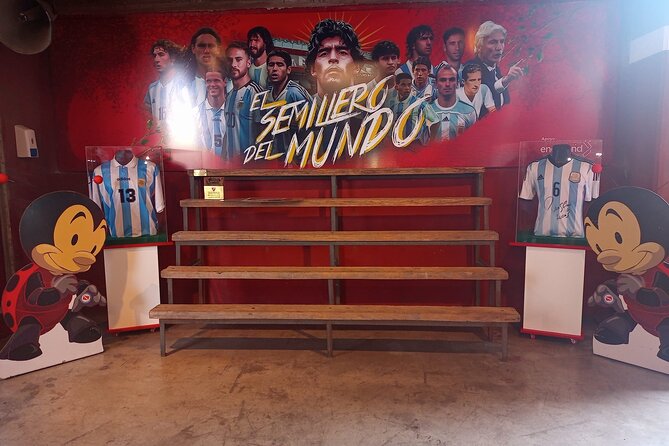
At the stadium, you are not only looking at memorabilia. You’re walking through spaces tied to how a player’s day-to-day works, and you’re seeing the “stage” where a young Maradona put on an Argentinos Juniors jersey and made his debut.
What you can expect during the stadium part:
- The playing field access as part of the tour flow
- Changing rooms and behind-the-scenes areas
- Central hall, press room, and stands
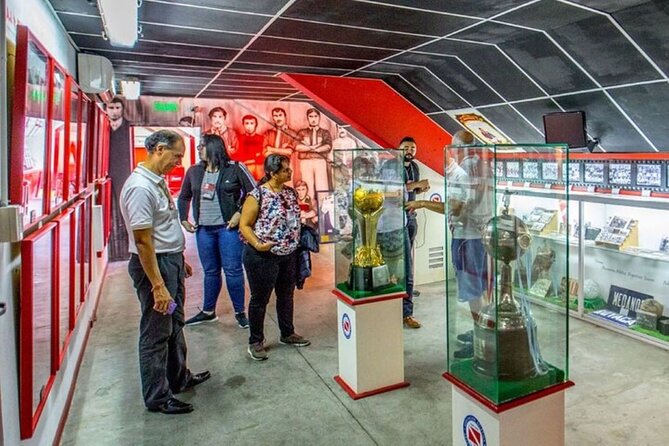
There is also the Museum called the Temple of Soccer, and the most interesting feature is how it was made. This museum was built entirely by fans and members of the institution through volunteer work. That tells you something important about the place: it’s not just official displays. It’s community memory turned into a visitor experience.
One practical note: parts of the stadium can be in works or updates. Even if there are changes around the building, the tour is still designed to guide you through the main stadium areas. If you hate uncertainty, you might still find it reassuring to know the route is structured.
For football fans, this stop is usually the most satisfying because it turns a famous name into specific locations you can stand in.
Stop 2: La Paternal, the neighborhood walk that adds context
La Paternal is where the tour becomes more than just tickets and rooms. This is the neighborhood tied to his early start in soccer, the streets he walked as he was beginning out.
The value here is that you can mentally connect three time periods:
- the neighborhood where he was growing as a player
- the club setting tied to Argentinos Juniors and his debut
- the family home later in the story when his career was already moving
This is also where your guide earns their pay. A good guide can explain how a neighborhood shapes a player’s early football life, and this tour is built to keep those explanations tied to what you are seeing.
What to consider:
- It’s a walking component.
- Buenos Aires weather can swing from mild to hot, so plan for sun and heat.
Even if you’ve been to Buenos Aires before, this kind of neighborhood walk feels different because it has a specific purpose.
More museums in Buenos Aires:
- Buenos Aires: River Plate and Boca Juniors Museum Tour
★ 4.5 · 72 reviews - Buenos Aires: Hop-On Hop-Off Bus and Football Museums
★ 4.3 · 39 reviews - Buenos Aires: Tickets to River Plate Museum
★ 4.6 · 32 reviews - Boca Juniors and River Plate Stadium Tour + TOP Museum.
★ 4.5 · 30 reviews
Stop 3: La Casa de D10S, his family home from 1978 to 1980
The house museum stop is where the tour shifts tone. In the stadium, it’s about football spaces and public stages. At La Casa de D10S, it’s about private life, family, and the home side of being a young star.
Key details that make this stop special:
- It was the first home owned by Maradona and his family during his Argentinos Juniors years, specifically 1978 to 1980.
- Argentinos Juniors is credited with giving the house to Diego on his 18th birthday.
- The home was later recovered and recognized by the city parliament as a historic place in homage to him.
The tour approach matters too. This is not just a quick pass through rooms. You get a guided visit that helps you understand why people worked to recreate the setting and why it matters to Argentinos Juniors and Maradona supporters.
In warmer weather, this is also a place where a pause is good. The tour is compact, so you’ll appreciate the chance to slow down and absorb the atmosphere.
If you are a football fan who only cares about matches and trophies, this stop might feel a little softer than the stadium. If you want the human side of the myth, it’s likely your favorite.
Guides and group size: small, personal, and in English
This experience runs with a maximum of 10 travelers, which is a big deal for how tours feel. With a smaller group, it is easier for the guide to keep attention on you, answer questions, and manage pacing across the stadium, the neighborhood walk, and the house museum.
You also get an English guide, and that’s not a throwaway detail. At places like these, the difference between a basic explanation and a strong narrative is enormous. The guides I’ve seen lead this kind of combo, including Fernando and Claudia, tend to bring energy and context, and they handle questions during the visit rather than treating the talk like a one-way lecture.
Pickup and drop-off are included, too. You’re collected at your hotel door within Buenos Aires, which helps you avoid wasting your morning or afternoon on transit logistics.
If you’re the sort of traveler who likes your guide to connect dots between places, this size and format is a good fit.
Price and value: what $138 buys you, and why it can be fair
At $138 per person for about 3 hours, you’re paying for a specific combo: hotel pickup and return, guided visits with entrances, and a two-part experience that mixes museum time with a neighborhood walk.
This is not cheap in absolute terms. But if you price it realistically as:
- guided access to a stadium museum experience
- guided entry to the house museum
- a structured neighborhood walk with local explanation
- hotel pickup and drop-off
…then the value starts to make sense, especially because the tour tries to cover a lot of meaning in a short window.
One more thing: small-group tours with English support tend to cost more than large-vehicle city tours. Here, the cap at 10 travelers helps keep the experience personal, and that can justify the price when you compare it with self-guided wandering.
If you only want one stop, like just the stadium or just the house museum, it may be more cost-effective to do that separately. But as a football-and-place story in one go, this combo is designed for value.
Timing, tickets, and getting ready without stress
A few practical notes from how the tour is set up:
- You receive mobile tickets.
- Pickup is arranged from the door of your hotel in Buenos Aires.
- You usually get confirmation at booking time.
- The tour language is English.
- Most people can participate, since the tour is built for general travelers rather than specialized equipment needs.
What I recommend you do to keep the experience smooth:
- Wear comfy shoes for the neighborhood walk and stadium paths.
- Bring water or plan to have it handy, especially in hot weather.
- If you are a serious football fan, come with 1 or 2 questions you genuinely want answered, like early career context or how the museum sites came to exist. The best guides will use your questions to shape the tour.
And if you’re planning your trip timeline, this kind of experience tends to book ahead. On average, it gets booked about 54 days in advance, so reserving early can save you from last-minute availability issues.
Who this tour suits best
This tour is a strong match if you:
- care about Maradona beyond highlight reels
- like guided context at historic sports sites
- want both the stadium story and the family home story without having to plan two separate visits
- prefer small-group tours with space for questions
It might be less ideal if:
- you dislike walking or want a very slow, long museum day
- you only want one type of experience, like stadium only
- you need a totally flexible schedule, since the stops are set into a guided loop
Should you book TodoMaradona in Buenos Aires?
I’d book it if you want a focused, story-driven Maradona route in one afternoon. The stadium museum + La Paternal walk + La Casa de D10S combination is what makes it worth your time, and the small group size helps keep the tour personal. At a price of $138, it’s fair when you factor in pickup, entrances, and an English guide who can explain what you’re seeing.
If you are on the fence, ask yourself this: do you want a Maradona experience that connects places to his early life and career progression? If yes, this is a very good use of a few hours in Buenos Aires. If your ideal day is more independent and less structured, consider doing only one stop, then spend the rest of your day exploring on your own.
FAQ
How long is the TodoMaradona tour in Buenos Aires?
The tour lasts about 3 hours.
What is the price per person?
The price is $138.00 per person.
Do you get hotel pickup and drop-off?
Yes. The tour includes hotel pickup and drop-off, picking you up at the door of your hotel in Buenos Aires.
Is the tour in English?
Yes. The tour is offered in English.
How many people are in the group?
The tour has a maximum of 10 travelers.
What stops are included in the itinerary?
You’ll visit the stadium museum at Estadio Diego Armando Maradona, walk through La Paternal, and visit La Casa de D10S (the house museum).
Can I cancel for a full refund?
Yes. You can cancel up to 24 hours in advance for a full refund.
Recently reviewed around Buenos Aires
- Join the mate round and discover its ritual the Argentine way★ 5.0 · 3 reviews
- Shore Excursion: Buenos Aires, Customizable Private City Tour★ 5.0 · 3 reviews
- Carlos Gardel Tango Show Only In Buenos Aires★ 5.0 · 3 reviews
- Dinner Tango Show + Wine Tasting in Buenos Aires★ 4.0 · 3 reviews
- Sailing on the Rio de la Plata Postcards from Buenos Aires★ 5.0 · 3 reviews
- Private City Tour in Buenos Aires Including Lunch in Puerto Madero★ 5.0 · 3 reviews
- Private City Tour with Local Guide in Buenos Aires★ 5.0 · 3 reviews
- El Viejo Almacen Tango Show With Transfers From Port & Hotels In Buenos Aires★ 5.0 · 3 reviews
Football Stadium Tours, compared.
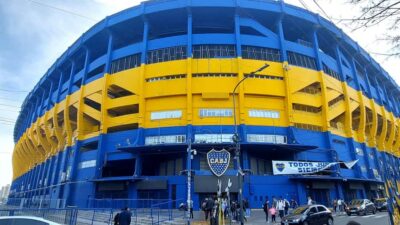
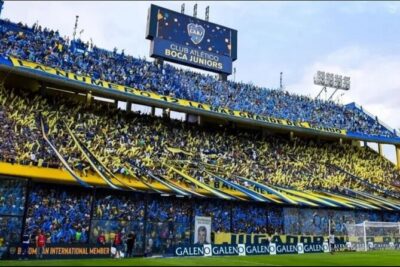
Boca Juniors Tickets for a Match at La Bombonera
Read our review →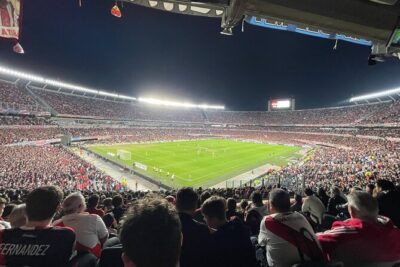
Soccer Match in Buenos Aires with Transfers and Local Guide
Read our review →
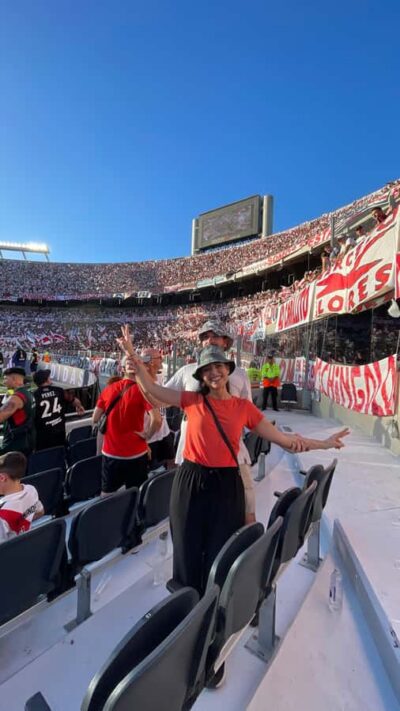
Buenos Aires Football Experience: Boca & River Stadium Tour
Read our review →
Boca Juniors Game at La Bombonera with Local & Transport
Read our review →Browse the lists this tour appears in