
Reviewed · COOKING CLASSES
Pachamama – Argentine Cooking Experience in Buenos Aires
A Pachamama cooking experience is interesting because it mixes food with story, and it does it in a real working kitchen in Buenos Aires. You start with a homemade picada tasting, then move straight into cooking, with a private setup so you are not swallowed by a big crowd.
I love two things about this kind of class. First, you get to cook a full menu, not just sample a dish and call it learning. Second, you hear how ingredients and traditions shaped Argentine food, before you start folding empanadas and building plates for lunch.
One thing to consider is that the class runs on a set timeline, so steps are shared and the pace can feel a little structured. If you want to do every single task from start to finish by yourself, you might feel slightly split up.
Key highlights you should care about
- Hands-on, from scratch: you make and shape multiple parts of the meal
- Homemade picada at the start: a snack-first way to get into Argentine mode
- Wine tasting included: part of the food experience, not an add-on
- Private group experience: no mingling with strangers in a large room
- Dietary flexibility: vegetarian available, and specific needs can be handled when you ask
- Central meeting point: easier to get to than most food tours tucked away in side streets
Argentine Cooking in Buenos Aires, where the picada sets the mood
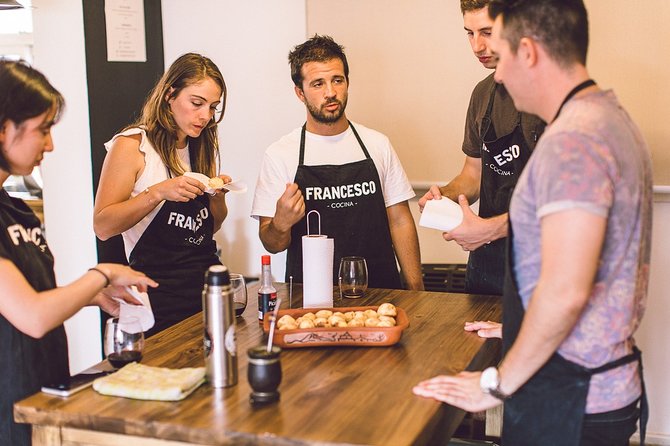
Buenos Aires has a lot of ways to eat well, but this type of cooking class gives you something different. You do not just taste Argentine cuisine, you make it. That matters because Argentine food is all about technique and comfort, from dough work to slow-building flavors in stews and fillings.
The experience begins at 11:00 am with a welcome homemade picada, so you are snacking while the hosts set the tone. Instead of launching you into recipes immediately, you get a quick sense of the cuisine’s identity first. That start helps everything click later, when you are cooking and plating.
The setting also helps. The meeting spot is in a central area at Tte. Benjamín Matienzo 1559, and the class ends back at the same point. You are not spending half your day on transit or playing guess-the-neighborhood.
More cooking classes in Buenos Aires:
- Argentine Experience Interactive Dining and Cooking
★ 5.0 · 1,382 reviews - Cooking Class Designed by Michelin Chef @ Argentine Experience
★ 5.0 · 1,123 reviews - Buenos Aires: Empanadas and Alfajores Guided Cooking Class
★ 4.8 · 486 reviews
What actually happens during the class, step-by-step
This is built as a timed, hands-on flow, about 3 to 3.5 hours depending on how the experience is adapted. For private groups, it can be adjusted down to 2.5 hours, which is useful if you are trying to fit it between other plans.
Here is the rhythm you can expect:
Welcome tasting and the Argentine food story
Right at the start, you taste the picada and get a short history-style intro to Argentine cuisine. You are not expected to memorize facts. It is more about context, like where flavors came from and how certain dishes became part of everyday eating. That context turns your lunch from random recipes into something you understand.
Roll up your sleeves: a whole menu from scratch
After the intro, you cook a four-course local menu. The structure is a snack or appetizer, then an appetizer, then a main course, and finally dessert. This is the core value here. You leave with more than one recipe. You leave with a meal you can picture repeating at home.
Wine tasting is included during the experience, along with beverages and bottled water. Alcoholic beverages are part of the package too, so it is not just a soft drink and water lesson.
A few more Buenos Aires days worth comparing
- Local Foodie Adventure in Buenos Aires with Sherpa Food Tours
★ 5.0 · 6,875 reviews - Buenos Aires City Private Tour with Local Guide
★ 5.0 · 3,475 reviews - Buenos Aires Small-Group City Tour
★ 5.0 · 2,226 reviews - Buenos Aires Hop-On Hop-Off Bus, Free Walking Tours & Discounts
★ 4.5 · 2,218 reviews
Hands-on cooking, not a show
This is the part that consistently earns the highest praise. You do real work in the kitchen, like shaping dishes, assembling components, and helping with plating. You are not hovering nearby, watching someone else perform.
One practical detail: to keep things moving and let everyone participate, tasks are divided so you may not do every single step of every dish start to finish. Still, you should expect to cook more than you think, including tasks like dough handling, folding techniques, and meal assembly.
Sit down to eat what you made
In the end, you sit around the table and eat what you cooked. This is not just a nice perk. It is how you learn. You taste, you compare flavors, and you connect the steps you did to the final results.
The menu you will make, with empanadas and humita energy
The class is designed around Argentine staples and region-inspired dishes. Based on what you can expect in the kitchen, a few highlights come up again and again:
Empanadas, including dough work and folding
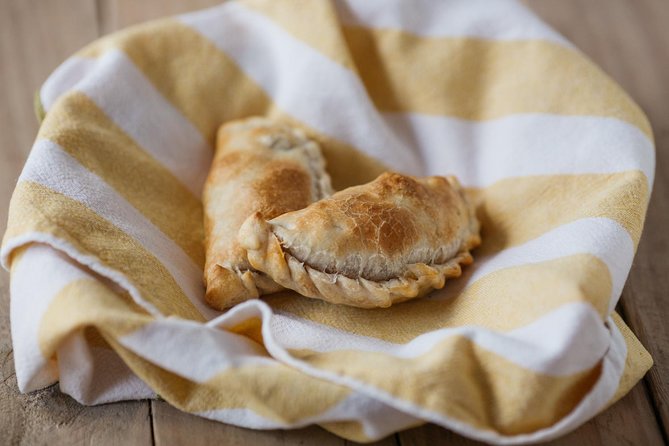
Empanadas are a big focus. You will be involved in the process, including working with dough, filling, and the folding technique. Even if empanadas are new to you, the structure is beginner-friendly because the hosts guide you while keeping the momentum of the class.
Empanadas also show how Argentine cooking balances flavor and texture. The dough matters, the filling matters, and the folding matters because it shapes the final bite.
Humita and comfort-food main-course vibes
Humita appears in the class experience as a standout dish. Humita is the kind of food that feels cozy and grounded, not flashy. It also gives you practice with building a flavor base and finishing a dish so it tastes like something you would crave again.
A stew element and dessert plating
You will also work with a course that feels like a warm, spoonable main or stew-style dish. You might notice it is not always made to be extremely salty, and the intent is usually to let you season to your own taste rather than making everything identical for every palate.
Dessert is included too, and you will be invited to plate it. That last moment is more fun than you might expect, because it lets you finish the menu with ownership instead of just leaving the kitchen when cooking ends.
Private by design, social in practice
A private setup is a real advantage in Buenos Aires. Here, private means only your group participates, which cuts down on waiting your turn and reduces the chaos that can happen in larger classes.
That said, the experience is still social because you eat together at the table. You might meet fellow travelers through conversation, and the hosts also tend to share local Buenos Aires recommendations along with the class.
One more nice touch: you get class pictures and class recipes tied to your experience. That makes it easier to remember what you made and recreate it later.
Price and value, what $75 gets you in a real Argentine meal
At $75 per person, this is not a cheap snack tour. You are paying for an organized kitchen experience: ingredients, instruction, beverages, and a full four-course lunch you cook yourself.
Here is why the price can make sense:
- You get a meal that is more than a sample, it is a structured lunch.
- Wine tasting is included, plus beverages and bottled water.
- You get recipes and photos afterward, which adds real value if you actually cook at home.
- You get private-group attention, so you are not stuck behind a crowd.
If you compare it to paying for separate empanadas, a restaurant lunch, and a cooking class ticket somewhere else, this tends to feel like a concentrated bargain. It is one session that replaces multiple outings.
Tip for planning: classes are popular, with an average booking window around 40 days in advance, so I suggest securing your date early once you know your Buenos Aires schedule.
Dietary needs and vegetarian options, including real accommodation
The experience offers a vegetarian option, and you should request it at booking. That is important because it affects what you cook and how the menu is built.
For other dietary needs, the key is communication. The class asks you to advise specific dietary requirements at time of booking. One guest had celiac disease and was accommodated in a way that still allowed participation. That is a good sign, but I still recommend you treat your needs as part of your planning, not something you leave to chance.
Practical advice: when you book, be clear about what you cannot eat. If it is allergy-related, mention that too. You will get the best results when the kitchen has time to plan.
Location details that make your life easier
Meeting point: Tte. Benjamín Matienzo 1559. Start time: 11:00 am. End: back at the same meeting point.
You are near public transportation, which matters in Buenos Aires where getting across neighborhoods can take longer than you expect. Also, since there is no hotel pickup or drop-off included unless you select that option, having a central meeting spot saves you money and time.
What to wear: you are in a kitchen, so think comfortable clothes and shoes you do not mind getting a little food-adjacent. Bring a phone you can handle with flour and sauces, but keep it secure.
How long should you plan, and what to do with the rest of your day
Plan for around 3 hours, and keep 3.5 hours in mind just in case. If your private group is adapted to 2.5 hours, you might have more daytime left, but for a standard booking you should expect to treat this like a real half-to-three-quarter-day activity.
Because lunch is included, you can usually skip an immediate meal afterward. Use the extra time to walk it off or head out to nearby sights. The hosts often share restaurant and activity recommendations too, so you will leave with ideas you can use the same day.
Who this cooking class fits best
This experience is a strong match if you:
- Want hands-on cooking where you do the work, not just watch.
- Love Argentine classics like empanadas and want guidance that feels structured.
- Prefer a private group setup for a calmer, less hectic experience.
- Want something social that still feels personal at your own table.
It is also a good choice if you have a mix of cooking levels. The class format is designed so you can contribute even if you are not a natural in the kitchen.
If you are the kind of traveler who wants total freestyle cooking, where you control every step and every recipe, you may find the timed format a little limiting. But if your goal is to learn technique and walk away with a menu you can reproduce, you will likely be very happy.
Should you book Pachamama in Buenos Aires?
I think you should book this if your trip has room for a real cooking session and you want lunch that feels earned. The value is strong because you get a full menu, wine tasting, and recipes plus photos, all in a private setting at a central location.
I would not book it if you hate structured timelines or you only want to cook one dish in extreme depth. The class shares tasks to make sure everyone participates and the meal hits the table on time.
If you want a practical decision: book it on a day when you are not rushing to catch another booking right after. Plan to eat lunch, learn techniques like empanada folding, and leave with a new set of Argentine flavors you can actually cook again at home.
FAQ
How long is the Pachamama Argentine Cooking Experience?
It runs about 3 hours on average. The experience can be around 3.5 hours, and for private groups it can be adapted to about 2.5 hours.
Where do I meet for the class?
You meet at Tte. Benjamín Matienzo 1559, C1426 C1426DAA, Buenos Aires. The activity ends back at the same meeting point.
What time does the class start?
The start time is 11:00 am.
Is the tour private?
Yes. It is a private tour or activity, so only your group participates.
Is the class offered in English?
The class is offered only in English. For private groups, it can be held in Spanish.
What is included in the price?
The price includes all taxes, fees, and handling charges; beverages; bottled water; wine tasting; a four-course lunch; and alcoholic beverages.
Are vegetarian meals available?
Yes. A vegetarian option is available, but you need to request it at the time of booking.
Can they accommodate dietary requirements like celiac?
You should advise specific dietary requirements when you book. The experience has accommodated a celiac guest in the past, and the team can plan accordingly when you share your needs ahead of time.
Is hotel pickup or drop-off included?
Hotel pickup and drop-off is not included unless you select that option. The default is meeting at the location and returning there.
Do I get recipes and photos?
Yes. You will receive class recipes and class pictures as trip memories.
What is the cancellation policy?
Free cancellation is available up to 24 hours before the experience starts for a full refund. If you cancel less than 24 hours before, the amount paid will not be refunded.
Recently reviewed around Buenos Aires
- Meet Locals: Language Exchange Café in Buenos Aires★ 5.0 · 10 reviews
- Piazzolla Tango Show Only In Buenos Aires★ 4.5 · 10 reviews
- Madero Tango Show Including Executive Dinner In Buenos Aires★ 3.5 · 10 reviews
- Private City Tour & Transfer to the International Airport★ 5.0 · 10 reviews
- Esquina Homero Manzi Tango Show Ticket Including Optional Dinner in Buenos Aires★ 4.5 · 10 reviews
- VIP Dinner & Tango Show at El Viejo Almacen★ 4.5 · 10 reviews
- Buenos Aires City Tour★ 4.5 · 11 reviews
- Premium service Buenos Aires city tour for small groups★ 4.0 · 11 reviews
Cooking Classes, compared.
Argentine Experience Interactive Dining and Cooking
Read our review →
Cooking Class Designed by Michelin Chef @ Argentine Experience
Read our review →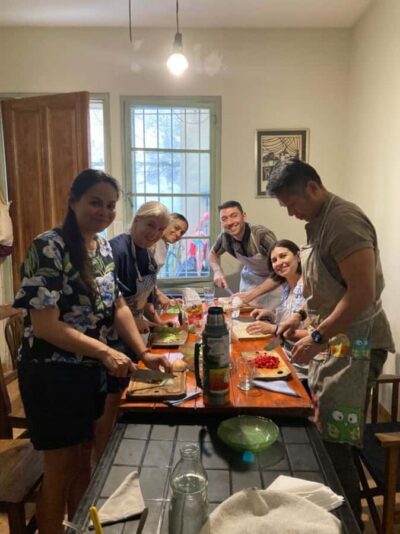
Private Cooking Lessons and Food Tasting in Buenos Aires
Read our review →
3-Hour Buenos Aires Empanadas and Alfajores Cooking Class
Read our review →
3h Cooking Class in Mendoza with 7 Recipes & Bottomless Drinks
Read our review →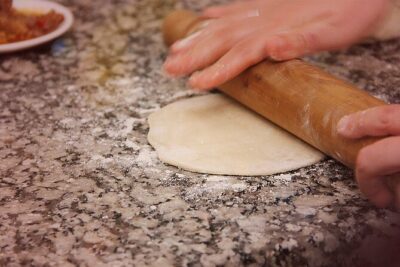
BA: Empanadas and Alfajores Cooking Experience in Palermo
Read our review →Browse the lists this tour appears in