
Reviewed · WORKSHOPS
Buenos Aires: Mate Workshop y Otras Yerbas
Mate is one of those travel experiences that can feel small until you understand it. In Buenos Aires, a good mate workshop turns a casual sip into something you can actually explain, share, and keep using at home. And because it is hands-on, you do not just listen, you participate in the ritual.
I really like that this session is built around practical mate brewing and a guided yerba tasting. You get to learn what goes into a proper mate, then compare multiple yerba types by variety, production, and cultivation. There is also a clear culture component, with stories, myths, legends, and history to make the tradition click.
The main consideration is that it is short, 60 minutes, and it is based in Recoleta with no transportation included. If you are far away or you want a slow, long tasting evening, this format may feel a bit quick.
Key things to know before you go
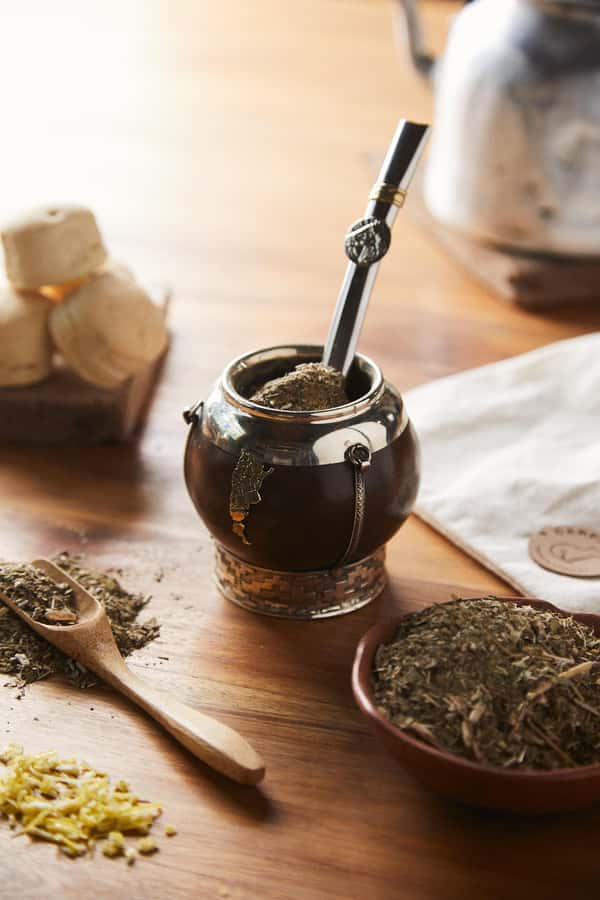
- Brew your own mate with a gourd provided for the session
- Taste 4 types of yerba and learn how they differ by production and cultivation
- Learn the mate culture through stories, anecdotes, and common myths
- Snack like a local with classic Argentine pastries made for mate time
- English and Spanish support from the hosts during the masterclass
- English, Spanish, plus some original-language content so expect some natural speed
Mate Workshop in Recoleta: A 60-minute culture lesson you can use again
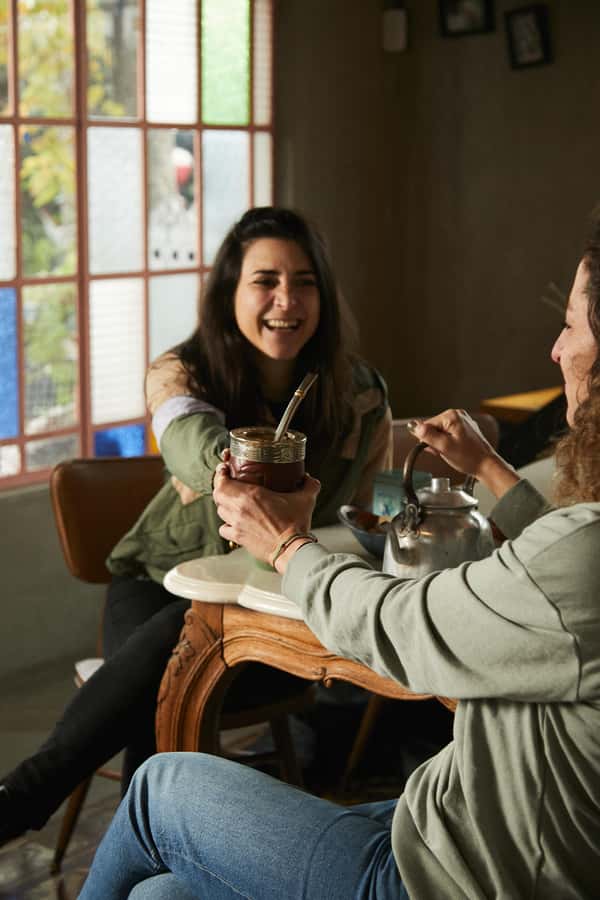
This is one of the more efficient ways to understand Argentine food and everyday life in Buenos Aires. Mate is not only a drink. It is a habit built around sharing time, passing a gourd, and knowing how to prepare it without turning it into something bitter or flat. In an hour, you will not master everything about mate. But you will leave with enough technique and context to make your own mate with confidence.
The workshop takes place in the Recoleta area, and the experience is designed to fit a tight schedule. That matters because this is not a long dinner-style event. It is a focused masterclass where you learn, taste, and ask questions in real time.
Pricing is $50 per person for a 1-hour session, which is not “cheap” in the way some street-food tastings can be. But you are paying for a guided setup: you get your own mate to use in the meeting, multiple yerba tastings, and pastries that are specifically meant to accompany the mateada. When you compare it to buying a few specialty yerbas and a few snacks on your own, the value often holds up, especially if you like structured learning rather than wandering randomly through shops.
A few more Buenos Aires days worth comparing
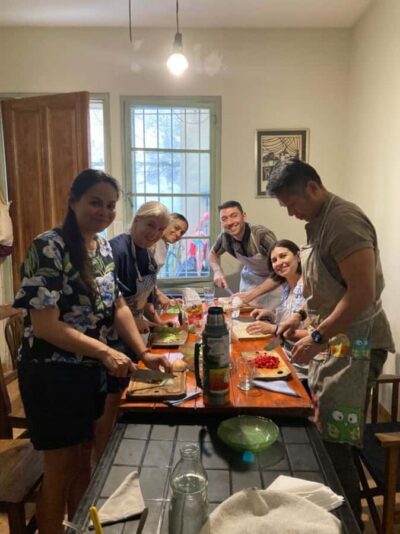
- Cooking Class Designed by Michelin Chef @ Argentine Experience
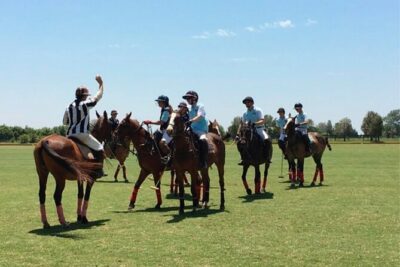
★ 5.0 · 1,123 reviews - Polo Lessons from Buenos Aires by Polo Elite
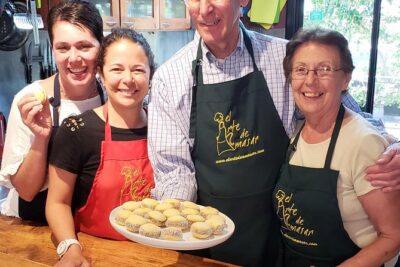
★ 5.0 · 501 reviews - Buenos Aires: Empanadas and Alfajores Guided Cooking Class
★ 4.8 · 486 reviews
Meet Vale and Juli: the hosts and the vibe of the session
This workshop is created by Vale and Juli, who run a project called Carpincha. Their approach is not lecture-only. They treat mate like a ritual you learn by doing, and they frame the tasting around customs you can recognize once you start noticing mate in everyday life.
You should expect an experience that mixes short teaching moments with group participation. The goal is to feel like someone is inviting you into their home rhythm, where the conversation starts with the basics and grows from there. In the same way a family might greet you, then immediately offer mates, you will get step-by-step guidance rather than a vague “try this and that” tasting.
One practical plus: you will have support in English and Spanish. That makes a real difference for learning brewing technique. If you only get the gist, brewing can still be confusing. Here, the hosts explain clearly and answer questions, including the kind of details that help you adjust your method later.
Brewing your own mate: what you do in the first part of the workshop
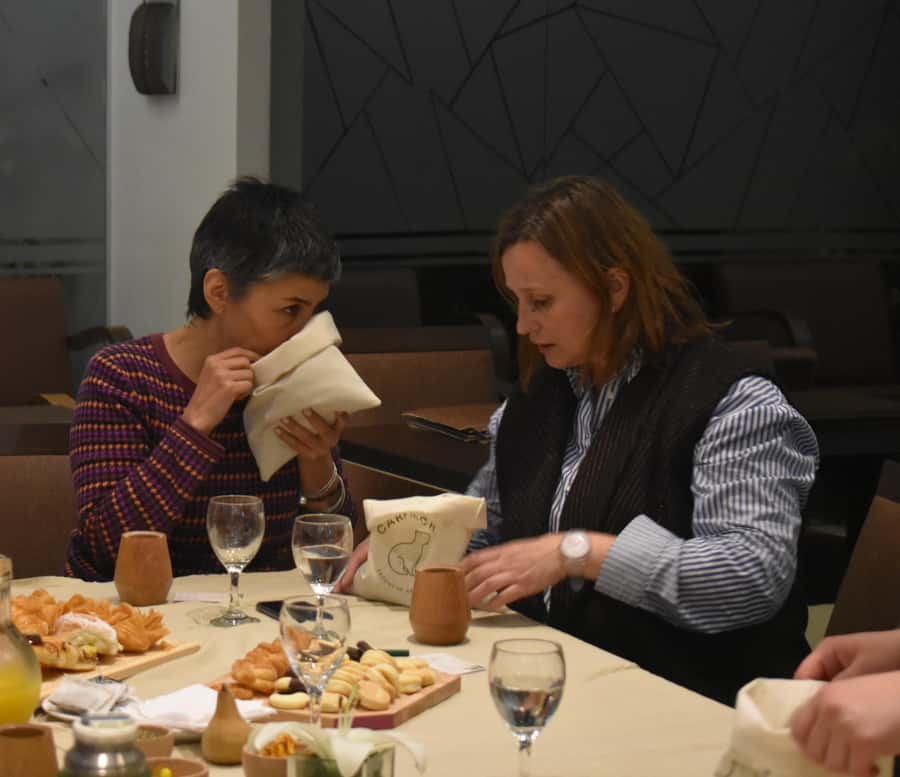
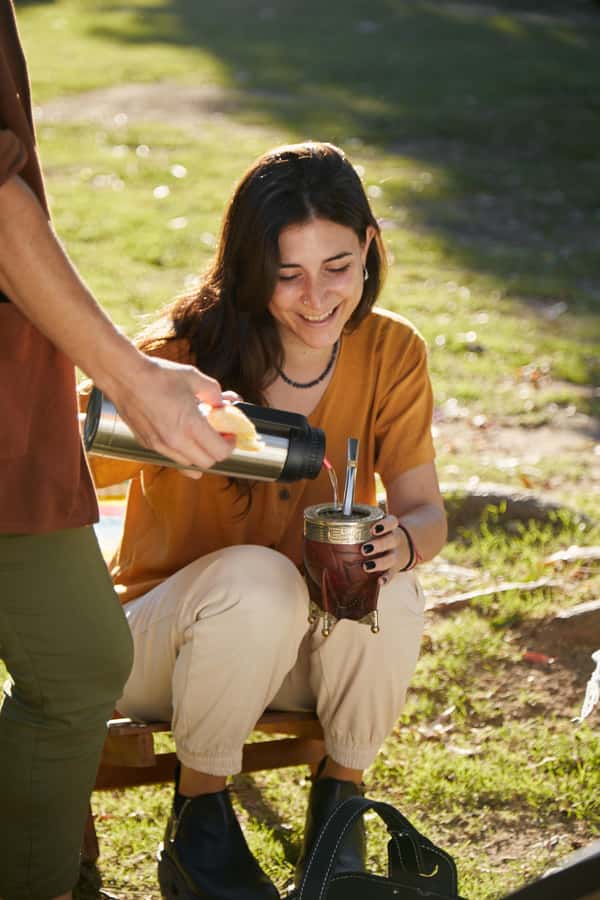
The workshop includes 1 mate per person to use during the session. That is key. You are not just watching someone else pour water and declare it done. You learn how to prepare it properly, and you get tips to help you make better mates later.
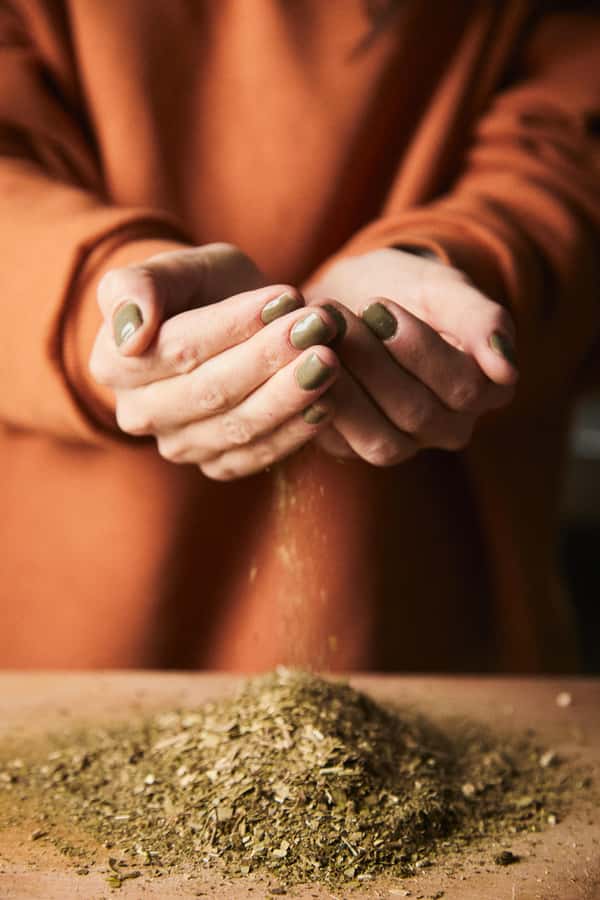
Mate preparation usually hinges on a few basics: how the yerba sits in the gourd, the way you place or pour water, and how you avoid making the drink overly bitter. During this masterclass, you will learn the steps to brew your own mate, and you will get to apply them while tasting later. In other words, the tasting is not floating free. It ties back to technique, which makes the differences between yerbas easier to notice.
You will also get context as you work. The hosts talk through how mate fits into Argentine identity, and they explain why the ritual is treated with care. That social angle matters because mate is often described like a drink, but it is actually a conversation tool. People share time around it, and the preparation is part of the way you respect the moment.
If you are the kind of traveler who likes learning the “why” behind a habit, this part of the workshop is where it pays off. You end up with a drink you can reproduce, not just a memory of taste.
Yerba tasting: comparing 4 types by variety, production, and cultivation
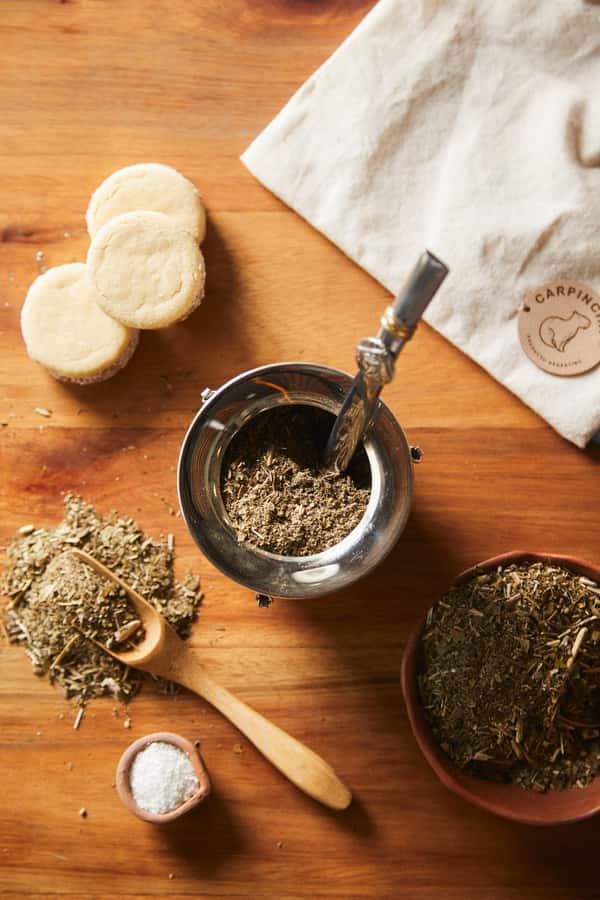
After you get comfortable with brewing, the workshop shifts into the tasting portion. You will taste 4 types of yerba mate, and the hosts guide you through what makes each one different.
You will learn about:
- Variety and how different plants or blends shape flavor
- Production factors that affect how the yerba behaves when you add hot water
- Cultivation details that influence the character of the leaves
- Origin themes, tied back to where mate culture comes from
This is the practical part of the workshop for food lovers. Many tastings focus on flavor descriptors like sweet, smoky, or earthy. Those are useful, but they can feel fuzzy. What you get here is a framework for understanding why the flavor exists in the first place. That makes your future choices easier when you see bags of yerba at markets.
You will also get tips for making the “best mates.” That matters because yerba can taste great or harsh depending on how you brew it. By the time you reach the later tastings, you should start noticing how the same technique can produce different results across yerba types.
And because you are tasting multiple varieties in a short window, your palate calibrates fast. If you have never had mate before, this is also a good way to learn what “normal” tastes like in Argentina, not just how mate tastes in a single café version.
A different sort of day out of Buenos Aires:
- Local Foodie Adventure in Buenos Aires with Sherpa Food Tours
★ 5.0 · 6,875 reviews - Buenos Aires City Private Tour with Local Guide
★ 5.0 · 3,475 reviews - Buenos Aires Small-Group City Tour
★ 5.0 · 2,226 reviews - Buenos Aires Hop-On Hop-Off Bus, Free Walking Tours & Discounts
★ 4.5 · 2,218 reviews
Mate culture, myths, legends, and why Argentines take it seriously
Mate is a symbol of national identity, and this workshop treats it as more than a novelty. The hosts share the history and importance of mate for Argentines, and they weave in myths, legends, and anecdotes that explain how the ritual grew and why it remains so central.
You can think of this section as the story engine for everything you tasted. When someone explains where mate comes from and how it became a shared habit, the drink becomes easier to place in Argentine life. It stops being “a thing I tried” and becomes “a thing I get.”
What I like about this cultural approach is that it is not heavy or academic. It is told in a way that connects to what you are doing. You are preparing mate, then tasting yerba, then hearing why that matters. It is a teaching style that builds meaning in layers.
Also, having an instructor who answers questions clearly is a real advantage. Mate has plenty of small rules people argue about. You do not need to become obsessive. But you do want enough guidance to avoid common mistakes that ruin the experience.
The mateada snack table: medialunas, biscochitos, and alafajores
Mate in Argentina almost always comes with snacks. This masterclass leans into that tradition. You will have typical Argentine pastries such as medialunas, biscochitos, and alafajores. Depending on the listing version you see, you might also see croissants named alongside medialunas, plus alfajores and biscochitos.
Here is why that pairing is more than a sweet add-on. Mate has a distinctive, grassy, herbal profile. Pastries bring sweetness and texture, which balances the experience and makes it feel like a true Argentine food moment, not a standalone drink tasting.
In this workshop, the snacks are included as part of the mateada experience. That means you are not just buying a pastry after the fact and hoping it works. You are eating with the mate you brewed and the yerba you sampled.
If you have a sweet tooth, this is a big plus. If you do not, you still get value because the snacks help you understand the social setting. You are learning the ritual as a whole, not only the liquid.
Price and value: is $50 a good deal for this hour?
At $50 per person for 60 minutes, the workshop is priced for a guided cultural experience, not a quick tasting stop. The value comes from three things that you would struggle to replicate easily on your own:
- You get a mate to use during the session, so the learning is hands-on.
- You taste four yerbas, with explanation about variety, production, and cultivation.
- You get multiple included pastries designed for the mate ritual.
If you tried to DIY it, you would likely buy a gourd, at least one bag of yerba, and maybe a couple pastries. But you would still miss the structure: the technique coaching and the guided comparison that helps you connect flavor to process.
Also, mate can be confusing for first-timers. If you brew it wrong, you can end up thinking the drink tastes bad when the issue was technique. A short masterclass is often the fastest way to avoid that.
So, in practical terms, this is a fair price if you want learning plus tasting in a compact time window. If you are mostly trying to sip something and move on, you might feel it is more than you need.
What to expect on the day: languages, pacing, and practical tips
The workshop runs for 60 minutes in the Recoleta area. The instructor offers English and Spanish, and some content may be shown in the original language. That is normal for small cultural experiences. If your Spanish is limited, you will still likely track the key points, but you may hear some terms you only partially recognize.
Pacing is important. Since it is a one-hour session, the hosts will keep things moving: learn the basics of brewing, then taste the yerbas in sequence, then share the culture stories and snacks around the ritual.
A practical tip: bring curiosity, not expectations of a long meal. If you expect a two-hour relaxed event with lots of free time to roam afterward, you may find the schedule tight. But if you want a focused, high-impact introduction, this format is exactly what you need.
Who should book this mate workshop, and who should skip it
Book it if you:
- Want a hands-on introduction to mate, not just background reading
- Like comparing flavors with an explanation of why they differ
- Enjoy Argentine pastries and want them in the context they belong in
- Prefer learning from a host who answers questions clearly, in English or Spanish
You might skip it if:
- You are short on time and can only handle quick self-guided stops
- You strongly dislike learning rituals or prefer only food tasting with minimal instruction
- You are not willing to get to Recoleta on your own, since transportation is not included
The wheelchair accessibility note is good to know, especially for planning. If you use mobility aids, you will likely be able to participate without extra hassle, but you should still confirm the exact meeting logistics when you book.
Should you book this Buenos Aires mate workshop?
My call: yes, if you want a genuine Argentine ritual in a compact, friendly format. The strongest reason to book is the combination of brewing practice, four yerba tastings, and mate-ready pastries in one hour. That is a lot of value packed into a short time, and it gives you more than a souvenir.
If you are already comfortable with mate and you just want to try a drink, you might find this a bit introductory. But for most first-timers, and for people who love food culture, it hits the sweet spot.
It is also a great option when you want something cultural you can actually carry with you. Once you understand the technique and the yerba differences, you can recreate the experience at home and impress people who think mate is just a random green tea knockoff.
FAQ
Where does the workshop take place?
The meetings take place in the Recoleta area of Buenos Aires.
How long is the workshop?
It lasts 1 hour (60 minutes).
How much does it cost?
The price is $50 per person.
What languages are used during the session?
The instructor uses English and Spanish, and some content may be shown in its original language.
What is included in the ticket?
You get a masterclass plus yerba tasting and sweet snacks to accompany the mateada. It also includes 1 mate per person to use in the meeting.
Do I get to brew my own mate?
Yes. The experience includes learning how to brew your own mate, using the mate provided for the meeting.
What snacks are included?
Typical Argentine pastries are included, such as croissants, alfajores, and biscochitos, to accompany the mate.
Is transportation included?
No, transportation to the meeting place is not included.
Is the experience wheelchair accessible?
Yes, the workshop is listed as wheelchair accessible.
Can I cancel after booking?
You can cancel up to 24 hours in advance for a full refund.
Is alcohol allowed?
No. Alcohol and drugs are not allowed.
Recently reviewed around Buenos Aires
- Meet Locals: Language Exchange Café in Buenos Aires★ 5.0 · 10 reviews
- Piazzolla Tango Show Only In Buenos Aires★ 4.5 · 10 reviews
- Madero Tango Show Including Executive Dinner In Buenos Aires★ 3.5 · 10 reviews
- Private City Tour & Transfer to the International Airport★ 5.0 · 10 reviews
- Esquina Homero Manzi Tango Show Ticket Including Optional Dinner in Buenos Aires★ 4.5 · 10 reviews
- VIP Dinner & Tango Show at El Viejo Almacen★ 4.5 · 10 reviews
- Buenos Aires City Tour★ 4.5 · 11 reviews
- Premium service Buenos Aires city tour for small groups★ 4.0 · 11 reviews
Workshops, compared.
Cooking Class Designed by Michelin Chef @ Argentine Experience
Read our review →
Polo Match, BBQ and Lesson Day-Trip from Buenos Aires
Read our review →
Private Cooking Lessons and Food Tasting in Buenos Aires
Read our review →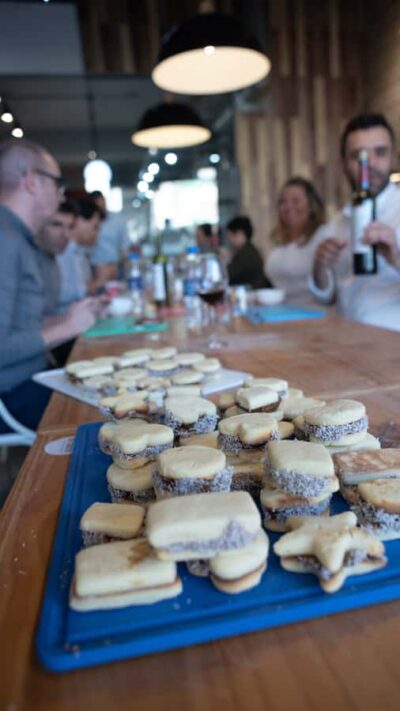
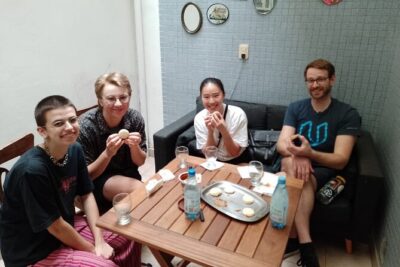
3-Hour Buenos Aires Empanadas and Alfajores Cooking Class
Read our review →Browse the lists this tour appears in