
Reviewed · WALKING TOURS
Bariloche: German Immigration and History Walking Tour
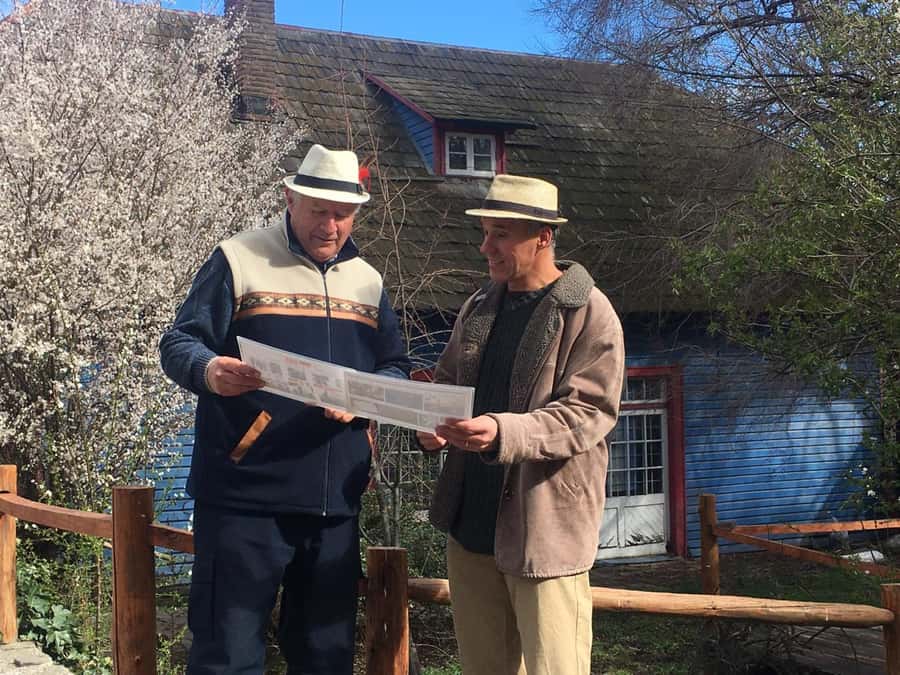
This walking tour is interesting because it turns Bariloche street corners into a clear timeline, from early German arrivals to a dark late chapter tied to Erich Priebke. I really like the way the guide connects big historical forces to specific places you can stand in and look at.
My second favorite part is the focus on the three waves of German immigration and the careful talk about reality versus myths around German presence in Patagonia. The main drawback to plan for is that the route is short, about 1 kilometer, but it can include uphill blocks, so bring comfortable shoes.
Key things to notice on this Bariloche German immigration walk
- Diego’s storytelling style keeps the group moving with frequent stop changes and a strong sense of cause and effect
- Three immigration waves are explained in a way you can remember after you leave the square
- German School stop connects local education with the Priebke story and the role of American journalist Sam Donaldson
- Belgrano Square and the Priebke house make the history feel personal, not abstract
- End discussion on Patagonia theories gives you a framework for separating rumor from reason
Starting at Bariloche Civic Center, where the story has a big frame
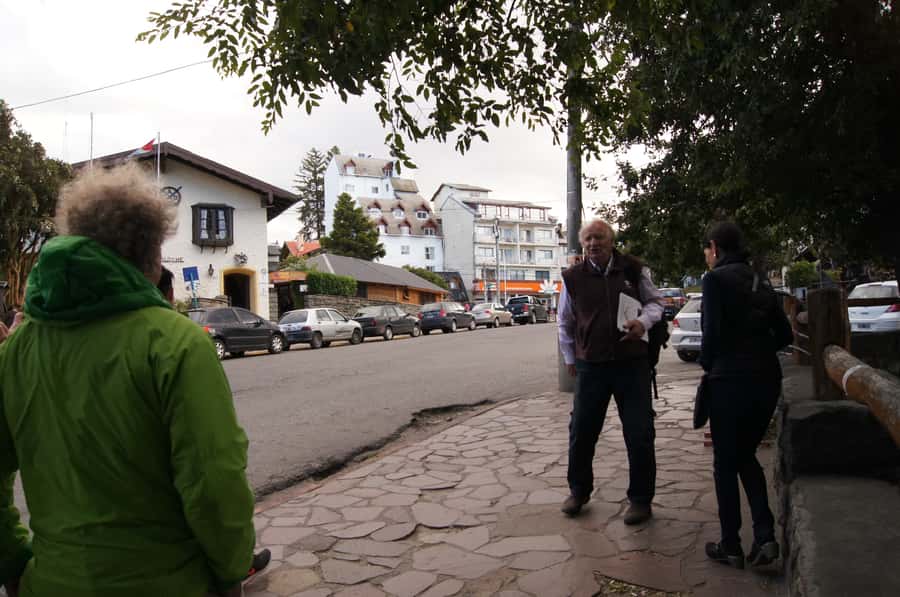
The tour kicks off in Bariloche Civic Center square, right by the tourist information office door. That matters more than you might think. Civic Center is where towns usually collect their identity, and here it becomes the launch point for a guided explanation of why German migration shaped parts of Bariloche.
From the first steps, you get more than dates. You get the logic of how communities form: who arrived, why they came, and how their presence changed local institutions, neighborhoods, and everyday life. Even if you are not a history person, this approach helps. You are not just collecting facts, you are learning how Bariloche grew into what you see today.
The guide also does something practical and smart. Instead of lecturing the whole time in one place, he uses a sequence of nearby landmarks. You stay oriented, and you keep seeing how each location supports the next part of the story.
More Walking Tours in Bariloche:
- German Footprint & Nazi presence – Walking Tour in Bariloche
★ 5.0 · 337 reviews - Nahuel Huapi Lake Cruise with Victoria Island and Arrayan Forest Walk
★ 3.5 · 50 reviews - Buenos Aires Hop-On Hop-Off Bus, Free Walking Tours & Discounts
★ 4.5 · 2,218 reviews
A short 1 kilometer walk that still covers a lot of ground
This is a 90-minute, about 1 kilometer walking route. That length is ideal for an afternoon when you want an intelligent activity without eating your whole day. It is also long enough to move through several distinct stops, which is where the tour really works.
The walking is mostly city blocks. It is not presented as a hike, but one consistent reality is that some sections can be uphill. Plan your shoes like you would for a casual city walk with slopes. If you are used to flat routes only, you might feel it.
One more point: the tour has a lived-in rhythm. You are not stuck waiting at one corner for ages. The guide frequently shifts location to match the story beats, so the pace stays active and you are not tuning out.
Three waves of German immigration, and why the guide stresses myths vs reality
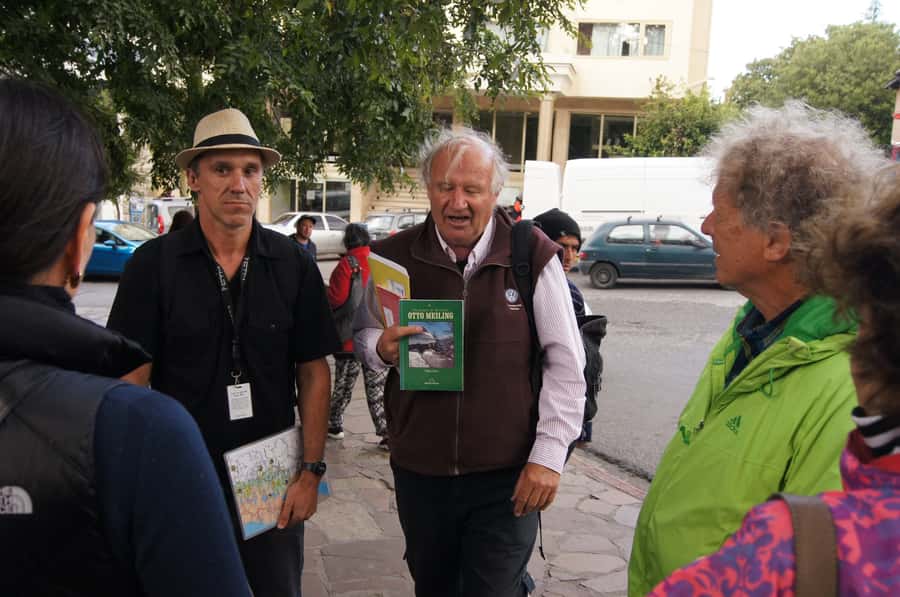
The heart of the experience is the explanation of the three main waves of German immigration to Bariloche. The tour approach is refreshingly straightforward: you learn what each wave brought to the region, and how later arrivals influenced what became normal in town.
But the tour does not treat German presence as one simple thing. It separates different periods and different motivations. You also get a reality check on what tends to get exaggerated over time. In a place with a visible architectural and cultural influence, myths can grow fast. The guide addresses that directly, helping you sort rumor from evidence.
This is where the tour becomes valuable for you. Bariloche’s German connection is easy to notice, but it is not always easy to interpret. By the end, you should feel more confident answering your own questions: Which part of the German story is about early settlement? Which part is about later community building? And which parts get distorted when people only remember the loudest headlines?
The Bariloche Andean Club and the Nahuel Huapi National Park administration stop
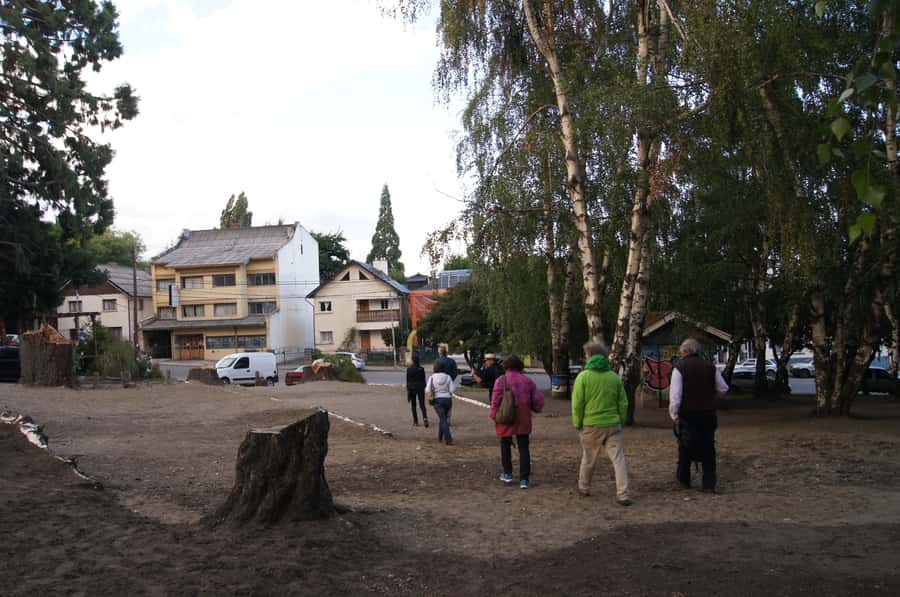
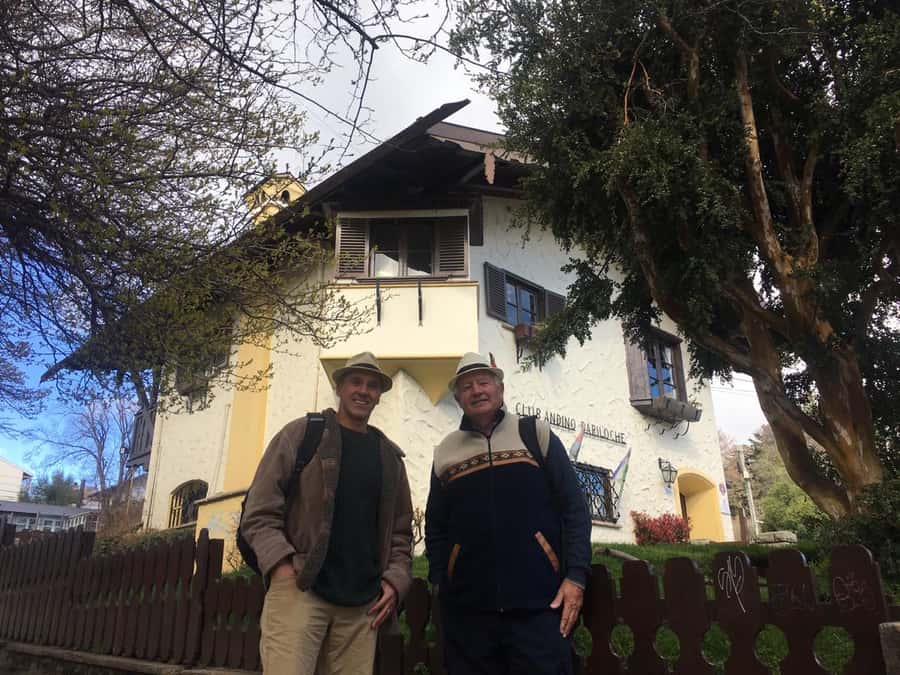
One of the clever things about the route is that it does not limit itself to houses and schools. You also visit the Bariloche Andean Club and the Nahuel Huapi National Park administration area. That creates context for how German arrivals fit into the broader story of Patagonia development.
Here’s why this stop helps you understand the bigger picture. Community life and local power structures do not operate in a vacuum. Civic groups, clubs, and administrative institutions shape how a town grows and how newcomers integrate. Seeing this side of the story keeps the tour grounded in place, not just ethnicity.
If you like tours that show how people lived, not only where they lived, this stop is a good bridge. It reminds you that immigration becomes history through institutions as much as through family names and buildings.
More Historical Tours in Bariloche:
- Indigenous People of Patagonia History Tour
★ 5.0 · 8 reviews - President Peron in Bariloche – Historic Tour
★ 5.0 · 5 reviews - Private Tour: Bariloche History and Nature
★ 5.0 · 4 reviews - Historical Sherpa Food Tour of San Telmo with Street Food, Drinks
★ 5.0 · 920 reviews
The German School stop, and the Priebke chapter tied to Sam Donaldson
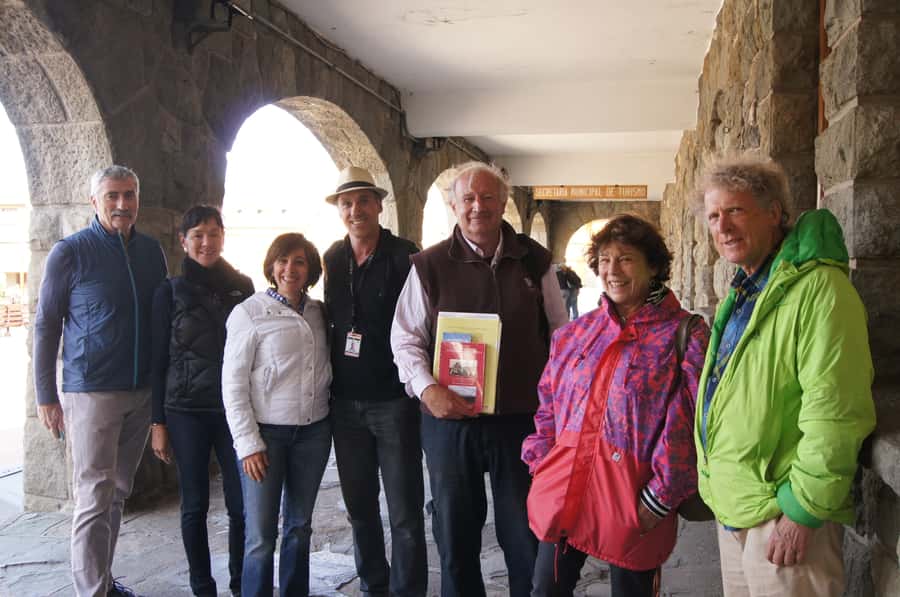
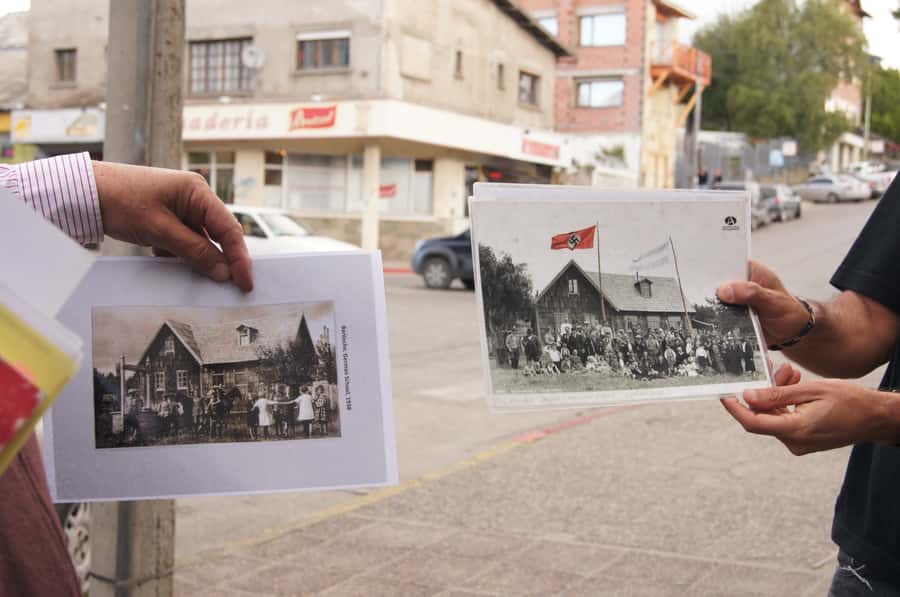
A standout moment is the visit to the German School. The tour ties this site to Erich Priebke and the moment when he was intercepted with the help of American journalist Sam Donaldson. Then it moves into the larger arc: Priebke’s presence in Argentina and his later extradition in 1994 after his whereabouts were uncovered by an American journalist.
This is heavy material, but the delivery is designed to stay clear and respectful. The guide frames it as part of the broader German immigration story, specifically the post-WWII or Nazi wave. That connection can be uncomfortable, but it is also important. History does not stay neat, and Patagonia’s German story is not only about settlement and culture. It also includes how war criminals tried to disappear and how they were eventually found.
For your visit, a practical tip is to listen closely to how the guide transitions from local schooling and community ties into the darker question of who hid in plain sight. That contrast is one of the reasons the tour sticks in your memory.
Belgrano Square and the house tied to Erich Priebke
The tour then moves to Belgrano Square, another key location for understanding how neighborhoods became recognizable. Squares like this usually serve as social anchors, and the way the guide uses Belgrano Square helps you picture how community life functioned, not just how migration happened.
From there, the route focuses on the house where Erich Priebke lived before being extradited in 1994. That stop is the emotional center of the walk. It is the point where history becomes visible in a very concrete way: a person, a residence, and a timeline you can connect to a real-world event.
What I think makes this stop valuable for you is that the tour does not just list the name. It links the Priebke story to the broader pattern of the final German immigration wave and to the myths that sometimes surround German presence in Patagonia. You leave understanding that headlines are often the visible tip of a much more complicated local reality.
Ending with theories about German presence in Patagonia
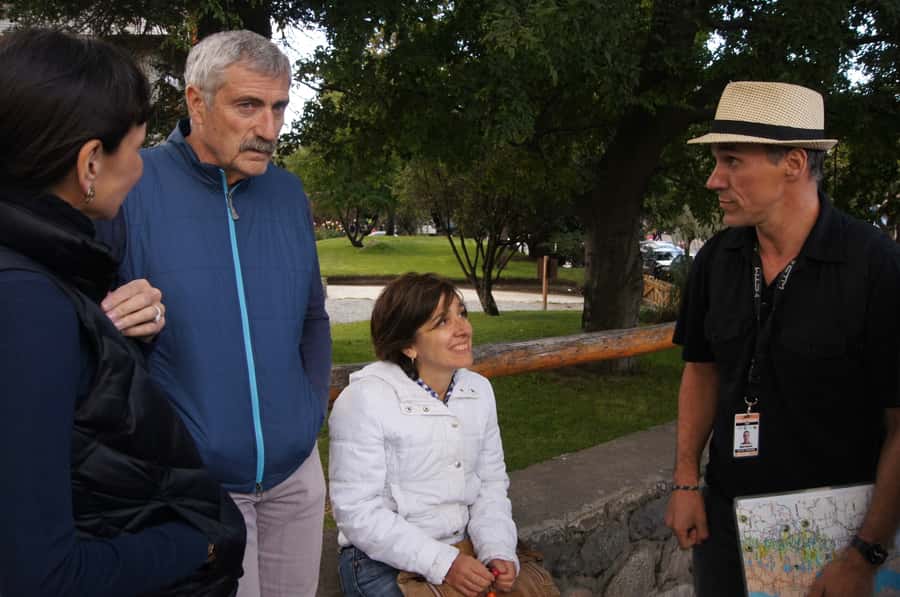
The tour closes with a discussion of theories on German presence in Patagonia. This part matters, because it teaches you how to think, not just what to think. When you travel, you will hear half-stories, strong opinions, and convenient myths. The guide gives you a framework for evaluating claims.
Instead of treating theories as trivia, the guide ties them back to the tour’s main themes: immigration waves, local institutions, and the difference between what people say happened and what you can support with context.
If you are the kind of traveler who likes to keep learning after a tour ends, this closing section sets you up well. It gives you smart questions to ask, and it helps you recognize when someone is filling gaps with a story that sounds good but does not hold up.
Price, timing, and who this tour suits best
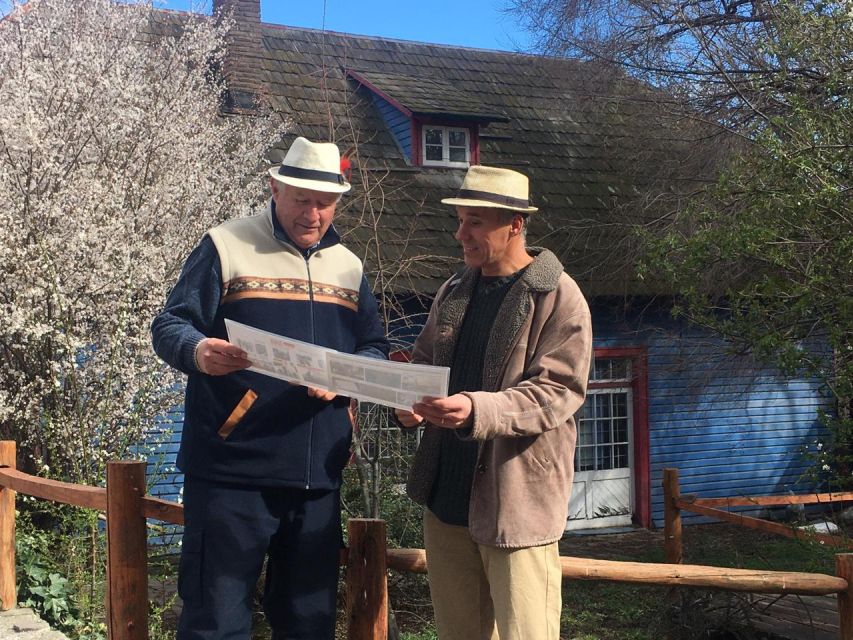
At $41 per person for 90 minutes, this is good value if you want a focused history experience without a full day commitment. You are paying for a guided walk, plus the guide’s ability to connect multiple sites into one clear narrative. For a town with so much outward German influence, that narrative helps you make sense of what you see on your own.
The tour also offers live guiding in both English and Spanish. In practice, you should expect a bilingual style if the group composition requires it. Guides such as Diego have been praised for delivering in English and Spanish while keeping everyone included. There have also been instances where Pedro led the tour, so the big constant seems to be the guide’s ability to teach with clarity and momentum.
Who will enjoy this most?
- You want history that is place-based, not just museum-based
- You care about how immigration waves change neighborhoods and local culture
- You are curious about the Priebke story and how it fits into the larger timeline
- You are short on time but still want something worth thinking about afterward
Who should think twice?
- You want a purely light, feel-good walking tour. This walk includes a Nazi-era chapter, including Priebke and the 1994 extradition story.
- You dislike walking on slopes. The distance is short, but the area can include uphill blocks.
Should you book the Bariloche German Immigration and History Walking Tour?
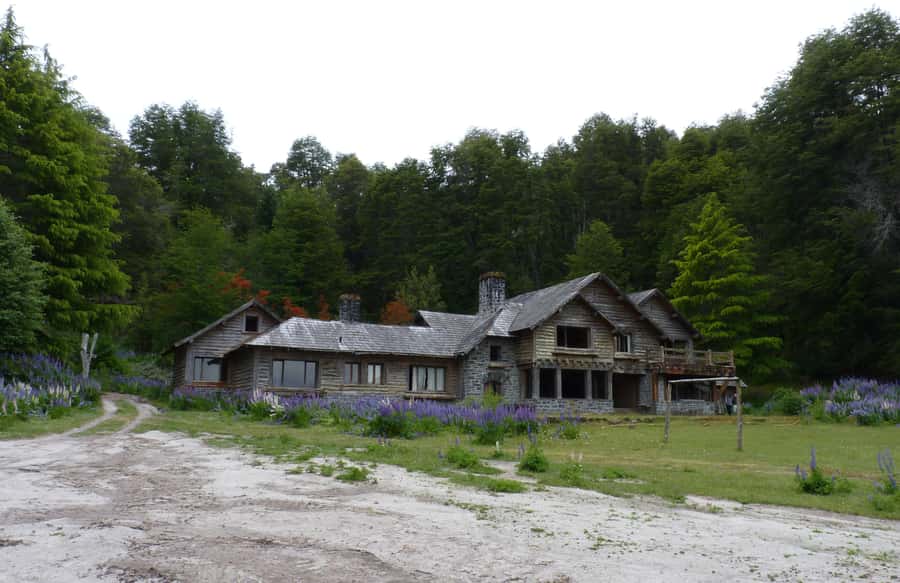
If you are visiting Bariloche and want to understand why German influence is so visible, I think this is an easy yes. It hits the sweet spot: short walk, strong narrative structure, and key stops that connect community life to real historical events. Diego in particular has a reputation for keeping the pace lively and the story coherent, and you will likely feel like you leave with a mental map, not just facts.
Book it if you like tours that make you look at architecture, schools, and squares with better context. Skip it only if the topic makes you uncomfortable or you want something strictly casual and upbeat with zero heavy history.
FAQ
How long is the Bariloche German Immigration and History Walking Tour?
It lasts 90 minutes.
How far do you walk?
It is about a 1 kilometer walk.
Where does the tour start?
It starts in Bariloche Civic Center square, by the tourist information office door.
What languages are offered?
The live guide works in Spanish and English.
What are the main stops on the walk?
You’ll pass key sites including the Civic Center area, the Bariloche Andean Club and Nahuel Huapi National Park administration, the German School, Belgrano Square, and the house where Erich Priebke lived before his extradition in 1994.
Does the tour cover Erich Priebke specifically?
Yes. The tour includes the Priebke story and connects it to the German School and his later extradition after an American journalist uncovered his presence.
What is the Priebke story connected to Sam Donaldson?
The tour highlights the interception connected to American journalist Sam Donaldson.
Is this tour suitable for a short afternoon?
Yes. Ninety minutes plus a short walking distance makes it easy to fit between outdoor plans.
What is the price?
The price is $41 per person.
Is there free cancellation?
Yes. You can cancel up to 24 hours in advance for a full refund.
Recently reviewed around Bariloche
- Exclusive Sailboat Trip through the Lakes of Bariloche★ 4.0 · 9 reviews
- Private Transfer from the Airport to Bariloche Center★ 4.5 · 73 reviews
- Snow excursion in Bariloche – Suitable for the whole family★ 4.5 · 3 reviews
- Transfer from the Airport to Bariloche★ 3.5 · 4 reviews
- Tour with Navigation to the Arrayanes Forest and Victoria Island★ 4.0 · 48 reviews
- Kayak paddling adventure around Bariloche★ 5.0 · 49 reviews
- GERMAN TREKKING TO BERGHOF – Mountain stories★ 4.5 · 4 reviews
- 10 Secrets of Bariloche, Nahuel Huapi, and Patagonia★ 5.0 · 46 reviews
Walking Tours, compared.
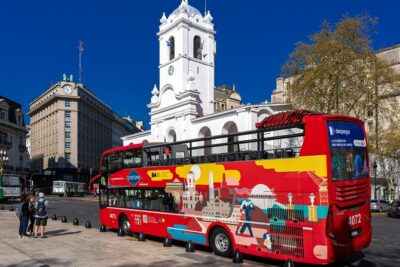
Buenos Aires Hop-On Hop-Off Bus, Free Walking Tours & Discounts
Read our review →
German Footprint & Nazi presence – Walking Tour in Bariloche
Read our review →
Full Day Buenos Aires Private Walking Tour – Your Own Personal BA 101
Read our review →
Discover Buenos Aires: Walking Tour Through San Telmo & Center!
Read our review →
Browse the lists this tour appears in