
Reviewed · HISTORICAL TOURS
Indigenous People of Patagonia History Tour
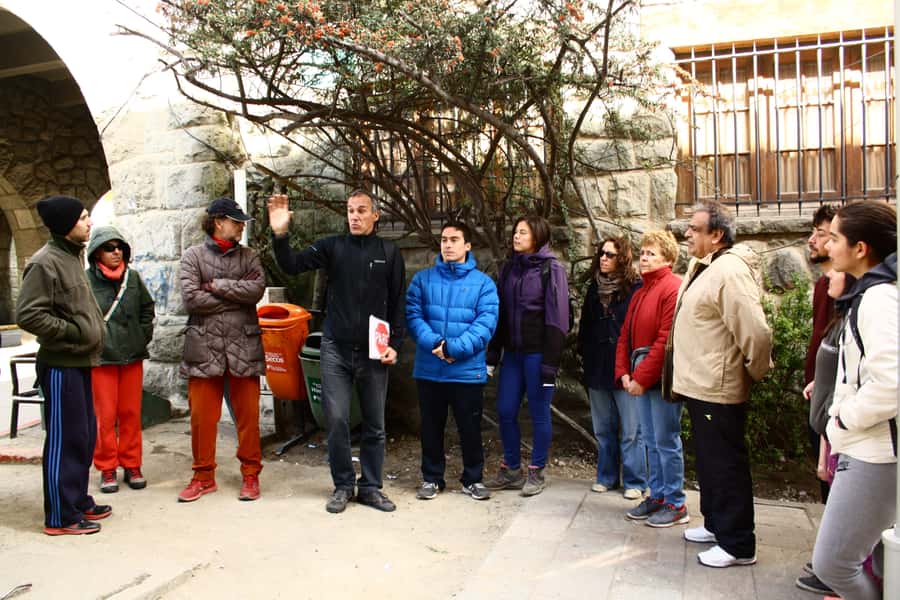
What makes this experience interesting is that it strings together Indigenous Patagonia context with three very real places in Bariloche: the Museum of Patagonia, the Cathedral of Our Lady of Nahuel Huapi, and the lake views at the end. It is not a lecture in a classroom. It is a walking story with stops you can actually point to.
Two things I like a lot: the guide, often Diego, explains the Indigenous people’s story clearly and covers a lot in just 90 minutes. I also like the built-in option to use your museum ticket later to see collections at your own pace, like fossils and everyday tools.
One consideration: because it is only 90 minutes, you are getting an overview, not a full day in the museum. Bring good walking shoes and plan for a quick, efficient route.
Key takeaways before you go
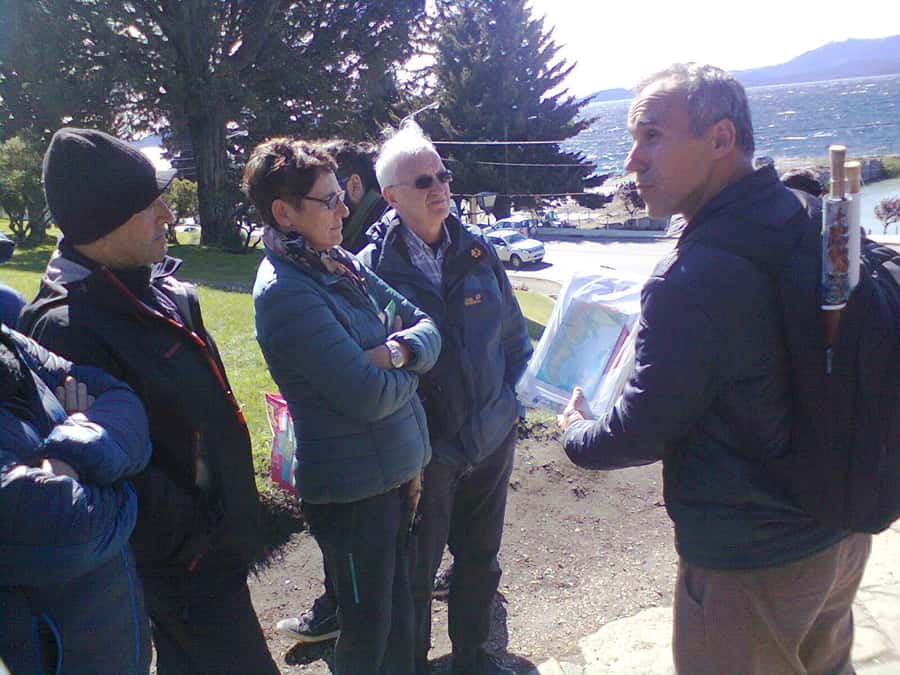
- Diego’s clear, thorough explanations of Indigenous Patagonia history in a short time
- Museum of Patagonia at the Civic Center focused on both natural history and original inhabitants
- A return option using your museum ticket so you can revisit fossils, tools, and implements later
- Cathedral time for stained glass and the Via Crucis in calm gardens
- Nahuel Huapi Lake finish with glacial-valley views to close the loop
A downtown history walk that ends with glacier-valley views
In Bariloche, it is easy to treat the center like a place to pass through on your way to the lake. This tour flips that idea. You start in town with history, you slow down at the museum and cathedral, and you finish where the scenery makes you understand why people settled in this region in the first place.
The route is compact and practical. You are on foot, moving from the Civic Center area to the cathedral gardens, then ending at the shore of Nahuel Huapi Lake. That last stop matters. Seeing the water and the glacial valleys helps you connect the museum facts to real geography.
And yes, the time is tight. That can be great, especially if you want value without spending your whole day on indoor galleries. This is also the kind of tour where your guide’s style really helps. Several guides are listed as English and Spanish-speaking, and Diego gets repeated praise for being detailed and able to explain a lot clearly in a short time.
More Historical Tours in Bariloche:
- Bariloche: German Immigration and History Walking Tour
★ 4.8 · 169 reviews - President Peron in Bariloche – Historic Tour
★ 5.0 · 5 reviews - Private Tour: Bariloche History and Nature
★ 5.0 · 4 reviews
Meeting at Centro Civico Square, then walking right into the story
You meet at the door of the tourist information office in Centro Civico Square, Bariloche. That is a smart choice, because you are starting in the middle of town, near the area where the Civic Center sits.
From there, the tour becomes a guided walk through Bariloche downtown. You are not guessing where to go or how long things take. You follow the guide’s pace from stop to stop, which is especially helpful if this is your first day in town.
Practical tip: wear comfortable shoes. Even though 90 minutes sounds short, you will still cover real distance on sidewalks. Also, do not treat this like a slow sightseeing stroll. The tour is designed to cover multiple meaningful stops efficiently, so you will want to keep moving at a steady pace.
The Museum of Patagonia at the Civic Center, why 1940 still matters
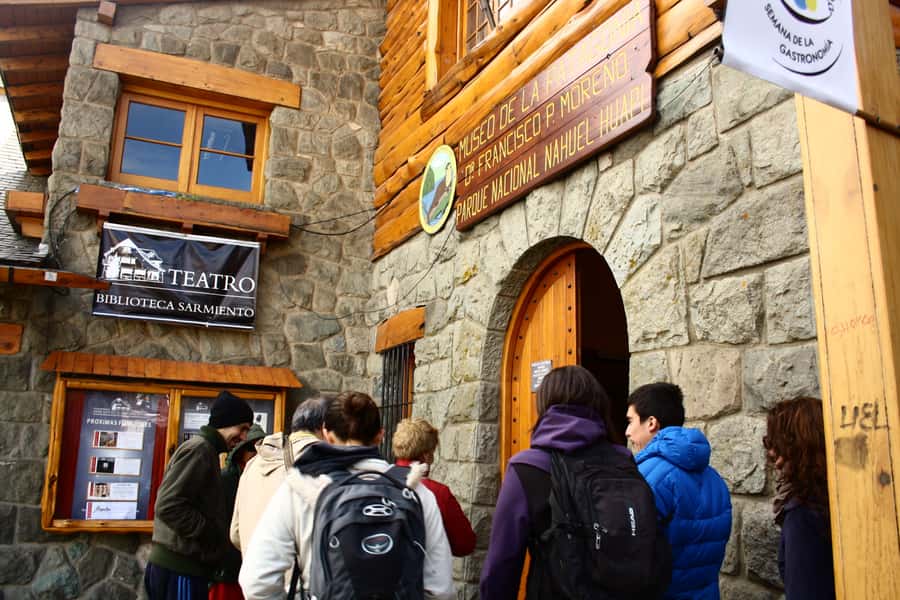
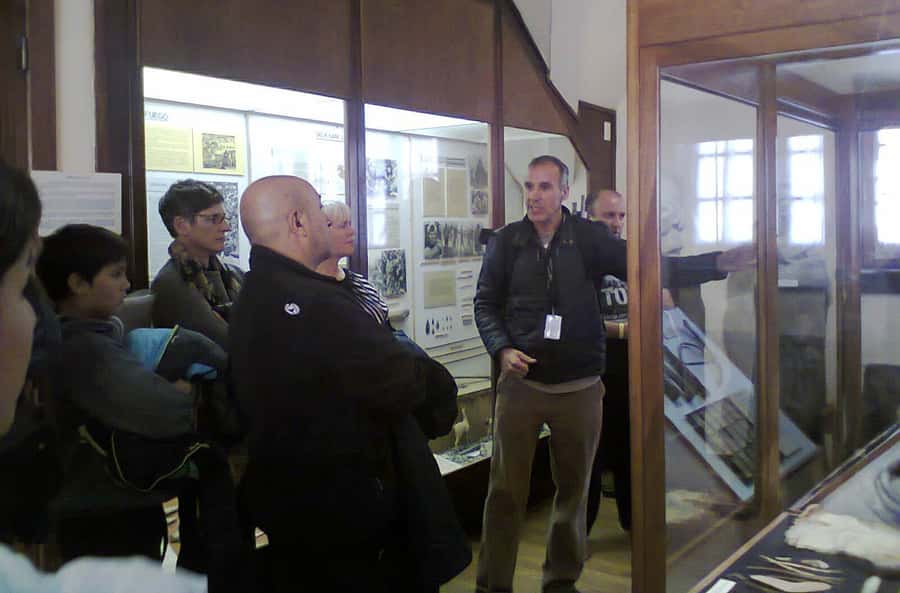
Your first major stop is the Civic Center area to explore the Museum of Patagonia. The museum was established in 1940 by the national government, and the reason is revealing. It was created to promote the then-remote ski resort town. That tells you a lot about how Bariloche’s identity grew, and how institutions helped shape what visitors and locals learned to see.
Inside, the museum focus you get on the tour is on two tracks:
- Natural history of the area
- Original inhabitants of the region
For me, the best part of this pairing is that it helps you avoid learning Indigenous history as if it exists in a separate box from the land itself. When you see natural-history context next to the story of people who lived there, the region feels less abstract.
One small but important money detail: there is a $2 optional contribution to enter the Museum of Patagonia. That is not included in the tour price, so it is worth having a couple extra bills or a way to pay on hand. Even though it is small, it can be the difference between feeling prepared and feeling rushed at the door.
Also, you do not just get a quick peek. The tour includes time exploring the main sections of the museum. Then, the smart bonus is that your entry ticket lets you return later in the day if you want to keep going on your own.
Using your entry ticket later to see fossils, tools, and implements
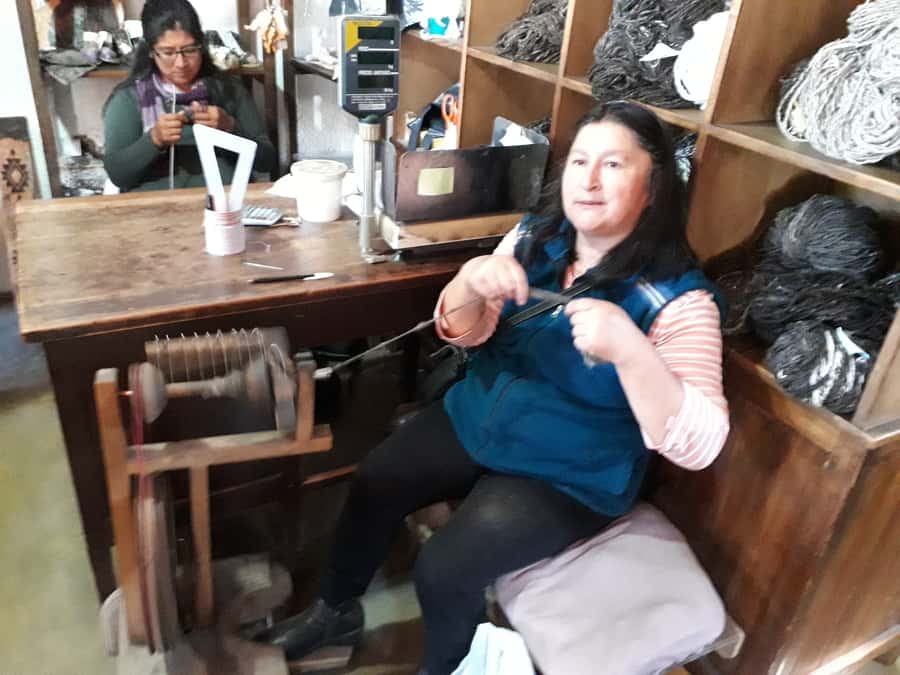
Here is where this tour gives you extra value. You can come back after the walking part is done and look at the museum collections at your own pace.
What collections are specifically mentioned? Think fossils, tools, and implements. Those are the kinds of objects that reward slower looking. In a guided group, you might only get to a few highlight items. With the option to return, you can spend time with what grabbed your attention.
If you like museums but hate being rushed, this is the best compromise. You get the guided structure up front, plus the freedom later.
A practical note: you are planning to walk during the tour, so if you want to return later you may need to time your day so the museum visit does not crowd out other plans. Even a short second visit can turn the tour from an overview into something more personal.
A few more Bariloche days worth comparing
- Bariloche: 7 Lakes & San Martin de Los Andes Road Trip
★ 4.5 · 624 reviews - German Footprint & Nazi presence – Walking Tour in Bariloche
★ 5.0 · 337 reviews - Bariloche: Circuito Chico with optional Cerro Catedral
★ 4.5 · 316 reviews - Fly Fishing Bariloche
★ 5.0 · 305 reviews
The Cathedral of Our Lady of Nahuel Huapi, stained glass plus quiet gardens
After the museum portion, the tour moves to the Cathedral of Our Lady of Nahuel Huapi, surrounded by gardens. This is not just a photo stop. The cathedral is part of the experience because it adds another layer to Bariloche’s story, one you can feel in the details.
What you’ll focus on here:
- Stained glass windows
- The Via Crucis
The stained glass is the obvious visual draw. But I also like having a pause after the museum. The cathedral stop breaks the walking rhythm and gives you a calmer moment to absorb what you learned. Gardens help too, because they give your eyes a change from indoor exhibits and museum text.
The Via Crucis can be a meaningful moment for people who enjoy symbolism and religious art. Even if you do not usually spend time in churches, it is worth paying attention here because it is an established feature of the cathedral. It is also an easy way to slow down without losing time, which matters on a 90-minute schedule.
Ending at Nahuel Huapi Lake, where the glacial valleys make sense
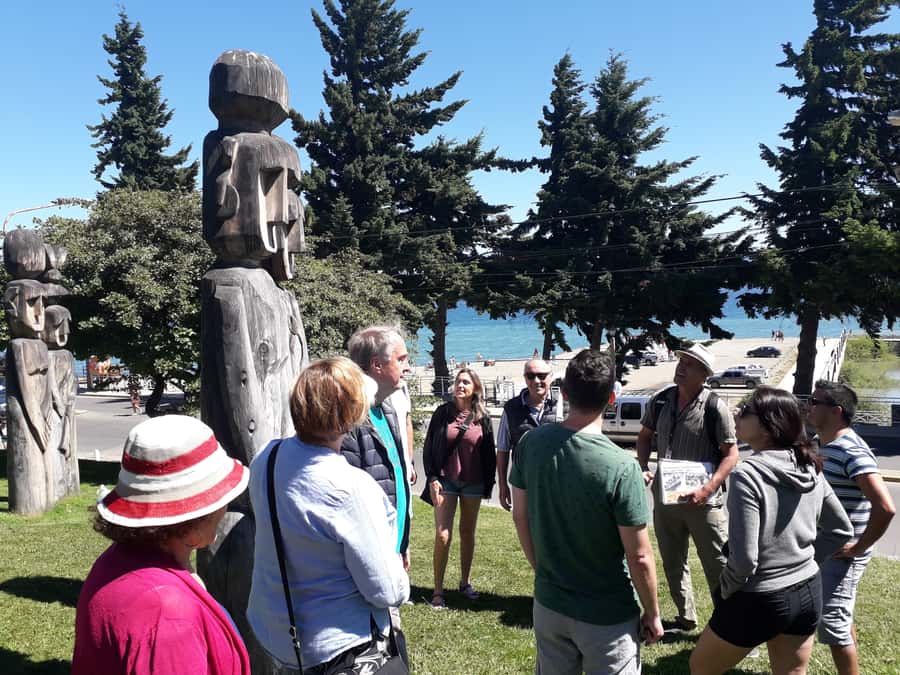
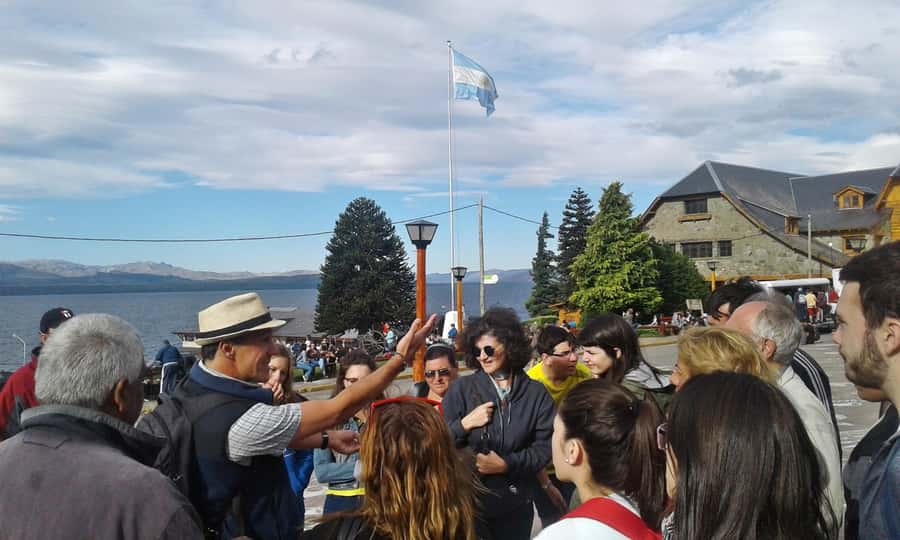
The tour ends at the shore of Nahuel Huapi Lake, and the payoff is visual. You gaze at the glacial valleys in awe, and it is the kind of ending that turns the history into something you can see.
This is more than a scenic finish. It connects the dots between:
- the natural history context you got in the museum, and
- the lived-in reality of a place shaped by glaciers, valleys, and water.
For many people, this is the moment where the trip feels complete. The earlier stops could stay “museum knowledge” unless you connect them to the geography. The lake does that job fast.
If you like practical sightseeing, this is also a good landing point because the area around the shore is usually a natural place to continue on your own afterward, whether that means grabbing a snack nearby or just taking a longer look at the views.
Price and value: why $41 for 90 minutes can work well
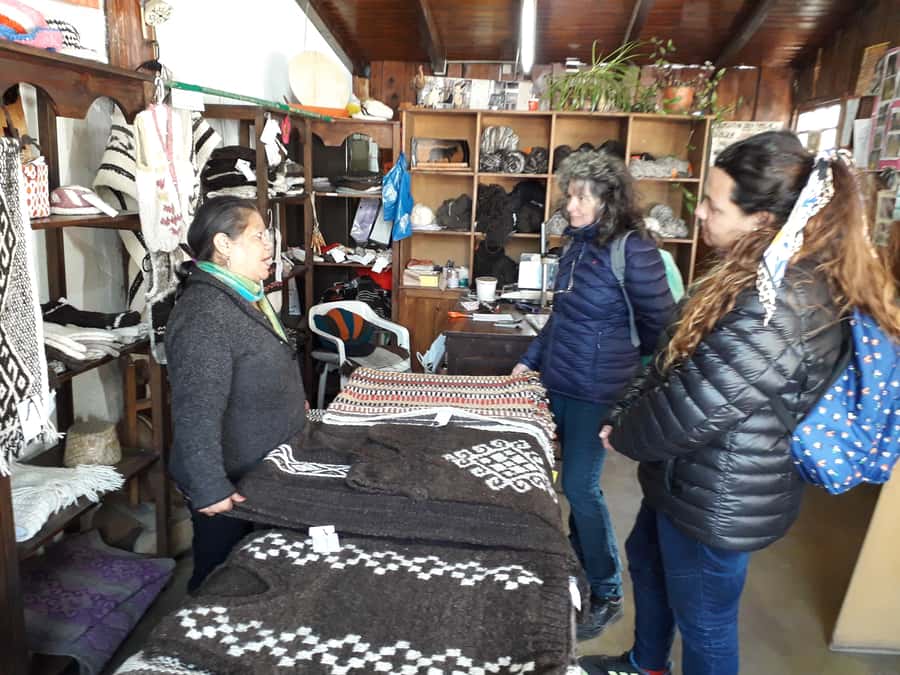
The listed price is $41 per person, and on paper, that can sound like you are paying mainly for a short walk. Here is why it can still be good value.
You get:
- A 1.5-hour historical walking tour
- An official guide who speaks English and Spanish
- Museum time exploring the main sections, plus a ticket that can let you return later the same day
- A structured route that hits the Civic Center, the cathedral, and the lake
When a tour is this short, you are really buying focus and efficiency. The guide saves you from stitching together three separate stops on your own, including what to pay attention to in each place.
Then there is the museum return option. If you actually take advantage of it, you stretch the experience beyond the 90 minutes. That is where the value often shows up in real life, because you get both a guided overview and the chance to linger over fossils, tools, and implements.
The only extra cost mentioned is the $2 optional contribution to enter the museum. That small add-on is typical for many sites, but it is good you know about it in advance.
If you are on a tight schedule in Bariloche, this tour makes sense because it checks multiple history boxes without eating your entire day.
What you’ll learn about Indigenous Patagonia history (and how it’s taught)
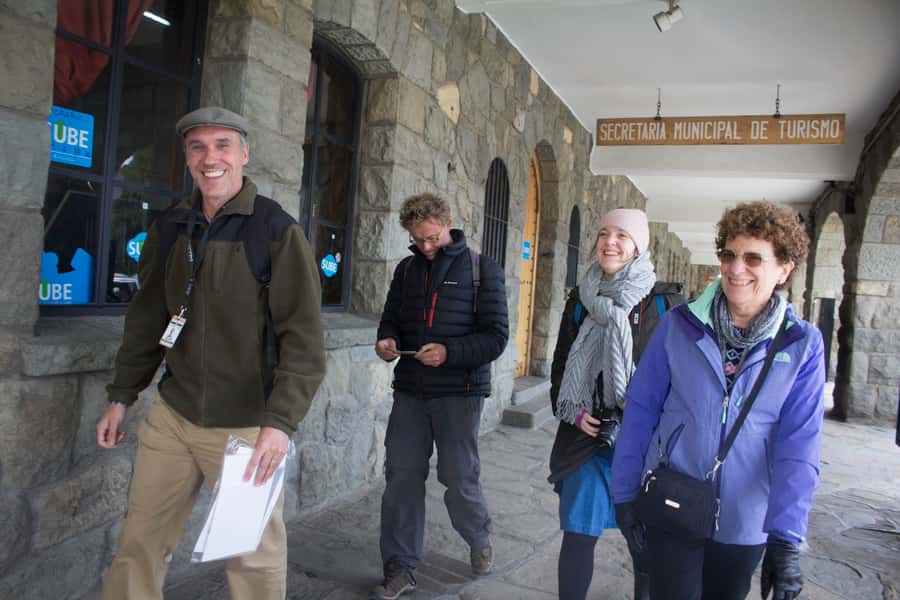
This is a history tour focused on Indigenous People of Patagonia and the region around Bariloche. The way it is taught is important.
Instead of treating Indigenous history as a separate stop, the tour ties it to:
- museum interpretation of original inhabitants,
- natural history context, and
- the physical setting of valleys and lake.
That approach helps the information stick. It also helps you avoid the common frustration of ending a history visit feeling like you just read facts with no sense of place.
And based on guide feedback you may have heard, Diego is repeatedly praised for covering a lot and explaining clearly. You can expect a guided talk style that moves, not stalls. It is ideal if you want real context without getting stuck in one building for hours.
Who this tour suits best
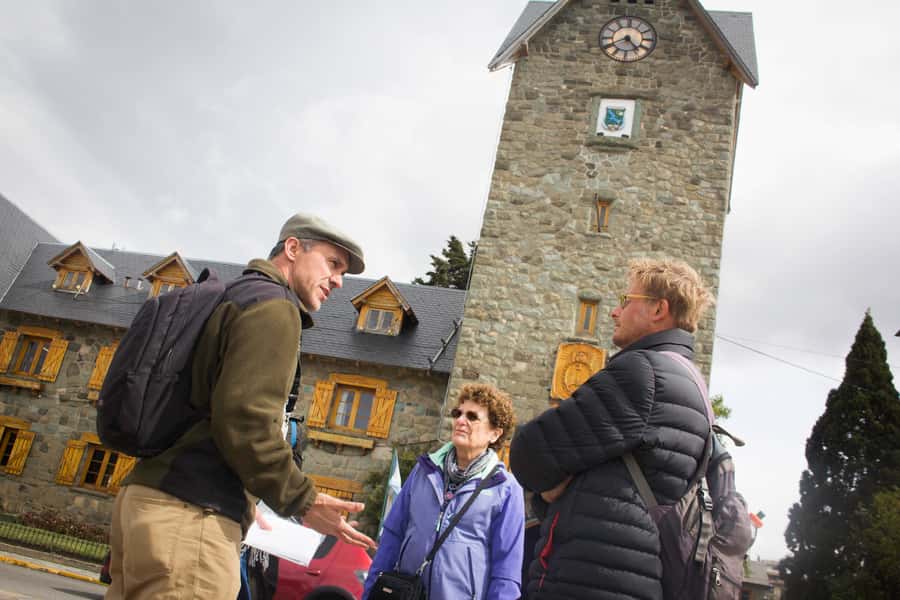
This experience is a strong fit if you:
- want a quick introduction to Bariloche’s history tied to Indigenous Patagonia context
- like guided walks that point out what to notice in museums and churches
- have limited time and want a thoughtful route in 90 minutes
- plan to return to the Museum of Patagonia later for deeper looking
It is also a good pick if you are comfortable with walking and basic sightseeing. The only clear requirement is comfortable shoes, and pets are not allowed.
If you are the type who expects to wander independently the whole time, this may feel structured. But if you want help linking places into a story, it works well.
Tips to make the most of the 90-minute pace
A 90-minute history walk rewards preparation. Here are the moves I recommend:
- Start by wearing comfortable shoes because you will be moving for the full session.
- Arrive at Centro Civico Square with a little buffer so you can start calmly.
- Pick one museum topic to revisit later, like fossils or tools, so your return ticket has a purpose.
- At the cathedral, spend time on the stained glass and the Via Crucis before rushing onward. That short pause is part of what makes the tour feel balanced.
Also, since the tour is designed to cover a lot quickly, do not expect every detail to be repeated. If something grabs your attention at one stop, that is your cue to note it mentally and go deeper when you return to the museum later.
Should you book the Indigenous People of Patagonia History Tour?
If you want a guided introduction that connects Indigenous Patagonia history, a museum setting, church art, and real Nahuel Huapi views, I’d book it. The price is reasonable for a full route with an official guide, and the museum return option makes it more than just a quick walk.
Skip it only if you are looking for a long, slow, in-depth museum immersion with no walking component. This tour is efficient by design. When you match that style, you get good value and a clear sense of why this part of Patagonia matters.
FAQ
How long is the tour?
The tour lasts 90 minutes.
Where do I meet the guide?
Meet by the door of the tourist information office located at Centro Civico Square, Bariloche.
What languages are available?
The tour is offered in English and Spanish.
What does the tour include?
It includes an English and Spanish-speaking official guide and a 1.5-hour historical walking tour.
Is the Museum of Patagonia entrance included?
The $2 optional contribution to enter the Museum of Patagonia is not included. The tour also references an entry ticket that lets you return later in the day.
Can I return to the museum later the same day?
Yes. You can use your entry ticket to return later in the day and view collections at your own pace.
What are the main stops on the walk?
You will visit the Museum of Patagonia (Civic Center), then the Cathedral of Our Lady of Nahuel Huapi, and finish at the shore of Nahuel Huapi Lake.
What should I bring?
Bring comfortable shoes for walking.
Are pets allowed?
No, pets are not allowed.
Is free cancellation offered?
Yes. You can cancel up to 24 hours in advance for a full refund.
Recently reviewed around Bariloche
- Exclusive Sailboat Trip through the Lakes of Bariloche★ 4.0 · 9 reviews
- Snow excursion in Bariloche – Suitable for the whole family★ 4.5 · 3 reviews
- Private Transfer from the Airport to Bariloche Center★ 4.5 · 73 reviews
- Transfer from the Airport to Bariloche★ 3.5 · 4 reviews
- Tour with Navigation to the Arrayanes Forest and Victoria Island★ 4.0 · 48 reviews
- Kayak paddling adventure around Bariloche★ 5.0 · 49 reviews
- GERMAN TREKKING TO BERGHOF – Mountain stories★ 4.5 · 4 reviews
- 10 Secrets of Bariloche, Nahuel Huapi, and Patagonia★ 5.0 · 46 reviews
Historical Tours, compared.
Historical Sherpa Food Tour of San Telmo with Street Food, Drinks
Read our review →
Nazis in Buenos Aires: a historical walking tour
Read our review →
San Telmo: Historical Guided Tour with Street Food & Drinks
Read our review →
Recoleta Cemetery – Small Group Tour of History & Secrets
Read our review →
Private Evita and Peronism Historical Tour in Buenos Aires
Read our review →Browse the lists this tour appears in