
Reviewed · HISTORICAL TOURS
Buenos Aires: Historic Buenos Aires Landmarks & Icons Tour
This tour is interesting because it connects Buenos Aires big, must-see landmarks in one logical route, starting in the political heart of the city. You get Plaza de Mayo first, then a chain of iconic buildings and museums that explain how the city grew.
I especially like two things. First, the guide experience tends to feel personal and flexible, with Miguel leading many departures and adjusting explanations when needed. Second, the mix of stops is smart, pairing major photo moments like Casa Rosada with guided visits in places such as the Museo del Bicentenario.
One consideration: this is real walking outdoors, and it may not be the best fit if you have mobility limits. It is also not set up for a food stop, so plan to handle snacks and drinks on your own.
Key things you will notice on this tour
- Plaza de Mayo orientation first, so the whole walk makes sense fast
- Casa Rosada photo stop plus guided context, not just a quick look
- Garay Monument viewpoint and the Cultural Center story, including the post office palace connection
- Museum time at the Museo del Bicentenario, with relics of past presidents and notable artworks
- A guide who adapts, including switching explanations when language is a struggle
- Lots of short indoor and outdoor stops, which works well for a 150 minute window
Start at Plaza de Mayo, then get the city’s “why”
Meeting near the flagpole at Plaza de Mayo is a big part of why this tour works. From this starting point, you immediately see why Buenos Aires feels like a capital built around power, institutions, and public space. Even if it is your first time here, you will not feel lost, because the itinerary keeps returning to the same central idea: who runs the city and how the city evolved.
Right away, your guide frames what you will see next. That matters. A skyline is just buildings until someone helps you read the symbols, the civic architecture, and the layout of the historic center. Think of this as getting your bearings fast, then walking with a plan.
Also, because the tour is listed as 150 minutes, you should expect a focused pace. You will move, stop, and move again. If you prefer slow sightseeing, you might want to pair this with extra time afterward at one or two stops that catch your interest.
More Historical Tours in Buenos Aires
- Historical Sherpa Food Tour of San Telmo with Street Food, Drinks
★ 5.0 · 920 reviews - Nazis in Buenos Aires: a historical walking tour
★ 4.9 · 193 reviews - San Telmo: Historical Guided Tour with Street Food & Drinks
★ 5.0 · 87 reviews
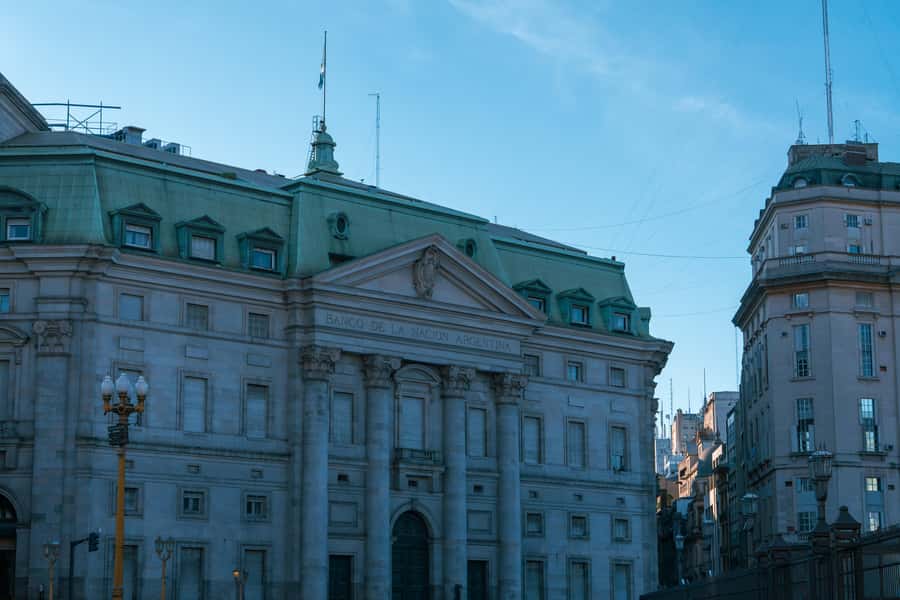
Central Bank building, once the San Ramón Nonato Convent
The tour begins at the Central Bank of the Argentine Republic, a building that used to be the San Ramón Nonato Convent. I like starting here because it shows a common Buenos Aires theme. Structures change roles over time, but their presence stays. You will get a quick explanation that helps you connect religion, education, and civic life to what the building does now.
What to look for: this is the kind of stop where it helps to slow down for a few seconds before you take photos. Notice the sheer importance of the structure in the neighborhood. Then listen for the story link between the convent past and the modern financial identity. The point is not memorizing dates. The point is understanding how reuse shapes a city’s character.
A small practical note: even if the route is efficient, this is still outdoors between landmarks. Wear shoes that can handle uneven sidewalks and long urban blocks.
Cultural Center and the Garay Monument viewpoint
Next comes the Cultural Center, described as the former grand post office palace. This is one of those stops where the building itself carries the lesson. Postal buildings, especially historic ones, were once the physical proof that a city was connected and growing. Now the same space supports culture and public events.
You will also spend time around the Monumento a Juan de Garay. The tour emphasizes this as part of the area’s story, including a stunning look over the historic center. For me, the value here is the viewpoint timing. People usually rush past the “high moment” because they focus on the next photo. This route builds it in, so you get your bearings again and can understand how the neighborhoods fit together.
If you are the type who likes geography, you will appreciate this. You will start to see how the historic center is organized, and your later museum and cathedral stops feel less random.
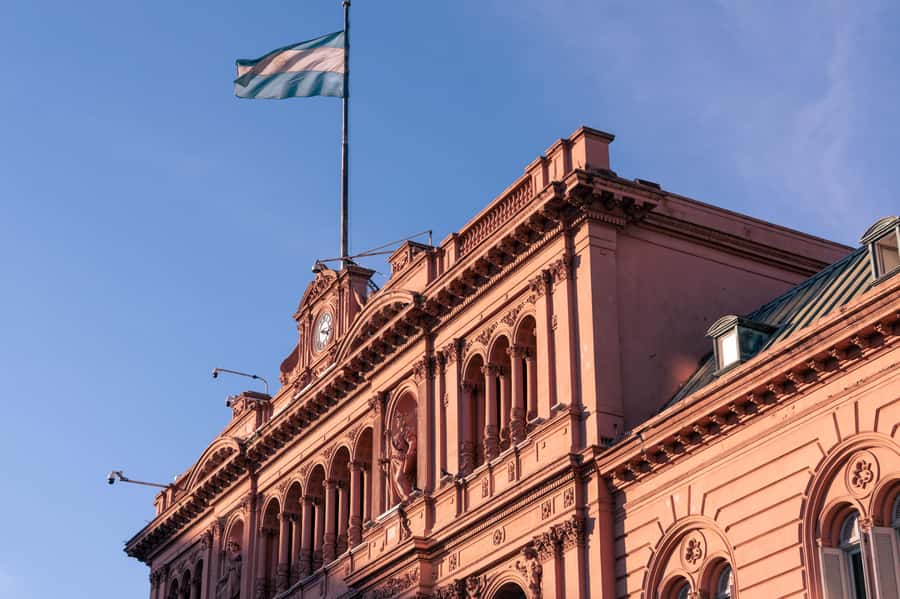
Casa Rosada and Plaza de Mayo, photo stops with real context
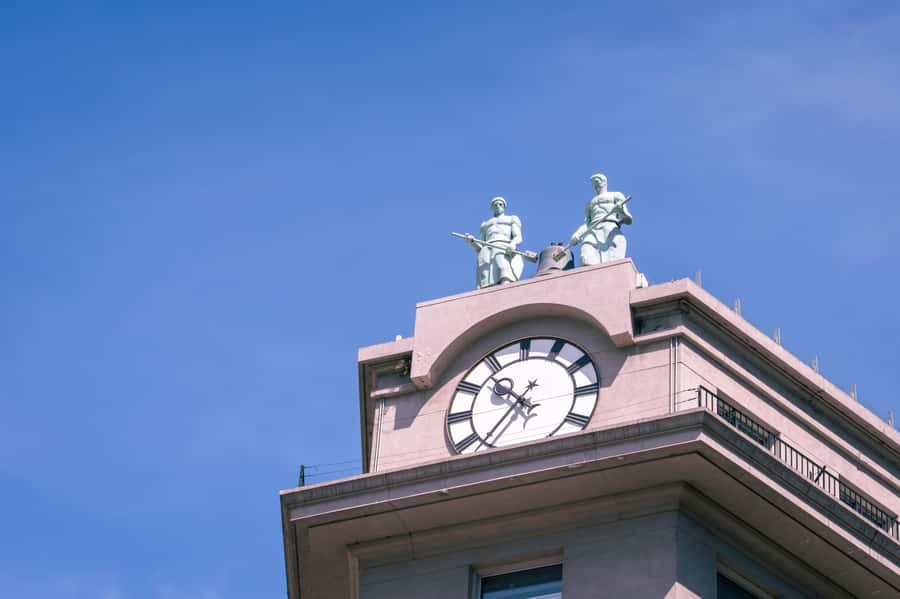
You will get a Casa Rosada photo stop, plus guided time and passes around the surrounding civic area. Even if you have seen it in movies or photos, standing there in person is different. The façade and the setting make it feel like a stage for decisions that shaped the nation.
The tour also connects Casa Rosada to the larger square energy of Plaza de Mayo, including surrounding landmark buildings. One thing I like about this is that you are not treated to a “greatest hits only” approach. The guide ties the landmarks together so you understand the civic geography, not just the individual shots.
Then there is Plaza de Mayo itself. You will learn why this square matters, and you will see how the iconic buildings frame it. This is the place where you can look around and feel how much Buenos Aires leans into public space. If you like to watch people and absorb atmosphere, this stop is your easiest chance to slow down.
A different sort of day out of Buenos Aires:
- Local Foodie Adventure in Buenos Aires with Sherpa Food Tours
★ 5.0 · 6,875 reviews - Buenos Aires City Private Tour with Local Guide
★ 5.0 · 3,475 reviews - Buenos Aires Small-Group City Tour
★ 5.0 · 2,226 reviews - Buenos Aires Hop-On Hop-Off Bus, Free Walking Tours & Discounts
★ 4.5 · 2,218 reviews
Metropolitan Cathedral, Cabildo, and Manzana de las Luces
The Buenos Aires Metropolitan Cathedral gets a photo stop followed by guided time. Expect an architectural focus and a historical framing that helps you understand the cathedral as a civic anchor, not just a place to glance and move on.
Then you will reach the Cabildo of Buenos Aires, described as a museum preserving the city and nation’s history. This is a smart contrast after the cathedral. Religious spaces often symbolize spiritual authority, while civic museums like the Cabildo help you read government and public life. Together, they widen your understanding of what “historic” means in this part of town.
After that, you visit Manzana de las Luces. The tour includes both photo time and guided explanation here. What I like about including this stop is that it gives variety in how the city’s old layers express themselves. Buenos Aires is not only about one style or one era. You start seeing how different institutions, learning spaces, and historic structures sit near each other and share a block.
Practical advice for these stops: have your camera ready, but also be ready to put it away during the guide’s main points. The cathedral and museum-style visits are where the guide’s storytelling adds the most value, and you will get more out of it if you listen.
City Legislature clock, architecture, and civic identity
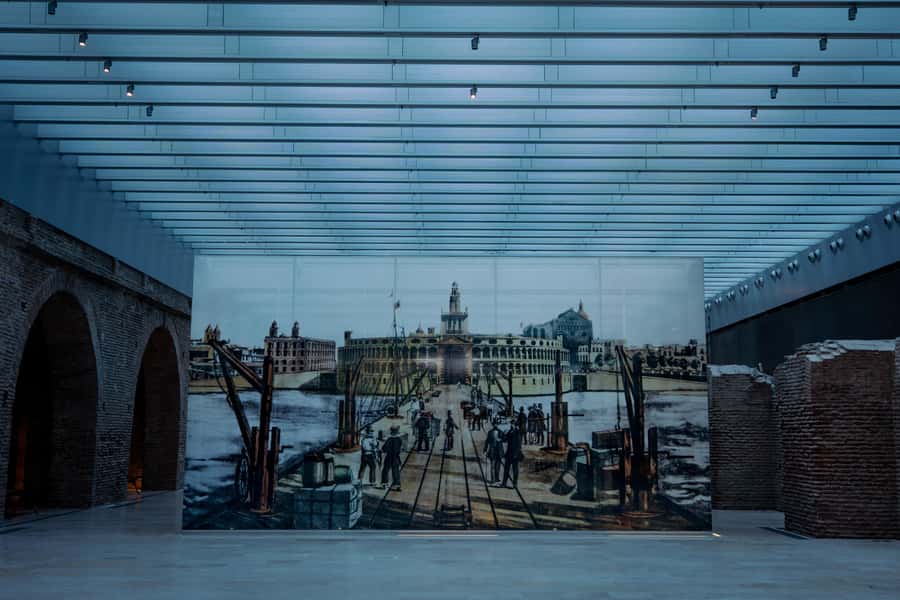
Another high-impact stop is the City Legislature, known for its diverse architectural styles and a towering clock. This is one of those landmarks that feels like a time machine. You can look at the building and immediately sense “civic power,” even before the guide says anything specific.
The guided part here helps you connect the architecture to how the city presents itself. Buenos Aires often mixes visual languages in a way that feels intentional. The clock adds a satisfying detail, too. It gives you something concrete to measure, literally, while the guide talks about how the city functions.
This stop also helps the tour avoid monotony. After a cathedral and a museum, the legislature provides a different texture. You keep getting landmarks that represent different parts of public life.
Bicentennial Museum, presidents relics and standout artworks
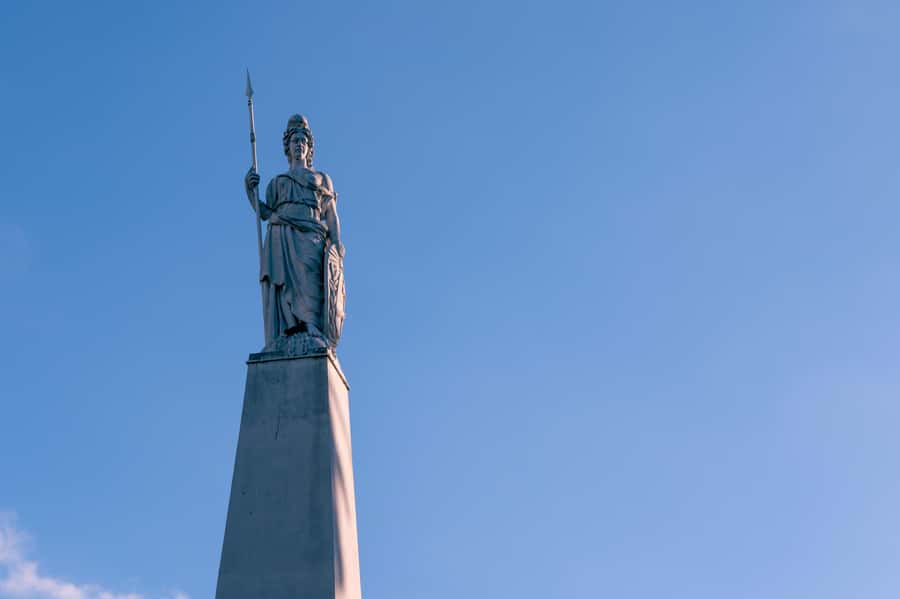
The tour includes the Museo del Bicentenario for a guided visit and sightseeing time. The emphasis is on relics of past presidents and exceptional artworks. Even if museums are not your main interest, this stop is useful because it adds a national layer to the more local civic storytelling from earlier.
What makes this museum time work inside a short 150 minutes? The guide structure. You get enough time to feel like you saw something meaningful, but not so much that you lose momentum or energy. If you have ever done long museum days, you know how easy it is to get tired and start rushing. This itinerary is built to avoid that.
If you like art and artifacts, you will probably want extra time here afterward. But even as-is, this museum stop gives the tour a stronger payoff than a strictly outdoor walking route.
Ministry of Defense building, massive scale and big views
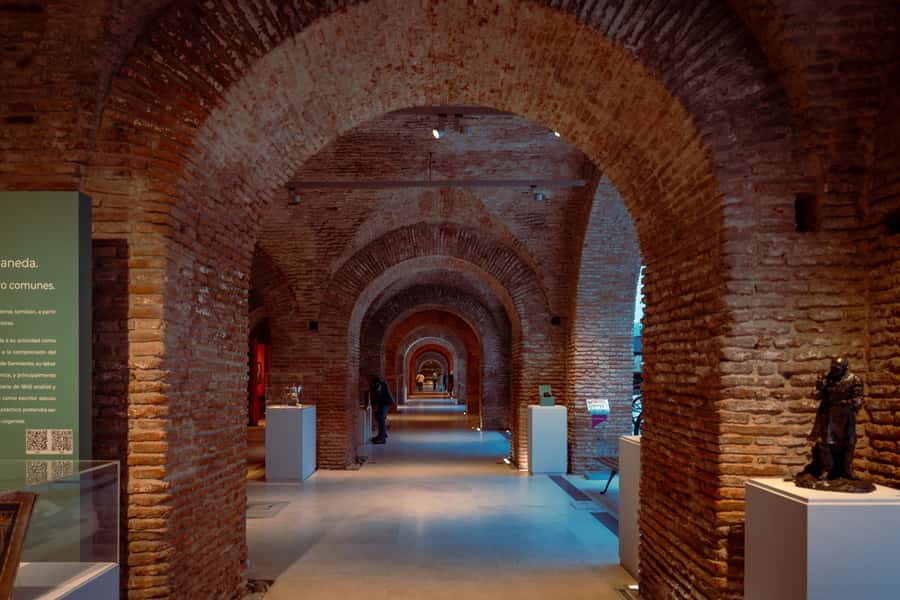
The Ministry of Defense building is described as vast, with views that come along with it. This is a powerful contrast to the earlier square and church stops. Defense institutions bring a different mood, more monumental and more about state scale than street life.
You will get time to take in the building size and the perspective the route offers. I recommend doing a quick scan first, before you focus on photos. Step back, look, then shoot. Otherwise, it is easy to end up with photos that are technically fine but miss the “how big is this” feeling.
This stop also reinforces a theme you will keep noticing: the tour is not only about aesthetics. It is about how Buenos Aires organizes authority through architecture.
National Customs House to Comic Strip Plaza to end the loop
To close, the tour finishes at the National Customs House and the Comic Strip Plaza. This pairing is clever. The customs house connects to trade and movement, the kind of behind-the-scenes force that helps a port city grow. Ending near it keeps the story moving beyond only politics and religion.
Then the Comic Strip Plaza shifts the mood. It is a lighter, more playful end point that helps you land this tour without feeling like you have been in formal buildings the whole time. If you are tired, this is a good place to catch your breath and keep exploring at your own pace afterward.
How the $20 price stacks up for 150 minutes
At $20 per person for 150 minutes, this is the kind of deal that makes sense if you are short on time but want your bearings. You get guided time at multiple major landmarks, plus museum-style visits. That is a lot of “sightseeing with explanations” packed into one block of time.
Value is also about what you do not get. Food and drinks are not included, and hotel pickup and drop-off are not part of the package. So you should budget a simple plan: bring water, and decide where you want your meal after the tour. If you show up hungry without a plan, the tour pace can start to feel more stressful.
Still, because it focuses on the central historic area and key landmarks, it is a good choice for your first or second day in the city center. It helps you choose where to go next based on something more than a map pin.
What to bring, wear, and plan for outdoors walking
Since the tour takes place outdoors for a significant portion, pack like you are dressing for a city walk, not a museum sprint. The essentials are simple and worth following:
- Comfortable shoes you trust for long streets
- A hat and sunscreen for sun exposure
- Water, especially on hot days
- Weather-appropriate clothing based on the forecast
If you know Buenos Aires can vary quickly through the day, check the sky before you leave and be ready with a light layer. The route moves between photo stops and guided indoor moments, but the transitions still happen outside.
Also note: the tour is not suitable for people with mobility impairments and wheelchair users. If you need accessibility support, you will likely want a different format.
The guide factor: why Miguel’s style keeps popping up
One of the most praised parts is the guide. Miguel shows up in multiple high ratings, and the pattern is consistent. He tells the stories in a way that makes the city feel readable, and he handles questions without rushing people.
A few specific details to keep in mind:
- The tour runs in Spanish, but Miguel can adjust how he explains things when language is a problem.
- There are hints of personal touches, like showing people how to drink mate (if it fits the group and timing).
- The overall vibe is kind and responsive, not stiff.
This matters because the itinerary includes buildings you might otherwise just photograph. A great guide turns that into understanding, and you leave the route with mental links between sites.
Should you book this Historic Buenos Aires Landmarks and Icons Tour?
I think this tour is a good booking if you want an efficient, guided route through Plaza de Mayo, Casa Rosada, and major historic civic stops in about 2.5 hours. The price is reasonable for the number of guided visits, and the guide quality is the standout reason to choose it.
Book it if you are:
- In Buenos Aires for a short time and want the city center story fast
- Interested in how civic buildings shape national and local identity
- Comfortable walking and want explanations, not just photos
Skip it or change plans if you:
- Need an accessible route, because it is not set up for mobility impairments
- Get uncomfortable with outdoors walking in sun and heat
- Prefer a self-guided pace with lots of free time at each stop
FAQ
Where do I meet the guide?
Meet your guide near the flagpole at Plaza de Mayo.
How long is the tour?
The tour duration is 150 minutes.
How much does it cost?
The price is $20 per person.
Is this tour guided?
Yes, it includes a guided tour with a live guide.
What language is the tour in?
The live tour guide is Spanish.
Is hotel pickup and drop-off included?
No, hotel pickup and drop-off are not included.
Are food and drinks included?
No. Food and drinks are not included.
Is the tour suitable for wheelchair users or people with mobility impairments?
No. It is not suitable for people with mobility impairments or wheelchair users.
Recently reviewed around Buenos Aires
- Meet Locals: Language Exchange Café in Buenos Aires★ 5.0 · 10 reviews
- Piazzolla Tango Show Only In Buenos Aires★ 4.5 · 10 reviews
- Madero Tango Show Including Executive Dinner In Buenos Aires★ 3.5 · 10 reviews
- Private City Tour & Transfer to the International Airport★ 5.0 · 10 reviews
- Esquina Homero Manzi Tango Show Ticket Including Optional Dinner in Buenos Aires★ 4.5 · 10 reviews
- VIP Dinner & Tango Show at El Viejo Almacen★ 4.5 · 10 reviews
- Buenos Aires City Tour★ 4.5 · 11 reviews
- Premium service Buenos Aires city tour for small groups★ 4.0 · 11 reviews
Historical Tours, compared.
Historical Sherpa Food Tour of San Telmo with Street Food, Drinks
Read our review →
Nazis in Buenos Aires: a historical walking tour
Read our review →
San Telmo: Historical Guided Tour with Street Food & Drinks
Read our review →
Recoleta Cemetery – Small Group Tour of History & Secrets
Read our review →
Private Evita and Peronism Historical Tour in Buenos Aires
Read our review →
Browse the lists this tour appears in