
Reviewed · PALERMO
Palermo: Graffiti and Street Art Guided Tour in English
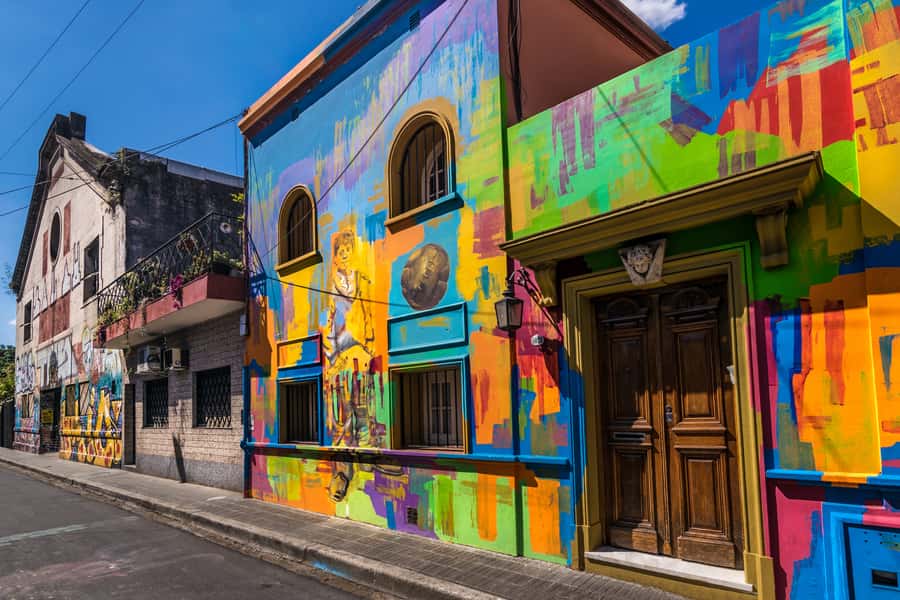
Palermo’s graffiti and street art are more than decoration. This 2-hour walk turns walls into a timeline, showing how Argentine street writing shifted from election-era signaling to protest-era messaging, using specific spots you would otherwise miss. You also get a fun photo moment built around the Trump Wall graffiti at Madison Avenue Bar.
I especially love how the tour explains the political origins of graffiti, from the 1920s mindset to how propaganda worked in real election campaigns. I also love the hands-on feel, because the guide points out what to look for on each corner, like style changes after aerosol paints arrived in 1969. If you get Elina, Aylen, Juan, or Vito, you are in for a guide who keeps things lively and easy to follow.
One possible drawback: it is a steady walking tour. Even though it is wheelchair accessible, you should expect you will spend most of the time on your feet for the full 2 hours, plus rain can be part of the plan since the tour runs in wet weather too.
Key highlights you should care about
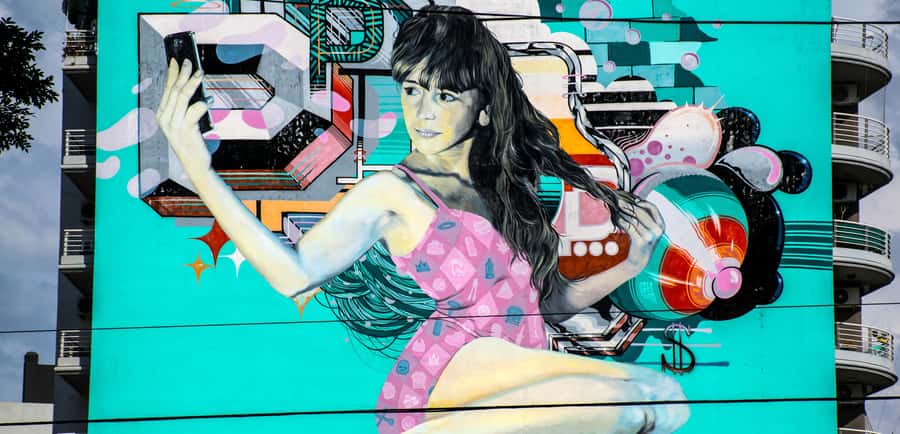
- Trump Wall photo stop at Madison Avenue Bar, a memorable Palermo moment for your camera roll
- Political timeline of Argentine street art, from early endorsements to campaign-era propaganda
- 1969 aerosol paint impact, explained in a way that connects tech to protest speed
- Palermo Soho street-art styles, including football murals and other playful themes you will actually spot
- English live guide with strong energy, often with humor and lots of Q and A at the end
Palermo’s graffiti tour: why the walls here feel political, not random
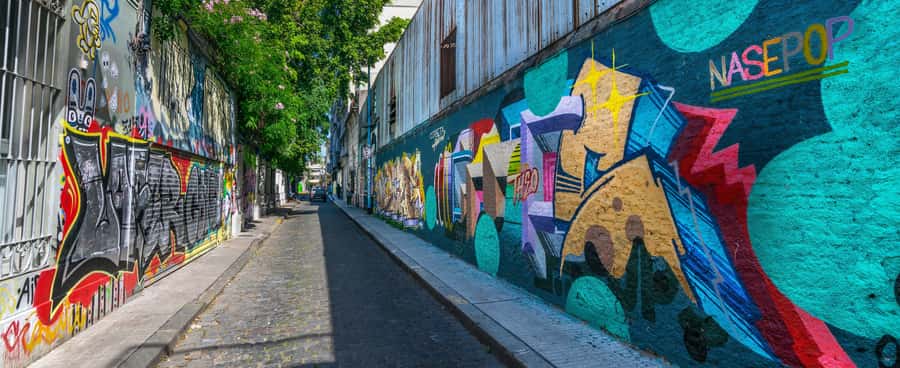
Buenos Aires has plenty of street scenes, but Palermo is where graffiti starts to feel like a public conversation. This tour uses that reality, treating street art as a readable record of what people were thinking, selling, arguing, and protesting.
What makes it interesting is the way the guide links art to Argentina’s social conflict. You are not just learning names and dates. You are learning why graffiti gets attention in the first place, then why it changes when the tools change.
You will also get a practical mindset for looking. Instead of walking past murals and tags like background noise, you learn how to pick up clues, from message style to the political setting behind the image.
More of Palermo:
- Palermo Graffiti Tour
★ 5.0 · 797 reviews - Buenos Aires: Empanada & Alfajor Cooking Lesson in Palermo
★ 4.6 · 186 reviews - Parrilla Tour Palermo
★ 5.0 · 185 reviews
Price and time that actually make sense for a first-timer
At about $13 per person for a 2-hour guided walking tour, the value is in the structure. You are paying for someone to connect scattered street art into a story with stop-by-stop context, including a clearly marked photo stop, not a random roam.
Two hours is long enough to learn something real, but short enough to fit into a normal Buenos Aires day. After the walk, you will likely notice more street art on your own, because you will know what details matter and what questions to ask when you see a new wall.
The group pace is also a selling point. The tour is run with enough organization that even if your group is larger, you can still hear the guide and stay oriented. That matters, because street art is easy to miss when you are stuck a few steps behind.
Meeting at Plaza Serrano: finding the orange-shirt guide fast
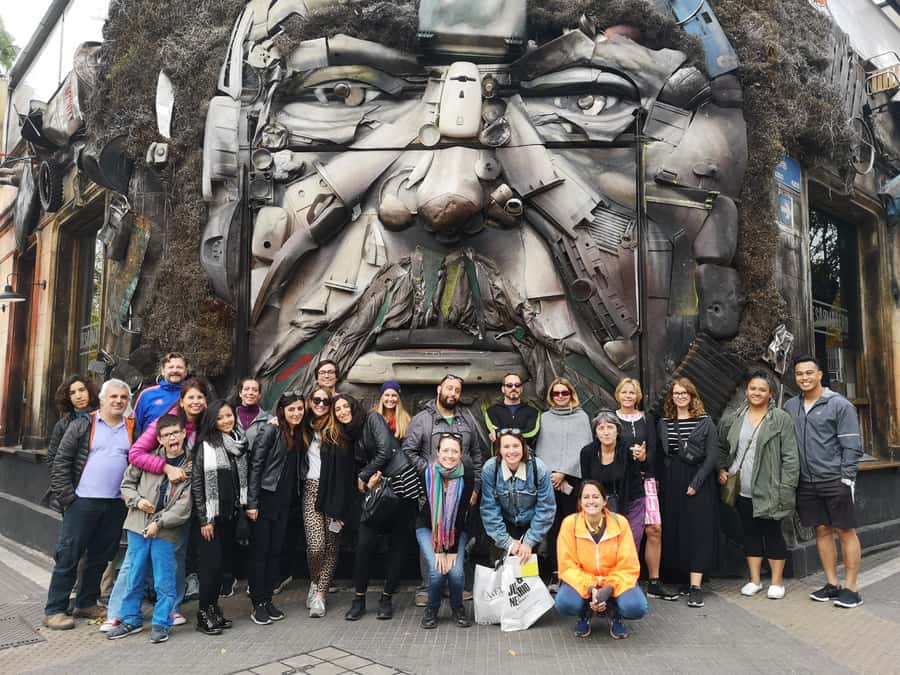
The meeting point is Plaza Serrano (Plaza Cortazar), at the corner of Jorge Luis Borges and Honduras St. Look for the guide in an orange t-shirt, with a big PALERMO sign.
This is a smart setup because Plaza Serrano is a recognizable landmark in Palermo Soho. You can get there easily on foot once you are in the neighborhood, and the meeting spot is clear, which cuts down on that awkward waiting time.
One small tip that helps: arrive a few minutes early and take a quick look around the plaza. When everyone shows up at the same time, it is easy to lose track of each other on a busy afternoon. Getting your bearings early makes the tour start smoother.
The walk begins at Plazoleta Julio Cortazar, then moves into Palermo Soho
The tour starts at Plazoleta Julio Cortazar, then continues through Palermo. Even though this is a neighborhood walk, it is not wandering. The stops are chosen so you can connect what you see to the era you are hearing about.
This matters because street art can look like separate worlds if you do not have a timeline. With the guide’s framing, you start seeing patterns. For example, you begin to understand why some messages feel like endorsements or slogans, while others feel like direct protest.
You are also learning how the neighborhood itself supports the art. Palermo Soho is a place where public walls carry meaning, partly because there is enough foot traffic for messages to reach people, not just exist for one viewer.
A few more Buenos Aires days worth comparing
- AsadoAdventure and Street Art Tour in Palermo Viejo
★ 5.0 · 142 reviews - BA Street Art Walking Tour – Small Shared Group
★ 5.0 · 141 reviews - Private Street Art Tour in Buenos Aires
★ 4.9 · 7 reviews
Madison Avenue Bar and the Trump Wall graffiti stop
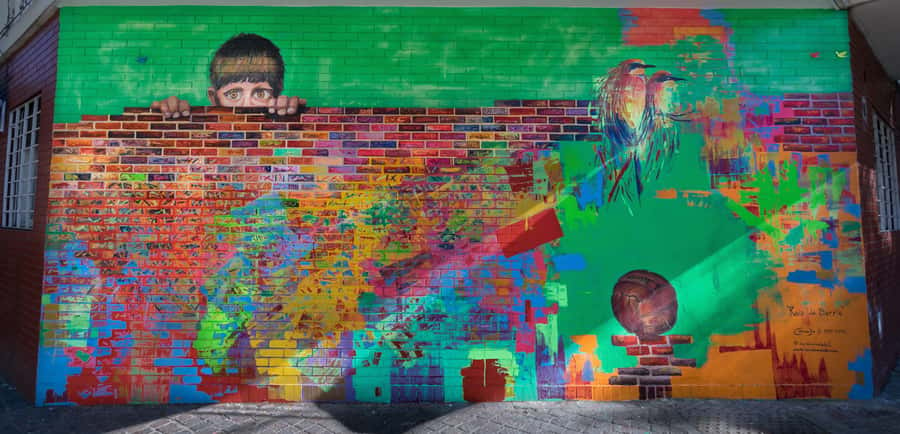
One of the most memorable parts is the built-in photo target: the Trump Wall’s graffiti at Madison Avenue Bar. This is the kind of stop that gives you an instant landmark, even if you are not sure what you are looking at yet.
But the value is more than the photo. The guide uses this moment to reinforce the larger point that street art can become a public statement. It is not only about aesthetics. It is about signaling, attention, and influence.
When you see the wall firsthand, the political framing clicks. You understand why people treat graffiti like a bulletin board. Then, once you return to the timeline, the earlier and later examples start to feel connected rather than random.
If you care about photography, take your time at this stop. You have a clear subject, and the guide can point out details you might otherwise miss, like how the style supports the message.
Going back to the 1920s: graffiti as election-era propaganda
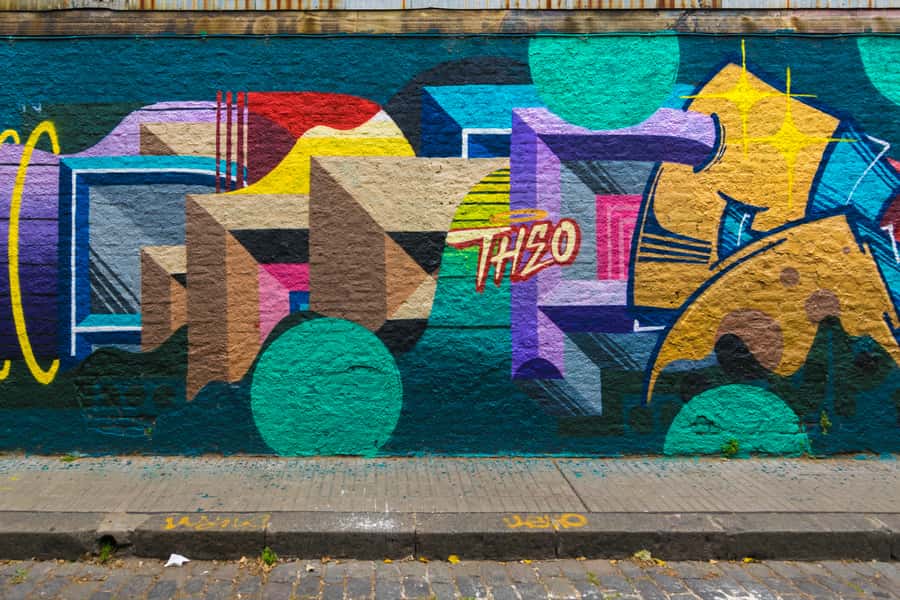
The tour takes you back to the 1920s to explain how political movements gained traction in Argentina and how public writing could function as support or endorsement.
This is where street art stops being a street trend and becomes political infrastructure. The guide explains that graffiti was not viewed only as rebellion. It could also be used as propaganda and for election campaigns, meaning the wall became part of how politics spread in public.
The practical takeaway for you: when you look at older-looking pieces or designs that feel like slogans, you will know what to ask. Who would have seen this? What message is it trying to land quickly? What kind of political support is being signaled?
Even if you have zero background in Argentine politics, the tour keeps it readable. You get the political logic without it turning into a lecture.
The 1969 aerosol paint shift and why speed changed the streets
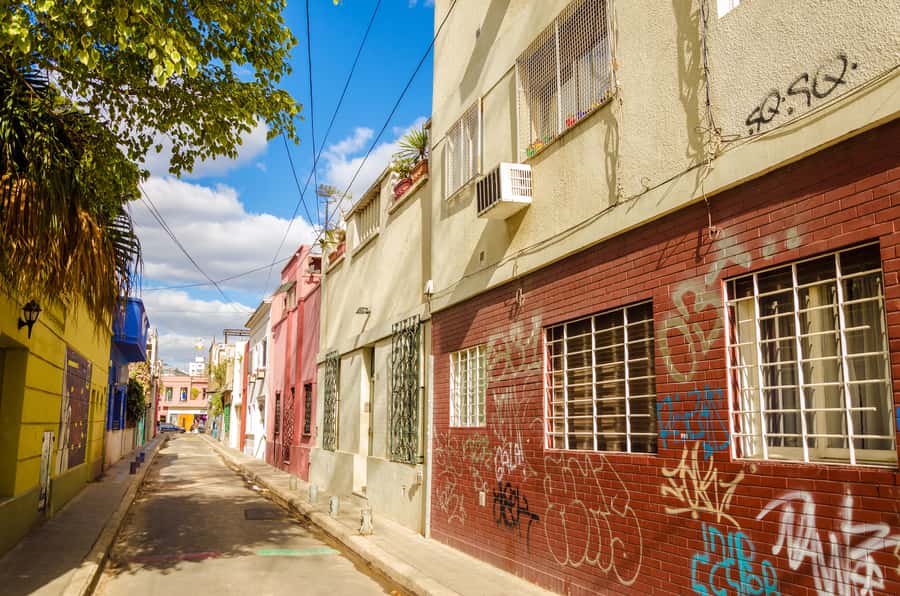
Then the tour moves to a specific turning point: aerosol paints arriving in 1969. The guide explains how aerosol made messages faster to produce compared to earlier methods, and that speed mattered during a period shaped by a different military government.
This part is especially useful because it helps you understand why street art style evolves. It is not only artistic trends. It is also tools, access, and urgency. When people can create quickly, the city becomes a faster feedback loop for ideas, arguments, and protest.
From there, you learn how this impacted urban movements during the 1970s. The guide connects the material change to social conflict, including how Argentinians became progressively more involved in protesting.
Practical angle: if you are the kind of person who likes patterns, watch how the guide describes the relationship between speed and messaging. It changes how you interpret everything from simple tags to larger painted pieces later in the route.
The 1970s protest era: when the wall becomes a louder voice
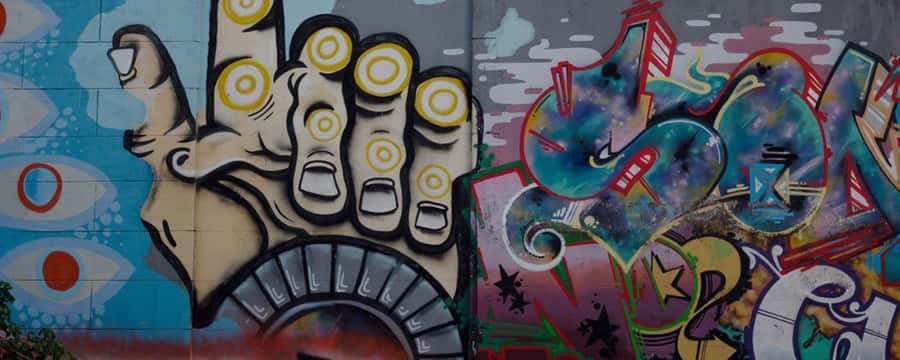
As the tour continues into the 1970s, the stories focus less on art history trivia and more on participation. You learn how protesting grew more visible and how street messages became part of a larger public struggle.
This is also where the tour’s tone matters. Many of the guides on this route bring humor and keep the energy up, so the subject stays human instead of heavy. You will still get context, but you will not be stuck listening to one-way facts for two straight hours.
If you get a guide like Juan or Vito, the tour often feels like a guided conversation, not a monologue. That makes it easier to hold onto the timeline and connect each stop to what came before.
What you learn to spot as you walk: styles, details, and meaning
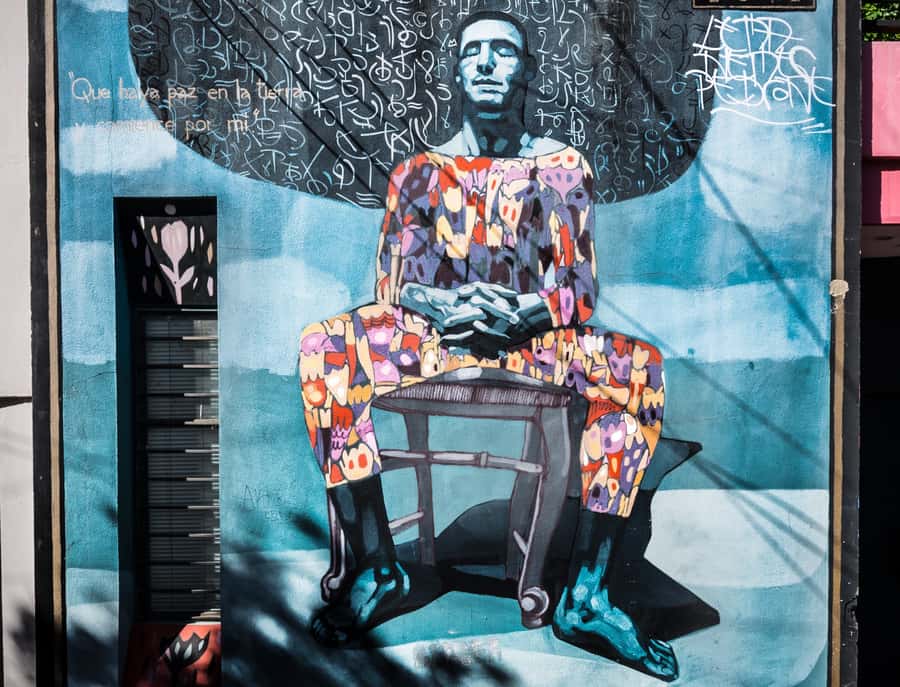
Palermo street art is not one style. You will likely see a range, and the guide helps you separate what is just decoration from what is making a point.
From the tour experiences, I would expect you to notice themes like football murals and other playful imagery such as butterfly murals, alongside more pointed political graffiti. The mix matters, because it shows how public walls can hold both identity and politics at the same time.
Here is what you should focus on while you are walking:
- Message clarity: does it read like a slogan or like commentary?
- Style clues: are you seeing quick tag-like work or larger compositions?
- Context: where is the piece placed, and who is likely to pass it daily?
- Change over time: does the guide connect this look to the aerosol era and the protest wave?
The best part is that you do not just learn what the piece is. You learn how to look at it. After the tour, that skill transfers to any wall you see later in Palermo.
Tour length, rain planning, and comfort for your schedule
The tour lasts 2 hours and is a guided walking experience. Plan it as an afternoon activity when you can give it your attention, because the story is paced through the walk.
A useful detail: the tour will still take place even if it rains. That means you should bring a light rain layer or umbrella, and accept that surfaces might be slick. If you are prone to getting cold, bring something you can wear over your layers without slowing you down.
Group logistics are handled well. The guides keep people together and managed so you do not end up stuck in the wrong spot for the next explanation.
And yes, it is wheelchair accessible. You still may want to consider sidewalk conditions in Palermo, but the activity is clearly designed with access in mind.
Ending at Plaza Inmigrantes de Armenia: the route’s payoff
The tour finishes at Plaza Inmigrantes de Armenia. Ending there matters because it gives you a clean off-ramp from the walking story. You are not dumped into nowhere. You have a definite endpoint where you can reset, grab water, or continue exploring Palermo Soho on your own.
At the end, you will likely feel like you have a new filter for the neighborhood. The point is not to memorize every piece. The point is to understand why graffiti grows, why it changes, and why it keeps getting used during periods of tension.
That is also why this tour works for repeat visits. If you come back later to Palermo, you will recognize patterns and artists’ styles sooner.
Who should book this Palermo graffiti tour
This tour is a great match if you want:
- A short, focused street art experience that fits into a typical Buenos Aires day
- A guide who connects walls to politics, elections, and protest
- An English explanation that helps you interpret what you see without needing a degree
You might want to skip it if:
- You hate walking and prefer very static sightseeing
- You want art advice focused only on technique and aesthetics, not message and politics
If you enjoy city stories and you like learning through real places, you will probably enjoy the way the tour builds meaning step by step.
Should you book? My practical call
I think you should book this tour if you want street art to make sense fast. For $13 and 2 hours, you get an organized route, a clear photo stop at the Trump Wall, and a straight-to-the-point explanation of how graffiti developed in Argentina from the 1920s through the aerosol shift in 1969 and into the 1970s protest wave.
It is especially worth it for first-time Palermo visitors who would otherwise miss the bigger story behind what looks like random color on a wall. If you book, show up on time at Plaza Serrano, look for the orange t-shirt guide, and bring your curiosity. The walls will start talking back.
FAQ
How long is the Palermo graffiti and street art guided tour?
The tour lasts 2 hours.
What is the price per person?
The price is listed as $13 per person.
Where do I meet the guide?
You meet at Plaza Serrano (a.k.a. Plaza Cortazar) in Palermo, at the corner of Jorge Luis Borges and Honduras St.
Where does the tour start and where does it finish?
The tour starts at Plazoleta Julio Cortazar and finishes at Plaza Inmigrantes de Armenia.
Is the tour conducted in English?
Yes, the live tour guide provides the tour in English.
Is hotel pickup or drop-off included?
No. Hotel pickup and drop-off are not included.
Is food or drink included?
No. Food and drink are not included.
Does the tour run in the rain?
Yes. The tour will still take place even if it rains.
Can I get a full refund if I cancel?
Free cancellation is offered up to 24 hours in advance for a full refund.
Is the tour wheelchair accessible?
Yes, the tour is wheelchair accessible.
Is there a reserve now and pay later option?
Yes. You can reserve now and pay later, keeping your plans flexible.
Recently reviewed around Buenos Aires
- Meet Locals: Language Exchange Café in Buenos Aires★ 5.0 · 10 reviews
- Madero Tango Show Including Executive Dinner In Buenos Aires★ 3.5 · 10 reviews
- Piazzolla Tango Show Only In Buenos Aires★ 4.5 · 10 reviews
- Private City Tour & Transfer to the International Airport★ 5.0 · 10 reviews
- Esquina Homero Manzi Tango Show Ticket Including Optional Dinner in Buenos Aires★ 4.5 · 10 reviews
- VIP Dinner & Tango Show at El Viejo Almacen★ 4.5 · 10 reviews
- Premium service Buenos Aires city tour for small groups★ 4.0 · 11 reviews
- Buenos Aires City Tour★ 4.5 · 11 reviews
Palermo, compared.
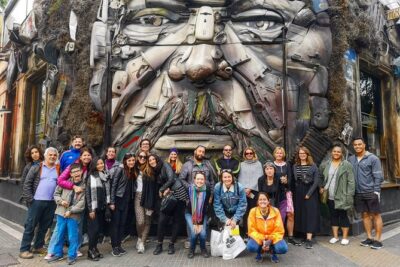
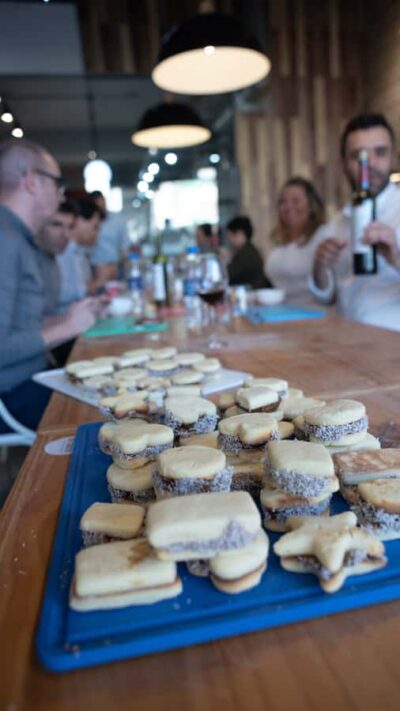
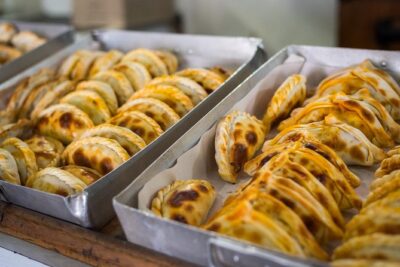
Half-Day Recoleta and Palermo Bike Tour in Buenos Aires
Read our review →
AsadoAdventure and Street Art Tour in Palermo Viejo
Read our review →
BA: Empanadas and Alfajores Cooking Experience in Palermo
Read our review →
Buenos Aires Bike Tour: North Districts, Recoleta and Palermo
Read our review →Browse the lists this tour appears in