
Reviewed · PALERMO
Palermo SoHo for curious people
Palermo SoHo is one of those neighborhoods that looks like it was built for Instagram, then quietly turns into something else the moment you start asking why. This walk is interesting because it treats the street scene as evidence, not decoration, with an anthropologist-style conversation that keeps you alert and involved.
I like the interactive approach. You are not on a passive “listen and drift” stroll, you are chatting, asking, and tying everyday details to the neighborhood’s social changes. I also like that it targets real themes, like gentrification and the neighborhood’s immigrant roots, instead of stopping at trendy facades.
One thing to consider: this is built for people who want to talk. If you prefer quiet photo time and zero questions, the discussion-heavy format may feel like more work than a walk.
Key Highlights You Will Feel on the Streets
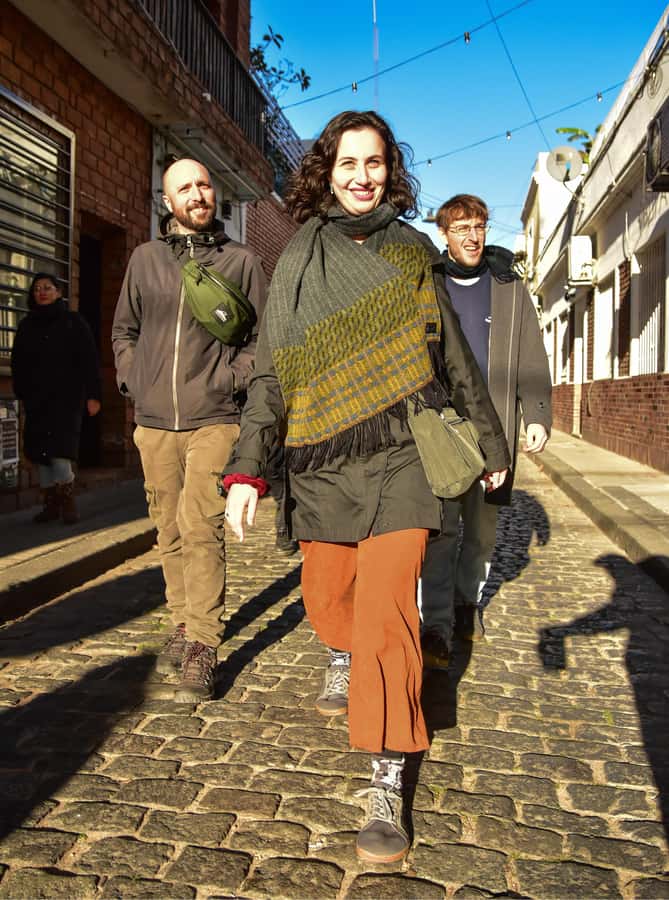
- Anthropologist-led conversation that’s meant to spark questions, not just deliver facts
- Transit and place origins, including why the train and tram show up in the story
- Immigration history in public space, with a dedicated stop at Plaza Inmigrantes de Armenia
- SoHo as a changing label, from early inhabitants to today’s tourist and food culture
- Gentrification and real estate pressures, including links to peso devaluation and the idea of two exchange rates
- Short, well-timed food stops that give you a breather without breaking the flow
Palermo SoHo Is Really a Conversation Starter
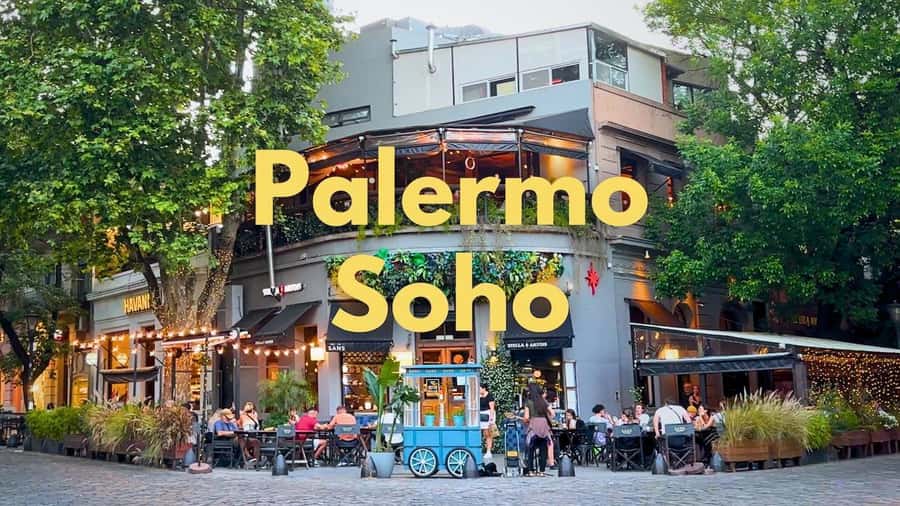
Palermo SoHo can look like a neat, curated zone of chic bars and design shops. But the moment you approach it through people, habits, and policy, it starts making sense as a neighborhood that constantly renegotiates who belongs where. That is the core value here, the mindset shift from scenery to story.
You will also notice how the tour plays with cause and effect. Small pieces of city life, like transit links and local institutions, connect to bigger forces like economic change. It is the kind of walking experience where you keep thinking, wait, that explains more than I expected.
More of Palermo:
- Palermo Graffiti Tour
★ 5.0 · 797 reviews - Palermo: Graffiti and Street Art Guided Tour in English
★ 4.8 · 684 reviews - Buenos Aires: Empanada & Alfajor Cooking Lesson in Palermo
★ 4.6 · 186 reviews
Meeting by Distrito Arcos, Next to Montagne, and Getting Oriented Fast
You start near the amphitheater of Distrito Arcos Premium Outlet, right next to the Montagne store. Getting the first steps right matters, because this tour moves through several lanes, passages, and small corners where you would otherwise miss the point.
From the start, expect your guide to set the tone: this is a guided discussion with a university-degree style of framing. You are encouraged to ask things as you walk, and that makes the whole route feel less like a checklist and more like a living map.
Puente Pacífico: Transit That Hints at Neighborhood Origins
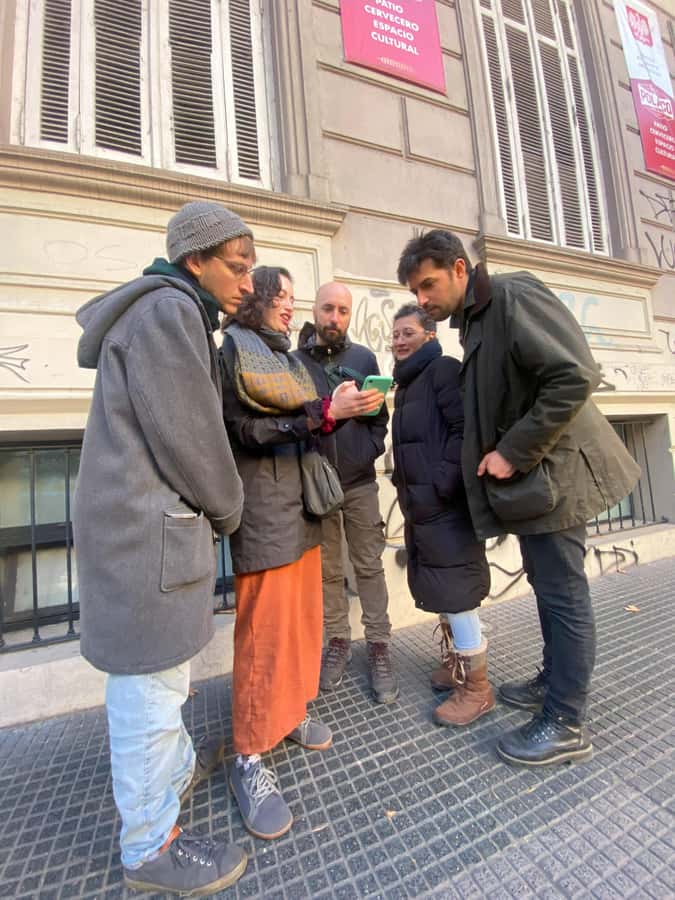
The first guided stop is at Puente Pacífico for about 15 minutes. Even if you are not a transit-history person, you will appreciate why this shows up early: it helps connect how movement through a city shapes where people land and where businesses follow.
This is also where you start hearing the tour’s central theme, that the neighborhood did not simply appear. The conversation includes how the train and tram connect to the origins of the area, so the “why here” question starts getting answered from street level.
What you might like most is how the guide uses these practical anchors to teach broader ideas. You stop seeing the bridge and paths as just background, and start seeing them as part of a social system.
Polo Científico Tecnológico: Old City Logic Meets New Uses
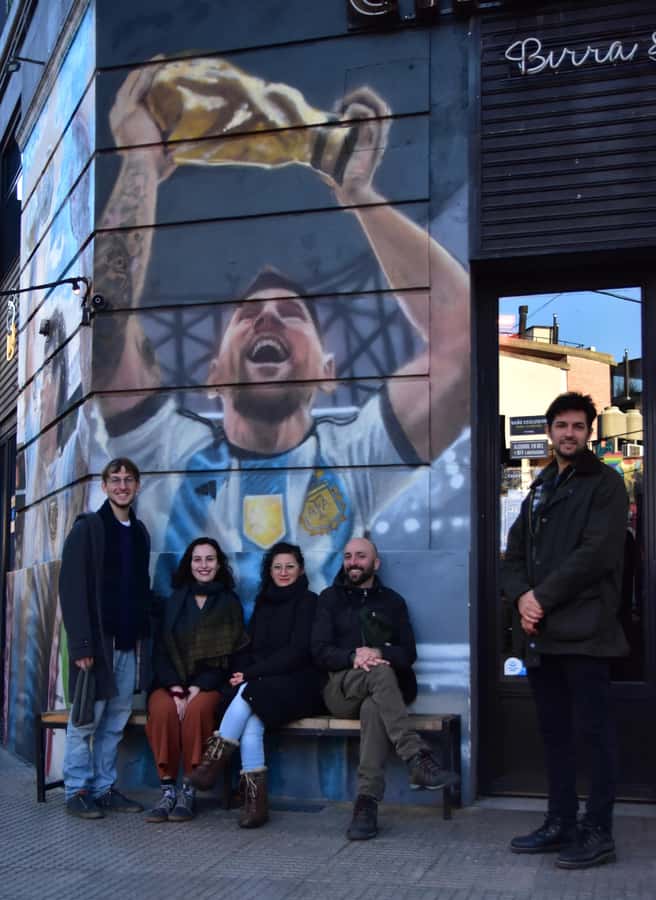
Next comes Polo Cientifico Tecnologico, with about 20 minutes on site. This stop works well because it usually represents a type of space change you see across Buenos Aires: older urban areas and functions re-labeled over time as cities reorganize around new priorities.
You’ll get a sense of how places evolve, not only through architecture but through who uses the space and for what. The tour connects those shifts to what later becomes part of the SoHo identity, the idea that a neighborhood can become “cool” in waves as different groups arrive.
The takeaway for you: you get a way to read urban change without needing a textbook. Even if you only half-follow the deeper references in the moment, you’ll still understand the overall logic.
A few more Buenos Aires days worth comparing
- Local Foodie Adventure in Buenos Aires with Sherpa Food Tours
★ 5.0 · 6,875 reviews - Buenos Aires City Private Tour with Local Guide
★ 5.0 · 3,475 reviews - Buenos Aires Small-Group City Tour
★ 5.0 · 2,226 reviews - Buenos Aires Hop-On Hop-Off Bus, Free Walking Tours & Discounts
★ 4.5 · 2,218 reviews
Pasaje Emilio Zola: A Short Pass That Changes the Mood
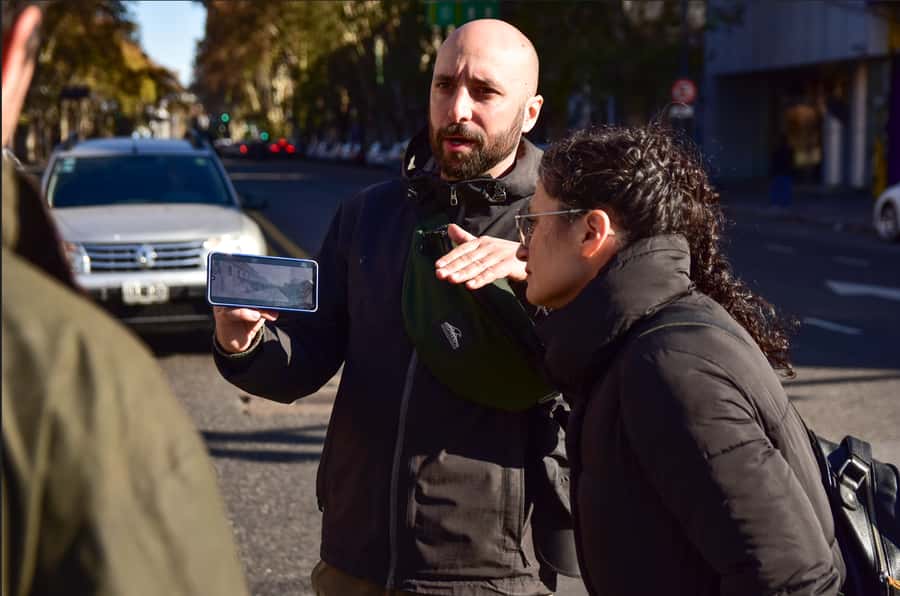
Pasaje Emilio Zola is a quick 10-minute visit, but it’s a useful one. These smaller passages often function like windows into how a neighborhood hides its structure, you get a different feel, different scale, different light, and suddenly you understand why people get attracted to places like this.
Here, the value is less about a single landmark fact and more about the walking rhythm. You see how the tour uses narrow routes to get you away from the obvious streetfront and into the everyday geometry of Palermo SoHo.
PROSVITA and Ukrainian Culture: Immigration That You Can Actually Point To
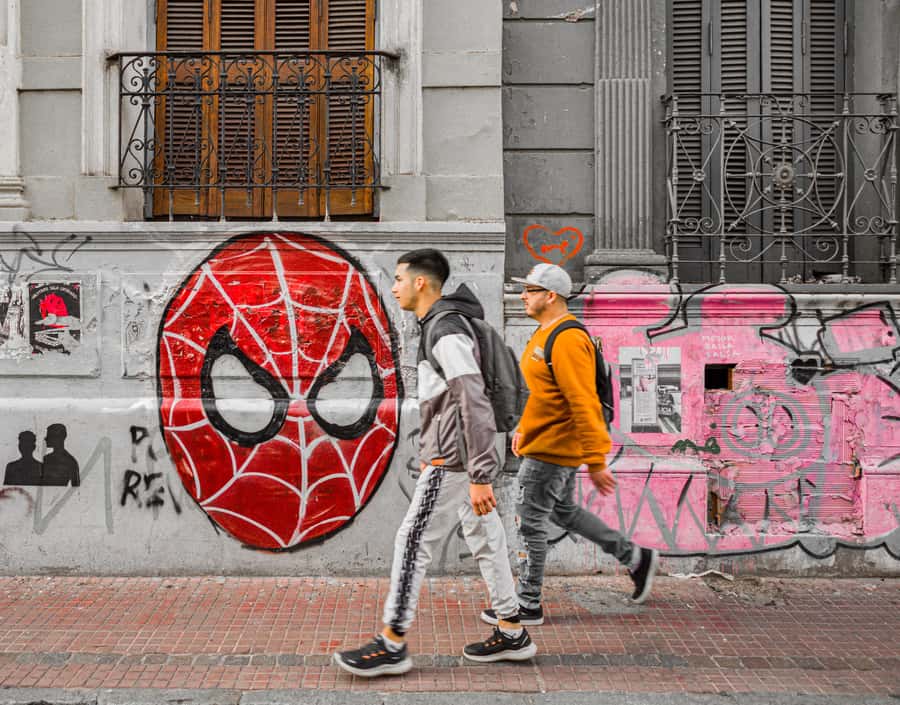
One of the most meaningful stops is at the Asociación Ucrania de Cultura PROSVITA en la Republica Argentina, with about 15 minutes. This is not treated as a museum stop. It’s treated as living history, rooted in community presence and cultural memory in the neighborhood.
If you care about immigration history beyond generic stories, this is where the tour delivers. You walk away understanding that the immigrant story is not only about arriving, it is also about organizing, building institutions, and leaving marks that still show up today.
Keep an eye out for details you might normally skip. This stop trains your attention, so later places land with more weight.
Food Stops With Meaning: El Preferido, Don Julio, Klub Polaco
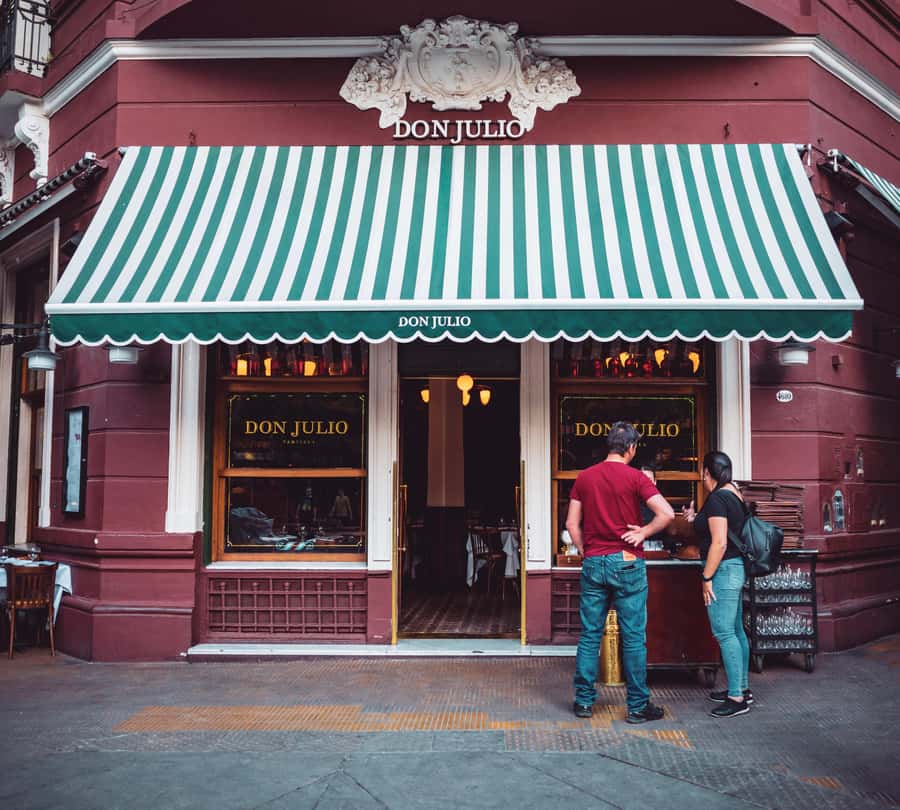
You then move through a cluster of short visits, each around 5 minutes: El Preferido de Palermo, Don Julio Parrilla, and Klub Polaco. On paper, it looks like a food tour spruced up with anthropology. In practice, it’s about identity in everyday life.
Food and social spaces are powerful markers. They show what communities carry forward, and they also show how later audiences adopt and reshape a neighborhood’s vibe. You are essentially learning how a place becomes known, not just lived.
A small practical note: since the stops are brief, come hungry later. These are more about story and atmosphere than a sit-down meal.
ACILBA Pass-By: How Local Institutions Signal Change
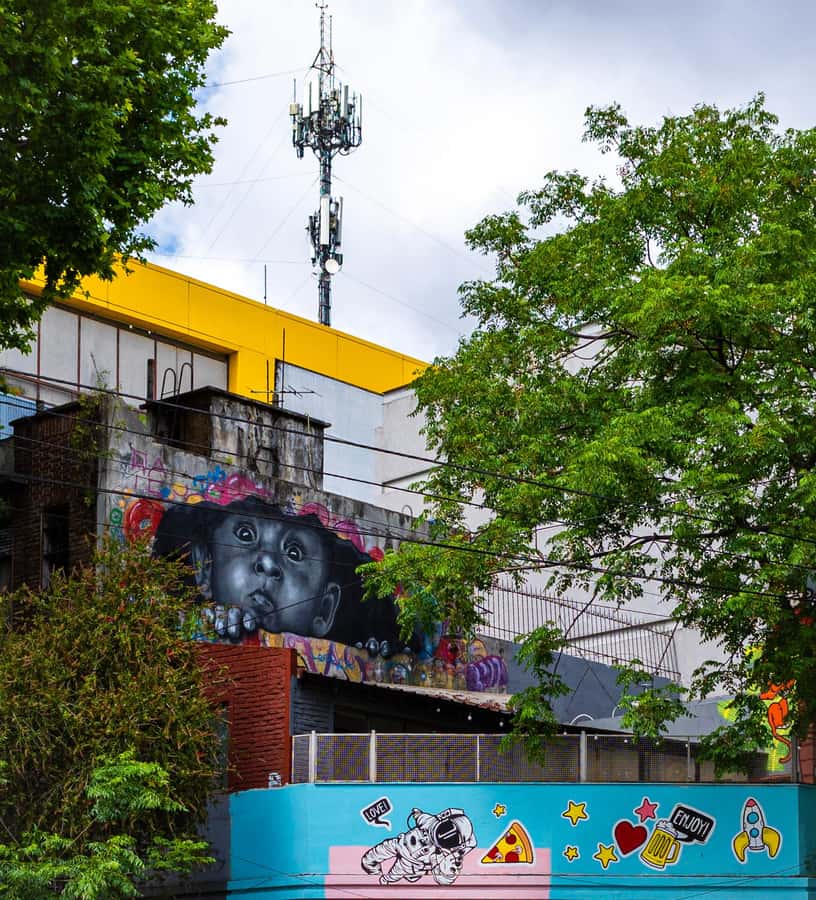
There is an ACILBA pass-by for about 3 minutes. Even though you don’t stay long, short stops like this can be useful because they connect the street to the systems behind it.
You will likely start thinking in categories like local organizations, business networks, and how these groups influence what a neighborhood becomes. It’s a quick piece of the puzzle, and it helps your overall understanding feel less random.
Plaza Inmigrantes de Armenia: The Immigration Story in Public Space
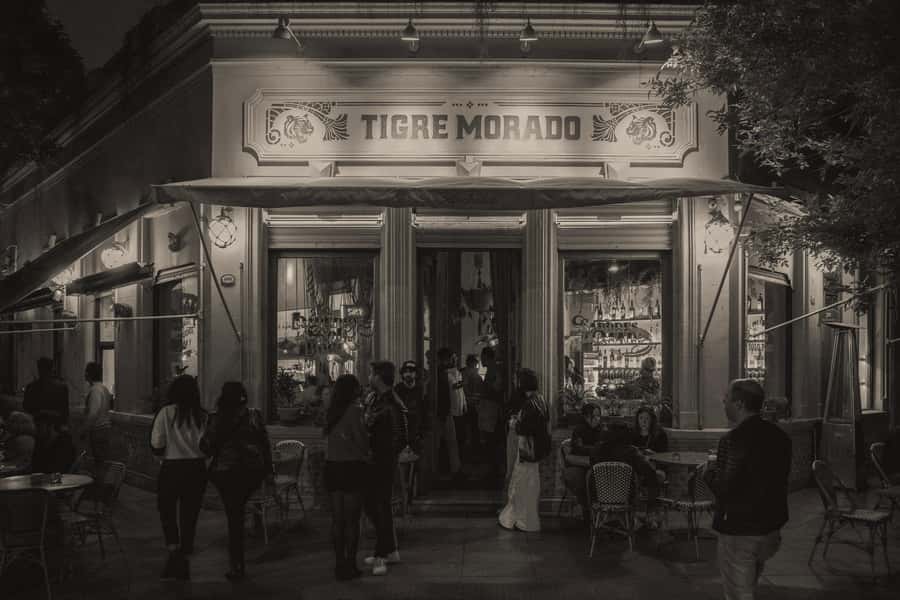
Plaza Inmigrantes de Armenia gets about 10 minutes, and it stands out because it is a clearly designated space for community memory. This is where you see immigration history turned into physical place-making, not just background context.
The lesson is bigger than one group or one site. You learn how cities create collective acknowledgement, and how those choices affect what later residents and visitors pay attention to.
For you, this stop is the emotional hinge of the walk. It helps explain why Palermo SoHo can be trendy now, while still carrying layers from earlier waves of people and culture.
Helados Italia Break: A Friendly Reset While You Keep Thinking
You get a break of about 15 minutes at Helados Italia. This is timed well, because after the history stops, you need a breather that is still connected to the neighborhood.
Use the pause for two things. First, take a moment to regroup so you can follow the next parts with fresh attention. Second, ask your guide any lingering questions, because this is exactly the type of tour where answers keep improving as the story builds.
It also keeps you realistic. Walking tours can become all talk, but a snack break lets you stay human and enjoy the pace.
Pasaje Russel to Plaza Serrano: How the SoHo Label Fits the Streets
Pasaje Russel gets about 10 minutes, then you finish at Plaza Serrano. This ending zone matters because Plaza Serrano is where Palermo SoHo feels like a social magnet, a place where crowds gather and the neighborhood’s modern identity shows up in full view.
The tour brings you from quieter, story-heavy corners to the more energetic center, so you can connect the dots. You end with a new way of looking at what you see, not just a route completed.
Gentrification, Real Estate Speculation, and the Two Exchange Rates
A big part of why this walk works is how it talks about gentrification without turning it into a lecture. You cover why Palermo becomes associated with the SoHo name, when tourism ramps up, and how the streets fill with chic bars, restaurants, and the kinds of food trends people now expect to find in “hip” areas.
Then the tour shifts into something more practical and modern: real estate speculation tied to Argentine peso devaluation and the idea of two exchange rates. You do not need to be a finance person to benefit. The guide frames it so you can understand why currency changes can ripple into rent, buying power, and development pressure.
For you, the value is clear: you learn how economic conditions translate into street-level change. That turns Palermo SoHo from a style choice into a real-life case study.
Price, Duration, and Why This Feels Like Value
The price is $25 per person for about 2 hours, and that matters because you are paying for a university-degree guide plus a discussion format that actually uses the time. Many walking tours in Buenos Aires are mainly about landmarks. This one uses landmarks as prompts for social context.
If you like tours where you come away with better questions for your own exploration, this is a strong use of time. If you only want photos and quick facts, it might feel like you are paying for conversation you could have read online.
The sweet spot is small group or private availability too. Smaller groups usually mean you get more back-and-forth, and that fits this tour’s structure.
Who Should Book Palermo SoHo for Curious People?
This tour is best for you if you:
- like asking why a neighborhood looks the way it does
- want immigration history tied to real places, not just general background
- are curious about how economics and identity shape what you see on the street
- prefer guided talk that invites participation
It may not be the best match if you want a quiet walk with minimal interaction. Also, if you are time-crunched and need only a fast highlight loop, this route is meant for learning, not speed.
Should You Book This Walk?
If you are spending time in Buenos Aires and you want a deeper read on Palermo SoHo, I think you should book it. The guide style, with Nico often singled out for being informative, humorous, and professional, makes the history feel alive instead of heavy.
Choose this tour when you want more than trendy scenery. You will walk away with a stronger sense of why the neighborhood changed, and why it keeps changing.
FAQ
FAQ
How long is the Palermo SoHo walking tour?
The tour lasts about 2 hours.
Where does the tour start?
You meet by the amphitheater of Distrito Arcos Premium Outlet, right next to the Montagne store.
Where does the tour end?
The tour finishes at Plaza Serrano.
What languages is the guide available in?
The tour is offered in Spanish, French, and English.
Is it wheelchair accessible?
Yes, the tour is wheelchair accessible.
What is included in the price?
You get a guided walk through Palermo SoHo and a discussion with an interaction-focused guide.
Can I cancel for a full refund?
Yes. You can cancel up to 24 hours in advance for a full refund.
Recently reviewed around Buenos Aires
- Meet Locals: Language Exchange Café in Buenos Aires★ 5.0 · 10 reviews
- Piazzolla Tango Show Only In Buenos Aires★ 4.5 · 10 reviews
- Madero Tango Show Including Executive Dinner In Buenos Aires★ 3.5 · 10 reviews
- Private City Tour & Transfer to the International Airport★ 5.0 · 10 reviews
- Esquina Homero Manzi Tango Show Ticket Including Optional Dinner in Buenos Aires★ 4.5 · 10 reviews
- VIP Dinner & Tango Show at El Viejo Almacen★ 4.5 · 10 reviews
- Buenos Aires City Tour★ 4.5 · 11 reviews
- Premium service Buenos Aires city tour for small groups★ 4.0 · 11 reviews
Palermo, compared.
Palermo: Graffiti and Street Art Guided Tour in English
Read our review →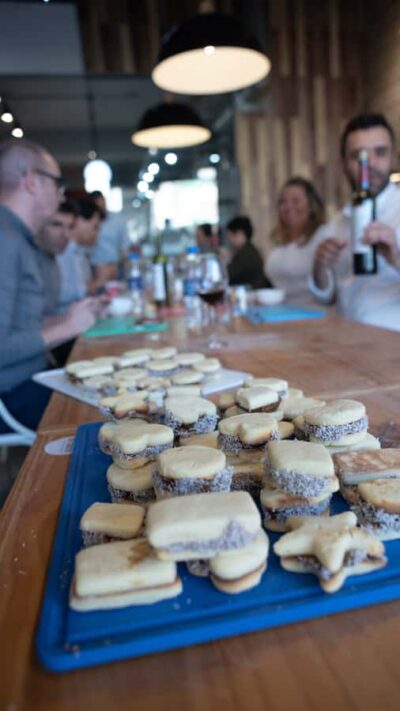

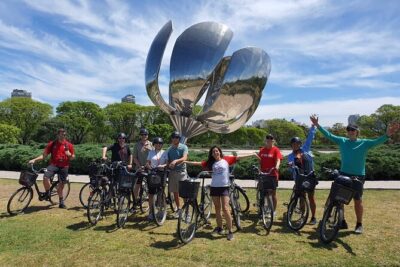
Half-Day Recoleta and Palermo Bike Tour in Buenos Aires
Read our review →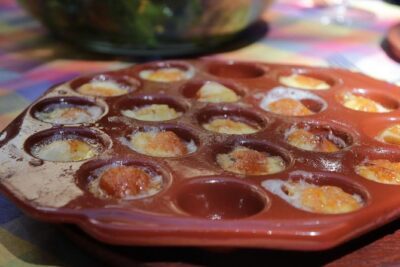
AsadoAdventure and Street Art Tour in Palermo Viejo
Read our review →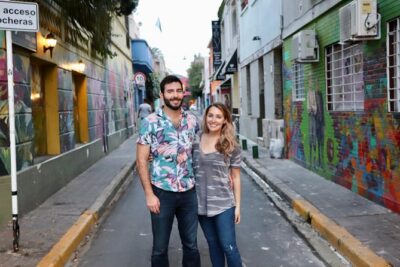
BA: Empanadas and Alfajores Cooking Experience in Palermo
Read our review →Browse the lists this tour appears in