
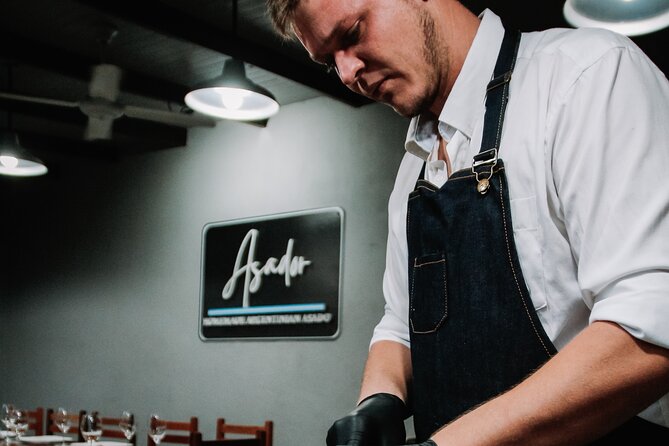
Reviewed · ASADO & PARRILLA DINNERS
ASADOR: Argentine Asado Cooking Class
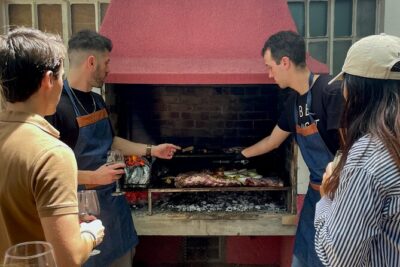
Argentine asado is more than dinner here. It is a social tradition, part barbecue, part folklore, and part right-at-the-table lesson in how Argentines gather, talk, and cook. In Puerto Iguazu, this experience brings you into a private home setting where the focus stays on technique, history, and the people behind the grill.
I love the way the evening is built around real asado steps, not just watching food happen. You also get a menu with classics like choripan and chimichurri, plus the kind of off-the-menu cuts that make this feel genuinely Argentine, not touristy.
One thing to consider: it runs in the evening and it depends on good weather. If conditions are poor, the plan can shift.
What Makes ASADOR Stand Out in Puerto Iguazu
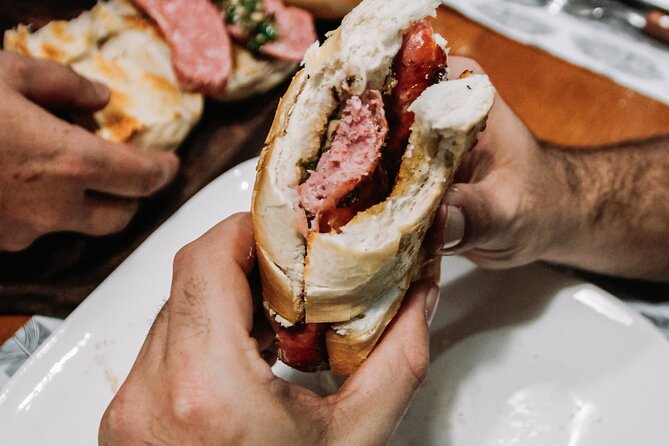
- A relaxed Argentine home setting with direct interaction, not a big commercial restaurant vibe
- English-hosted explanations of asado history, gaucho culture, and grilling technique
- A multi-course menu that includes choripan, provoleta, sweetbreads, entrails, and rib
- A private format where only your group participates
- A social, friend-like atmosphere, with a host named Sasha described as especially welcoming
- Pickup offered, which makes an evening activity easier after a travel day
Argentine Asado in Puerto Iguazu, in Someone’s Home
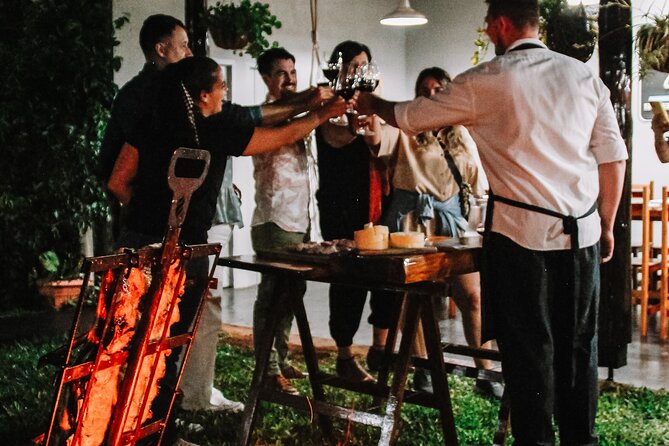
If you have ever done a barbecue class where you sit at a table and wait for food to arrive, this feels different. ASADOR is built around the idea that asado is made through a shared rhythm: the fire, the timing, the cuts, the seasoning, and the conversation. You are not just there to eat. You’re there to understand why the cooking style matters in Argentina, and why people treat it like an event, not a chore.
The setting is also key. Instead of a class in a studio kitchen, you are in an Argentine home. That changes the whole mood. You get a more personal pace, you see the products up close, and you interact with the people cooking the meat. The experience also leans into the folklore side, touching on gauchos, cows, and tradition, so the food connects to a bigger story.
And because it is a private activity, the night can feel more like your group gets introduced to a family ritual. That kind of attention is why this stands out for people who want a cultural evening that feels real.
More Asado & Parrilla Dinners in Puerto Iguazu:
- Buenos Aires: 9-Course Argentine Meat Tasting at Fogón Asado
★ 4.9 · 826 reviews - Join a Local Family Asado in Buenos Aires with Betty and Marcelo
★ 5.0 · 686 reviews - The Asado Experience – Premium Steak
★ 5.0 · 347 reviews
Price and What You Actually Get in 3 Hours
The price is $70 per person for about 3 hours. That can sound straightforward until you think about what you are buying: a full evening built around multiple courses and a guided explanation of asado traditions and cooking techniques.
In value terms, this makes sense because you’re not just paying for a meal. You’re paying for:
- A structured food sequence (starter to dessert)
- Teaching moments tied to how Argentine barbecue is made
- A calmer, private home environment instead of a crowded group setting
- English support throughout
- Pickup offered, which can reduce friction if you are staying in town
Also, the booking pattern gives you a clue. This is on average booked 127 days in advance, which usually means it fills up. If you want a spot on a specific night, you do yourself a favor by reserving early rather than rolling the dice.
The only budget reality check is this: if you are hoping for a short snack-style class, you will likely want a different kind of activity. This is an evening experience designed to feed you properly and teach you along the way.
Timing, Weather, and the 7:00 PM to 10:00 PM Slot
This runs every day during a long operating window, and it takes place Monday through Sunday in the evening, from 7:00 PM to 10:00 PM. Plan it like dinner plus a lesson, not like an add-on.
Because it requires good weather, build in flexibility. If it gets canceled due to poor weather, you will be offered a different date or a full refund. If you dislike weather-based plans, this is the one part you should watch most closely.
Tip for making your evening smooth: eat light before you go. You’ll likely have multiple courses ahead of you, and you will want your appetite working with you rather than against you.
From Pickup to the Fire, How the Night Feels
If pickup is offered in your area, it is a real convenience. After a day of travel, it reduces the stress of finding a meeting point and getting there on time. You’ll also use a mobile ticket, which is handy for keeping everything in one place.
Once you arrive, the tone shifts quickly into welcome and instruction. The host and cook team explain different parts of asado, tying the cooking steps to the wider Argentine idea of gathering around meat and flame. One review notes that Sasha makes people feel welcomed and explains the parts of the asado clearly, which is exactly what you want in a class. You are there to learn, so the explanation matters as much as the food.
The private-group setup matters here too. If your group is small and comfortable, the talk flows easier. You can ask questions as the cooking progresses, instead of waiting your turn in a crowd.
More cooking classes in Puerto Iguazu:
- Argentine Experience Interactive Dining and Cooking
★ 5.0 · 1,382 reviews - Cooking Class Designed by Michelin Chef @ Argentine Experience
★ 5.0 · 1,123 reviews - Buenos Aires: Empanadas and Alfajores Guided Cooking Class
★ 4.8 · 486 reviews - Private Cooking Lessons and Food Tasting in Buenos Aires
★ 5.0 · 223 reviews
Starter Course: Choripan, Chimichurri, and Provoleta
Your first taste sets the tone: choripan, a classic Argentine sandwich made with chorizo and served with homemade chimichurri sauce. If you’ve only had chimichurri as a store-bought condiment, this is a good chance to understand how lively it can be when it is made for the moment. It is salty, herby, and acidic in a way that cuts through rich grilled meat.
You also get a cheese-driven starter: provoleta with olive oil and oregano. Provoleta is grilled cheese that behaves like a snack and a side at the same time, which makes it a great starter because it grabs your attention quickly. It is also a nice example of how Argentine barbecue includes more than just beef.
Here is what you should expect in practice during starters:
- You’ll hear what makes these items part of an asado table
- You’ll connect flavors to technique, like seasoning and timing
- You’ll start learning the structure of the evening
A small drawback possibility: if you are very picky or avoid spicy or herby flavors, the chimichurri might not be your favorite. You can still enjoy the experience, but it helps to be open to bold, fresh sauces.
Entrails and Sweetbreads: The Cuts That Teach You Technique
This is one of the most interesting parts of the menu: entrails and lemon sweetbreads. These are not just “variety” for the menu. They are part of the Argentine approach to using cuts that are prized when cooked correctly.
Entrails are described as a very tender piece of meat against the ribs. That matters because it hints at the skill behind the preparation and how the cook handles timing and heat. Sweetbreads, served with lemon, also point to a style where flavor and tenderness come from careful cooking, not heavy masking.
If you like learning through food, these courses are where the teaching can feel most practical. You’re seeing how different textures respond to grilling. And you’re getting a sense for why asado cooks pay attention to more than just temperature, they pay attention to the meat itself.
If you have dietary restrictions, I would plan carefully. The provided menu is meat-forward and includes organ meats. The good news is that you are in a home setting with a team who is focused on the experience, so if you have a real constraint, it is worth asking before booking. But based on the menu, it is not a “choose your own” type of meal.
The Main Event: Beef Vacuum and Beef Rib
After starters, the night moves into the mains: beef vacuum and beef rib. The exact cooking process is part of the lesson, and the main courses are where you learn the most important asado concept: meat cooked with patience and respect for the cut.
Beef vacuum often gets discussed for its tenderness when treated right, and beef rib is the kind of classic that makes people understand why rib meat belongs at an asado table. Together, these give you a good range of textures and flavor depth.
What I like about this pairing is that it is not random. It supports the idea that asado is technique-driven. You can taste the difference between cuts, and you can better understand why grilling style matters.
Possible consideration: if you only eat very basic cuts and hate richer flavors, you might find the organ-meat starters surprising. But if you’re curious and willing to try, the mains can feel like a satisfying payoff to the adventurous first courses.
What You Learn Besides the Menu: History, Gauchos, and Fire Management
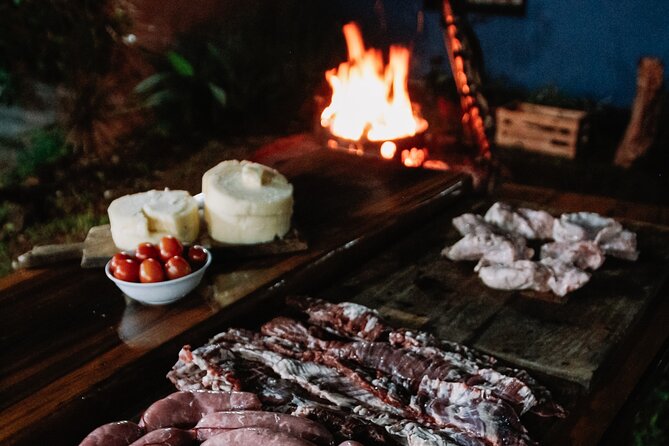
The menu is just one layer. The experience also teaches the tradition: the history and folklore around Argentine barbecue, and the techniques used in a traditional Argentine home.
That means you’re not only learning what to eat. You’re learning why certain steps exist and why certain flavors belong together. The focus includes:
- Different cooking techniques used for typical asado meats
- The cultural background around gauchos and the cattle tradition
- The idea of friendship and gathering, which is how Argentines frame the whole event
This “culture plus cooking” combo is what makes the class feel worth doing even if you are not a serious foodie. You walk away with something you can talk about, and you can recognize the cues that make an Argentine grill different from other barbecue traditions.
And because the environment is relaxed and private, it is usually easier to absorb the explanations. You are not juggling noise and lines, you are listening while food is actively being prepared.
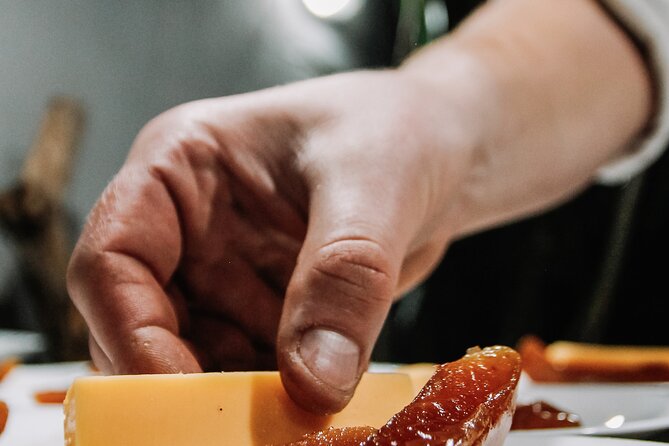
Dessert: Dulce de Mamón With Cheese
Finish strong with dulce de mamón with cheese, a regional dessert. Mamón is a sweet fruit, and pairing it with cheese gives you that Argentine habit of mixing sweet and savory in a way that feels both comforting and interesting.
Dessert here is not just a sugar cap. It also shows how the asado night is meant to be complete. You get the full arc: starter curiosity, main satisfaction, then something sweet that helps the evening end on a local note.
If you have a sweet tooth, you’ll appreciate that it is regional. If you do not, you might still enjoy a small taste because the cheese component changes the sweetness.
Who This Is Perfect For (and When to Skip It)
This experience fits best if you want an evening that is social and cultural, not just a meal. I especially think it works well for:
- Solo travelers who want an easy way to meet people. One review specifically highlighted the host making singles feel welcomed and that it was a great way to end a trip.
- Small groups who like learning and eating together in a low-pressure setting.
- Food lovers who are curious about Argentine flavors beyond steak, including items like provoleta, sweetbreads, and entrails.
You might consider skipping it if:
- You dislike eating organ meats or you have strict dietary needs
- You want only vegetarian food options, since the menu is meat-centric
- You have no flexibility for weather-related changes
Also, it is offered in English, which helps a lot if you do not read Spanish. Even if you are comfortable with Spanish, an English explanation tends to make the cultural background land faster.
How to Get the Most Out of Your Asado Evening
A few practical moves can help you enjoy the experience even more.
1) Arrive hungry
You are going for a 3-hour evening with multiple courses. Going in hungry makes the whole lesson feel rewarding.
2) Ask about the cuts
If the host is explaining asado parts clearly (like Sasha is noted for doing), use that time. Even one good question helps you understand the logic behind technique.
3) Be open to regional classics
Choripan and chimichurri are familiar to many people, but the sweetbreads, entrails, and rib choices are where you truly get the Argentine angle.
4) Plan your night like dinner
Start thinking of it as a full evening. After it ends, you may not want an additional heavy meal.
Should You Book ASADOR Homemade Argentinian Asado in Puerto Iguazu?
If you want one genuinely local food experience in Puerto Iguazu that feels relaxed, social, and rooted in Argentine tradition, I think this is a strong pick. The combination of an English host, a home-style environment, and a menu that includes true asado staples and classic starters gives it good value for $70.
The biggest decision points are simple: you need to be comfortable with meat-forward courses (including entrails and sweetbreads), and you should be okay with the idea that weather can affect outdoor cooking plans. If that matches your style, book it. If you’re flexible and curious, this is the kind of evening you’ll remember for the atmosphere as much as the food.
FAQ
How much does the ASADOR Argentine Asado Cooking Class cost?
It costs $70.00 per person.
How long is the experience?
It is about 3 hours.
Where does it take place?
The experience is in Puerto Iguazu, Argentina, and it happens in an Argentine home.
Do you offer pickup?
Pickup is offered.
Is the tour private?
Yes. It is private, and only your group participates.
What language is the experience offered in?
It is offered in English.
What is on the sample menu?
The sample menu includes choripan, entrails, lemon sweetbreads, provoleta with olive oil and oregano, grilled grilled cheese, beef vacuum, beef rib, and dulce de mamón with cheese.
What time does it run?
It runs Monday through Sunday from 7:00 PM to 10:00 PM.
What happens if the weather is poor?
The experience requires good weather. If it is canceled due to poor weather, you will be offered a different date or a full refund.
When do I get confirmation after booking?
Confirmation is received within 48 hours of booking, subject to availability.
Are service animals allowed?
Yes, service animals are allowed.
More Workshops in Puerto Iguazu
- Polo Lessons from Buenos Aires by Polo Elite
★ 5.0 · 501 reviews - Polo Match, BBQ and Lesson Day-Trip from Buenos Aires
★ 5.0 · 432 reviews - Buenos Aires: Private Tango Lesson
★ 4.9 · 244 reviews - Buenos Aires: Empanada & Alfajor Cooking Lesson in Palermo
★ 4.6 · 186 reviews
Recently reviewed around Puerto Iguazu
- Iguazu Falls Private Tour Argentinean side with Navigation option★ 5.0 · 3 reviews
- Iguazu Falls: Full Day Visit to Argentinian Side★ 4.0 · 3 reviews
- Private Transfers Full Day Iguazú Falls★ 3.5 · 3 reviews
- Puerto Iguazu Airport (IGR) Private Transfer to Puerto Iguazu★ 3.5 · 3 reviews
- Bird Park & Iguassu Brazilian Side From Puerto Iguazú Hotels – Private Tour★ 5.0 · 3 reviews
- 5-Day Adventure at Iguazu Falls and Great Adventure★ 4.5 · 3 reviews
- 2-Day Iguazu Falls: HELICOPTER Ride & Airfare from Buenos Aires★ 5.0 · 3 reviews
- Brazilian Waterfalls Tour and Bird Park with Transfer★ 5.0 · 3 reviews
Asado & Parrilla Dinners, compared.
Join a Local Family Asado in Buenos Aires with Betty and Marcelo
Read our review →
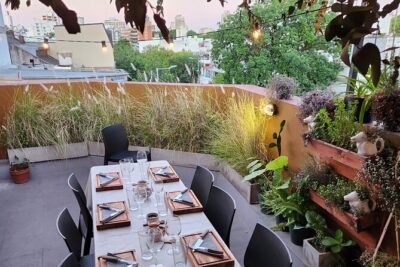
Authentic Rooftop Asado Experience with Argentine Wine Pairing
Read our review →
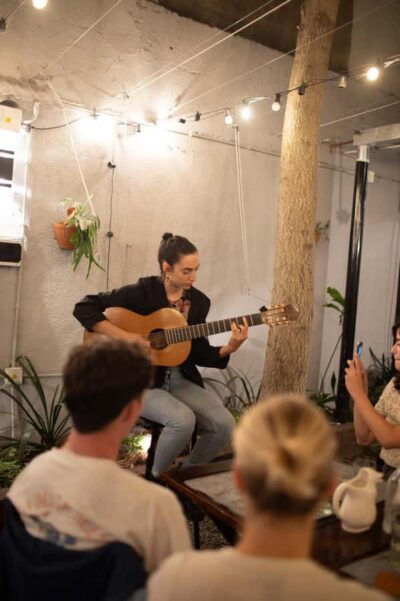
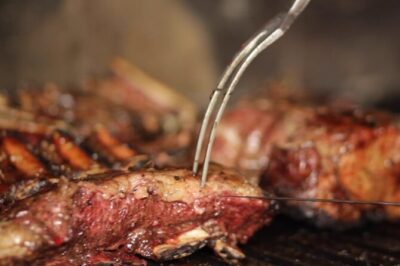
Argentine Barbecue Asado Dinner Experience with Live Music
Read our review →Browse the lists this tour appears in