
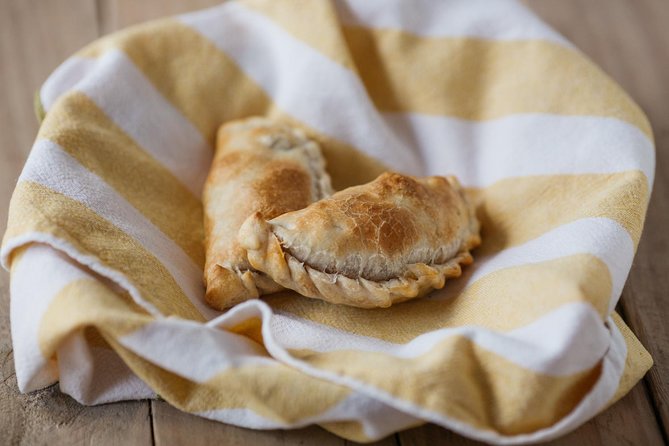
Reviewed · COOKING CLASSES
Pachamama – Argentine Cooking Experience in Buenos Aires
This Pachamama Argentine Cooking Experience is interesting because it is not a watch-and-learn show. You get in the kitchen, cook from scratch, then eat what you made at a cozy table in Buenos Aires Province. The vibe is homey, practical, and very food-first, with Mendoza wine pairings built in.
I especially like two things here. First, the class is truly hands-on, so you do real prep and cooking, not just standing around. Second, you get a clear lineup of Argentine comfort classics, from empanadas and chimichurri to humita stew and dulce de leche crepes, plus Mendoza Durigutti wines (Las Compuertas) with your meal.
One thing to plan for is logistics: hotel pickup and drop-off are not included, so you will need your own transport to the meeting point.
Key Things You Should Know Before You Go
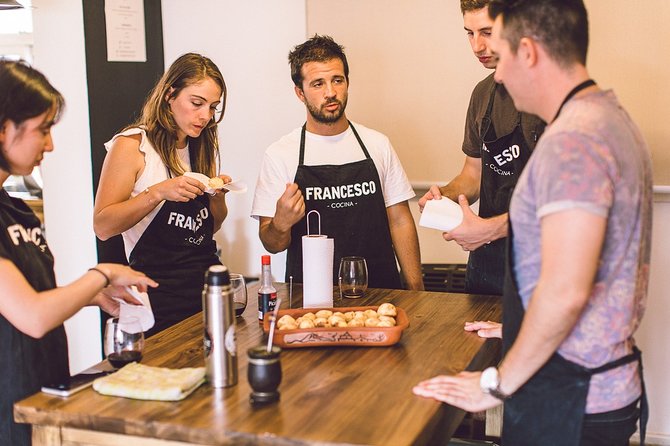
- Small group, you actually cook: limited group size means you can take turns helping with the menu.
- 4 recipes built from scratch: chipá, empanadas with chimichurri, humita stew gratin, and dulce de leche crepes.
- Wine pairing included: Durigutti wines, plus vermouth, water, and homemade lemonade.
- Picada starter sets the tone: homemade preserves, pickles, and local bread.
- Dietary tweaks are possible: vegetarian, gluten free, and lactose free adaptations.
- Recipe PDF and class pictures: you get digital recipes via QR code for later cooking.
A Homey Buenos Aires Kitchen Class With Mendoza Wine Pairings
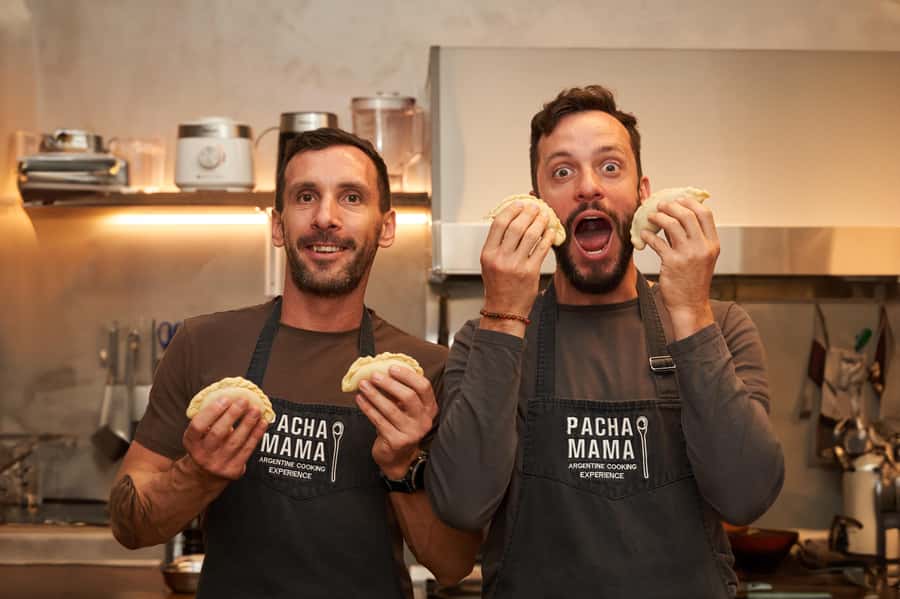
Pachamama feels like a friend’s kitchen that happens to be very good at teaching. You start with Argentine flavors you can recognize fast, like chimichurri, empanadas, and mate talk, then you learn how those flavors are built through spices, herbs, and technique.
The menu matters, because it covers different parts of Argentine eating: crunchy snacks, savory street-style comfort, a warm casserole-like main, and a sweet finish that leans into caramel and creaminess. The experience also pairs your meal with Durigutti wines from Mendoza (Las Compuertas), which is a smart match for the richness of beef empanadas and the sweetness of dulce de leche.
Practical note: the class is about 3 hours by standard timing, with a note that it can be adapted to 2.5 hours for private groups. You should expect a relaxed pace, with time to cook, taste, and sit down together at the end.
More cooking classes in Buenos Aires:
- Argentine Experience Interactive Dining and Cooking
★ 5.0 · 1,382 reviews - Cooking Class Designed by Michelin Chef @ Argentine Experience
★ 5.0 · 1,123 reviews - Buenos Aires: Empanadas and Alfajores Guided Cooking Class
★ 4.8 · 486 reviews
The Welcome Picada, Vermouth, and the Story Behind Argentine Food
The experience kicks off with a welcome homemade picada, meaning a spread of small bites that gets you eating immediately. You will have items like homemade preserves, pickles, and local bread, plus a vermouth cocktail. This is a great way to get the group warmed up, literally and socially, before the cutting boards come out.
Then you get context. You will learn about the history of Argentine cuisine and what makes it feel distinct, including nods to things like mate and the flavor profile of chimichurri. In a cooking class, “history” can sometimes mean a dry lecture. Here, it is more useful than that, because it supports what you are about to cook, especially when spices and herbs show up later in empanadas and sauces.
If you like learning in the moment, this portion hits the sweet spot. You get the cultural anchors first, then the cooking makes sense right away.
Chipá and Sauces: Your First Hands-On Success
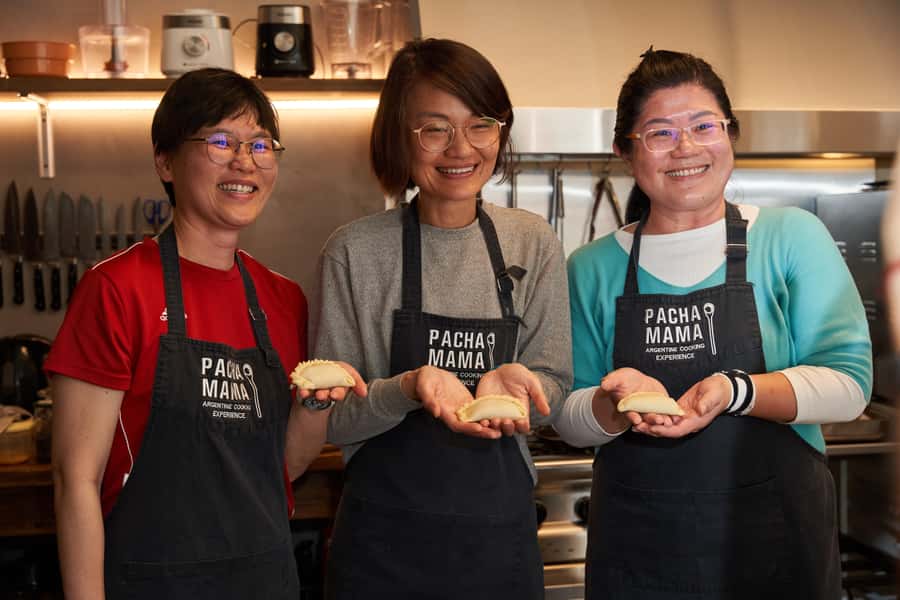
After the welcome start, it is time to roll up your sleeves and begin the menu. One of the first specific dishes you will make is chipá, a cheesy bread that is a big part of Argentine everyday flavor. You are not just eating it, you are working with it.
You will pair chipá with BBQ sauce and a fermented spicy sauce. That combo does two things. It shows how Argentines play with smoky and tangy notes, and it also teaches you how a sauce can change the whole personality of one simple base dish.
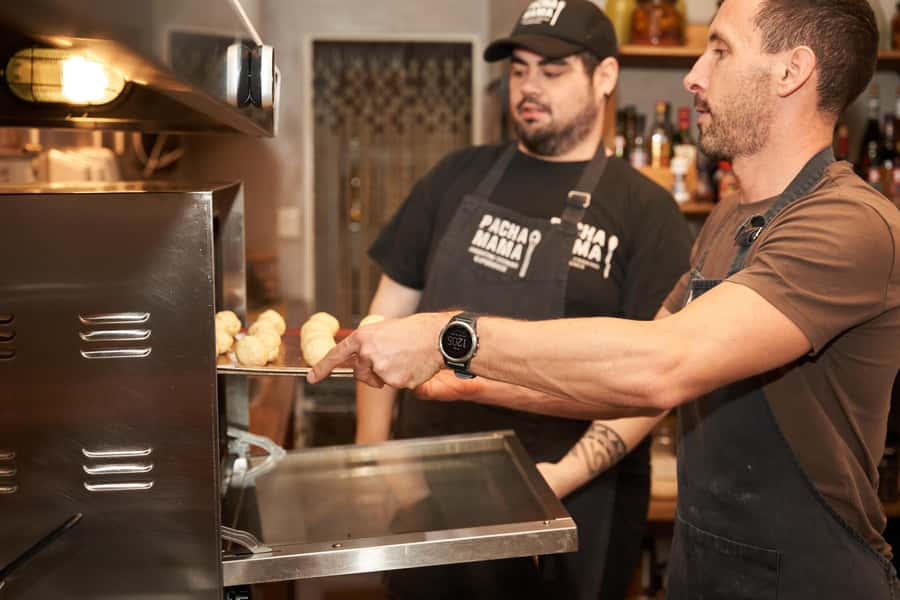
This is also where you will get the rhythm of the class. You take turns, follow the chef’s guidance, and learn how to multitask without getting stressed. In short, you learn by doing, which is the whole point.
Beef Empanadas and Chimichurri, Built for Real Turning Points
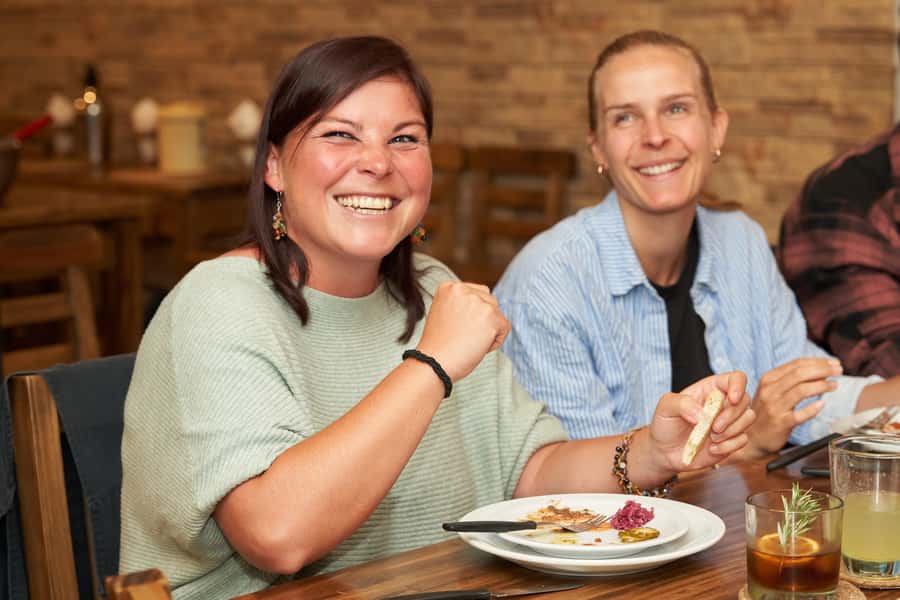
Empanadas are one of those foods that people talk about like they are just handheld snacks. This class treats them with respect. You make beef empanadas and you learn the role of chimichurri sauce, the herb-forward green that gives so many Argentine meals that signature kick.
This part is usually the “turning point” in a cooking class like this. Once you shape the empanadas and work with the filling and seasonings, you understand why chimichurri belongs beside beef in the first place. It cuts through richness, brings freshness, and gives the dish that bright edge you notice even when you are busy.
One more plus: the experience includes teaching the origins and history behind the recipes as you go. That means the class is not only about execution, it is about why the flavors show up together. If you have ever tried to copy chimichurri at home and ended up with something flat, this is the kind of class where you pick up the missing logic.
A few more Buenos Aires days worth comparing
- Local Foodie Adventure in Buenos Aires with Sherpa Food Tours
★ 5.0 · 6,875 reviews - Buenos Aires City Private Tour with Local Guide
★ 5.0 · 3,475 reviews - Buenos Aires Small-Group City Tour
★ 5.0 · 2,226 reviews - Buenos Aires Hop-On Hop-Off Bus, Free Walking Tours & Discounts
★ 4.5 · 2,218 reviews
Humita Stew Gratin: Comfort Food With a Practical Technique
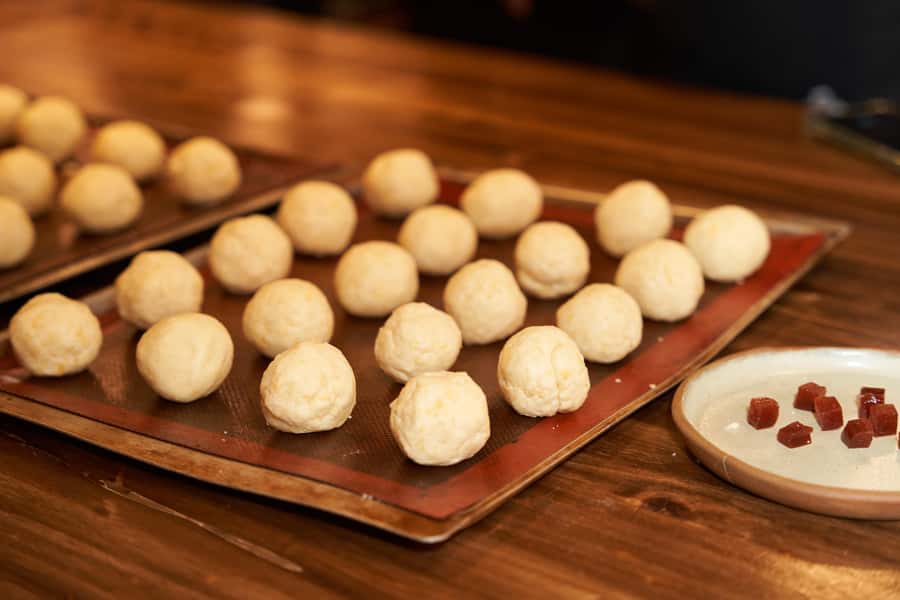
Next comes humita stew gratin, which is a warm, comforting dish built around corn flavor and baked finishes. It is not just a “main course” in name. You are learning a technique that fits Argentine comfort food, thickening, layering, and getting that baked top that makes people go back for one more spoonful.
The gratin format also teaches something useful for your future cooking. You see how heat and time transform a dish from “mixed together” into “served with structure.” That matters, because it affects how it tastes, how it looks, and how it holds up when you serve it.
If you want something beyond grilled-meat souvenirs, humita is a strong pick. It is deeply Argentine, but it is also gentle enough to appeal to people who do not want everything to be spicy or heavily beef-focused.
Dulce de Leche Crepes With Ice Cream and Homemade Limoncello
For dessert, you make flamed dulce de leche crepes with ice cream and homemade limoncello. Dulce de leche is the sweet glue of Argentina, and crepes give it a soft, spoonable base. The flamed element is also the kind of step that makes the kitchen feel special, not just efficient.
Then you get two flavors that add contrast. The ice cream cools the caramel sweetness, while the homemade limoncello adds a citrus lift that keeps dessert from becoming one-note sugar.
This course is the payoff for the whole session. You spend hours learning savory flavors, then you finish with something that is both classic and celebratory. It also pairs nicely with what you already learned about sauces and balance, because dulce de leche is only great when you respect sweetness and temperature.
Sitting Down Together: The Real Purpose of the Last Course
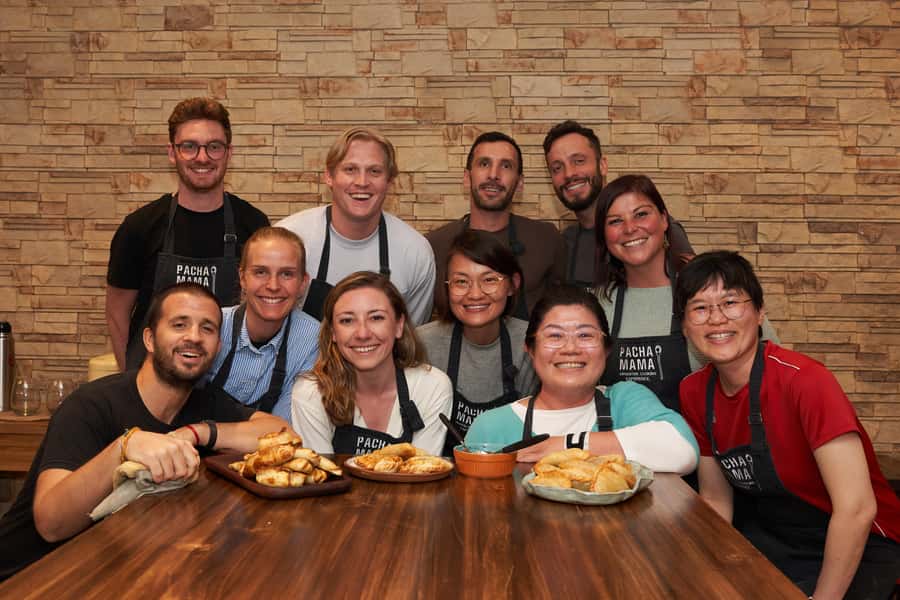
What I like most about Pachamama is what happens after the cooking. You share everything you made sitting around the table, paired with local wines. This is not just a meal after the fact. It is part of the learning experience, because you taste the dishes in the order they were built.
You will also spend time meeting people from around the world. The class setup is designed for conversation, not silence. If you are traveling solo, this matters. If you are a couple, it can still be great because you get to talk while you eat what you cooked, and you do it with other food-minded folks.
There is also digital take-home value. You get recipe books in PDF format via QR code, plus class pictures. That means the “I wish I remembered that step” problem gets less painful when you get home.
Price and Value: Why This Feels Like More Than a Meal
At $75 per person for a roughly 3-hour cooking experience, you are paying for three things: instruction, ingredients, and a meal with included drinks. In Buenos Aires, that is often the difference between buying food and actually learning how it works.
You get a five-step menu paired with Durigutti wines (Las Compuertas), plus vermouth, water, and homemade lemonade. That drink inclusion can matter more than people expect, because it turns the class meal into something closer to a hosted lunch with pairings, not just a few tastings.
Then there is the real value: you are cooking. That alone makes it better than many “food tours” that are mostly walking and eating. If you like hands-on activities, this is one of those rare ones where you leave with both full stomach and practical skills.
One more practical point on value: the experience can be adapted for vegetarian, gluten free, and lactose free diets. So you are not stuck guessing whether you can eat everything. That does not mean every ingredient will be identical, but it does mean the class has a plan.
English Instruction, Group Size, and the Way You Take Turns
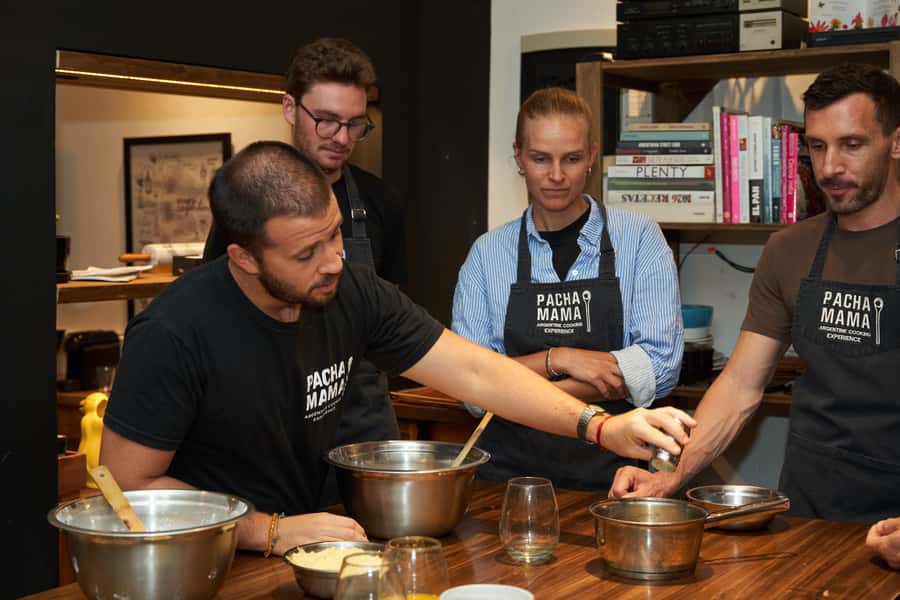
The experience is given in English, and for private groups it can be held in Spanish. The instruction style comes across as organized and interactive, with people taking turns assisting in preparation.
Group size is listed in two ways in the info you will see: small group limited to 10 participants, with a note that the capacity can go up to 14. Either way, the goal is the same. You should be able to participate without feeling like you are in a huge crowd where only one person cuts and everyone else watches.
Wheelchair accessibility is listed too, so it is worth considering if mobility access is a priority for you. The class environment is described as cozy and homey, which typically suggests you will be moving around a small kitchen space rather than a giant commercial hall.
Who This Class Is Perfect For, and Who Should Skip It
This is ideal if you want a hands-on Argentine food experience that goes beyond the basics. You will love it if you care about technique and flavor, and if you like eating as part of the learning process. It is also a solid choice for meeting people in Buenos Aires without turning it into an awkward networking event.
You might not love it if your priority is total independence, meaning you want to cook every dish fully solo without any group coordination. The format is built around teamwork, and some tasks will be shared. It can still feel rewarding, but it will not be a private chef-by-yourself style class.
Also consider the fact that hotel pickup and drop-off are not included. If you are staying far from the meeting point and you hate figuring out last-mile transport, you will want to plan ahead.
Should You Book Pachamama in Buenos Aires?
Yes, if you want a fun, practical cooking class that pairs real food skills with a proper Argentine meal and wine. It is not just “tastes and photos.” You cook, you eat, and you take home recipes via QR code, plus class pictures for your trip memory.
I would book it in particular if you like these specific dishes. If empanadas, chimichurri, humita, and dulce de leche are on your Buenos Aires wish list, this class lines them up into one evening that makes sense.
If you want door-to-door convenience or you prefer a fully private cooking experience, look closely at your transport plan and group format first. Otherwise, Pachamama is the kind of Buenos Aires activity that sticks with you because you leave with both food knowledge and a full belly.
FAQ
How long is the Argentine cooking experience?
The experience is listed as 3 hours. It can be adapted to 2.5 hours for private groups.
What is included in the menu?
A 5-step menu paired with Durigutti wines (Las Compuertas), plus vermouth, water, and homemade lemonade. The dishes listed are picada, vermouth cocktail, chipá with sauces, beef empanadas with chimichurri, humita stew gratin, and flamed dulce de leche crepes with ice cream and homemade limoncello.
Which wines are served during the meal?
Durigutti wines, specifically Las Compuertas, are included as the wine pairing.
Is there a vegetarian option or dietary modifications?
Yes. The class can be adapted for vegetarian, gluten free, and lactose free diets.
What language is the cooking class taught in?
The experience is given in English. For private groups, it can be held in Spanish.
Is hotel pickup included?
No. Hotel pickup and drop-off are not included.
What is the group size?
It is described as a small group limited to 10 participants. There is also a note that the experience can accommodate up to 14 people, depending on the setup.
Is it wheelchair accessible?
Wheelchair accessibility is listed.
Recently reviewed around Buenos Aires
- Meet Locals: Language Exchange Café in Buenos Aires★ 5.0 · 10 reviews
- Piazzolla Tango Show Only In Buenos Aires★ 4.5 · 10 reviews
- Madero Tango Show Including Executive Dinner In Buenos Aires★ 3.5 · 10 reviews
- Private City Tour & Transfer to the International Airport★ 5.0 · 10 reviews
- Esquina Homero Manzi Tango Show Ticket Including Optional Dinner in Buenos Aires★ 4.5 · 10 reviews
- VIP Dinner & Tango Show at El Viejo Almacen★ 4.5 · 10 reviews
- Buenos Aires City Tour★ 4.5 · 11 reviews
- Premium service Buenos Aires city tour for small groups★ 4.0 · 11 reviews
Cooking Classes, compared.
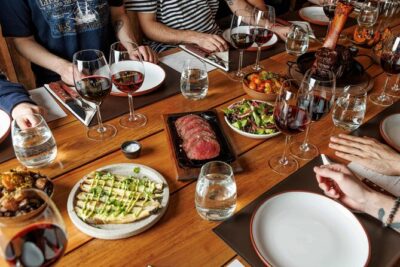
Argentine Experience Interactive Dining and Cooking
Read our review →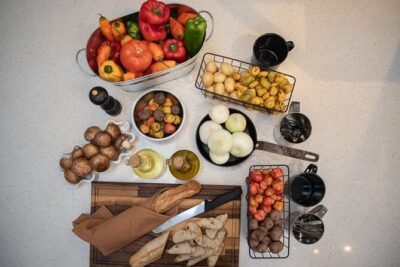
Cooking Class Designed by Michelin Chef @ Argentine Experience
Read our review →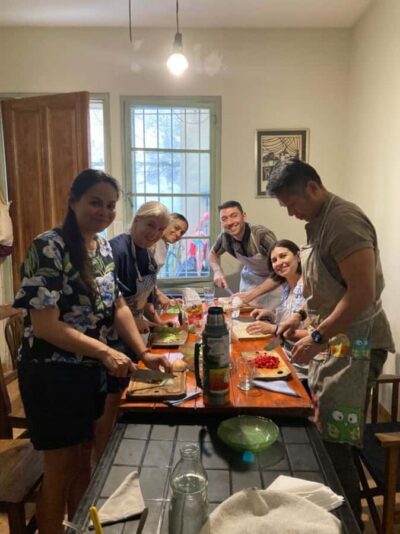
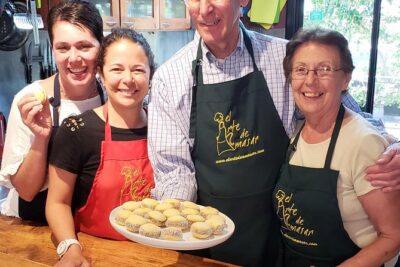
Private Cooking Lessons and Food Tasting in Buenos Aires
Read our review →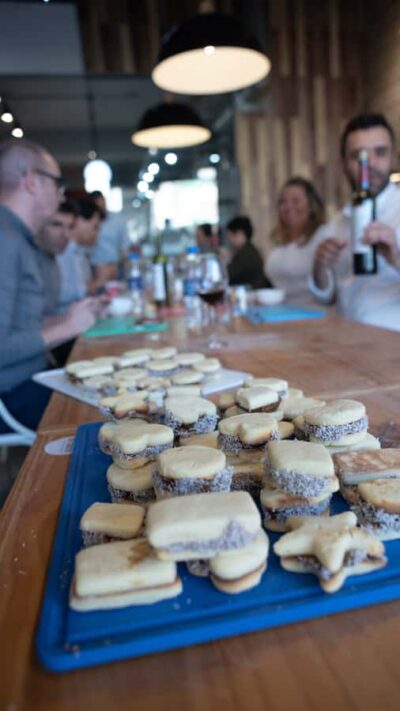
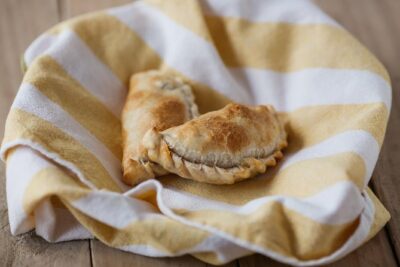
Pachamama – Argentine Cooking Experience in Buenos Aires
Read our review →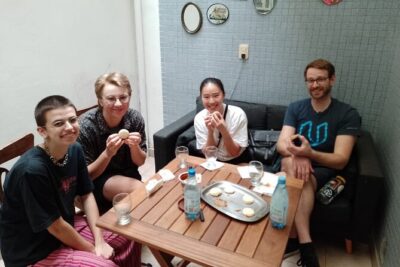
3-Hour Buenos Aires Empanadas and Alfajores Cooking Class
Read our review →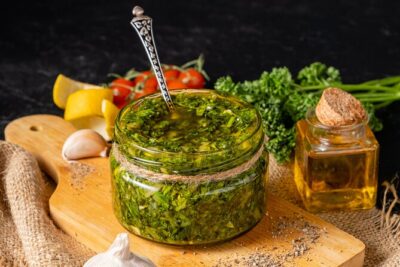
3h Cooking Class in Mendoza with 7 Recipes & Bottomless Drinks
Read our review →Browse the lists this tour appears in