
Reviewed · EMPANADA COOKING CLASSES
Salta en un Bocado – Cultural Tour & Empanada Tasting
What makes Salta en un Bocado feel special is the mix of city storytelling and a real cooking moment, not just a quick bite and walk. You start in central Salta and build context scene by scene, then you end up shaping and tasting empanadas salteñas with a chef.
I really like that you get both sides of the experience: a guided walk that helps you understand Salta and a class that helps you take the flavor home. The recipe booklet is a smart bonus, because the tour does not stop when you leave the table. One consideration: this is about 4 hours on foot, so you will want comfortable shoes and an ability to handle some walking.
Key highlights at a glance
- Plaza 9 de Julio to Catedral and Cabildo area: you get orientation fast in the historic center
- Monumento General Martín Miguel de Güemes viewpoints: a quick scenic pause that adds meaning to the story
- Casona Historica and Gaucho group setting: the empanada lesson happens in a cultural context
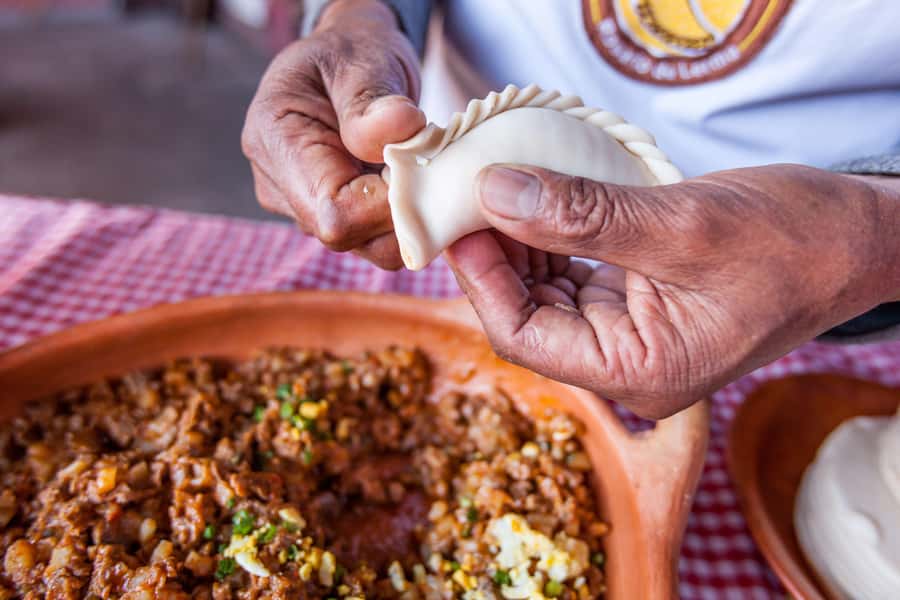
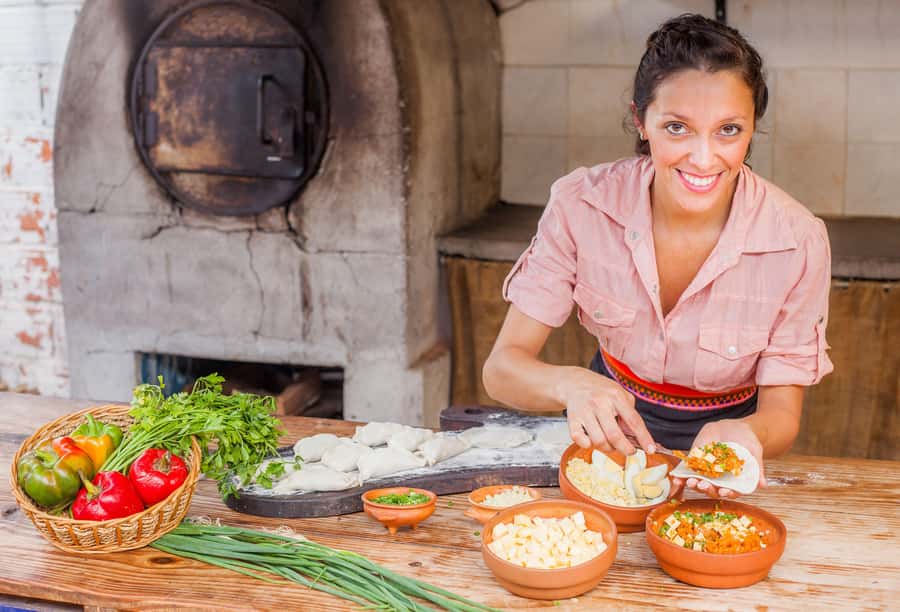
- Hands-on empanada salteña class: dough to filling with an experienced chef
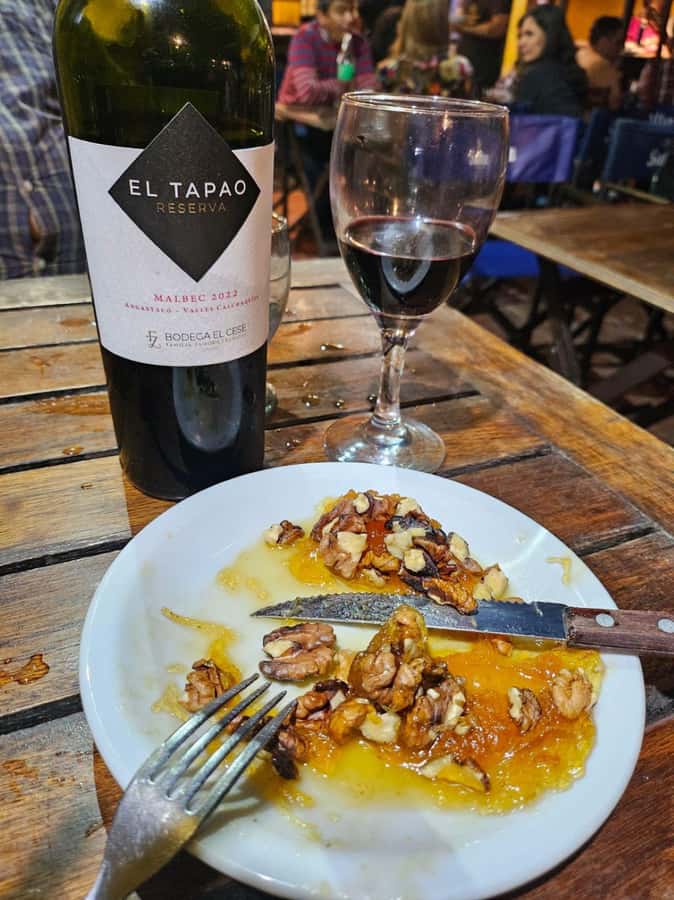
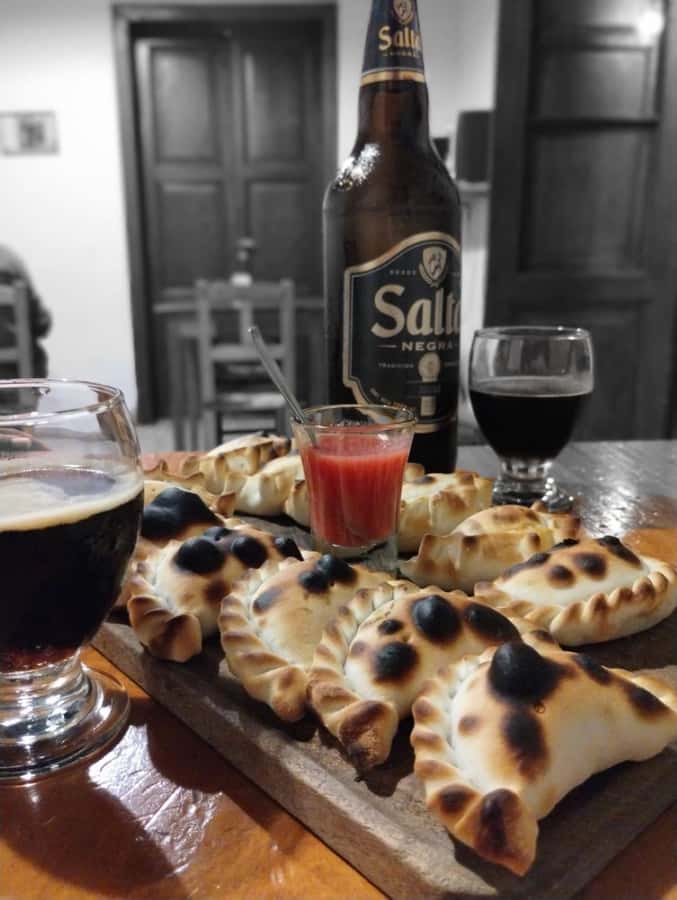
- Tasting your own empanadas with regional wine: not just cooking, but enjoying what you made
- Recipe booklet: a practical way to recreate the results back home
Salta en un Bocado, a cultural walk that leads straight to your hands
If you only do one food experience in Salta, you probably want something that connects flavor to place. This tour does that. The route is built around the city’s landmarks and the stories behind them, then it funnels you into a cooking class where the Salta flavor is the main character: empanadas salteñas.
The overall timing makes it feel doable. You are looking at about 4 hours total, and the walking is concentrated in the center. There is no long transfer drama built in, and that is a plus because you can plan your day around it without guessing.
One more thing I appreciate is that it is a private group format. Private can mean a calmer pace, more attention from the guide, and fewer distractions during the cooking part. It is also bilingual, with Spanish and English offered, so you can follow the narrative without feeling like you missed half the point.
More empanada cooking classes in Salta:
- Buenos Aires: Empanadas and Alfajores Guided Cooking Class
★ 4.8 · 486 reviews - Buenos Aires: Empanada & Alfajor Cooking Lesson in Palermo
★ 4.6 · 186 reviews - 3-Hour Buenos Aires Empanadas and Alfajores Cooking Class
★ 4.5 · 142 reviews
Price and what $60 really buys you in Salta
At $60 per person, this is not a throwaway snack stop. You are paying for three things at once: a guided cultural walk, a structured cooking class, and a tasting moment that includes regional wine.
That combination matters. Many food tours in South America give you a tasting, maybe one short lesson, and that is it. Here, you learn how to prepare empanadas salteñas, from dough to filling, and then you eat what you made. The recipe booklet also adds value because you are not relying on memory alone.
In practical terms, it is a good deal if you like hands-on activities and want something more memorable than photos and street wandering. If you are the type who prefers to watch and not cook, you might not feel the same value. But if you want to leave Salta with a repeatable skill, the price starts to make a lot more sense.
Where you start, what the first landmark sets up (Mitre and España)
The tour starts on the corner of Mitre and España, by the statue of Pope John Paul II. That meeting point is central, and it gives you a clean anchor for meeting up without hunting around.
From there, the route quickly turns toward the historic core. One early stop is the Palacio Arzobispal area. Even if you do not know much about Salta yet, you will start to notice how the architecture and layout shape the vibe of the city. This is the kind of orientation that helps later, because the rest of the walk does not feel random.
I like this approach. You are not dumped into a food class with no context. You are guided into understanding what you are seeing, then you get the cooking lesson that ties into local identity.
Plaza 9 de Julio, Cathedral and Cabildo area, your bearings in 15 minutes
After the initial landmark, you move to Plaza 9 de Julio, the heart of Salta. The guided time here is about 15 minutes, which is short enough to keep momentum but long enough to get useful context.
This stop focuses on colonial architecture and the main points in the plaza orbit, including the Cathedral and the Cabildo. Even if you have never studied Spanish colonial city design, you will start to recognize how the city centers around institutions, plazas, and ceremonial spaces. That is a big part of why a tour like this works. It turns a pretty square into a map you can use later.
Then you shift onto cobblestone streets, with time for local markets and typical handicrafts. This is not just shopping time. It is a chance to see what locals still do day to day, and it is a gentle introduction to Salta’s craft traditions.
The pacing here is important. You get storytelling, then you get street atmosphere, and then you keep walking. If you want a slow museum day, this may not be it. But if you want energy plus understanding, this section does the job.
More Food & Drink in Salta:
- From Salta: Full-Day Tour to Cafayate with Wine Tasting
★ 4.5 · 478 reviews - From Salta: Cafayate Day Trip with Wine Tasting
★ 4.4 · 226 reviews - Full-day Cafayate, Lerma Valley, and Wine Tasting from Salta
★ 4.5 · 116 reviews - Local Foodie Adventure in Buenos Aires with Sherpa Food Tours
★ 5.0 · 6,875 reviews
Martín Miguel de Güemes viewpoint, why the gaucho story matters
Next up is the Monument General Martín Miguel de Güemes. You get about 15 minutes here, with a guided visit and time to take in the view.
This is one of those stops where the photo is nice, but the value is in the meaning. Guemes is tied to the region’s gaucho hero story, and it connects the cultural identity behind Salta to what you will later eat. When you head from a viewpoint into a gaucho-related historical setting, it feels like the tour is building toward something, not just checking boxes.
You are also gaining real “city-reading” skills. Seeing Salta from above helps you understand how the streets and neighborhoods relate. Later, when you wander on your own, you will likely feel like you know where you are.
If you are sensitive to heat or strong sunlight, bring your hat. The tour does recommend one, and it is one of those practical details that becomes a comfort saver during outdoor sections.
Casona Historica and the Agrupación Tradicionalista Gauchos de Güemes setting
After the monument, the next portion takes you to the Casona Historica, the headquarters of the Agrupación Tradicionalista Gauchos de Güemes. This part includes a short visit (around 10 minutes) before you start cooking.
I like this because it places the cooking class in a cultural environment, not a generic kitchen. The empanada salteña is not treated like a random snack. It is framed as part of identity, tradition, and community.
If you care about authentic context, this matters. A cooking class is already a sensory experience, but the setting adds a second layer. It helps you understand why a regional dish carries local pride and how tradition gets kept alive.
The empanada salteña class, dough to filling with a chef
Now the main event: the cooking class, about 75 minutes. You work with an experienced chef, and you learn how to prepare empanadas salteñas step by step, from dough to filling.
This is the part that tends to make people happiest. The reviews you might have seen for similar experiences usually love the hands-on element, and this one is built for it. You are not just tasting. You are doing.
Practically, expect a taught process. That usually means you will get guidance on technique and timing so the dough and filling come together the right way. You also get to see how a Salta-style empanada differs from what you might have had elsewhere. If you have eaten empanadas in other cities, this is where you can start noticing regional character.
And yes, your final empanadas do not have to look perfect to be delicious. The goal is to learn the method. You will have something satisfying to eat at the end that is directly linked to what you practiced.
Tip for your own experience: take it slow during mixing and filling. Rushing here is how things go messy, and then you end up spending energy fixing instead of learning.
Tasting, regional wine, and the recipe booklet that extends the experience
After cooking, you get to enjoy what you made. Your tasting includes your empanadas and a good wine of the region. You will also share time with other participants, with anecdotes and laughter during the enjoy-your-work part of the tour.
That wine piece is a nice touch, but the real value is the “close the loop” moment. Cooking feels like effort. Tasting feels like reward. Most food tours stop at the reward. Here, you get both, and the social element makes it easier to relax into the experience.
At the end, you make a toast and receive a recipe booklet. For me, a booklet is not just a souvenir. It is what helps you recreate the flavors later, when the memory is less fresh and your hands need a refresher.
What to bring, what not to do, and how to avoid minor hassles
This tour is straightforward, but a few rules and recommendations help you avoid discomfort.
Bring:
- Comfortable shoes for cobblestone streets
- Hat for sun during outdoor segments
- Camera if you want to capture plazas and viewpoints
- Reusable water bottle because hydration is on you
Not allowed:
- Smoking
- Audio recording
- Bikes
- Feeding animals
- Bare feet
Also, the tour is not suitable for people with mobility impairments. Plan for walking on uneven surfaces and a few outdoor moments during the cultural portion.
If you want the day to feel easy, wear something you can move in. Cooking classes are hands-on, and you will want sleeves and footwear that do not limit you.
Who this tour is best for in Salta
This experience is ideal if you want a more complete day than “food plus a few photos.” I think it fits best for people who enjoy:
- Learning cultural context, then applying it to food
- Hands-on cooking, even if you are not an experienced cook
- Eating a meal that you actually participated in making
- A compact half-day format that still feels full
It is also a good fit for couples or friends who prefer a focused group dynamic. The private group format can make the walking portion feel less hectic and the cooking portion feel more personal.
If you dislike cooking, or you want strictly free time to roam, you might find it structured. In that case, consider a pure walking tour or a food tasting that does not require active participation.
So, should you book Salta en un Bocado?
Book it if you want a food experience with real learning. The key selling point is the combo of guided cultural context plus a hands-on empanada salteña class in a gaucho-related historical setting, then a tasting with regional wine and a recipe booklet you can use later.
Skip it if you prefer to observe instead of cook, or if walking on uneven surfaces is hard for you. Also, if you are already full of cooking experiences in your trip, you might feel this is repetitive. But for most people visiting Salta, this gives a memorable local skill in a manageable time window.
If you are on the fence, my advice is simple: if making empanadas sounds fun, and you like connecting food to place, this is a strong pick.
FAQ
How long is the Salta en un Bocado tour?
It lasts approximately 4 hours.
Where do I meet the tour group?
You meet on the corner of Mitre and España, where the statue of Pope John Paul II is located.
What is included in the price?
The price includes a tour guide, the cooking class, empanada tasting, and a recipe booklet.
Is the tour offered in English and Spanish?
Yes, the live tour guide speaks Spanish and English.
Do I need to arrange my own way to the meeting point?
Transfers to the meeting point are not included, so you will need to get there on your own.
Is this tour suitable for people with mobility impairments?
No, it is not suitable for people with mobility impairments.
More Historical Tours in Salta
- Historical Sherpa Food Tour of San Telmo with Street Food, Drinks
★ 5.0 · 920 reviews - Nazis in Buenos Aires: a historical walking tour
★ 4.9 · 193 reviews - Bariloche: German Immigration and History Walking Tour
★ 4.8 · 169 reviews - San Telmo: Historical Guided Tour with Street Food & Drinks
★ 5.0 · 87 reviews
Recently reviewed around Salta
- Exclusive day-long private tour of Cafayate vineyards★ 5.0 · 10 reviews
- Cachi and Los Cardones National Park from Salta★ 4.5 · 11 reviews
- Cafayate Wine Trail Excursion: Explore Salta’s Vineyards★ 3.5 · 11 reviews
- Salta: Calchaquí Valley Scenic Drive and Day Trip to Cachi★ 3.5 · 11 reviews
- From Salta: Pack of 4 Excursions in Salta and Jujuy★ 4.0 · 13 reviews
- The Calchaqui Valley Winery and Scenery Tour in Cafayate★ 3.5 · 14 reviews
- Cafayate, Vineyards and Calchaquies Valleys Tour from Salta★ 4.0 · 14 reviews
- Train to the Clouds Experience Admission Ticket★ 4.0 · 22 reviews
Empanada Cooking Classes, compared.
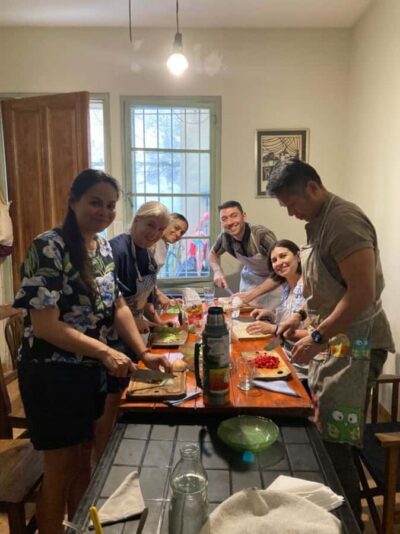
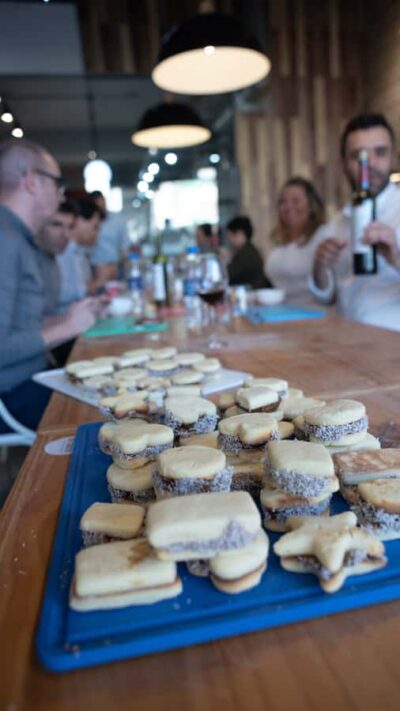
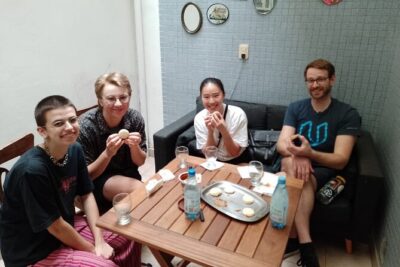
3-Hour Buenos Aires Empanadas and Alfajores Cooking Class
Read our review →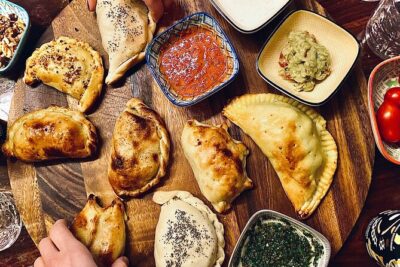
Buenos Aires Food Tour: Local Dishes, Steak, Empanada & More
Read our review →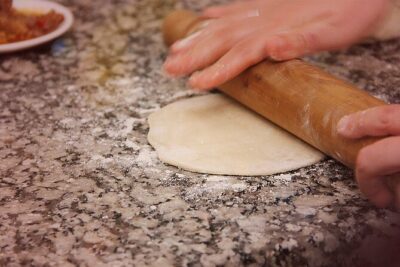
BA: Empanadas and Alfajores Cooking Experience in Palermo
Read our review →
Argentinian Empanadas Cooking Experience in Palermo, Bs As
Read our review →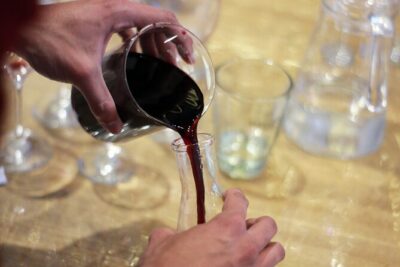
BA: Small Group Empanadas Cooking Class & Wine Tasting in Palermo
Read our review →
Roast and Empanadas Class with Wine |Mendoza|Braseando Experience
Read our review →Browse the lists this tour appears in