
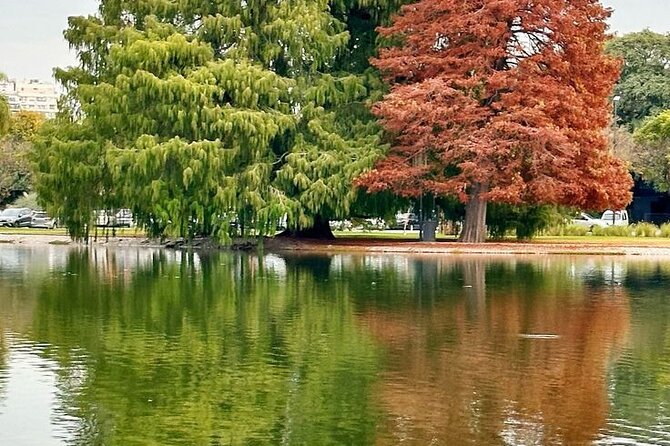
Reviewed · PALERMO
Tour a pie de Historia y Naturaleza por Palermo
This Palermo walk is interesting because it connects 19th-century Buenos Aires landmarks to the living plant world, so you get history and nature in one 3-hour circuit with a guide like Andrés Gabriel Pecchi. You are not just looking at pretty parks, you are getting the why behind them.
I especially love the Carlos Thays Botanical Garden for how the tour ties plants to the city’s growth and identity, and I love the Rosedal because it blends natural beauty with clear storytelling. The best part is that the guide keeps everything understandable, even when he is talking about mythology and folklore.
One possible drawback is that it is mostly outdoors, so wear comfortable shoes and be ready for weather. The route moves through parks and gardens, and it is designed for walking.
Key points I’d plan around
- 3 hours, private group pace: Only your group participates, so the walk stays flexible and focused.
- English-speaking guide: You get the tour in English, with explanations that connect history, flora, and culture.
- Major green spaces in one loop: Plaza Italia, Carlos Thays Botanical Garden, Rosedal, Parque 3 de Febrero areas, Planetario (outside), and Jardin Japonés.
- Free admission listed for stops: The tour information marks admission tickets as free for the included locations.
- Designed by Jules Charles Thays: The botanical garden’s French landscape designer is part of the story you will hear.
- Rosedal and Japanese Garden free Tuesday to Sunday: The tour notes these two spots are free to visit on those days.
Palermo on Foot: History and Nature Without the Museum Mood
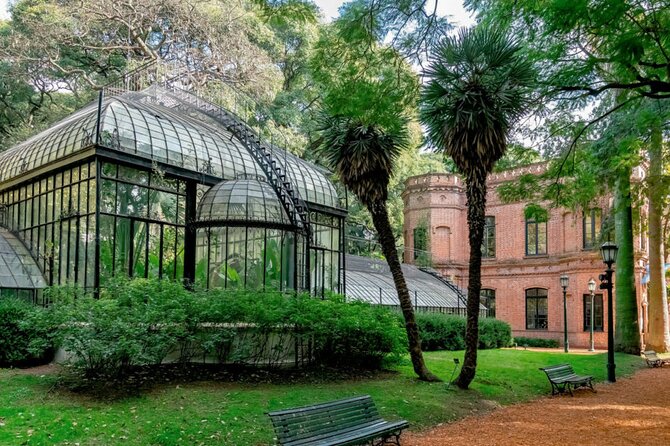
Palermo is the kind of Buenos Aires neighborhood that feels made for walking, and this tour uses that advantage well. You start in a public square, then glide through gardens and park areas where the city’s Italian ties, plant science, and even folklore show up in the details. If you like your travel with real context, this is a smart way to spend a half-morning.
What makes it more than a scenic stroll is the guide’s approach. The tour leans on history and practical place-based explanations, and your guide, Andrés Gabriel Pecchi, is described as didactic and organized, with a good sense of humor. In other words, you get stories, but not the vague kind.
If you prefer time that feels structured, this one works. The stops are timed, the route flows, and you are back where you started. Just remember it is a walking tour through outdoor spaces, so dress for comfort, not for Instagram perfection.
Start at Plaza Italia: A Nineteenth-Century Tribute You Can Read in Your First Minutes
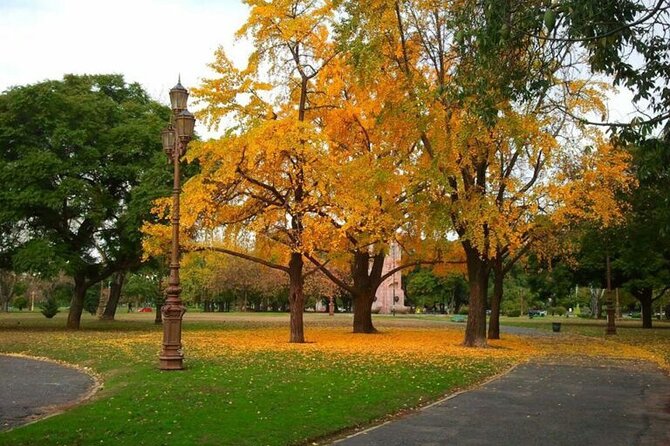
You begin at Plaza Italia, and you get the payoff fast. This square was built in the 19th century to honor the Italian community, the Italo-Argentine population, and the Italian hero Giuseppe Garibaldi. That matters because it sets the theme: Palermo is not just green space, it is a neighborhood shaped by migration and public memory.
The “what to look for” here is not one single photo spot. It is the symbolism. Standing in the square, you can understand why a neighborhood like Palermo developed a layered identity. It helps you connect the later garden stops to real human history, not just aesthetics.
Practical note: the tour starts at Plaza Italia (Buenos Aires, C1425) and ends back at the same meeting point. That loop is convenient if you are keeping a tight schedule.
More of Palermo:
- Palermo Graffiti Tour
★ 5.0 · 797 reviews - Palermo: Graffiti and Street Art Guided Tour in English
★ 4.8 · 684 reviews - Buenos Aires: Empanada & Alfajor Cooking Lesson in Palermo
★ 4.6 · 186 reviews
Carlos Thays Botanical Garden: Plants, Design, and the City’s Natural Identity
Next you head to the Jardin Botanico Carlos Thays, a stop that earns the strongest praise because it is both beautiful and explanatory. The garden was inaugurated in the 19th century and was designed by the French landscape designer Jules Charles Thays. That international design influence is part of the story, but the tour does not stop at style.
You will learn how the garden includes species from the region and also from different parts of the world. That mix is not just for variety. It is framed as a way to understand the flora developed in the territory, and how nature and settlement connect over time.
This is also where the tour starts blending “facts” with culture. The explanation includes mythology and folkloric traditions linked to nature. Even if you are not usually into folklore, this angle helps you see why people historically paid attention to plants, seasons, and the natural world.
Time on site is around 40 minutes, which is enough to walk slowly, absorb the structure, and still keep energy for the next stops. Admission is marked as free on the tour information, so this is good value in a city where many sights can add up.
Rosedal de Palermo and Palermo Forests: Roses, Green Paths, and Folklore Talk
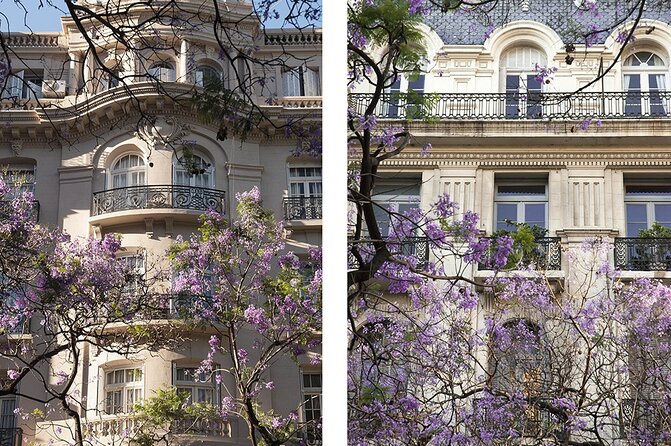
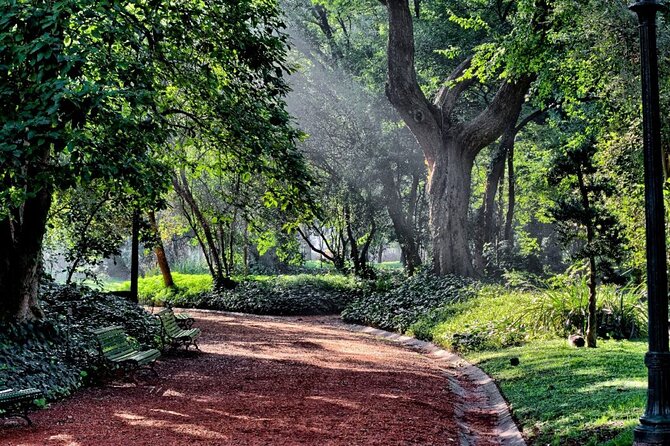
Then you move through the Parque areas, including passing by the Ecoparque, before focusing on the Rosedal and the surrounding forests in Palermo. This is where the tour shifts from gardens as designed spaces to gardens as lived-in ecosystems.
The Rosedal is the rose moment, but the tour frames it as more than color and fragrance. You get the history of the Rosedal and why it matters for the natural setting where Palermo residents live. That makes the place feel tied to daily life, not just a destination.
In the forest and garden areas, the guide brings in folkloric traditions again. This recurring theme is one of the tour’s strengths. You are not bouncing randomly between topics. Instead, the guide repeatedly answers the same question: how do people interpret and narrate the natural world?
This stop runs around 40 minutes. It is a great segment if you want a break from city streets and a reset for your eyes. It is also a good moment to take photos, but I would not make that your only priority. Slow down enough to actually listen. The stories are the point.
Planetario Galileo Galilei Look-Outside and Parque 3 de Febrero City History
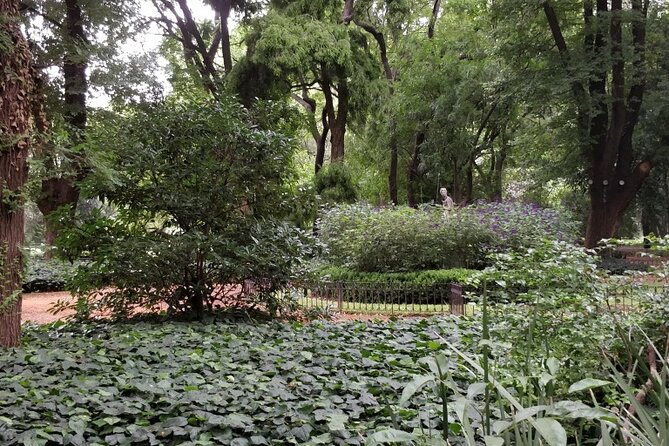
After the rose and forest section, you head toward the Planetario Galileo Galilei. The tour notes you visit it from outside, then continue on through Parque 3 de Febrero, using the park area to cover more city history.
This is useful if you are the kind of traveler who likes variety. You do not get another long “stand and watch” moment, and you do not feel stuck inside a single type of space. Instead, the tour uses public institutions and big park grounds as part of the broader story of Buenos Aires.
The time here is about 30 minutes. That is a sweet spot: enough for context, not so long that you start rushing yourself. Also, if you like architecture-adjacent details, this portion tends to fit well because parks and major public buildings are loaded with design choices.
If you are wondering whether you will feel “parked” with no clear direction, this segment helps. It turns what could have been just transit through green space into another chapter.
A few more Buenos Aires days worth comparing
- Local Foodie Adventure in Buenos Aires with Sherpa Food Tours
★ 5.0 · 6,875 reviews - Buenos Aires City Private Tour with Local Guide
★ 5.0 · 3,475 reviews - Buenos Aires Small-Group City Tour
★ 5.0 · 2,226 reviews - Buenos Aires Hop-On Hop-Off Bus, Free Walking Tours & Discounts
★ 4.5 · 2,218 reviews
Finish at Jardin Japonés: Tree-Lined Streets, Architecture Stories, and a Calm Sendoff
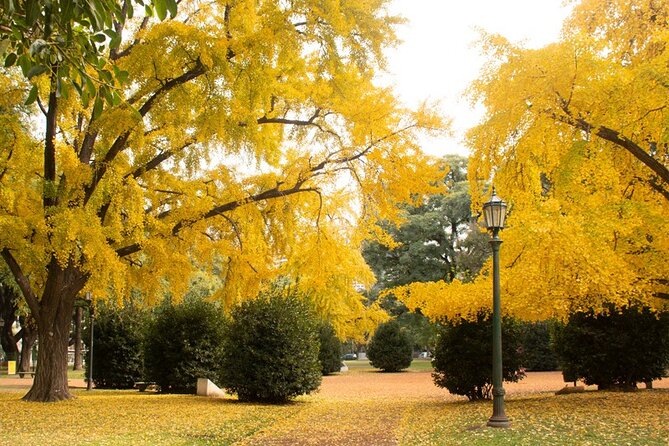
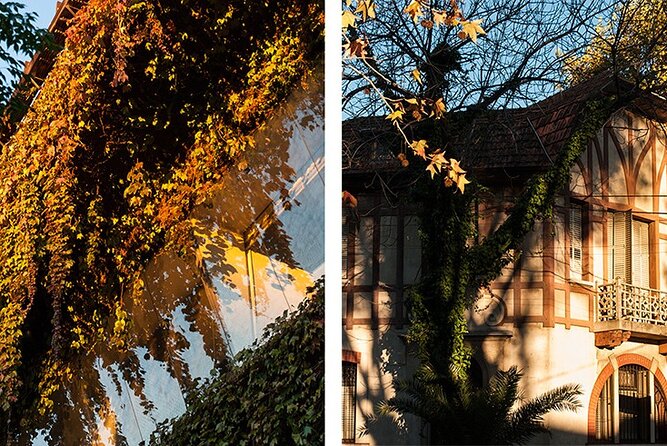
Your final stretch is the Jardin Japonés, approached through tree-lined streets and avenues. This is a strong way to close the tour because it changes the mood. Earlier stops lean into Italian tribute and botanical explanation. The Japanese Garden angle brings in historical architecture and traditions tied to Buenos Aires.
The tour highlights the importance of the architecture and how folkloric traditions relate to the city’s identity. It is a different lens, but it still connects back to the same theme: nature spaces are never only about nature. They are also about culture, design, and how communities choose to represent ideas.
The tour information also notes that from Tuesday to Sunday, visits to both the Rosedal and the Jardin Japonés are free. That is worth planning around if your dates include those days, because it can increase the practical value of your time in Palermo.
You end back at Plaza Italia, bringing the loop to a clean close. The total time is about 3 hours including walking, which makes it manageable even if you are juggling other plans in Buenos Aires.
Your Guide: Why Andrés Gabriel Pecchi’s Style Gets Repeated Praise
A lot of tours are “nice walks.” This one gets credit for the way the guide connects the dots. In the feedback you can feel a pattern: Andrés Gabriel Pecchi is described as an excellent historian tour guide who explains clearly and didactically, with professionalism and good humor.
What I find especially useful is that the explanations cover both hard place details and broad cultural themes. People describe him as talking about history, geography, flora, fauna, populations, cultures, architecture, railway architecture, traditions, gastronomy, and mythology. Even if you do not remember every topic name, the variety makes the tour feel like you are learning how the city thinks, not just where things are.
Another practical benefit of a guide like this: he keeps the story moving. You are not left wondering why a garden matters or why a square is named the way it is. Each stop has a reason, and the guide handles the transitions.
Price and Value: What $52buys You in Real Time
At $52.00 per person for about 3 hours, the value depends on how you like to travel. If you want a quick drive-by checklist, you might feel like it is too much structure. But if you prefer walking with context, it is a fair deal.
Here is why it works as value:
- You get multiple major Palermo highlights in one loop.
- The stops are tied together by themes, not random selection.
- The tour info lists free admission tickets at each included location.
- You have a private setup, so you are not just reacting to a crowd.
Also, the tour provides a mobile ticket, which makes it easier to show up and start without digging through paperwork. Confirmation is received at booking time, so you are not left guessing.
If you are watching your budget, this is one of those tours where your money goes toward interpretation. In other words, you pay for the thinking, not just the view.
Who This Palermo History and Nature Walk Fits Best
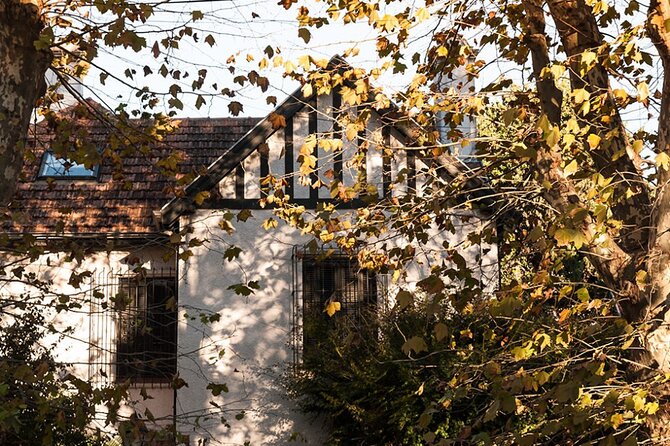
This tour fits best if you like:
- Guided walks through parks and public spaces
- Connections between history and the natural world
- Clear explanations in English
- A private format if you want less pressure and more conversation
It is also a smart fit for first-timers in Palermo who want to understand why the neighborhood looks the way it does. You start at a symbolic Italian-focused square, then move into botanical design and rose culture, finishing with a Japanese Garden that brings in architecture and tradition.
If you hate walking, this is not the type of experience that will thrill you. It is built around outdoor movement, so comfort matters.
Should You Book This Tour?
If you want a guided Palermo experience that feels both scenic and educational, I think this is a solid booking. The repeated praise for Carlos Thays Botanical Garden, the Rosedal, and the way Andrés Gabriel Pecchi explains the connections tells me the “guide value” is real, not an afterthought.
I would book it if:
- you want a 3-hour outdoor walk that stays structured
- you like history that shows up in everyday places like squares and gardens
- you want English explanations from a historian-style guide
I might pass if:
- you are seeking only quiet time without talking
- you have mobility constraints that make garden walking hard
- you are going on a day when Rosedal and Jardin Japonés free visiting is not available (since the tour notes Tuesday to Sunday for those free visits)
If you do book, show up with good shoes and curiosity. This tour turns Palermo’s green spaces into a story you can actually follow.
FAQ
Is the tour offered in English?
Yes. The experience is offered in English.
How long is the Palermo tour?
It is approximately 3 hours.
Where do I meet, and where do I end?
You start at Plaza Italia in Buenos Aires and the activity ends back at the same meeting point.
Is this a private tour?
Yes. It is private, and only your group will participate.
Do I need admission tickets for the stops?
The tour information lists admission tickets as free for the included stops.
Are there days when the Rosedal and Jardin Japonés are free?
The information states that from Tuesday to Sunday, the Rosedal and the Japanese Garden are visited for free.
Is a mobile ticket provided?
Yes. A mobile ticket is included.
Is the meeting point near public transportation?
Yes. The tour notes it is near public transportation.
Can I cancel for a full refund?
You can cancel up to 24 hours in advance for a full refund. If you cancel less than 24 hours before the start time, the amount paid will not be refunded.
Recently reviewed around Buenos Aires
- Join the mate round and discover its ritual the Argentine way★ 5.0 · 3 reviews
- Shore Excursion: Buenos Aires, Customizable Private City Tour★ 5.0 · 3 reviews
- Carlos Gardel Tango Show Only In Buenos Aires★ 5.0 · 3 reviews
- Dinner Tango Show + Wine Tasting in Buenos Aires★ 4.0 · 3 reviews
- Sailing on the Rio de la Plata Postcards from Buenos Aires★ 5.0 · 3 reviews
- Private City Tour in Buenos Aires Including Lunch in Puerto Madero★ 5.0 · 3 reviews
- Private City Tour with Local Guide in Buenos Aires★ 5.0 · 3 reviews
- El Viejo Almacen Tango Show With Transfers From Port & Hotels In Buenos Aires★ 5.0 · 3 reviews
Palermo, compared.
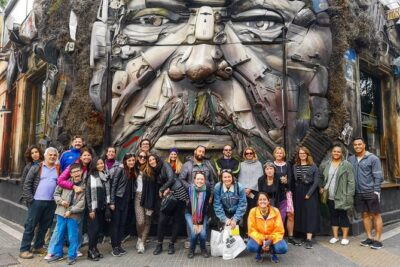
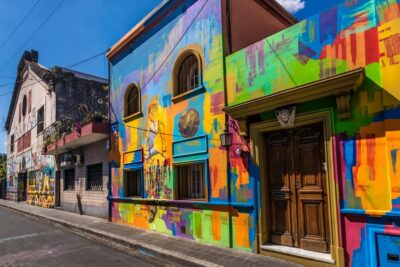
Palermo: Graffiti and Street Art Guided Tour in English
Read our review →

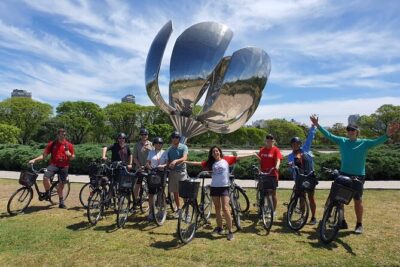
Half-Day Recoleta and Palermo Bike Tour in Buenos Aires
Read our review →
AsadoAdventure and Street Art Tour in Palermo Viejo
Read our review →
BA: Empanadas and Alfajores Cooking Experience in Palermo
Read our review →Browse the lists this tour appears in