
Reviewed · WORKSHOPS
Traditional Argentinian Cooking Lesson in Buenos Aires
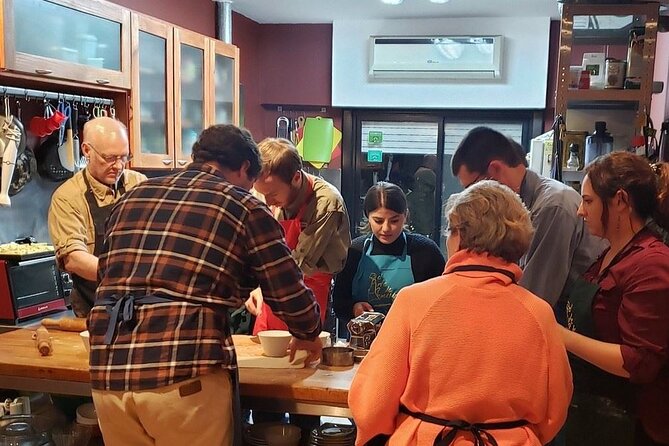
A traditional Argentine cooking lesson in Buenos Aires is interesting because it puts the city’s food culture in your hands, not just on a plate. In Saúl’s kitchen setup, you learn empanadas from scratch and follow a tidy 3-course rhythm to the end of the meal. You also get practical context on why Buenos Aires eats the way it does, while you cook.
The main thing to consider is logistics. There is no hotel pickup, and the meeting point is a specific address in Cdad. Autónoma de Buenos Aires, so give yourself enough time to find it.
Key highlights at a glance
- Small group size: up to 12 people, so the class stays hands-on
- Empanadas made from scratch: dough and filling, not just assembling
- Main course with a modern twist: a contemporary take on an Argentine stew
- Dessert with Argentine heart: dulce de leche plus rum semifreddo
- Eat what you cook: sit down with your host and your dishes
- Wine included: an included glass, plus pairing during the meal
A Buenos Aires Home Kitchen Where You Actually Cook
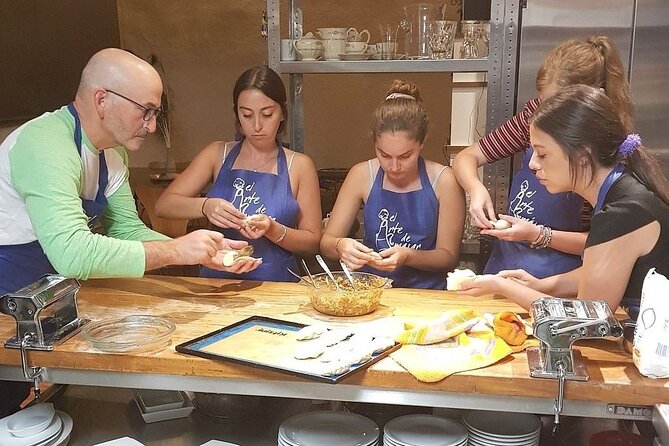
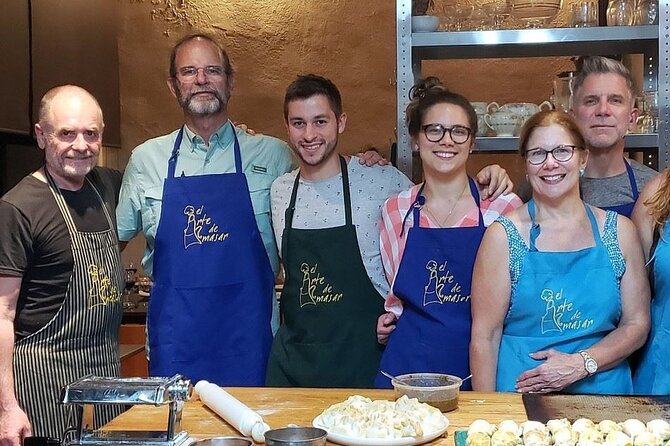
If you want more than a food tour with a quick bite, this format makes sense. You are in a local chef’s kitchen environment, cooking an appetizer, a main course, and a dessert in one evening. Saúl (the instructor I keep hearing about) runs classes that feel relaxed but purposeful, with you doing the work step by step.
What I like most is the structure. You do the prep, you cook, you plate, then you sit down and eat as a group. That order matters in a cooking class because you are not standing around waiting for someone else’s timing.
The second big plus is the food education that comes while you work. The class doesn’t just teach techniques, it connects them to ingredients and influences that shaped local cuisine in Buenos Aires. That turns the meal into something you can recreate later, not just a one-time performance.
More cooking classes in Buenos Aires:
- Argentine Experience Interactive Dining and Cooking
★ 5.0 · 1,382 reviews - Cooking Class Designed by Michelin Chef @ Argentine Experience
★ 5.0 · 1,123 reviews - Buenos Aires: Empanadas and Alfajores Guided Cooking Class
★ 4.8 · 486 reviews
What You Cook: Empanadas, Stew, and Dulce de Leche Semifreddo
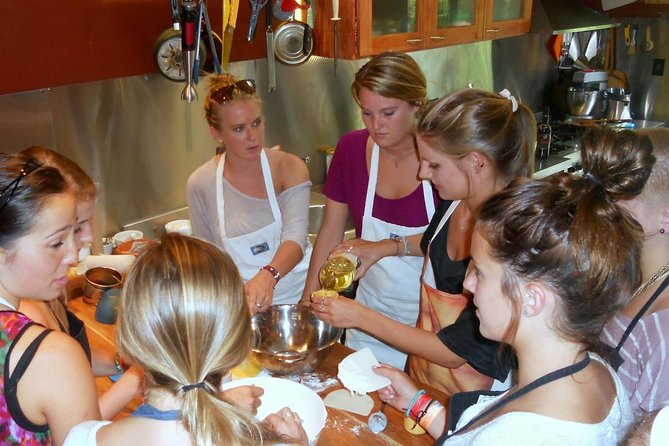
This class is built around iconic Argentine flavors, but you get instruction on how they are made, not just how they taste.
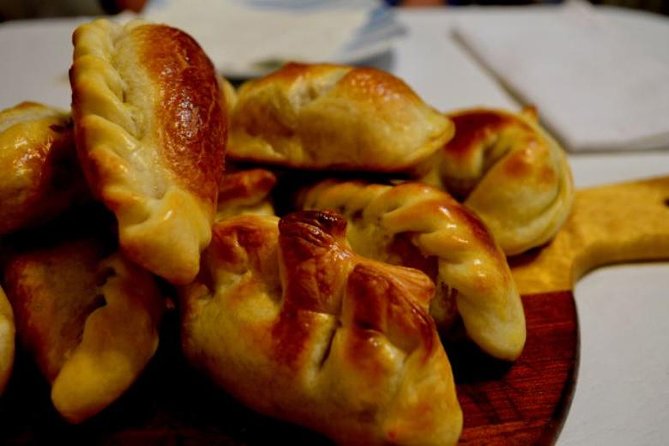
Appetizer: Argentine empanadas
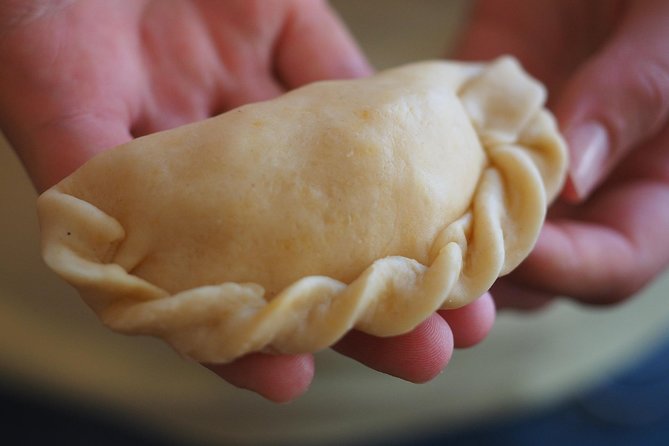
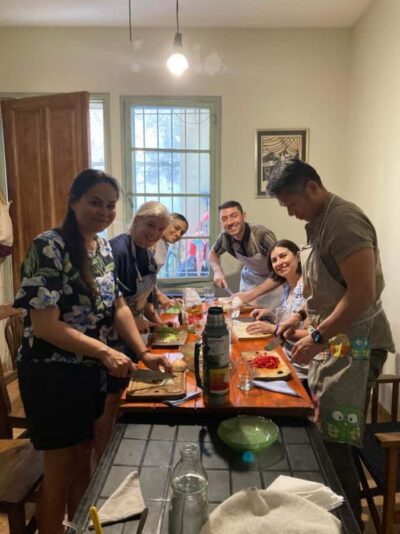
You start with Argentine empanadas, with a focus on the building blocks: dough and filling. The key skill here is understanding how the filling should behave before it goes into the pastry. You are learning the process behind a “feels simple” dish, which is exactly why it is a great first step in the class.
In real terms, this is the part where you most clearly see progress. You go from ingredients to formed hand pies, with your own dough and your own filling. If you like food that is portable and shareable, this appetizer is the one you will want to remake at home.
Main course: A contemporary twist on an Argentine stew
For the entrée, you move to a stew that keeps the Argentine idea while shifting the flavor profile with a contemporary recipe. That matters because stews can be either comforting or bland if you miss one step, like seasoning balance or texture.
The class format helps you avoid the classic mistake of cooking something once, then hoping it turns out the next time. You get to practice technique, and you get a clearer sense of what makes the stew work.
A few more Buenos Aires days worth comparing
- Polo Lessons from Buenos Aires by Polo Elite
★ 5.0 · 501 reviews - Polo Match, BBQ and Lesson Day-Trip from Buenos Aires
★ 5.0 · 432 reviews - Buenos Aires: Private Tango Lesson
★ 4.9 · 244 reviews - Private Cooking Lessons and Food Tasting in Buenos Aires
★ 5.0 · 223 reviews
Dessert: Dulce de leche and rum semifreddo
End with dulce de leche plus rum semifreddo. Dulce de leche is the unmistakable Argentine sweet tooth ingredient, so it is a smart anchor. Rum semifreddo adds a chilled, creamy element that feels more modern than the old-school image of caramel desserts.
This is the dessert that stretches your skills a little. You are not just stirring; you are learning how a semifreddo style sets and textures. It is also a good way to learn how Argentine desserts can be both familiar and updated.
The 3-Course Flow and How It Fits 3 Hours 30 Minutes
You have about 3 hours 30 minutes, and the pacing is built for that time window. You start with an introduction to the ingredients, so when you begin cooking you already know what each item is supposed to do. That reduces guesswork and keeps the hands-on part moving.
Then the session follows a clear progression:
First, appetizer prep and assembly, with empanada dough and filling as your main tasks.
Next, main course cooking, where you practice the stew’s method and finish with a plated result.
Finally, dessert work that culminates in dulce de leche and rum semifreddo.
The payoff is you do not just taste bites. You sit down with your host and the group to savor what you made. That “cook then eat together” structure is a big reason this kind of class feels like a proper evening, not a rushed workshop.
What makes the group size matter
The class caps out at 12 people. In practice, that keeps questions possible while you are cooking. It also means you are less likely to get stuck waiting for attention, which can happen in larger groups.
Wine at the Table, Plus a Quick Education on Argentine Style
Alcohol is included as an included glass of wine, and the minimum age to consume alcohol is 18. If you are under that age, you should confirm how the class handles non-alcoholic options at booking, since the provided info only states the alcohol rule.
What I like about the wine setup is that it is not an afterthought. You get a glass during the meal, and the instructor offers context on Argentina wine and gastronomy. Some classes with hosts like Federico focus on the way Argentina’s wine culture fits the food, including the role of Malbec.
Even one glass can make a difference in how you experience the meal. Empanadas and stew both welcome wine pairing, and dulce de leche can shift the sweetness balance in a way you notice right away.
Price and Value: Is $175 Worth It?
At $175 per person for about 3 hours 30 minutes, you should think of this as a hands-on dinner with paid instruction. You are not only tasting, you are making three courses and then eating them. That pushes the value beyond a casual meal, even if you already like Buenos Aires food.
Here’s what your money typically buys in a class like this:
- A professional local cooking instructor
- All ingredients for the appetizer, main, and dessert
- Food prepared during the class, plus dinner
- An included glass of wine
- Vegetarian menu available by reservation
The missing piece, which you should factor in when you budget, is transportation. There is no hotel pickup and drop-off. If you need a taxi from your area or if you will take public transit, that cost is on you.
Still, for a cooking class that ends with you eating what you made, $175 can feel fair if you value learning a repeatable skill. If you just want a quick meal, you may find cheaper options. If you want a “bring home skills” night, this price starts to make sense fast.
Logistics in Buenos Aires: Finding Tronador 3123 Without Stress
Your meeting point is Tronador 3123, C1430DME, Buenos Aires, and the class starts at 6:00 pm. The activity ends back at the meeting point, so plan your evening around that fixed start and finish.
There is no hotel pickup. That one detail changes how you plan. If you are staying in central areas, you might be able to use metro and a short taxi segment. If you are farther out, allow more time than you think you need.
One practical tip: treat this like an address hunt, not a sightseeing stop. Tronador 3123 is not described as a major landmark in the info you have, so build in extra time. You do not want to arrive late when the first part of the class is ingredient intro and early prep.
Also remember the group is small. If you are running late, you might miss key instruction moments.
What You’ll Learn Beyond the Recipes
A cooking class can feel either like a script or like real understanding. This one aims for understanding while you work.
You get:
- Ingredient awareness, so you know what each component brings
- Technique for empanada dough and filling
- A method for cooking a stew to the right flavor and texture
- Dessert approach with dulce de leche and rum semifreddo
And you also get the city angle. The class includes talk about Buenos Aires culinary heritage and factors that influenced local cuisine. That explanation tends to stick better when it is tied to what is in front of you, like what goes into empanada filling or why a stew style feels “right” for the local palate.
In some versions of the experience, hosts also share off-menu Buenos Aires tips, like where to go for football related fun or how to find local shopping like a flea market. Those extras are not the main reason to book, but they can help you get your bearings in the city.
Vegetarian Option: Plan It at Booking
A vegetarian menu is available by reservation. That means if you eat vegetarian, you should flag it during booking so the class can plan around it.
Because the menu structure is appetizer, main, dessert, you should also think about how your dietary needs affect each course. Confirm details with the organizer when you book, especially if you have additional restrictions beyond vegetarian.
Who Should Book This Argentine Cooking Lesson?
This class is a great match if you want:
- A hands-on Buenos Aires activity that ends with dinner
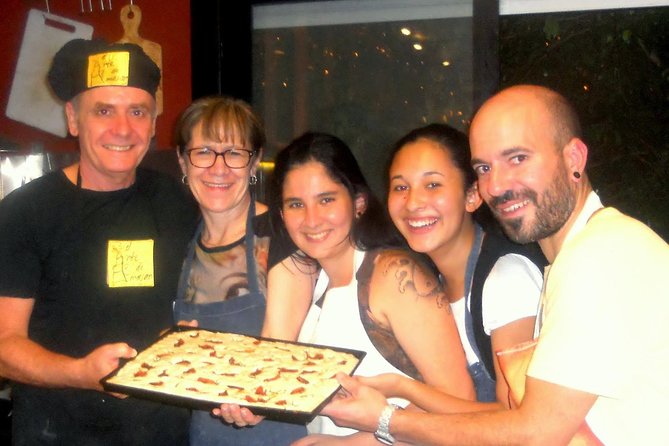
- A small group setting where you can ask questions
- Skills you can recreate, like empanada dough work
- Argentine flavor favorites, especially empanadas and dulce de leche
It is also a good choice for couples or small groups since the session is designed for an intimate group size.
You might reconsider if:
- You need hotel pickup and drop-off
- You want a purely sightseeing-focused evening
- You have limited interest in cooking techniques and want only tasting
Also check the alcohol rule if your group includes anyone under 18, since the included wine has a strict age requirement.
Should You Book?
Yes, if your goal is a real Argentine cooking night in Buenos Aires where you make three courses and eat them with wine. The $175 price can feel justified because you get instruction plus ingredients plus dinner, all in a small group capped at 12 people.
Book it if you want empanadas you can replicate, a stew you understand beyond flavor, and a dessert that combines dulce de leche with semifreddo style. Plan for the fact that you handle your own arrival to Tronador 3123 and aim to be there early enough to feel calm, not rushed.
If you are traveling on a tight schedule, the fixed 6:00 pm start and the no pickup policy are the two details that matter most. Handle that part well, and the rest is exactly what a good cooking class should be, work at your station, then sit down and enjoy what you made.
FAQ
Is the cooking lesson offered in English?
Yes. The class is offered in English.
How long is the Argentine cooking lesson in Buenos Aires?
The duration is about 3 hours 30 minutes.
What’s the group size limit?
The class has a maximum of 12 travelers, which keeps it small and hands-on.
Is a vegetarian menu available?
Yes, a vegetarian menu is available by reservation. Let the provider know your dietary needs when booking.
Is hotel pickup included?
No. Hotel pickup and drop-off are not included, and the activity starts at Tronador 3123 and ends back there.
Can everyone drink the included wine?
The minimum age to consume alcohol is 18. If you are under 18, you should still book but you should be aware alcohol consumption has that age rule.
Recently reviewed around Buenos Aires
- Join the mate round and discover its ritual the Argentine way★ 5.0 · 3 reviews
- Shore Excursion: Buenos Aires, Customizable Private City Tour★ 5.0 · 3 reviews
- Carlos Gardel Tango Show Only In Buenos Aires★ 5.0 · 3 reviews
- Dinner Tango Show + Wine Tasting in Buenos Aires★ 4.0 · 3 reviews
- Sailing on the Rio de la Plata Postcards from Buenos Aires★ 5.0 · 3 reviews
- Private City Tour in Buenos Aires Including Lunch in Puerto Madero★ 5.0 · 3 reviews
- Private City Tour with Local Guide in Buenos Aires★ 5.0 · 3 reviews
- El Viejo Almacen Tango Show With Transfers From Port & Hotels In Buenos Aires★ 5.0 · 3 reviews
Workshops, compared.
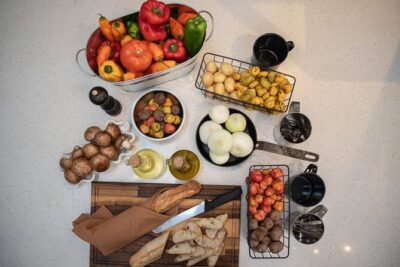
Cooking Class Designed by Michelin Chef @ Argentine Experience
Read our review →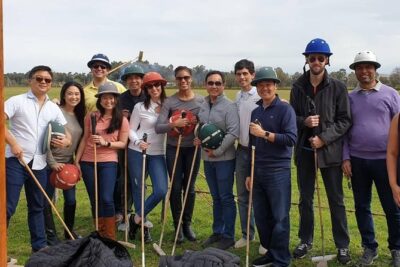
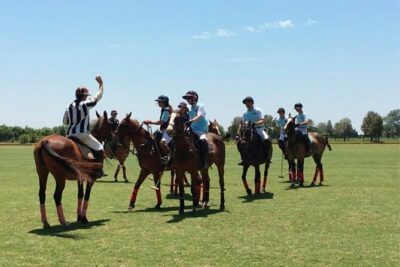
Polo Match, BBQ and Lesson Day-Trip from Buenos Aires
Read our review →
Private Cooking Lessons and Food Tasting in Buenos Aires
Read our review →
3-Hour Buenos Aires Empanadas and Alfajores Cooking Class
Read our review →Browse the lists this tour appears in